Exploring Eklutna Lake: A Winter Bikepacking Adventure

Eklutna Lake, Chugach State Park, Alaska

March 8-9, 2025

Total Mileage: 17.6
Total Elevation Gain: ~1,000′
Permits: AK StatE PArks Annual Parking Pass

The Plan

I was going absolutely stir crazy. I hadn’t been camping since getting back from the Kalalau Trail at the end of January and I knew I was becoming unpleasant to everyone I interacted with. The forecast was looking great for the weekend with daytime temps high in the 30s and nighttime temps ranging from the teens to low 20s, and although a front would be moving in Sunday night, I would be back at home before that materialized.

I thought about how I hadn’t been able to haul any firewood to stash in the woods for summer bikepacking trips, since the area hadn’t, and probably wouldn’t, open to snowmachines this winter due to lack of snow. I would make this a two-fer trip, get away to mentally reset and cut/stash some firewood for upcoming trips.

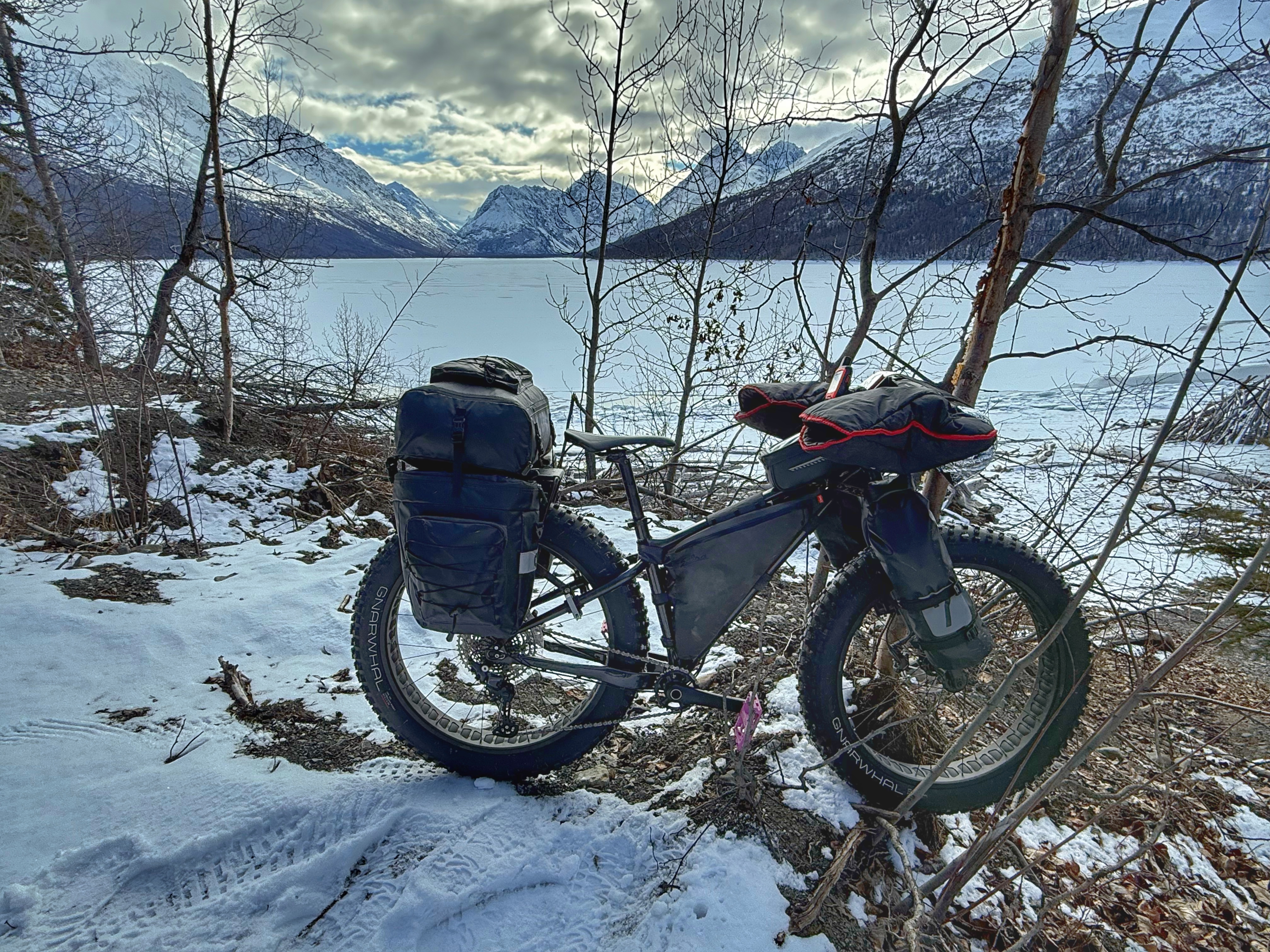
I called a couple of people to see if they were interested in joining me for a fat bike bikepacking trip to mile 8.5 on the Eklutna Lakeside, staying at a remote campground called Eklutna Alex. They were not. Over the years I’ve found that finding winter camping friends is not easy, but I didn’t mind. Honestly, I needed the alone time, and Goose would, of course, be joining me. I spend the last few evenings of the work week packing and prepping, installing a new rear rack on my fat bike, doing some basic maintenance, and collecting my gear, including a battery-operated mini saw.

Day 1

Eklutna LAke Trailhead → Eklutna Alex Campground
8.8 miles

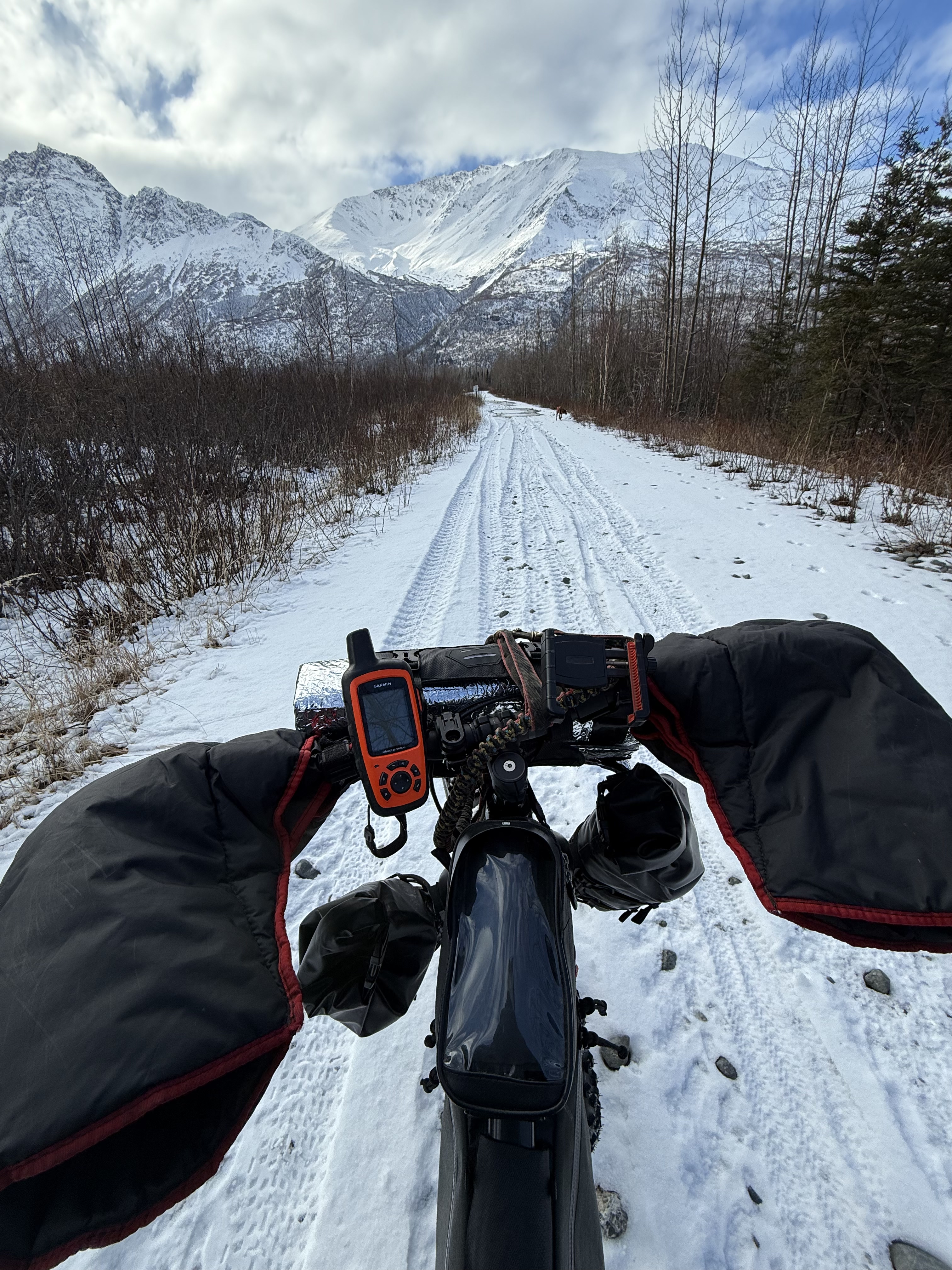
When I woke on Saturday morning, I tried to relax with some coffee and read a book, but my mind wouldn’t let me. I started moving earlier than planned, but it wouldn’t matter, I had plenty to do out there with cutting and stashing firewood. I was at the trailhead, bike all packed up by noon, and off we went, riding southeast towards the head of the lake.

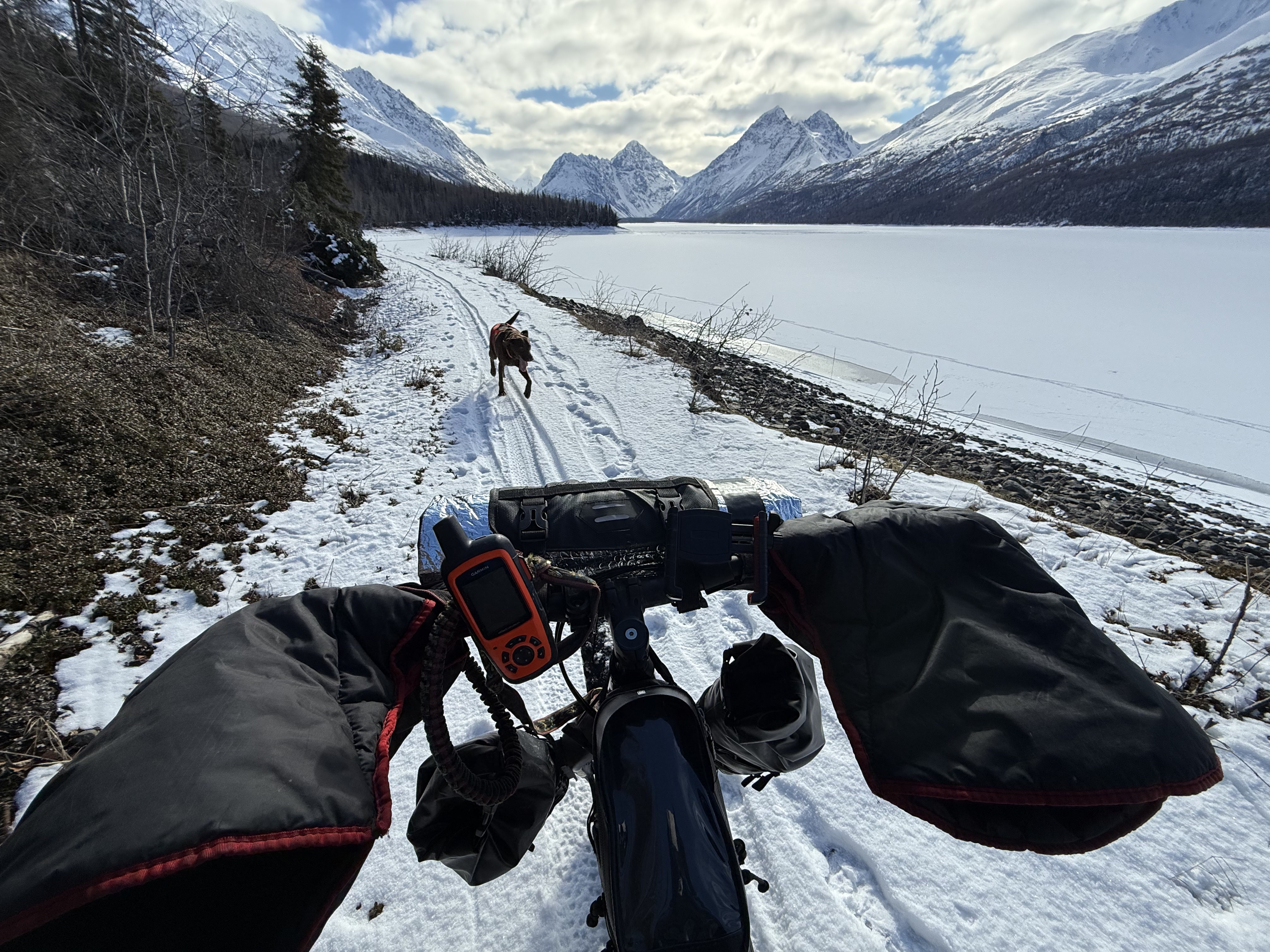
It was a sight to behold. Goose was hooked by bunjee line to the front of my fat tire bike, pulling me down the trail at speeds I was sure were nearing 20mph. I tried to balance my loaded down bike while simultaneously one-handed filming. Bikepacking-joring. I unhooked Goose at the mile 1 marker post, and, although he seemed strong and eager, I didn’t want to tire him out early in a long run. Plus, I was getting cold moving so fast!
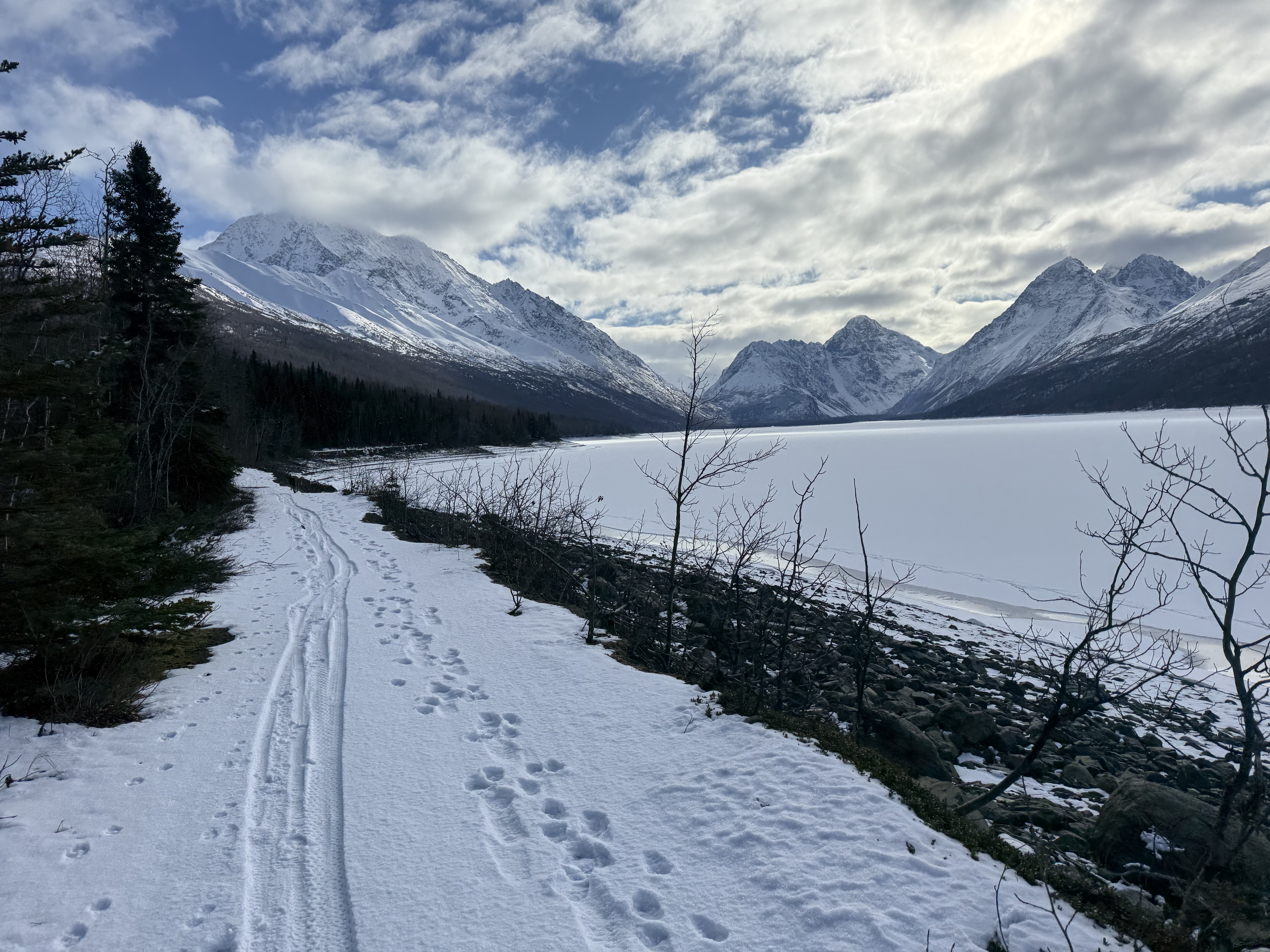
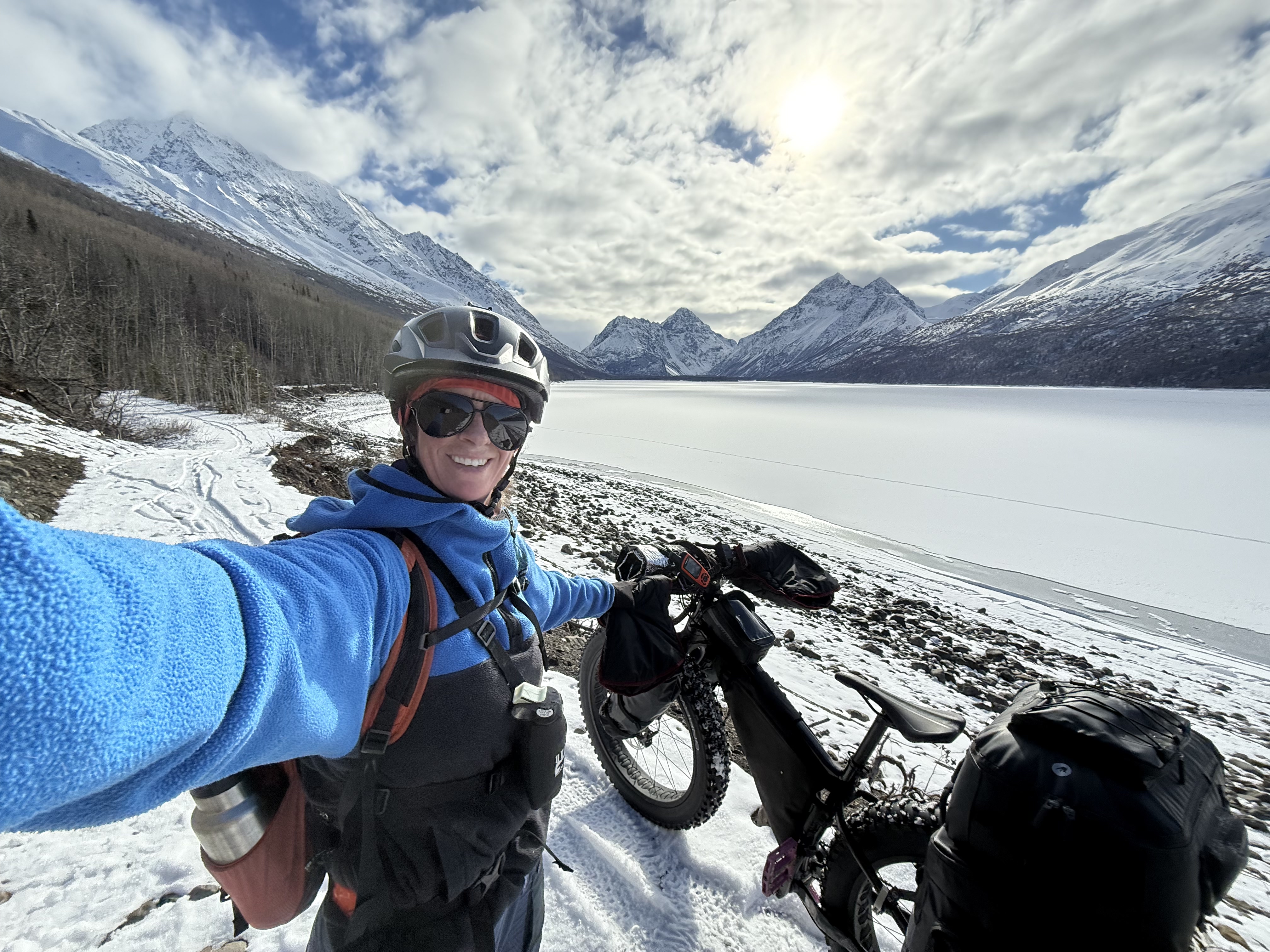
I moved much slower under my own power, but it was a good pace to be able to take in the views. Bold Peak, a 7600′ hulk of a mountain, The Mitre with its jagged shoulder, and The Watchman, a proper triangle of peak, dominated the skyline. Chugach State Park’s tallest peak, Bashful, is right behind Bold Peak, although hidden from the lakeside trail, thus far. In the distance I could see Bounty Peak and the start of a massive icefield.

The miles clicked by, two, three, four, until I came upon a couple walking along the trail. One of them happened to be a hiking acquaintance of mine, so after a few pleasantries and chatting about our trail clearing efforts after the last windstorm, I set out again, eager to reach the end of the lake. I rode past Bold Creek at mile 5 and decided to use the downhill momentum to get up the other side, so I didn’t take my usual break at the bridge.

The trail came to one of its many forks, and I took the pedestrian/bike trail to the right, soon riding along a shelf, a dozen or so feet above the beach below. This section used to be almost completely washed out, narrow and covered in rocks. It was always exciting to see if you could make it the quarter mile or so along the treacherous path, but now it had been widened, making for much easier riding, especially while hauling a load.

I still hadn’t seen any bear sign, just rabbit tracks and squirrels, so far. It was probably in the high 30s, just on the cusp of bear waking weather, so I kept my bear spray close, on a chest harness, for easy access just in case. We were approaching mile 7 and the end of the lake. There would be much less traffic out here and more likelihood to encounter wildlife.

A short hike-a-bike up the last hill next to the lake and there it was. The Eklutna Glacier. Although it has receded significantly over the past couple of decades and is difficult and dangerous to reach (I had almost been the victim of a land/snow slide the previous year), you can still catch a glimpse of it from the top of this hill if the weather is right.

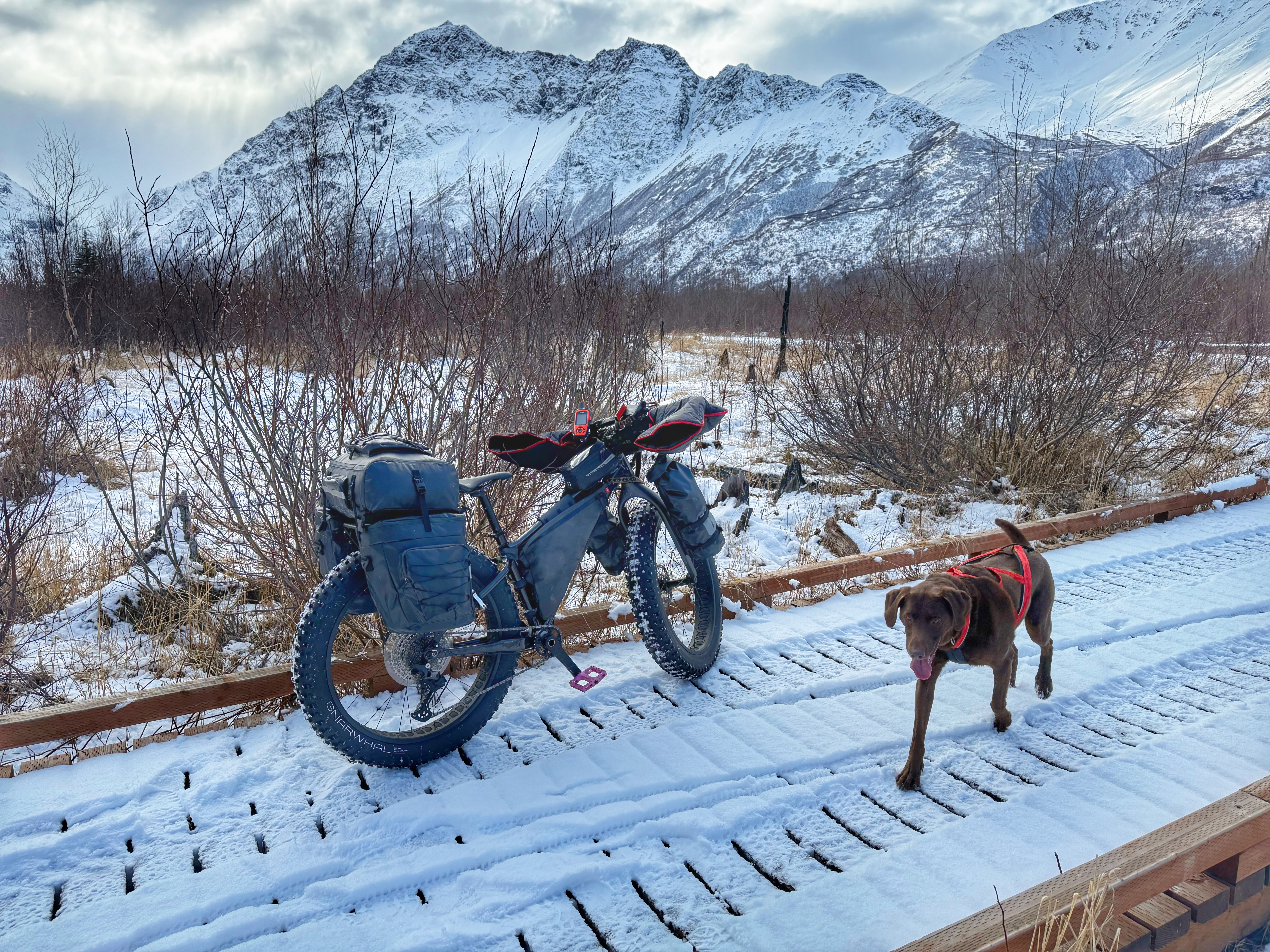
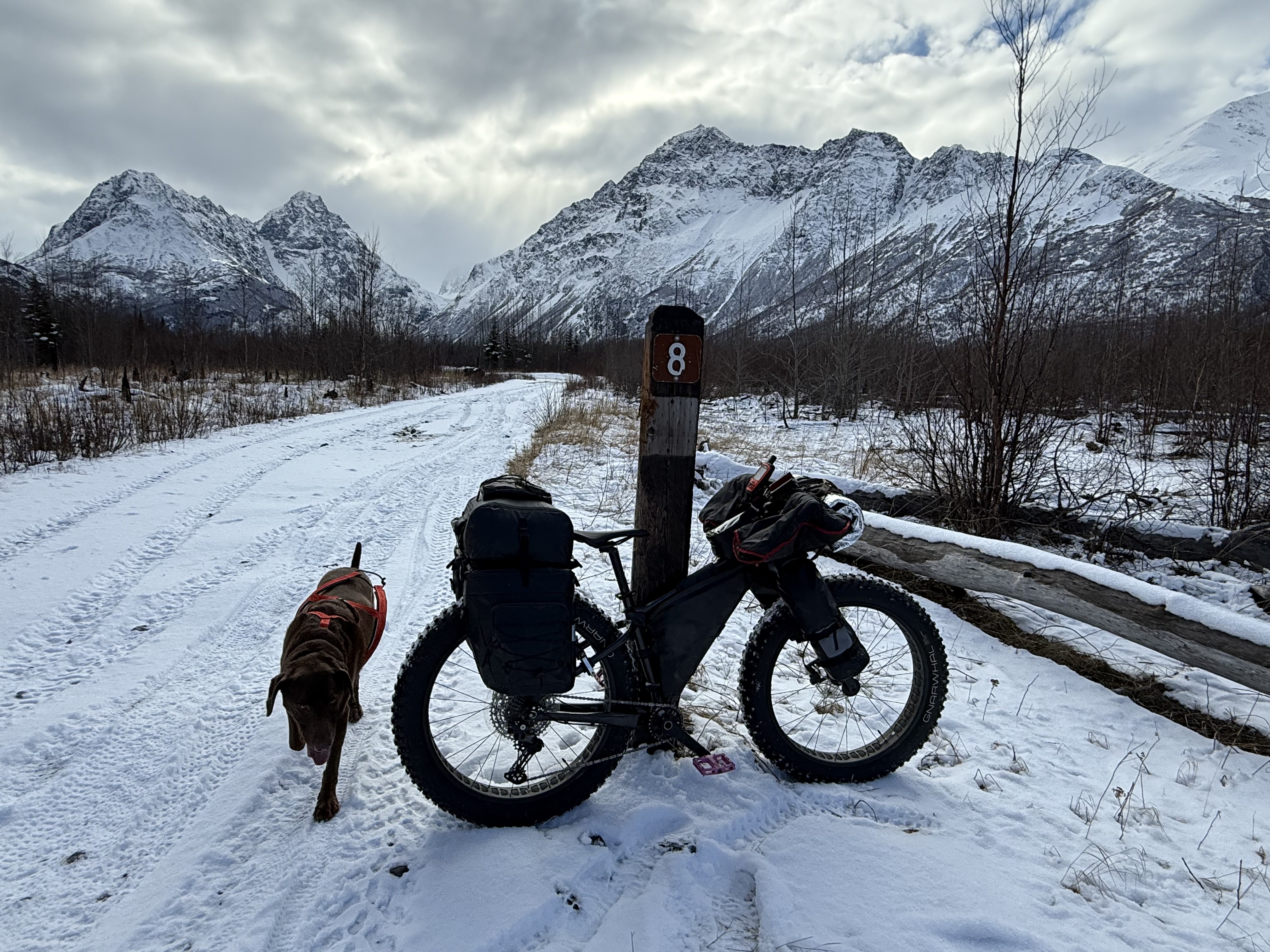
Not far ahead, a small foot bridge spans a swampy area, the location offering stunning views of the massive mountains I had seen from further back on the lakeside trail. Just beyond the mile 8 marker at the footbridge, the trail sweeps to the southwest and Thunderbird Peak rises nearly 6,000′ from the Valley floor.
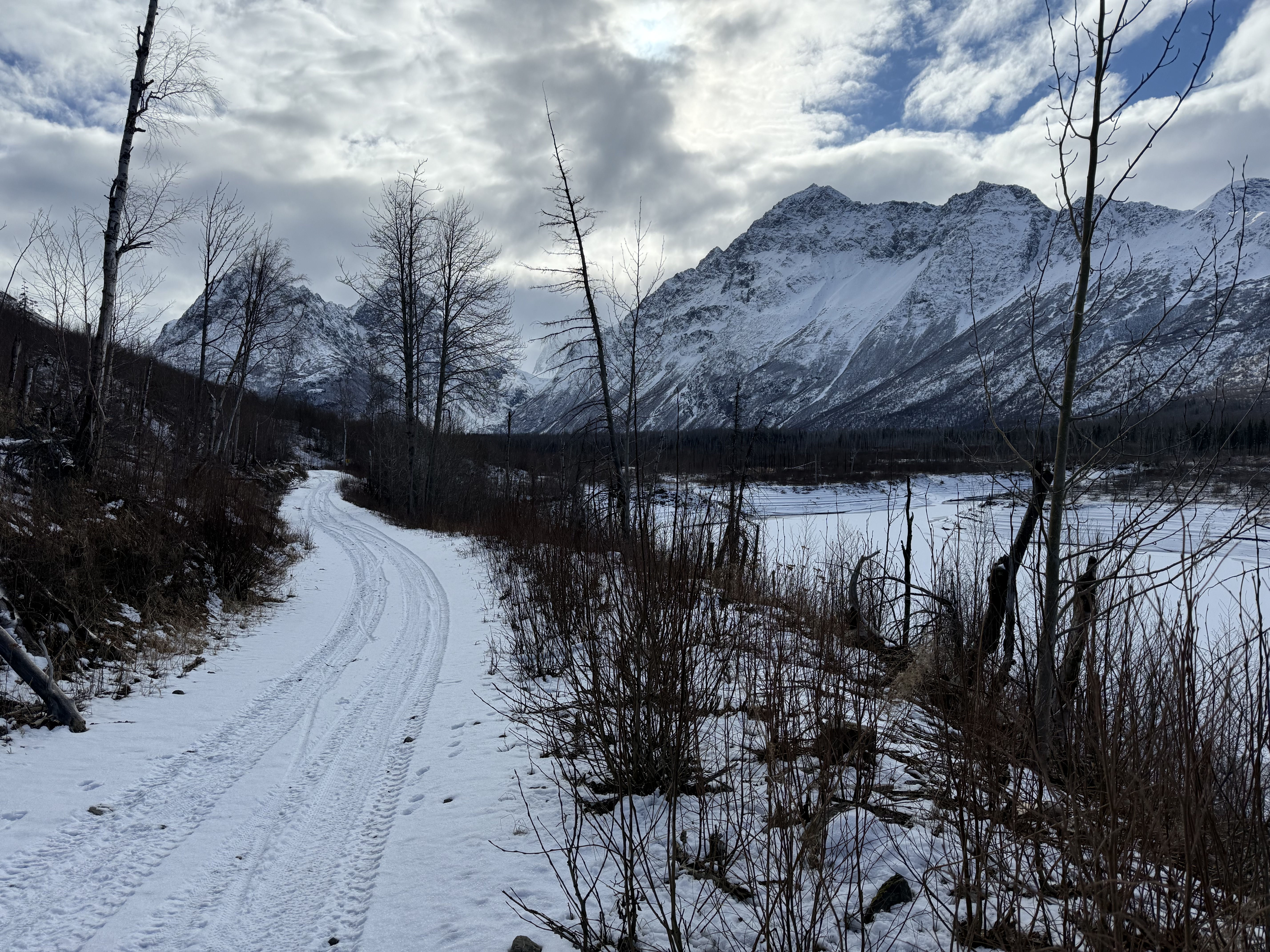
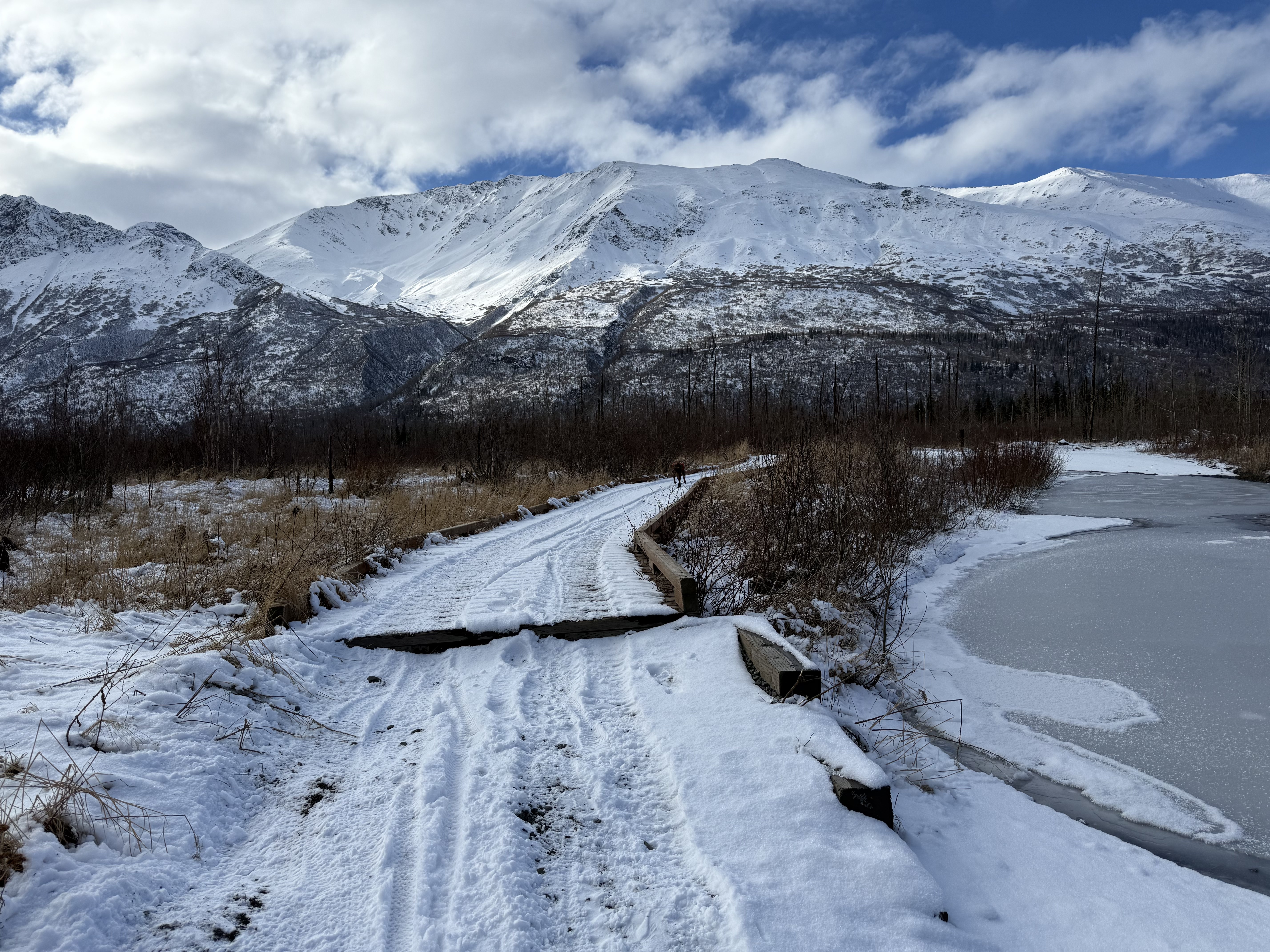
We were nearly there. Only a mile and half to go. This section of trail is notorious for being bumpy, the summer wheeler traffic efficient at churning up loose rocks and augering out deep puddles. Weaving my way through the obstructions, as much as I could, my seat was starting to become uncomfortable, and I was glad I wasn’t riding all the way to Kanchee at mile 11. I realized it had been months since I had been on my bike, and I was starting to feel it.

Just past the turnoff for Bold Airstrip, I looked down and saw tracks that were not from Goose. Much too large. I had seen wolf tracks out here the year prior and was sure these weren’t from a dog. Much too large and going only one direction. I wasn’t too nervous, as wolves rarely threaten humans; plus, there was plenty of small game out here for a wolf to eat. I was grateful for my alarm system of a dog, though. I could depend on him to let me know if anything came into camp.

As I was investigating the tracks, a large group rolled up behind me and I pointed out the wolf sign. A handful of them were from out of state, friends bringing them on a fat bike day ride into the wilderness. They pushed on, I waited until they were out of sight to continue on myself, hoping to avoid any other human interaction for the day.

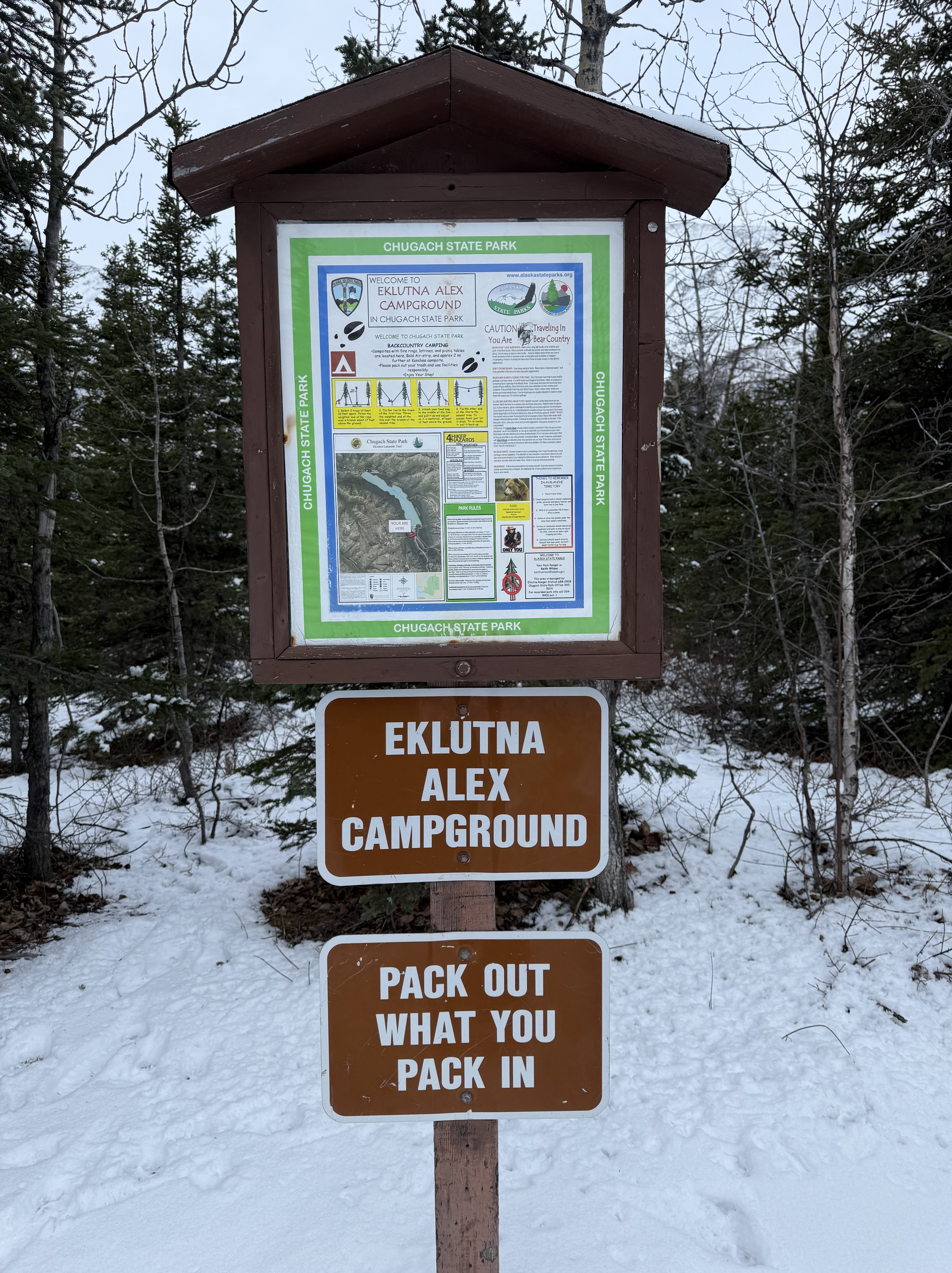
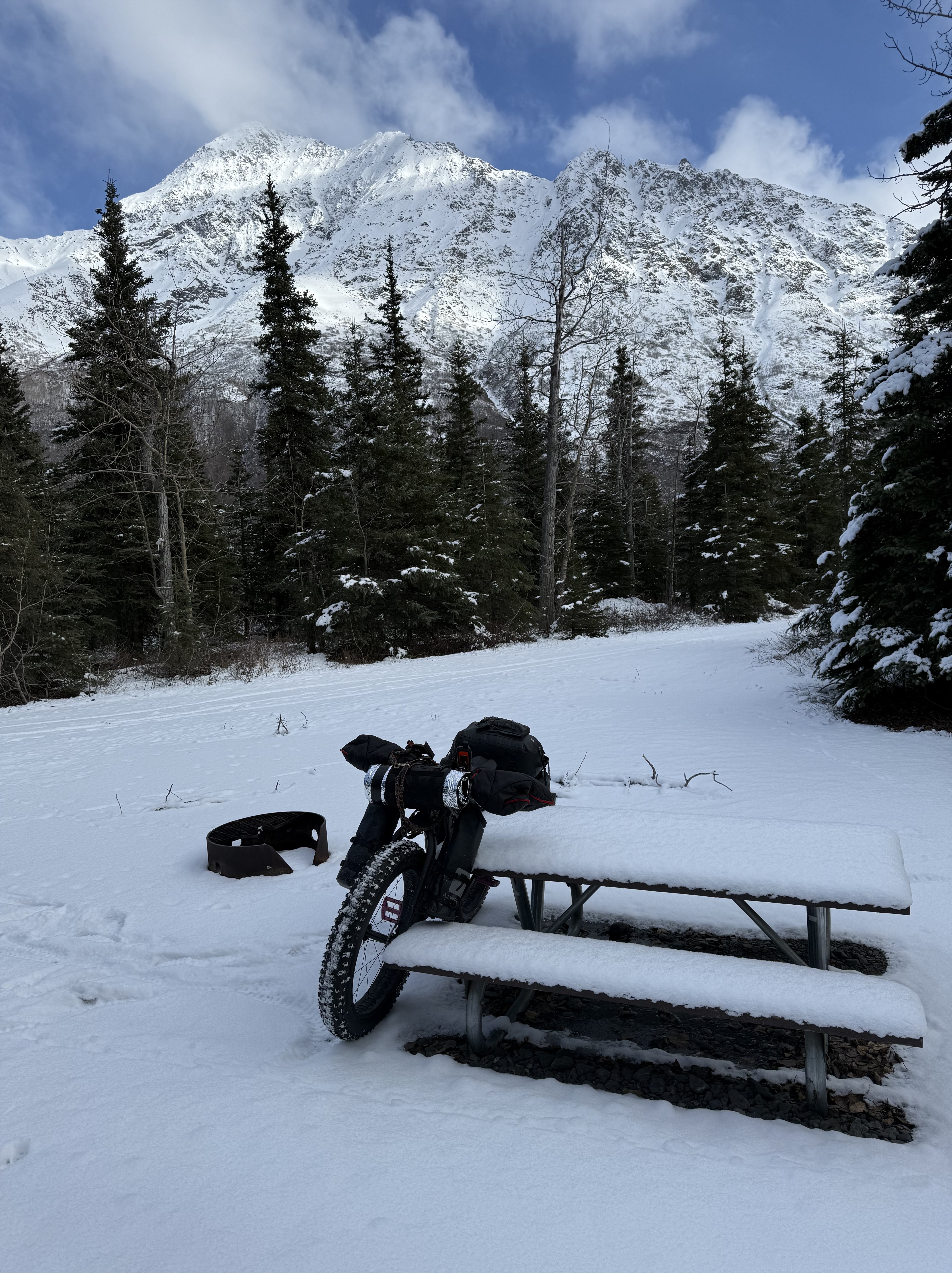
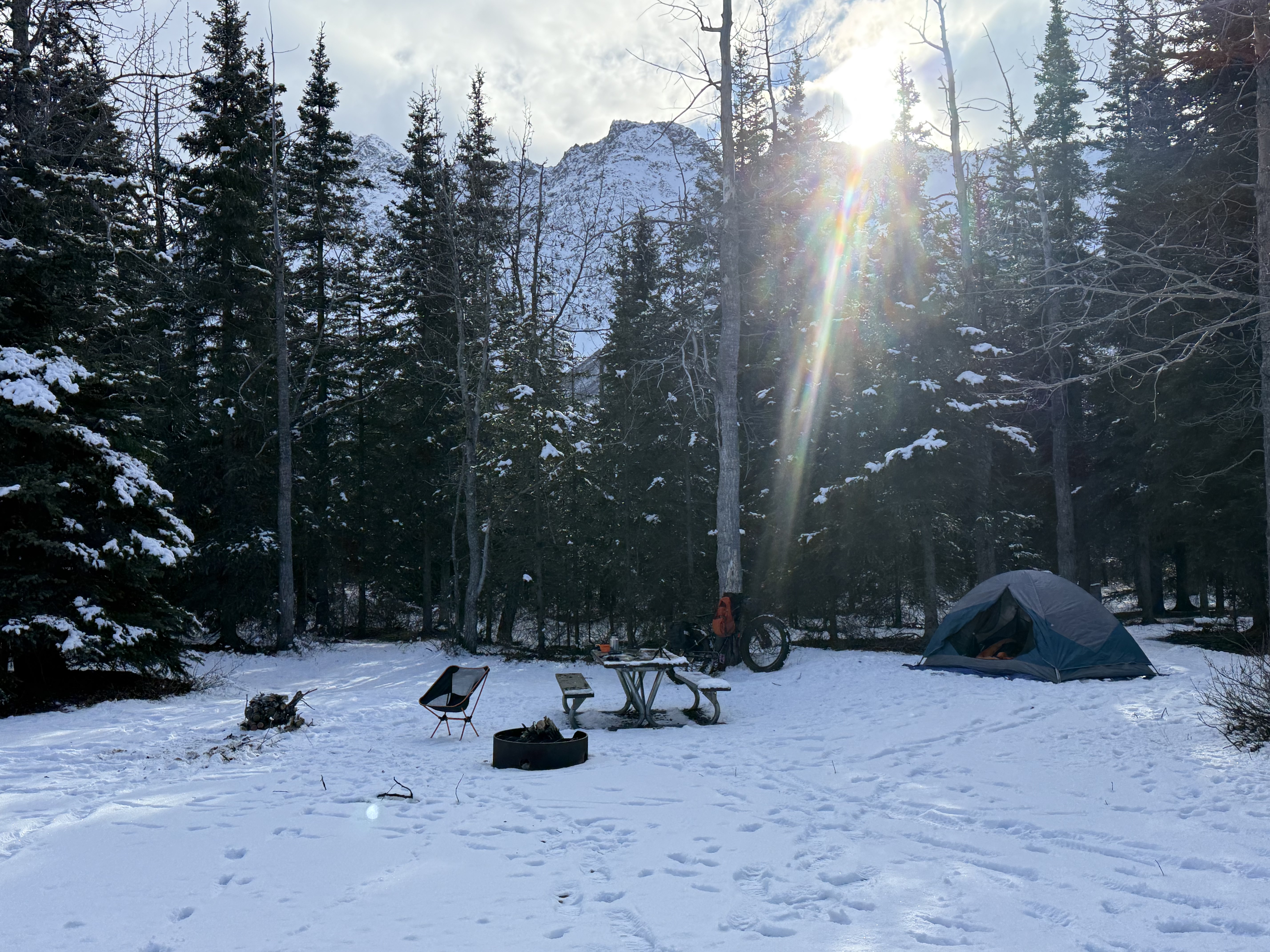
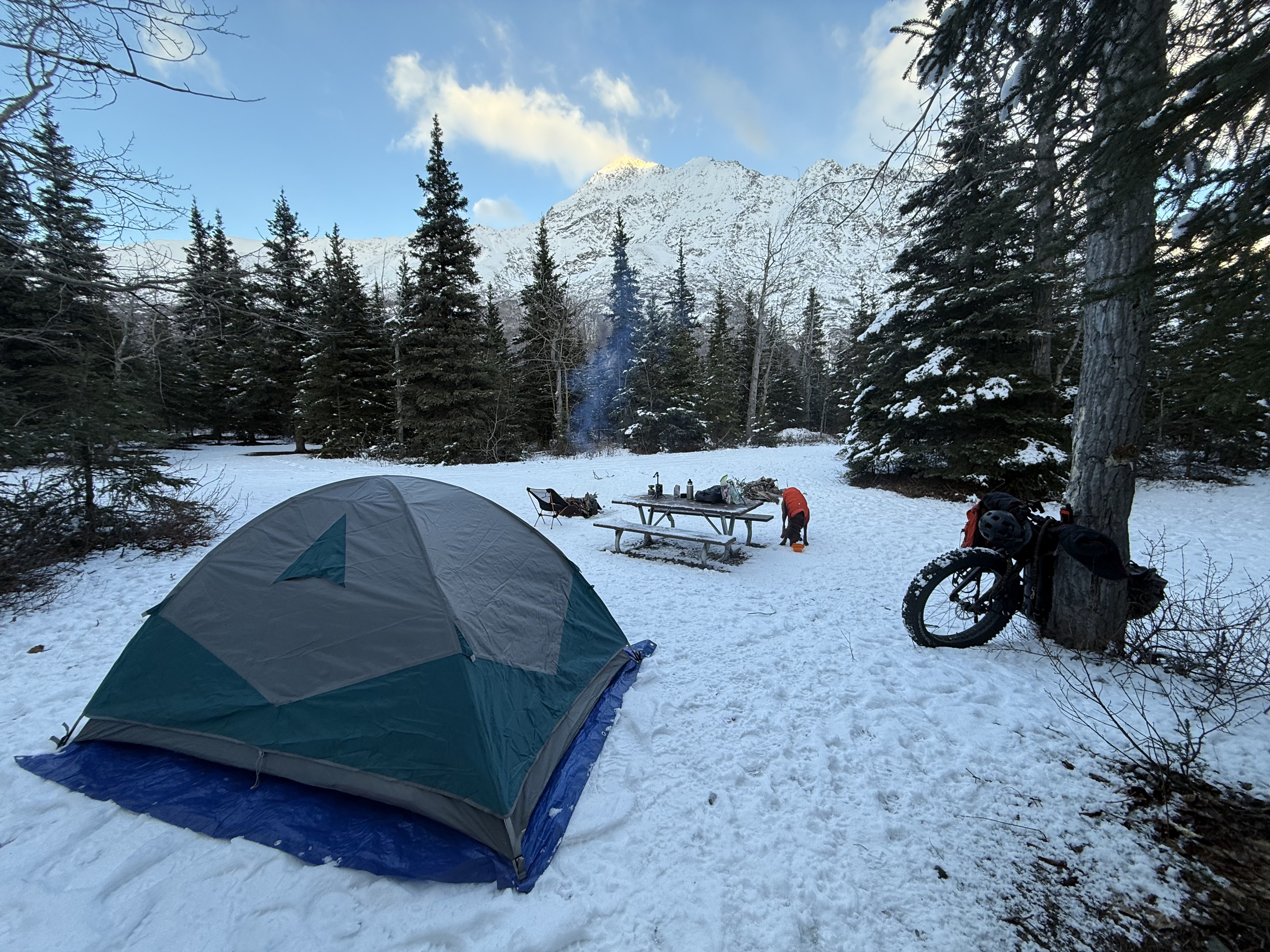
But my plans were foiled. As I rounded a corner, the sign to mark Eklutna Alex Campground was in sight, but so were more than half a dozen bikers, milling around and taking a break. I passed them silently, taking a right into the campground and choosing a site with a perfect view of Bold Peak, an old frenemy of mine.

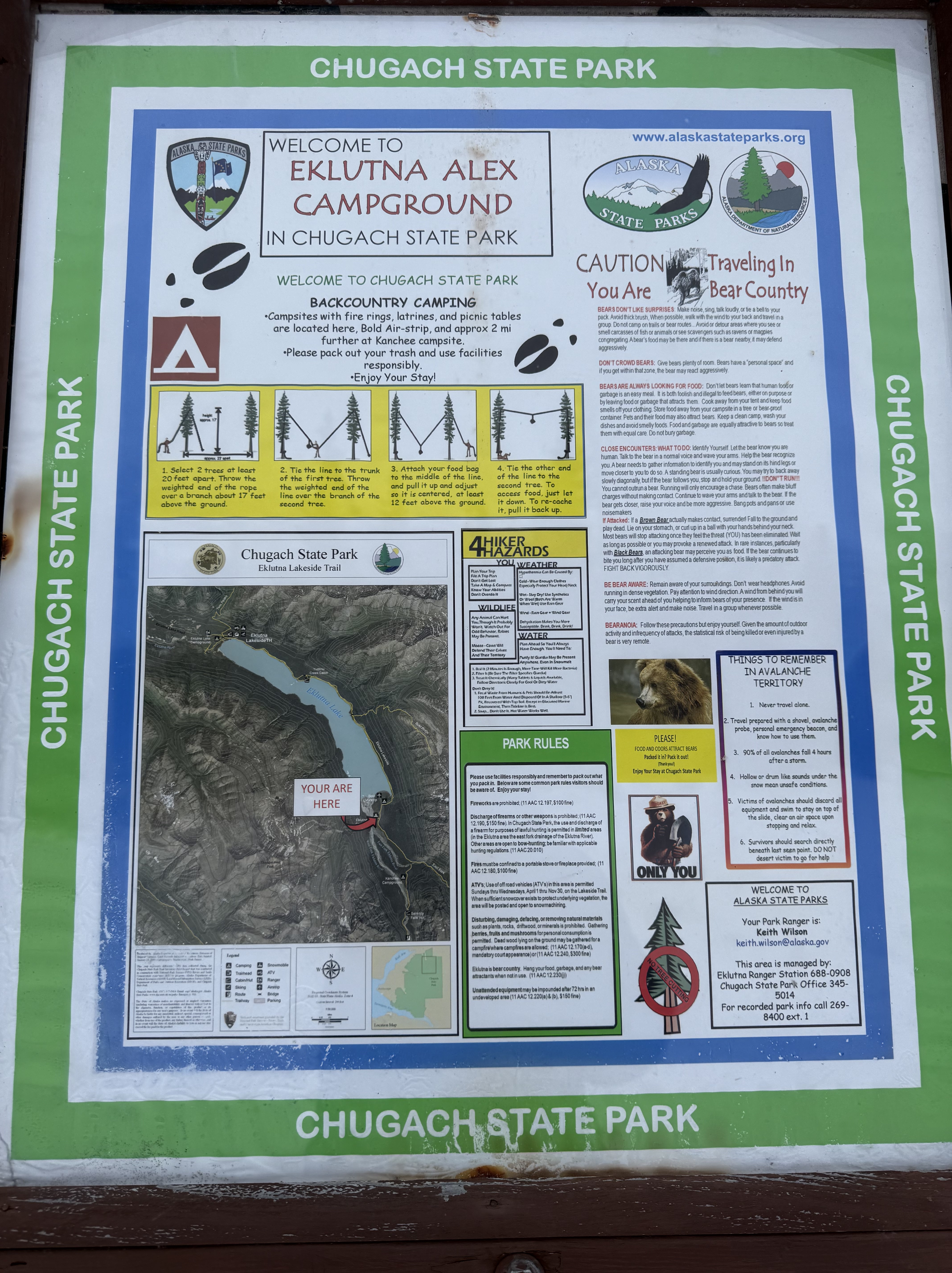
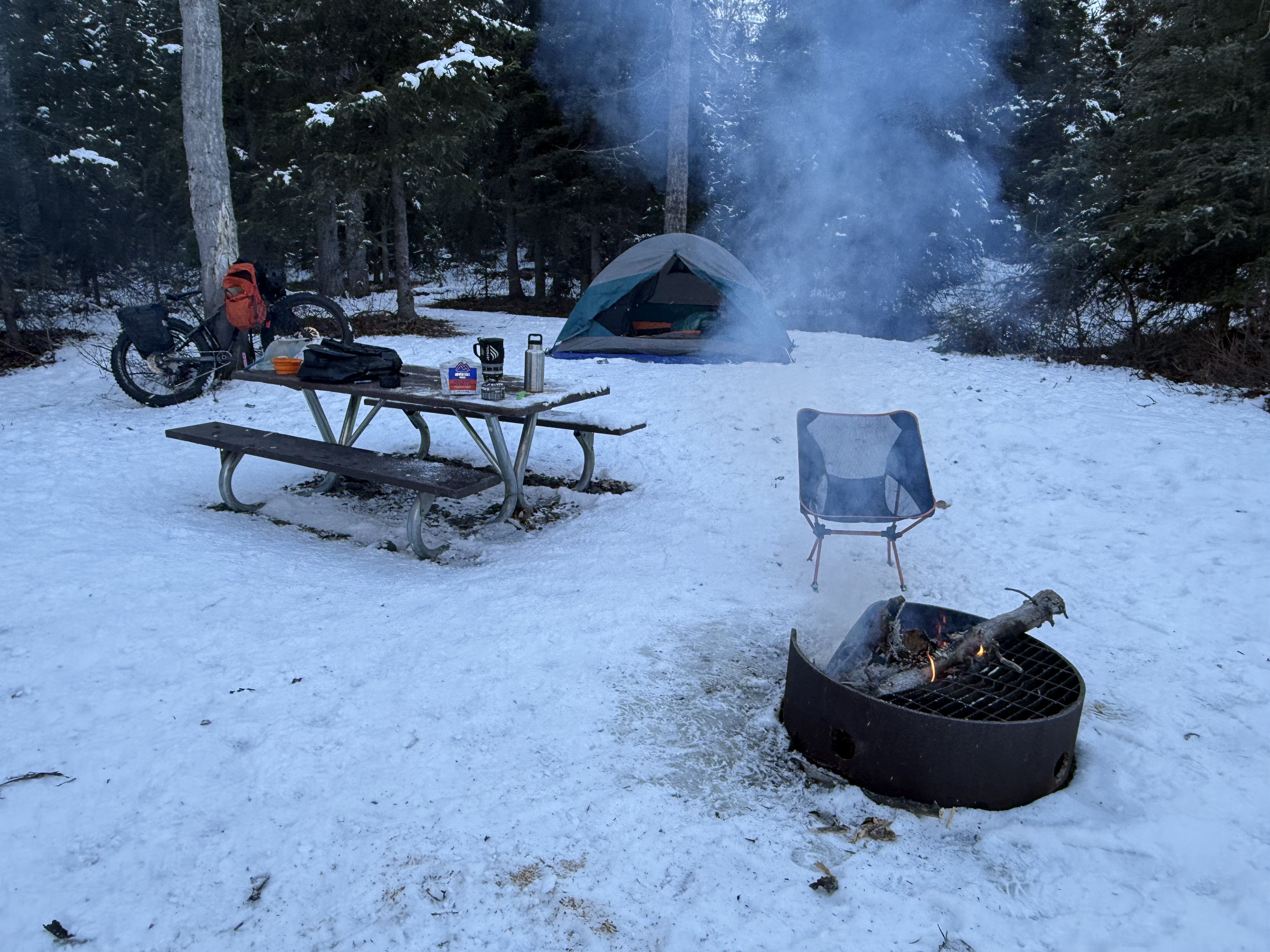
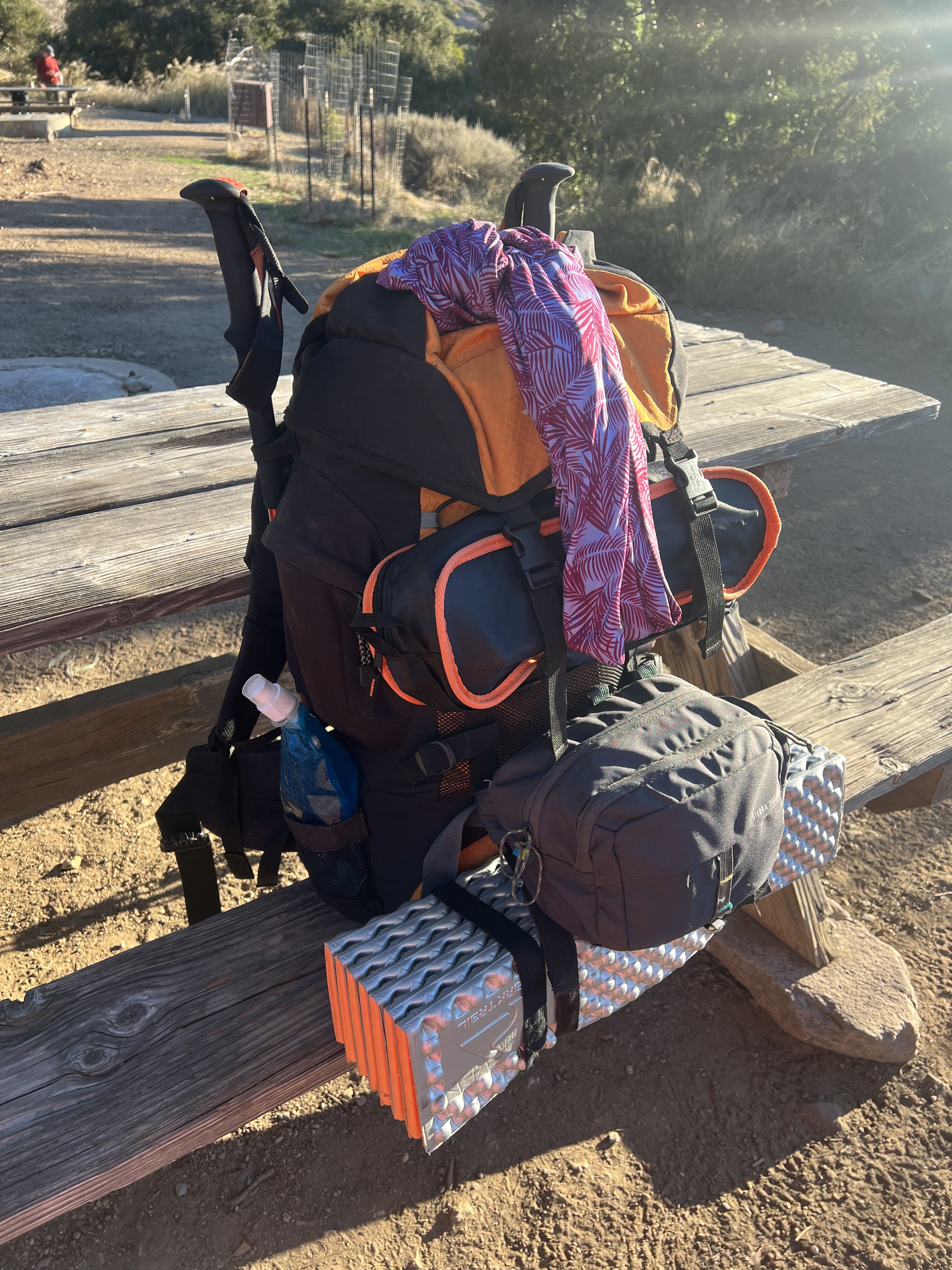
I turned on the noise cancelling in my ear buds to drown out the sounds of people and began clearing the picnic table of snow and ice. Unloading all of my gear, I laid it out and began to organize everything. My tent was set up quickly, I had brought my old Kelty, a sturdy shelter that I had used for years before purchasing my Big Agnes ultralight. The Kelty isn’t a winter tent, but robust enough to hold up to the mild conditions I would face.

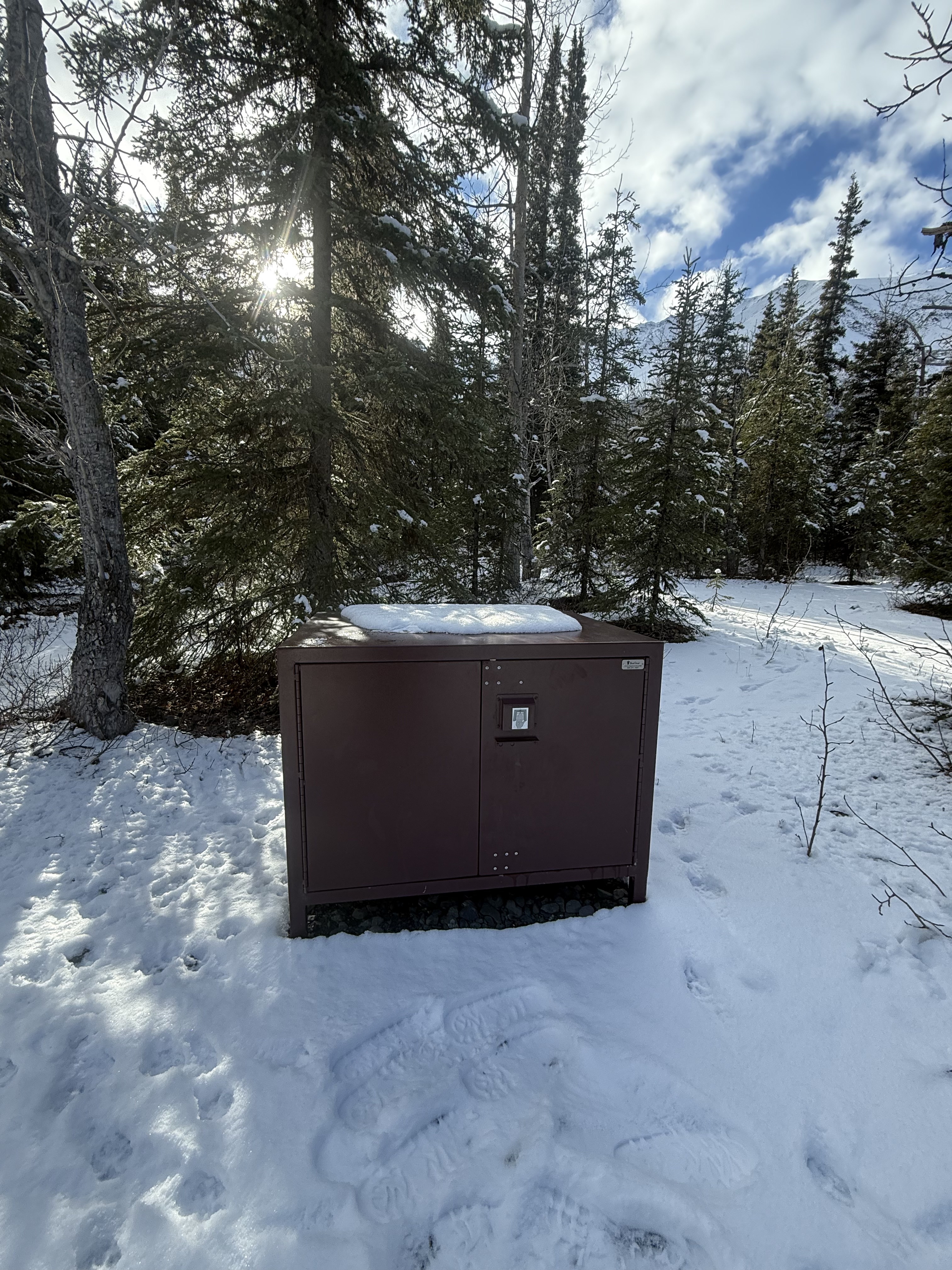
I stashed all of my food and odiferous items, including toothpaste, deodorant and my stove into the campground bear locker, a large brown box with a bear proof latch. Although it is a unit to be shared amongst everyone at the campground, I was the only one there, so I had it all to myself.
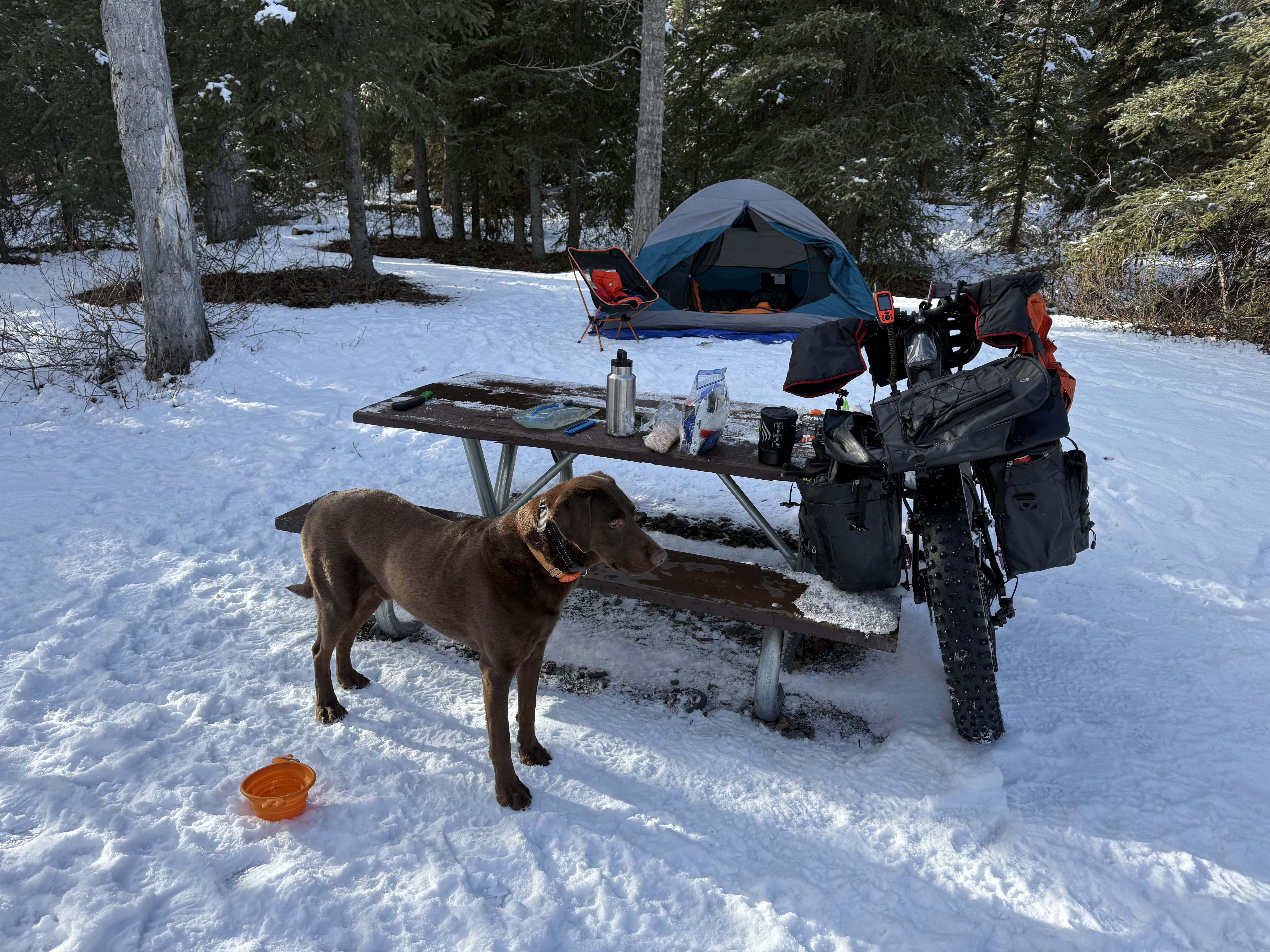
Now that my camp was all set up and organized, I could get to the project at hand, wood cutting. I had brought my little 6″ Ryobi battery operated saw with two batteries, and a hand saw for backup. Previous campers had done a good job cleaning up the deadfall around the campground, so it took me a while to find any dead or downed trees. I had to walk a little ways into the woods, but was able to find some dried cottonwood, spruce and birch to add to my collection.

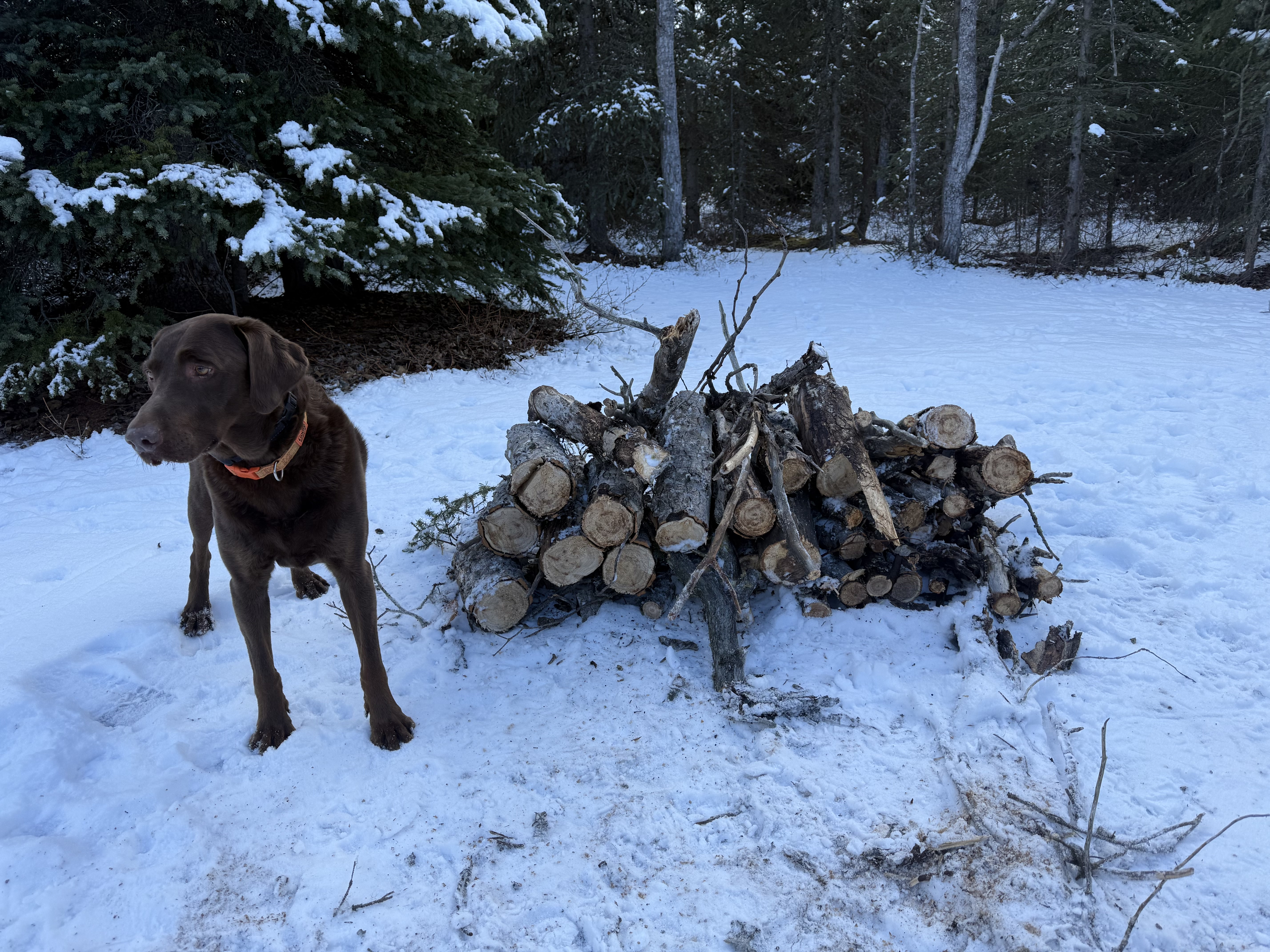
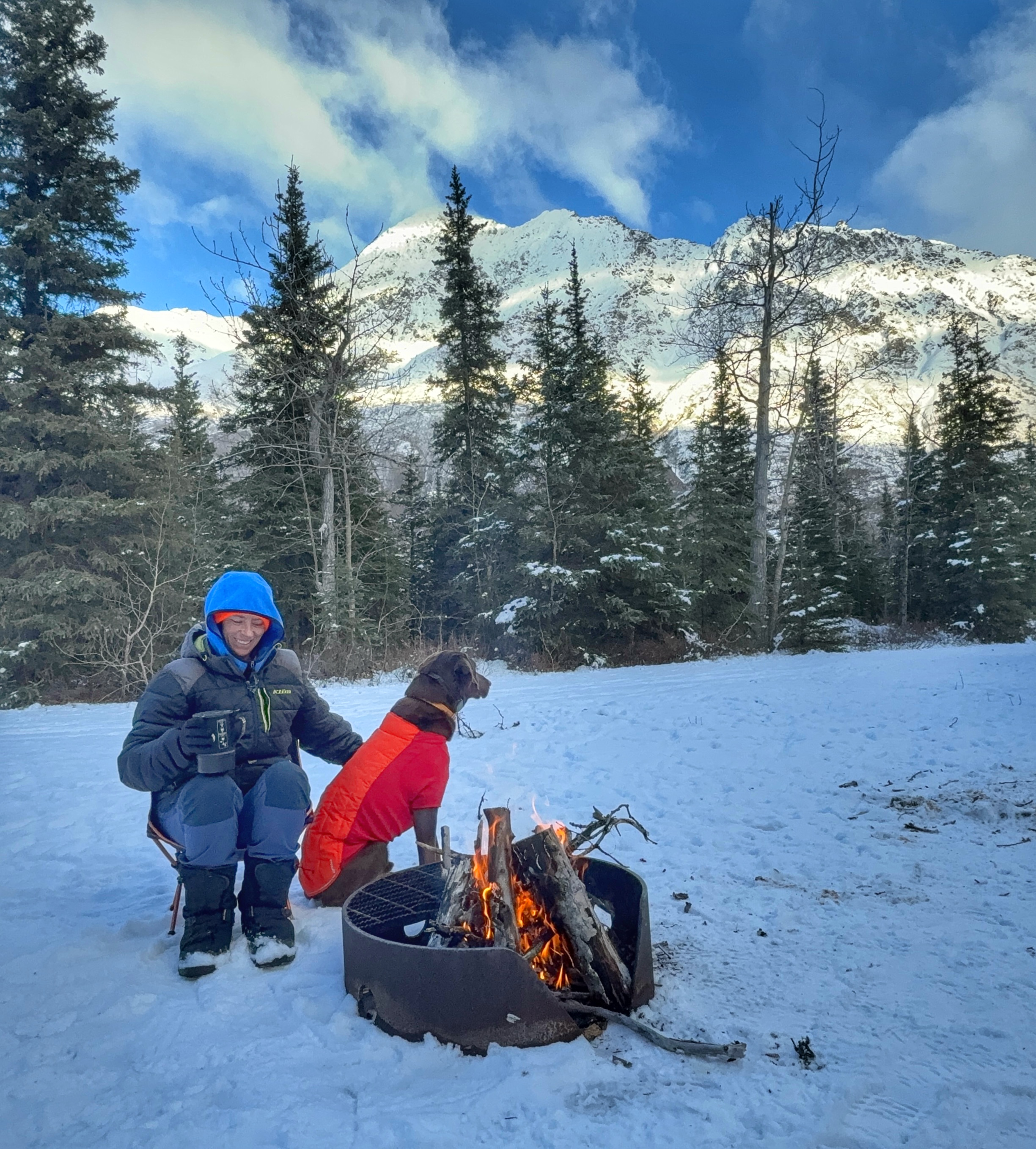
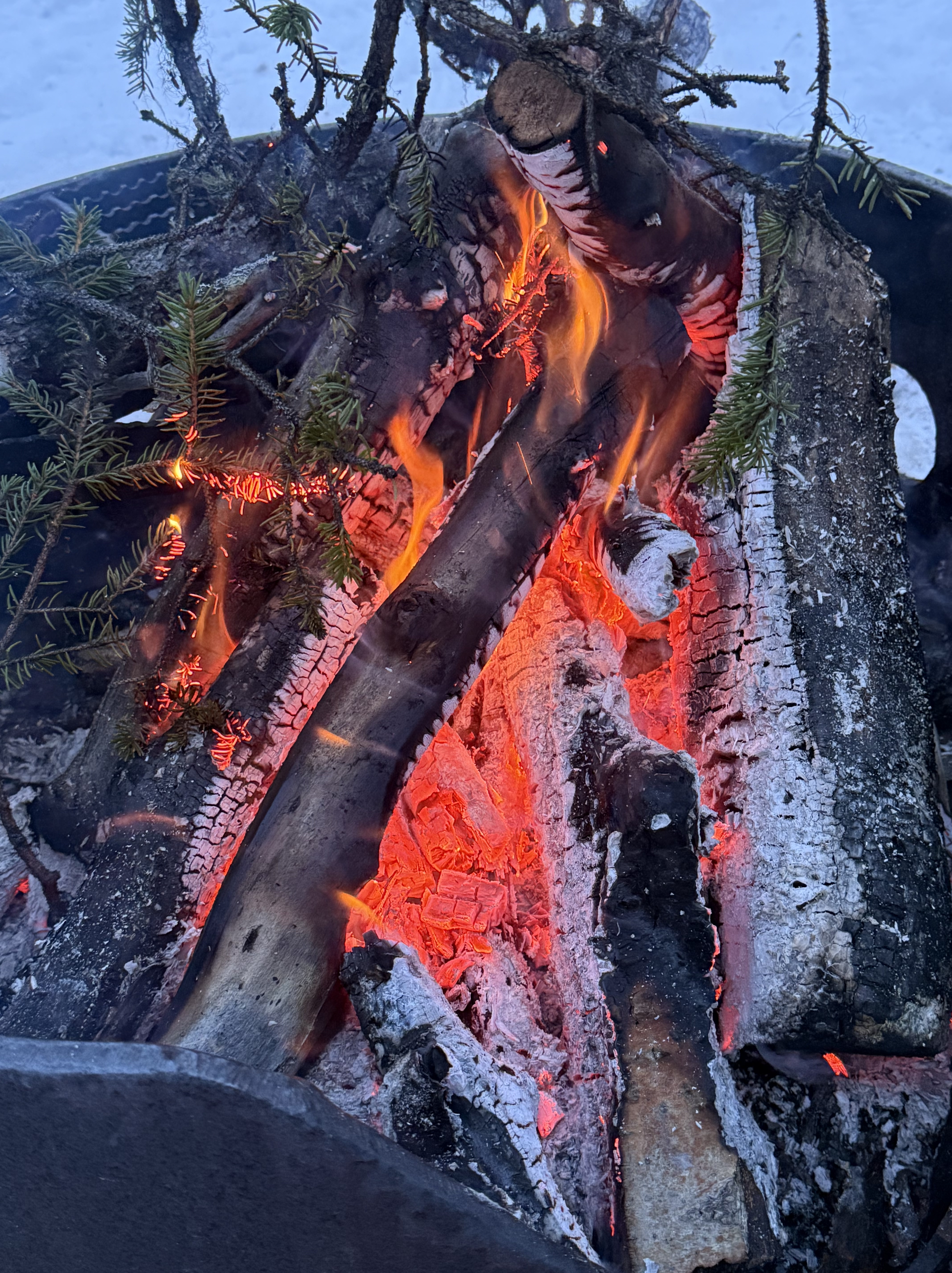
In a short hour, I had gone through both batteries and collected a large stack of wood, plenty to use some for a fire tonight and enough to stash for next trip. I got started with building a fire, quickly realizing I had forgotten to bring firestarter of any sort. The mini-Duraflame blocks being my go-to, I hadn’t even brought toilet paper, just wet wipes. Besides my book, I hadn’t brought any paper products at all, and I wasn’t going to burn The Great Gatsby, so I improvised.

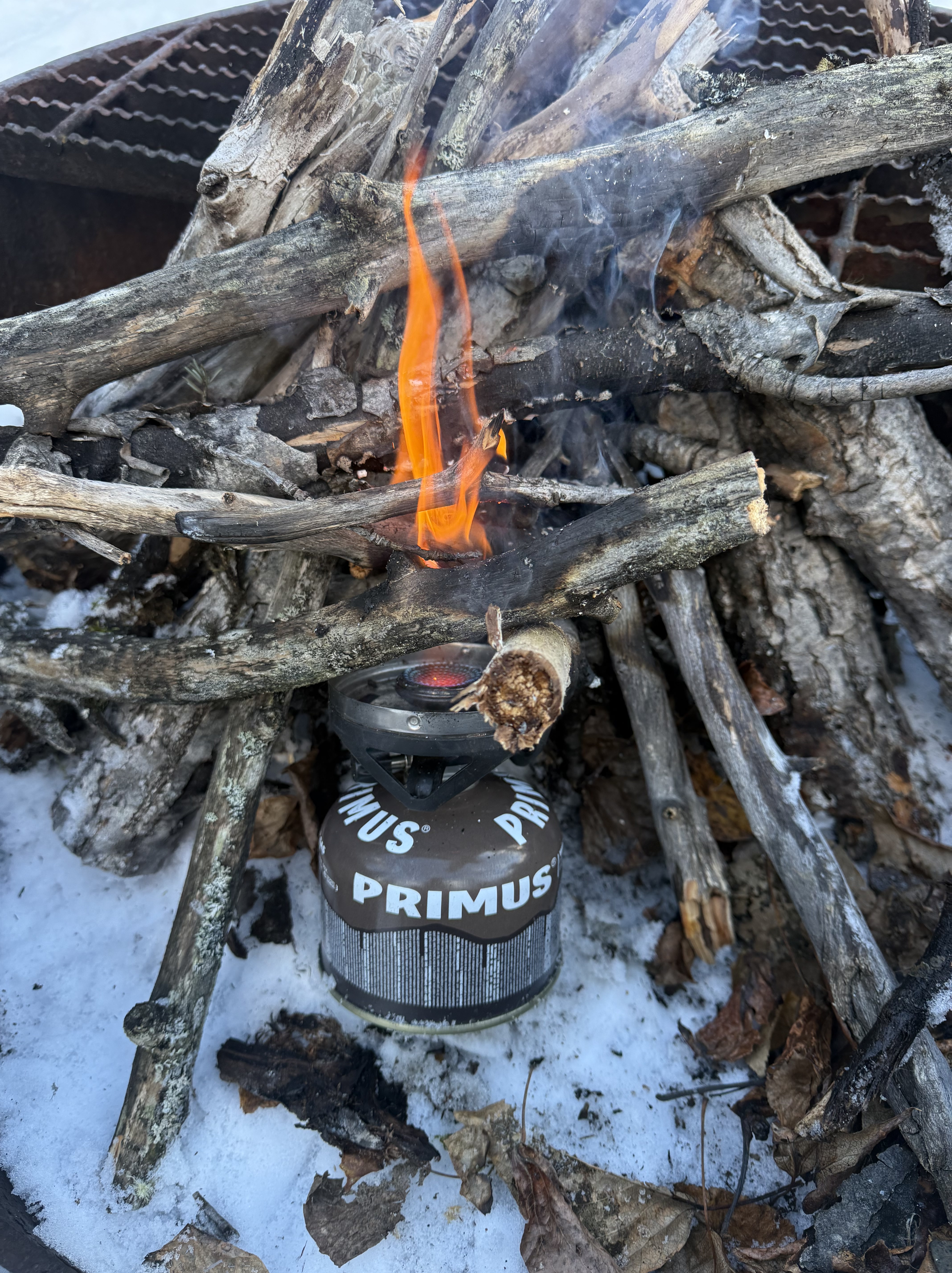
Lighting up my Jetboil Stove, I held it under the kindling until a small fire ignited and started to take off. I gingerly fed it larger and larger dry sticks, and soon I had the perfect campfire going. *I’m sure that Jetboil wouldn’t approve of my actions, so I won’t recommend it. Heating up the canister can result in an explosion, leading to severe injury or death. *

Then I swear I hear a wolf howl. I stopped dead in my tracks and listened. An owl hooted. Then another one hooted to my right. Maybe it wasn’t a wolf howling and I just misheard it. Or maybe it was a wolf howling and an owl hooting. The owls continued to call to each other throughout the evening, getting louder and closer to camp. I wondered if these two were calling to find mates. It was that time of the year for owls. Maybe I had witnessed a new relationship forming with my ears.
Although I had carried a liter of hot water in my thermos for me and a liter in my water bladder for Goose, I had also brought a large canister of winter iso-gas, plenty to melt snow for water. All snow is different and will melt at different rates. This light sugar snow took 32 minutes and 8 scoopfuls of snow to get 25 ounces of water to a rolling boil. I added it to my dehydrated Buffalo Mac & Cheese and started the process again for a cup of coffee.

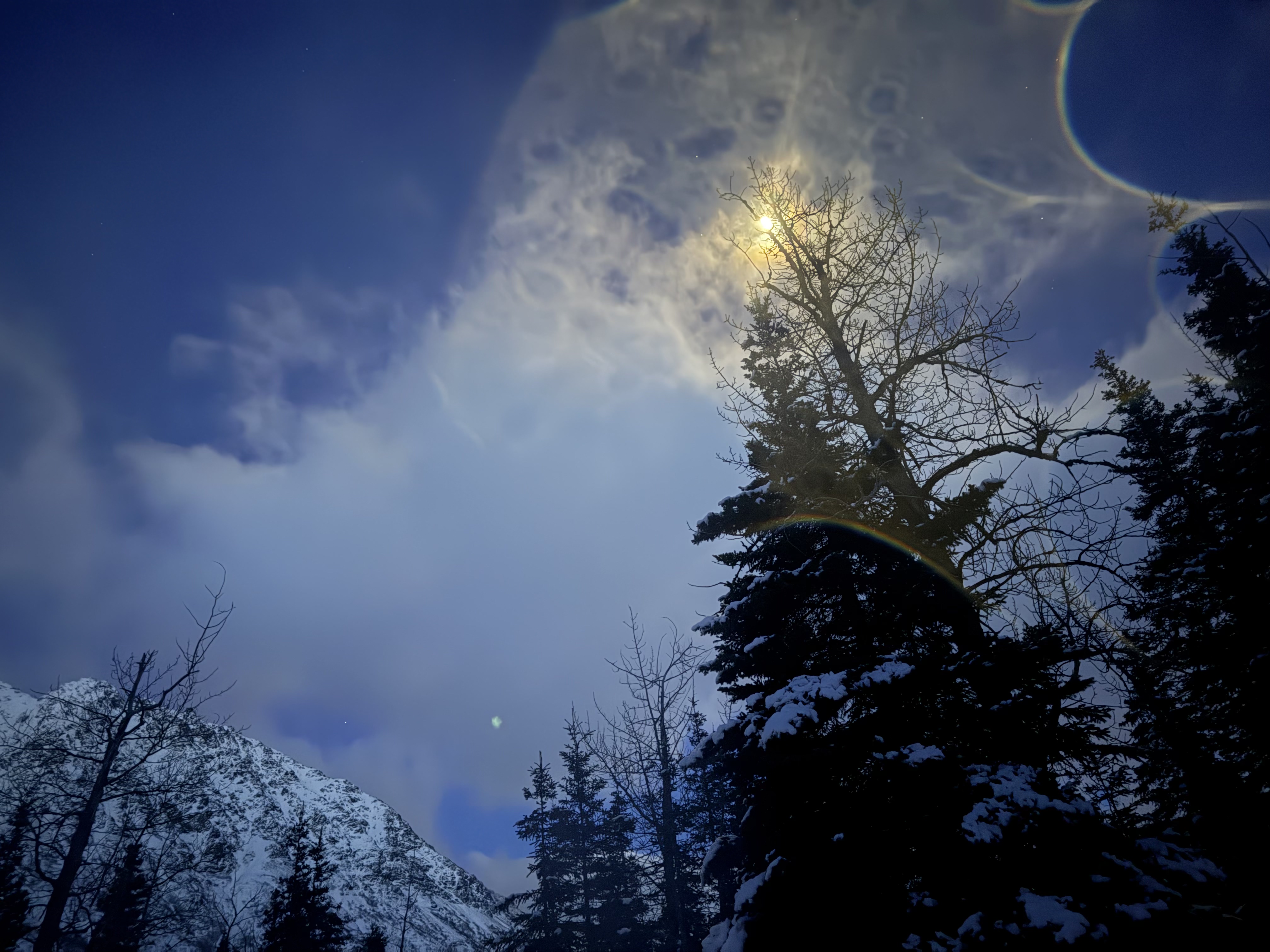
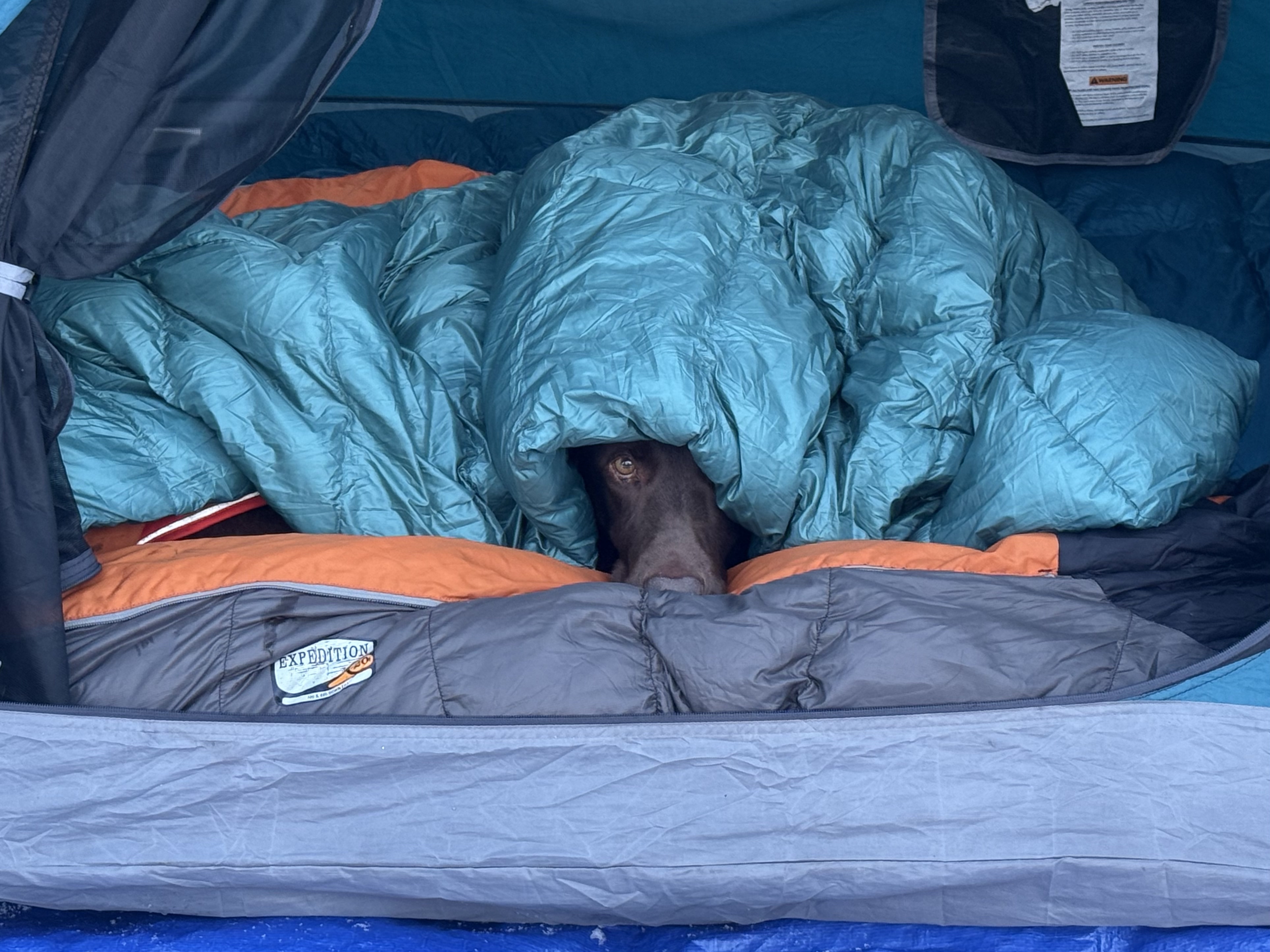
By 7pm both Goose and I were fed, Goose choosing to go to bed in the tent while I sat by the campfire, taking in the heat and the peace and quiet of being the only person for miles. The owls were still calling back and forth, now more clearly than ever. Mars and Jupiter were visible in the sky, Mars tucked up next to the bright, waxing gibbous moon.

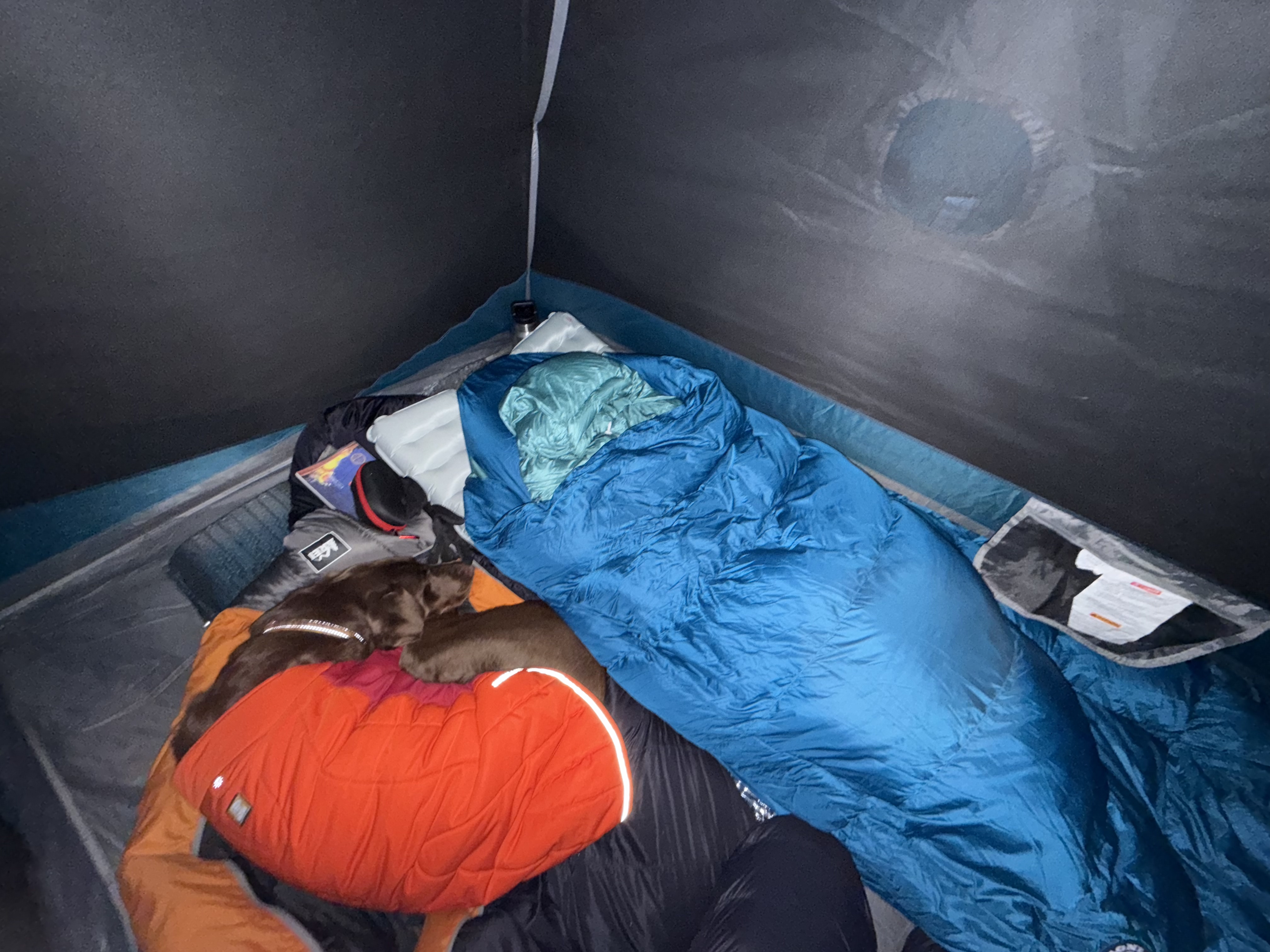
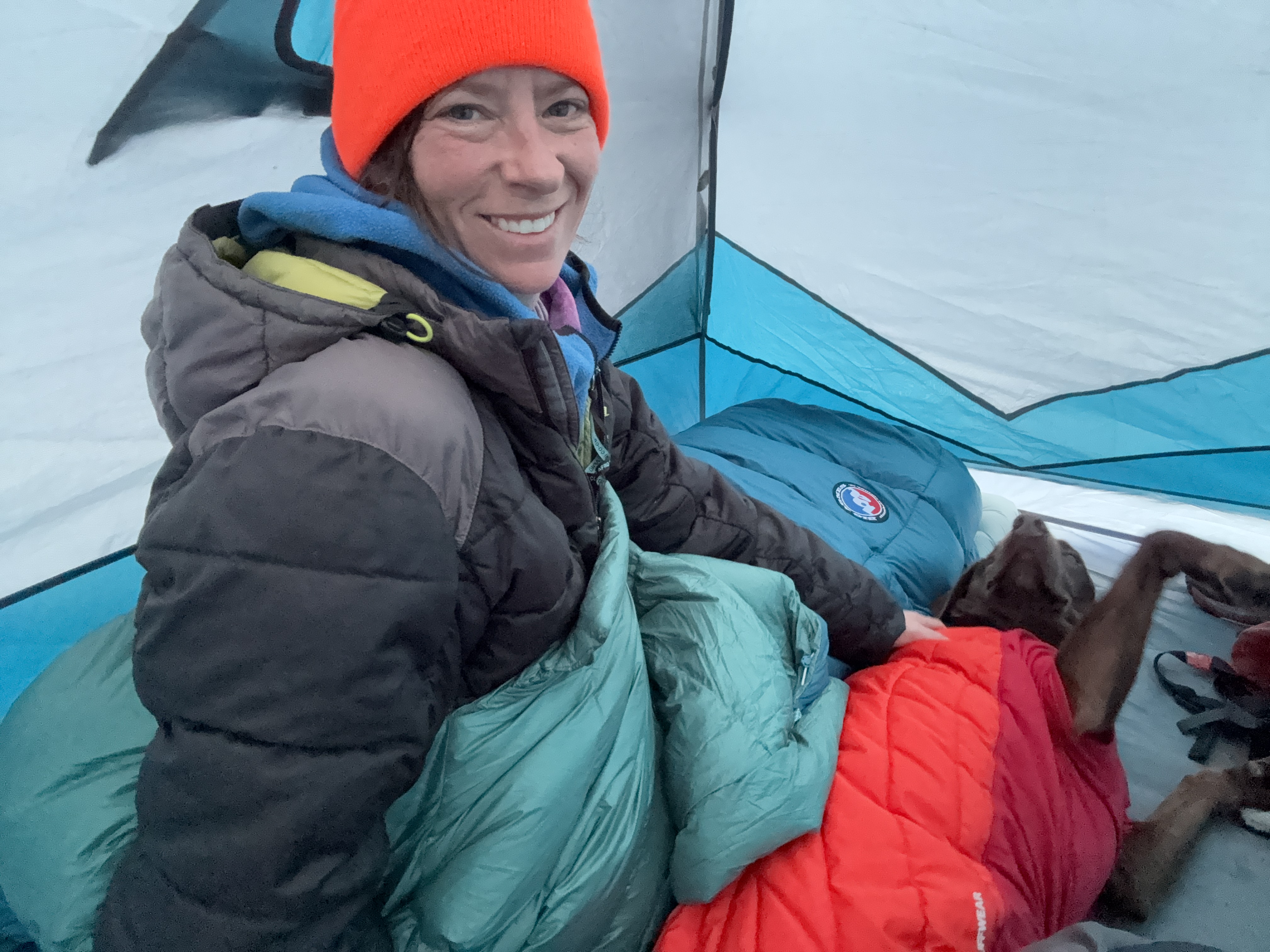
I joined Goose in bed at 830, excited to try my new Big Agnes Roxy Ann 3N1 sleeping bag. Although it is a 30-degree bag and the temperatures were going to be down in the low 20s and possibly teens, I wanted to test out its limits. I wore my jacket and down pants to bed and let Goose have my -20 bag. If I got too cold, I’d just swap with him. I read a page and a half of The Great Gatsby before falling into a deep sleep.
Day 2

Eklutna Alex Campground → Eklutna Lake Trailhead
8.8 miles

I opened my eyes at 5am, just like I do every morning, except it was 6. The time change had happened overnight and now the sun wouldn’t be rising until 830am. Ridiculous. I went out to use the bathroom and noticed it was pretty cold, I’d wager to say teens. The moisture that is usually in the air in the 20s wasn’t there. I was pleasantly surprised I had stayed warm enough while testing out this new 30-degree bag, although, to be fair, I did still have my huge puffy jacket and down pants on.

I crawled back into my bag and forced myself back to sleep until it was light. I woke up, again, and marveled at my new sleeping bag and pad combo, the bag not only warm enough, but also getting my approval because of the way it attaches to my sleeping pad, preventing me from rolling off of it in the night. The pillow holder was a bonus. No more searching for my pillow in the dark. My Nemo Tensor All-Season pad was a winner. I had used it in the Grand Canyon, but this was my first time using it outside in Alaska. With it’s 5.4 R-Value and lightweight, compact attributes, I had finally found my perfect sleep system.

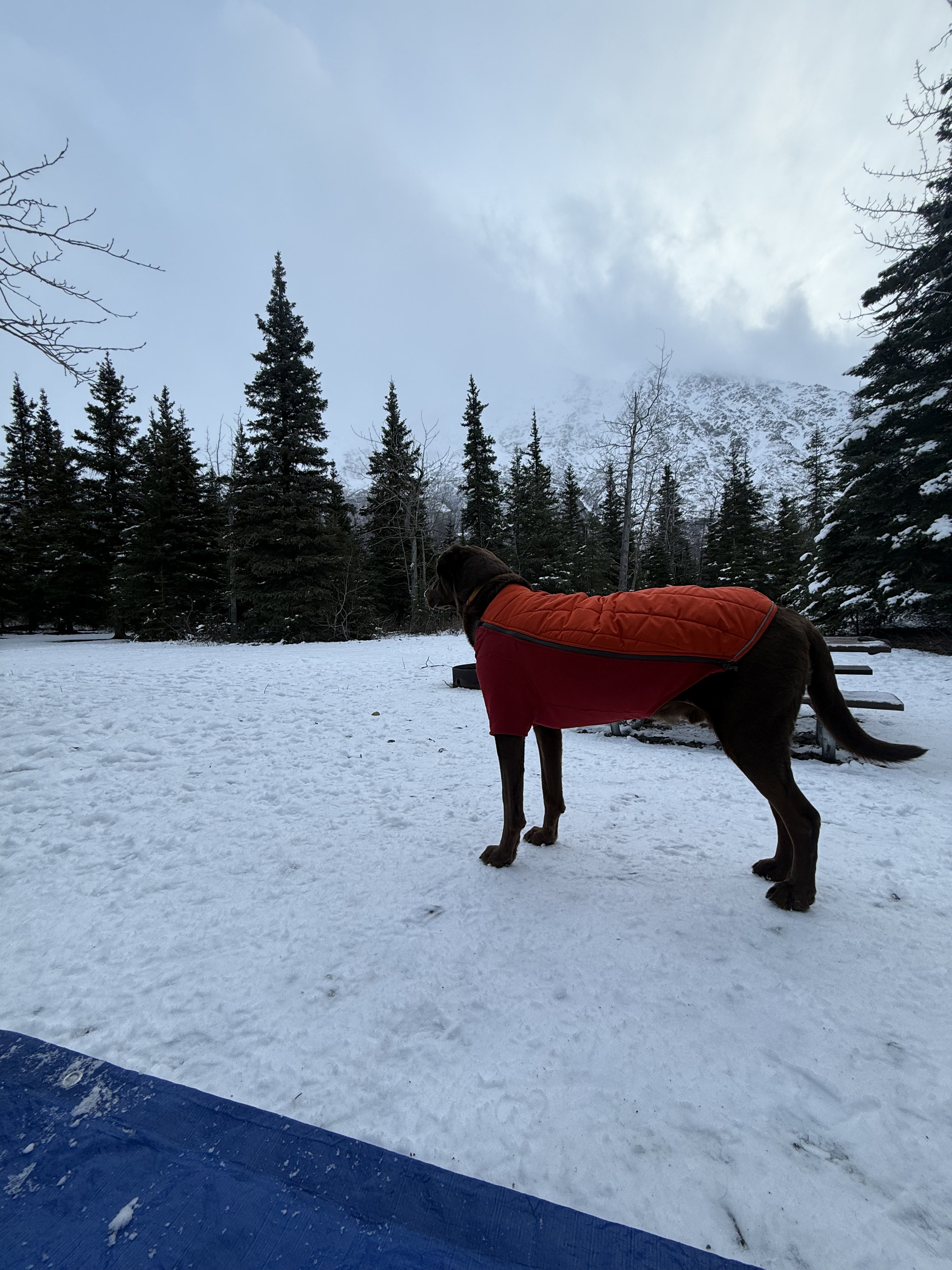
Once the sun came up, the temperature rose quickly, the sky clouded over enough to suggest snow was imminent. I finally exited my tent at 915, a very late start for me, but a well-deserved rest. I melted snow and made my breakfast and coffee, doing my typical go home day multi-tasking. It started to snow lightly.
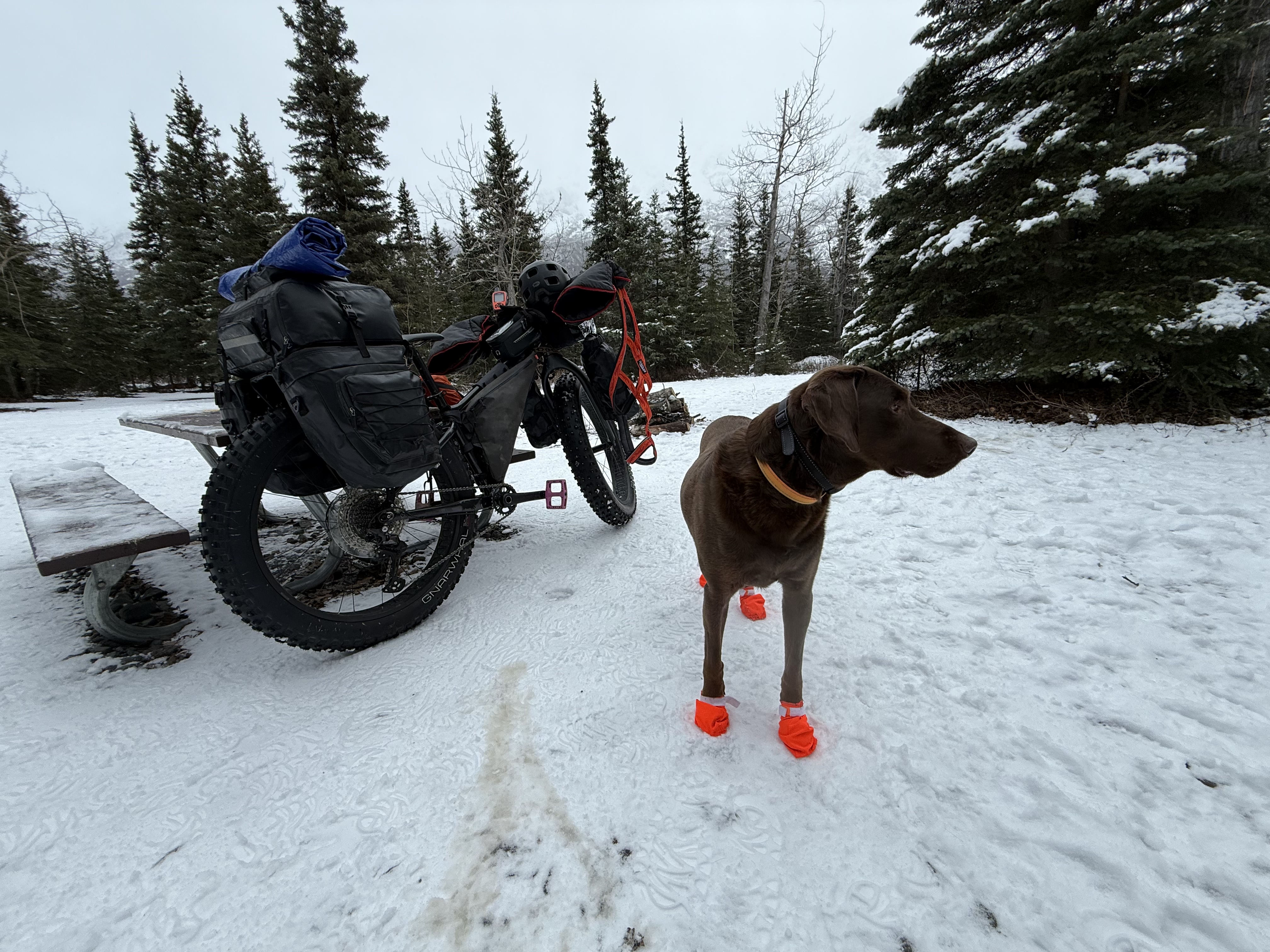
I was packed and ready to go by 1030, although I had one more job to do before I could leave. I needed to find a spot to stash this leftover firewood. It would be enough for one night and I could add to it next time. It took me a little while to find the perfect spot, but three huge armfuls later I had hidden the wood as best as I could, hoping it would be there when I got back. Some of my wood from the year prior was still stashed in a different location. I figured it was unlikely someone would find both stacks.

I mounted my bike and winced at the pressure on my poor, bruised crotch bones, though it didn’t take long to get back into the swing of things, soon forgetting about any discomfort. I rode past the wolf tracks, past Bold Airstrip turnoff, past the footbridge and out onto the ledge next to the trail. I looked back towards the head of the Eklutna Valley, never tiring of the view. Though the clouds were still thick and ominous, consuming the mountains and glacier, I was moving out of the snow and clouds the closer I got to the trailhead.
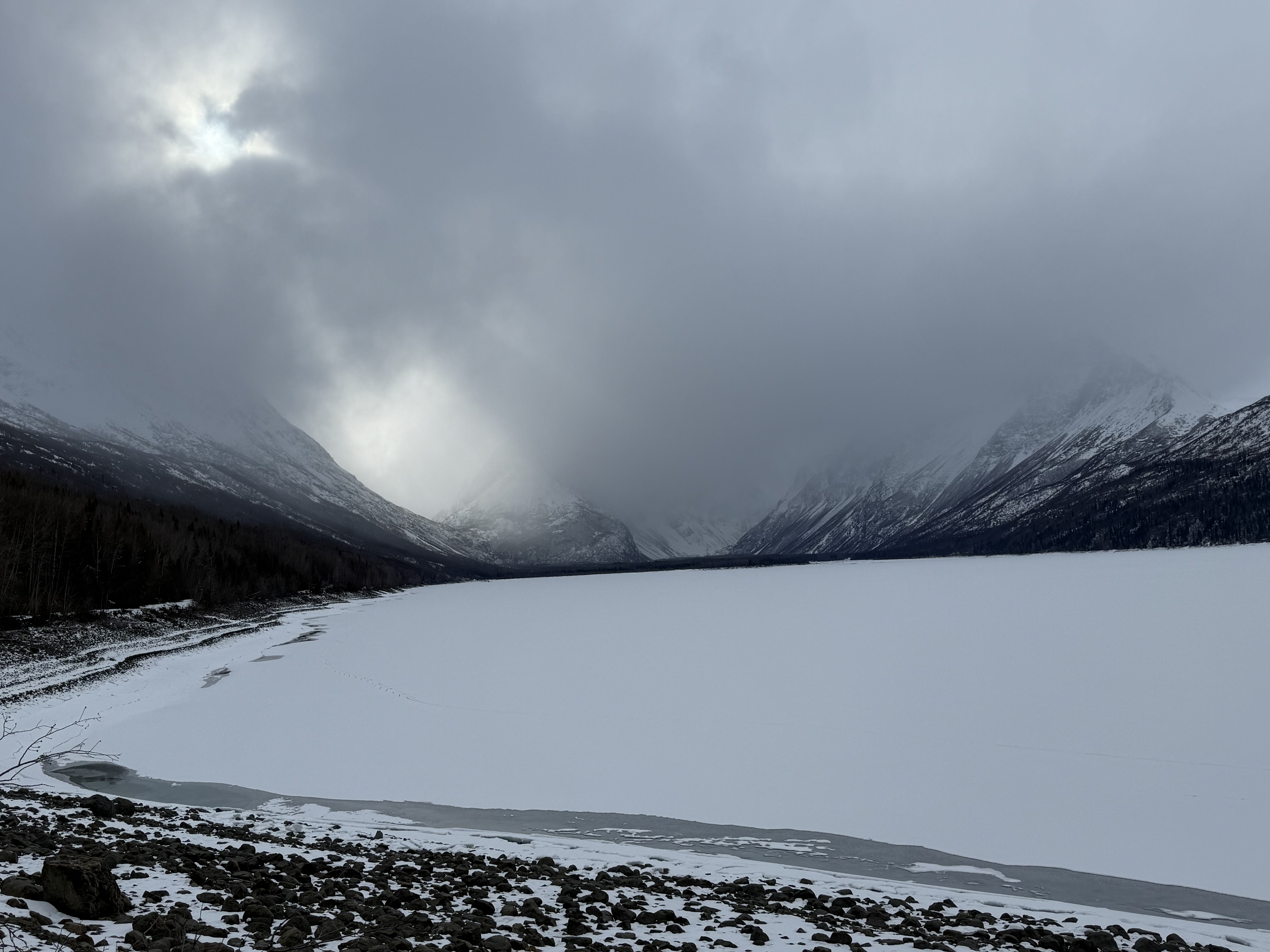
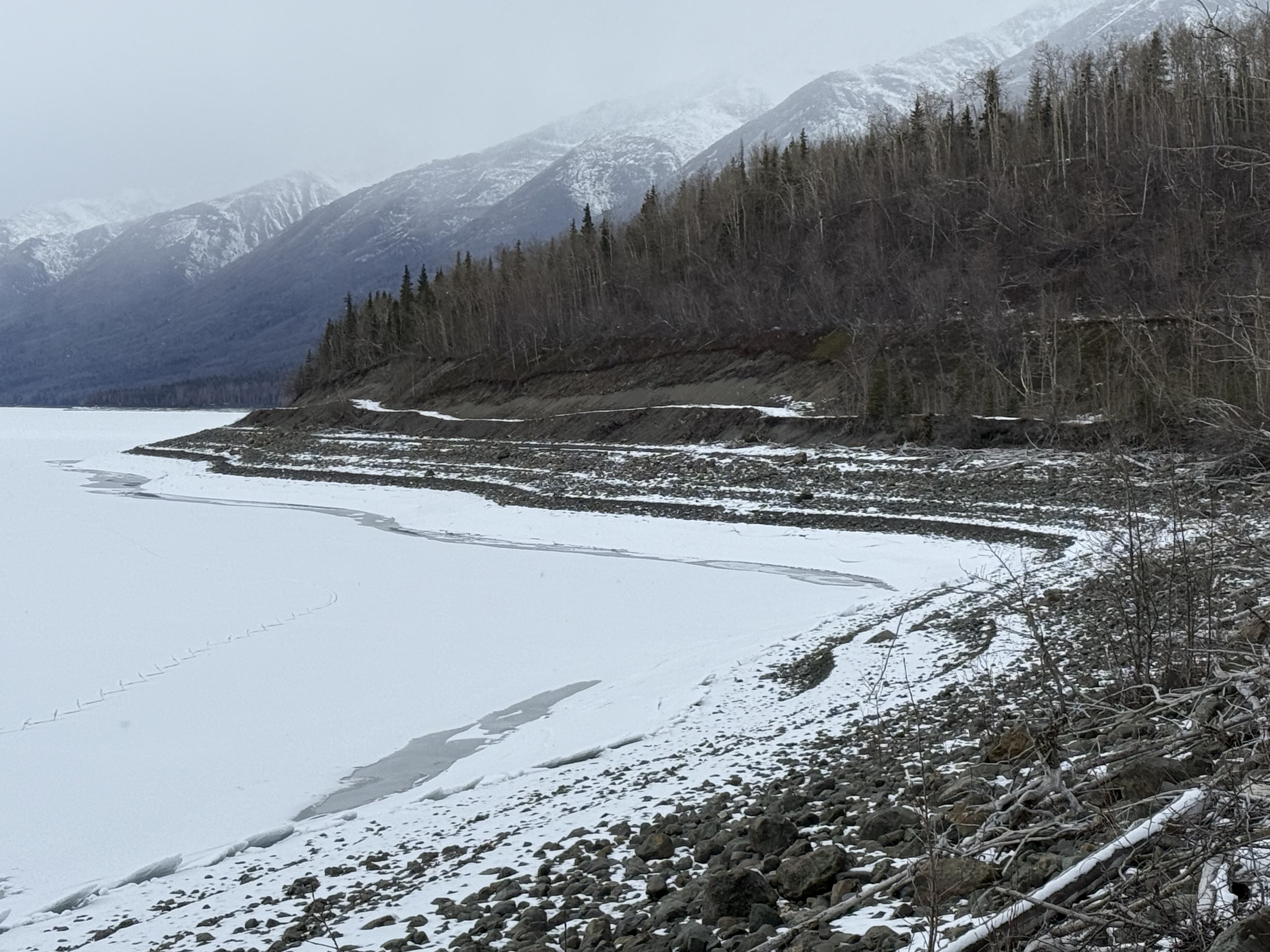
An uneventful and relaxing ride back, I made good time, reaching the parking lot and loaded up by 1pm. As I drove down Eklutna Lake Road, I kept my phone on airplane mode and hung onto the silence that had made me sane again.
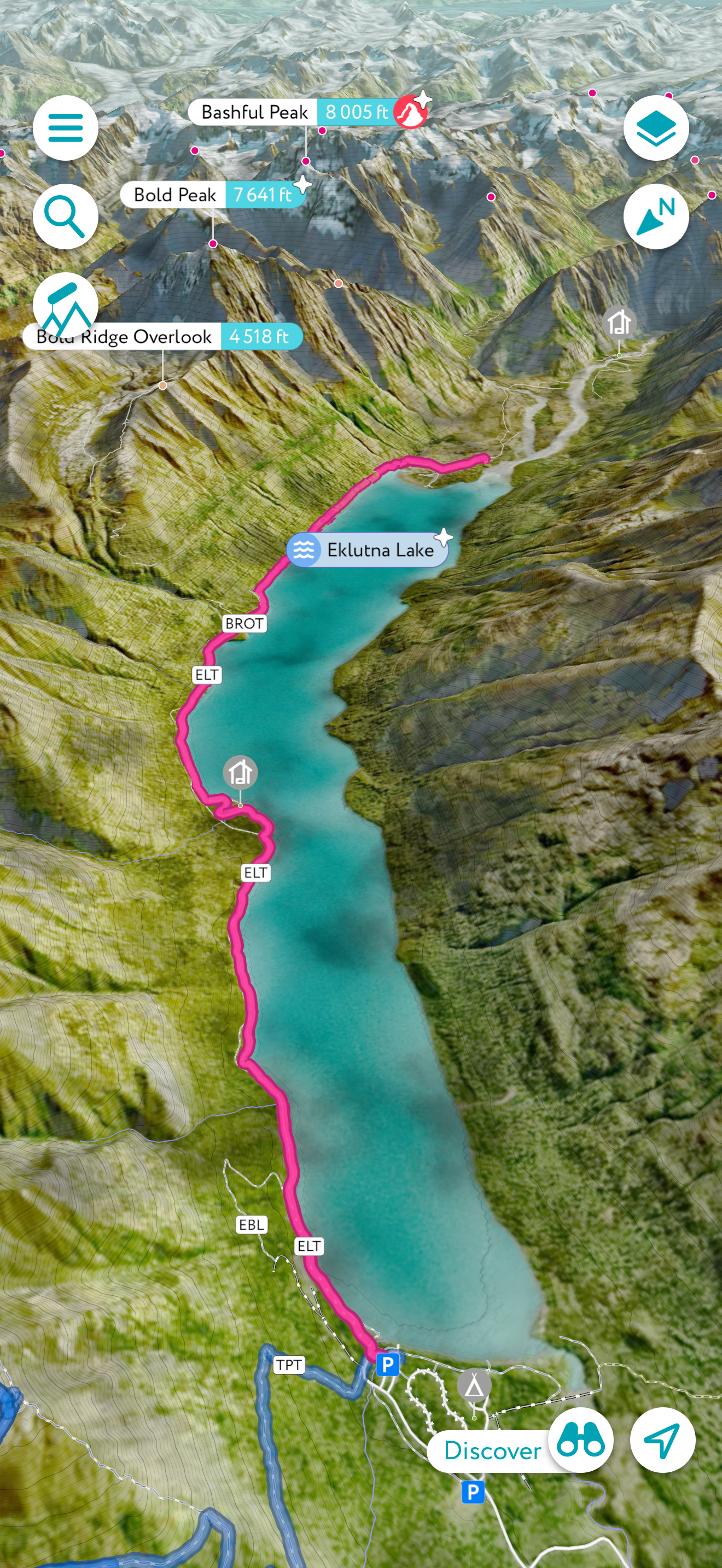
Flyover Video of Eklutna Alex Bikepacking Trip

Just The Tips:

  1. Always carry some form of protection in the Alaska backcountry, even in the winter. Although bears are not often an issue during the winter months, moose and other wildlife can pose a threat in the right circumstances.
  2. Remember that bear spray will freeze in cold temperatures and may become ineffective. I carry a small can of jogger fogger that will fit in my pocket to stay warm, and it has saved me from an aggressive moose. Firearms are permitted to be carried in this area. Refer to the hunting regulations manual for more information on harvesting in this area.
  3. The Eklutna Lakeside Trail is shared motorized/non-motorized. Although there is a foot/bike only path closer to the lakeshore, the trail merges and shares the motorized trail intermittently. Once past mile 7.5, all traffic follows the same trail. Snowmachines are permitted once there is deemed to be adequate snow coverage (like this winter, sometimes there is not enough, and it doesn’t open at all for sleds). Four wheelers are only permitted Sunday-Wednesday, April 1 – November 30. A sign at the beginning of Eklutna Lake Road is updated with the status of the motorized trails.
  4. Use the Bear Bins! Do not leave any food or odiferous items in your tent or unattended in camp, including your cooking stove, cups, cutlery, toothpaste, deodorant, etc. Alaska State Parks provides shared bear lockers at all three Eklutna Campgrounds: Eklutna Alex, Kanchee and Bold Airstrip.
  5. These campgrounds are rarely used, although they are becoming more popular on holiday weekends. The only permit necessary is a daily or annual parking pass for State of AK Parks.
  6. Leave No Trace! Please pack out what you pack in. And maybe spend 10 minutes walking around looking for micro trash that others may have missed.
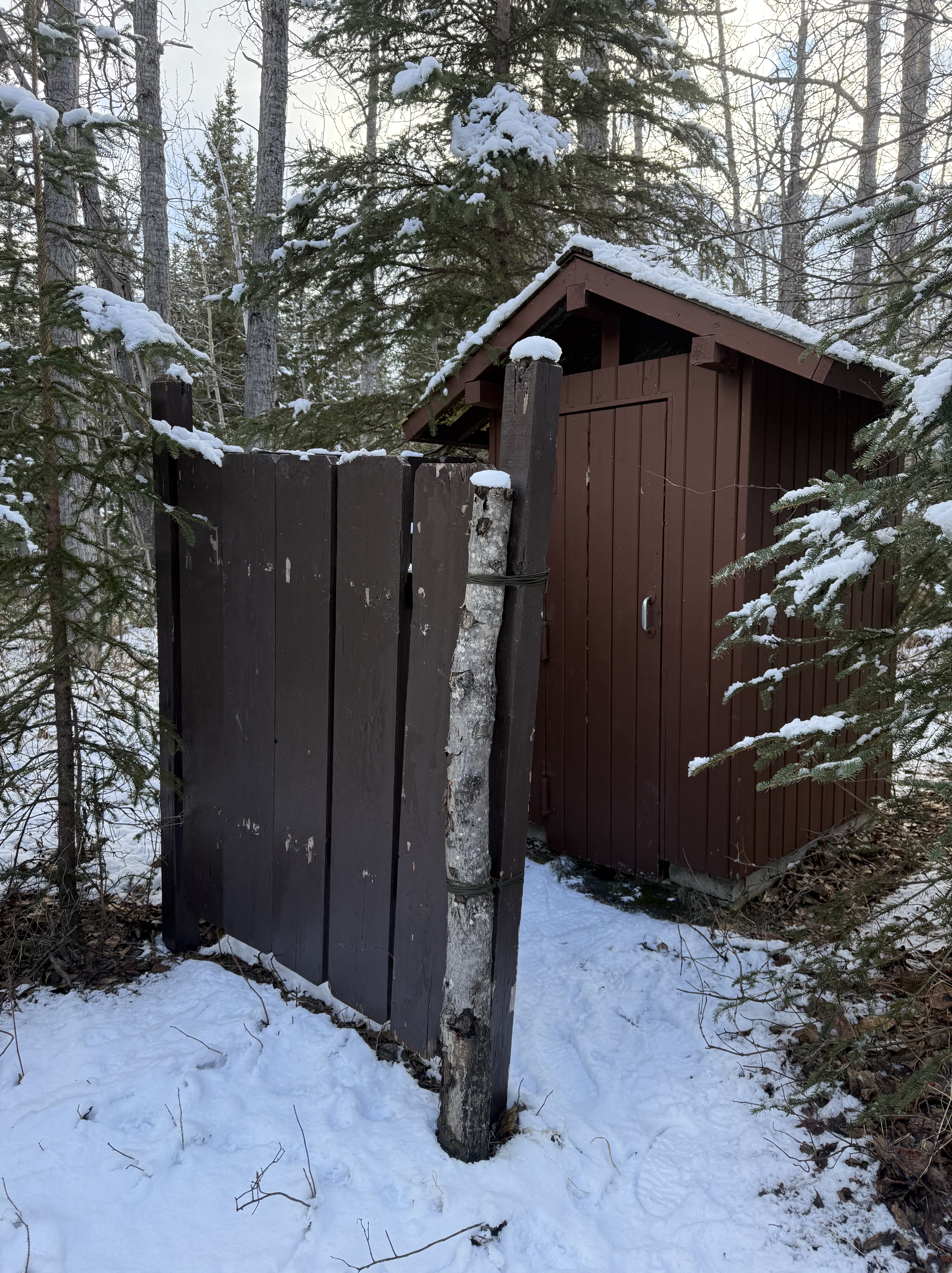
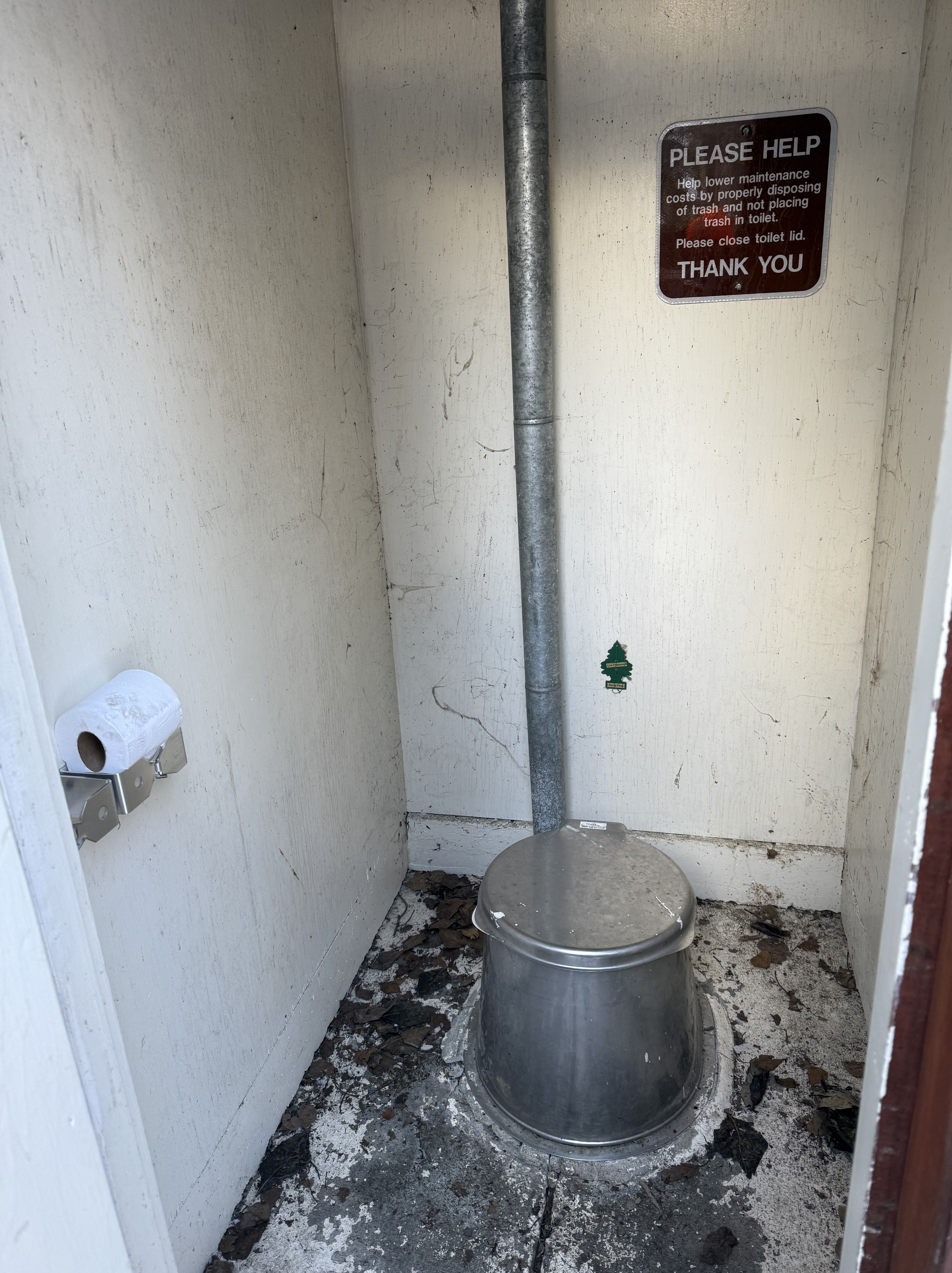
  7. Bring toilet paper. Although there are outhouses at Eklutna Alex and Kanchee (not sure about at the airstrip), there is rarely any adequate quantity of toilet paper, either because of use of the squirrels and mice. Better safe than sorry to bring your own roll.
  8. Do Not attempt to travel out to the toe of the Eklutna Glacier without knowledge of glacier travel, or, at minimum, a helmet and an awareness of rockfall. As stated in the trip report, I had a close call myself with a large snow/landslide. Rockfall is common in the narrows leading to the toe of the glacier.

Eklutna Lakeside Trail AllTrails Link:

u003cbru003e

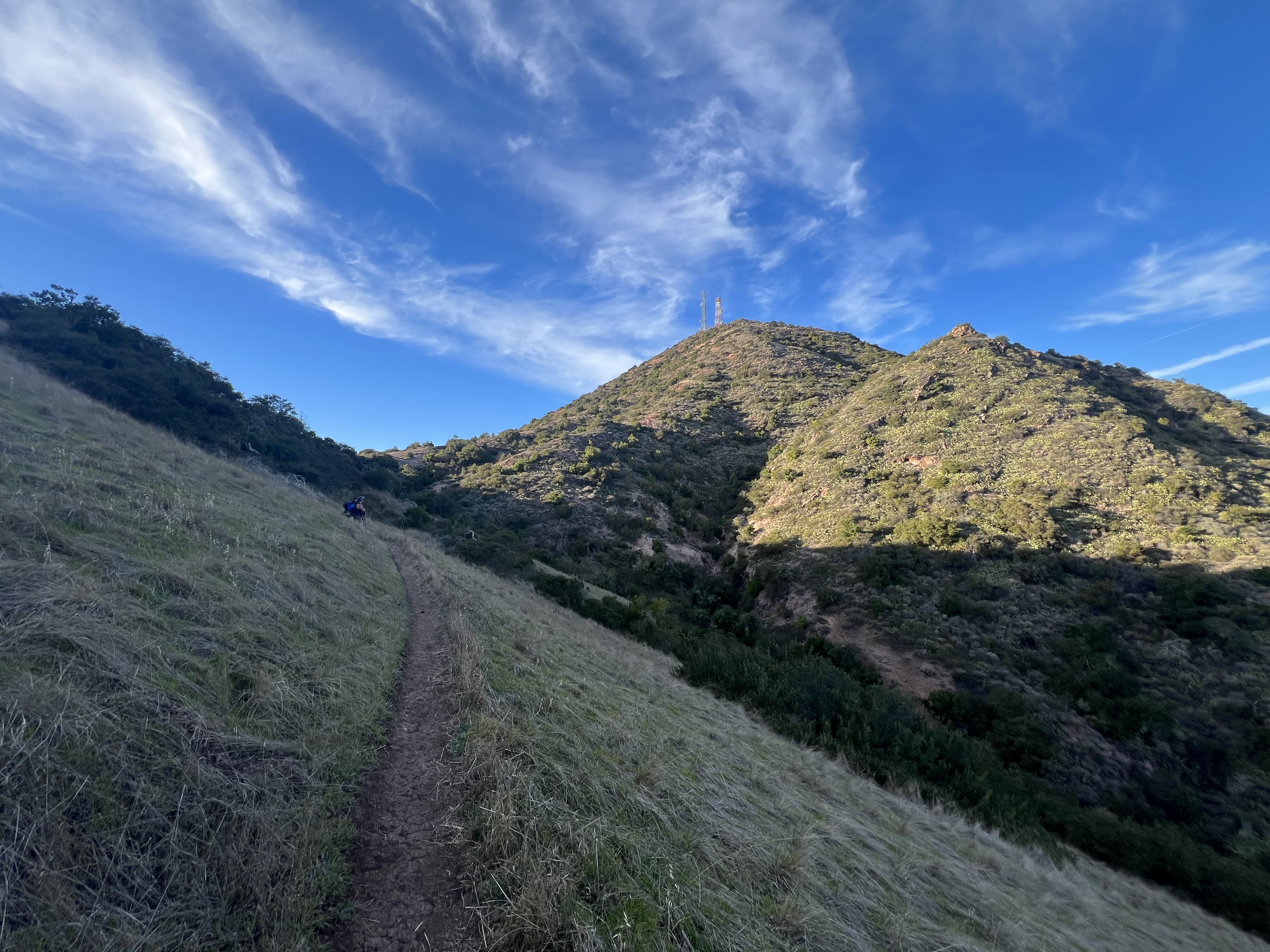
Where the Clouds Parted: A Knoya, Kanchee and Nunaka Ridge Walk

May 31, 2025 Knoya: 4600′ – FR #17 Kanchee: 4393′ – FR #20 Nunaka point: 3780′ Mileage: ~14 Miles Elevation Gain: ~5000′ The summer wasn’t summering, and I was suffering from a bout of springtime depression that only sunshine and warm weather could cure. I dragged myself to the Klutina Trailhead to meet Jason. We…

Chasing the Wind: A Long-Awaited Victory on Peak 1216 and Ship Creek Hill

April 26, 2025 Peak 1216 AKA 3990: 3990′ Ship Creek Hill: 3842′ (chugach Front Range Peak #24) Mileage: 15 Miles Elevation Gain: 5,700′ The majority of the Southcentral Alaska winter of 2024-25 was uncharacteristically warm and relatively snow free, but here we were in April, with record breaking snowfall around Anchorage. The ridges and peaks…
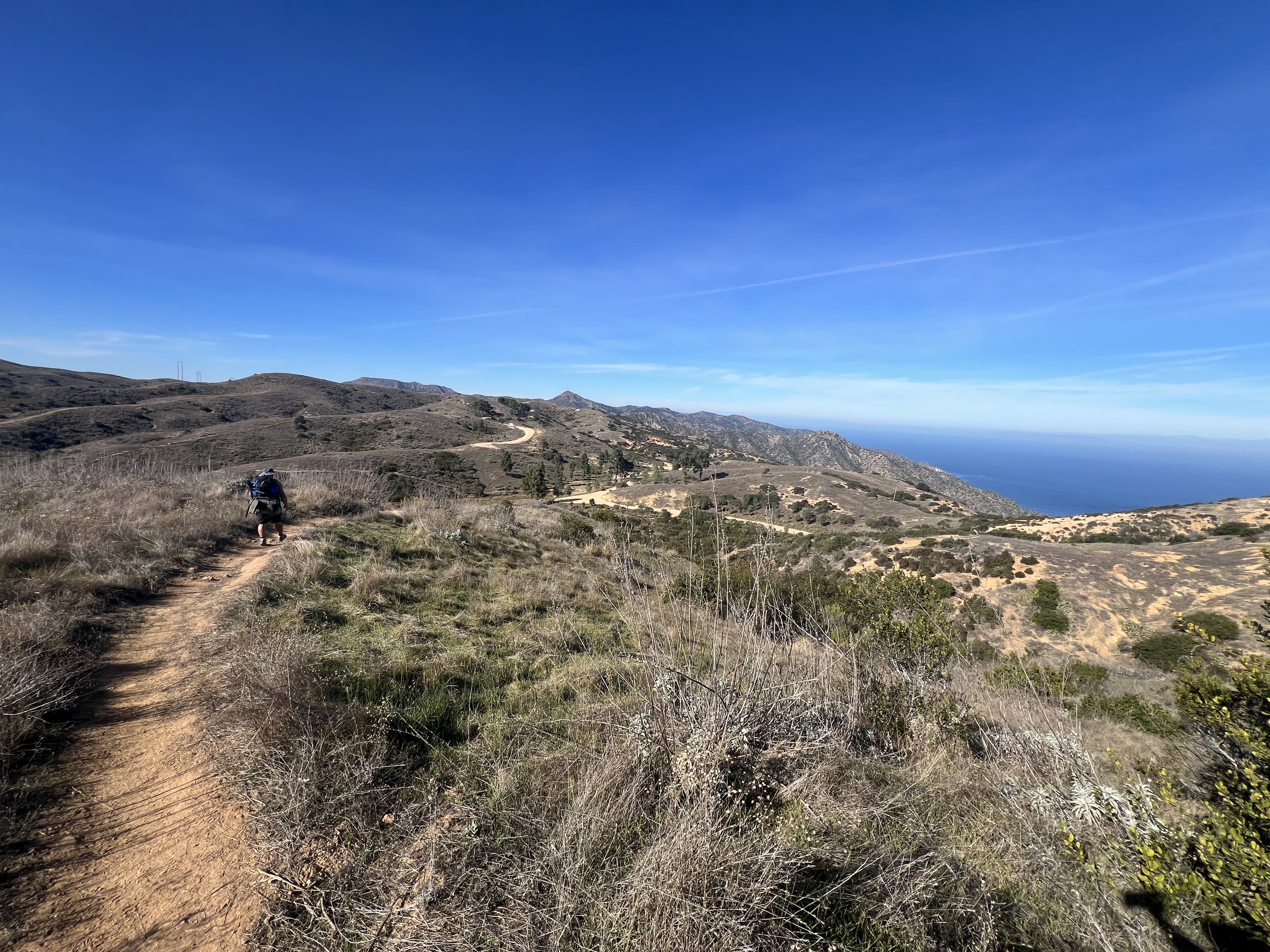
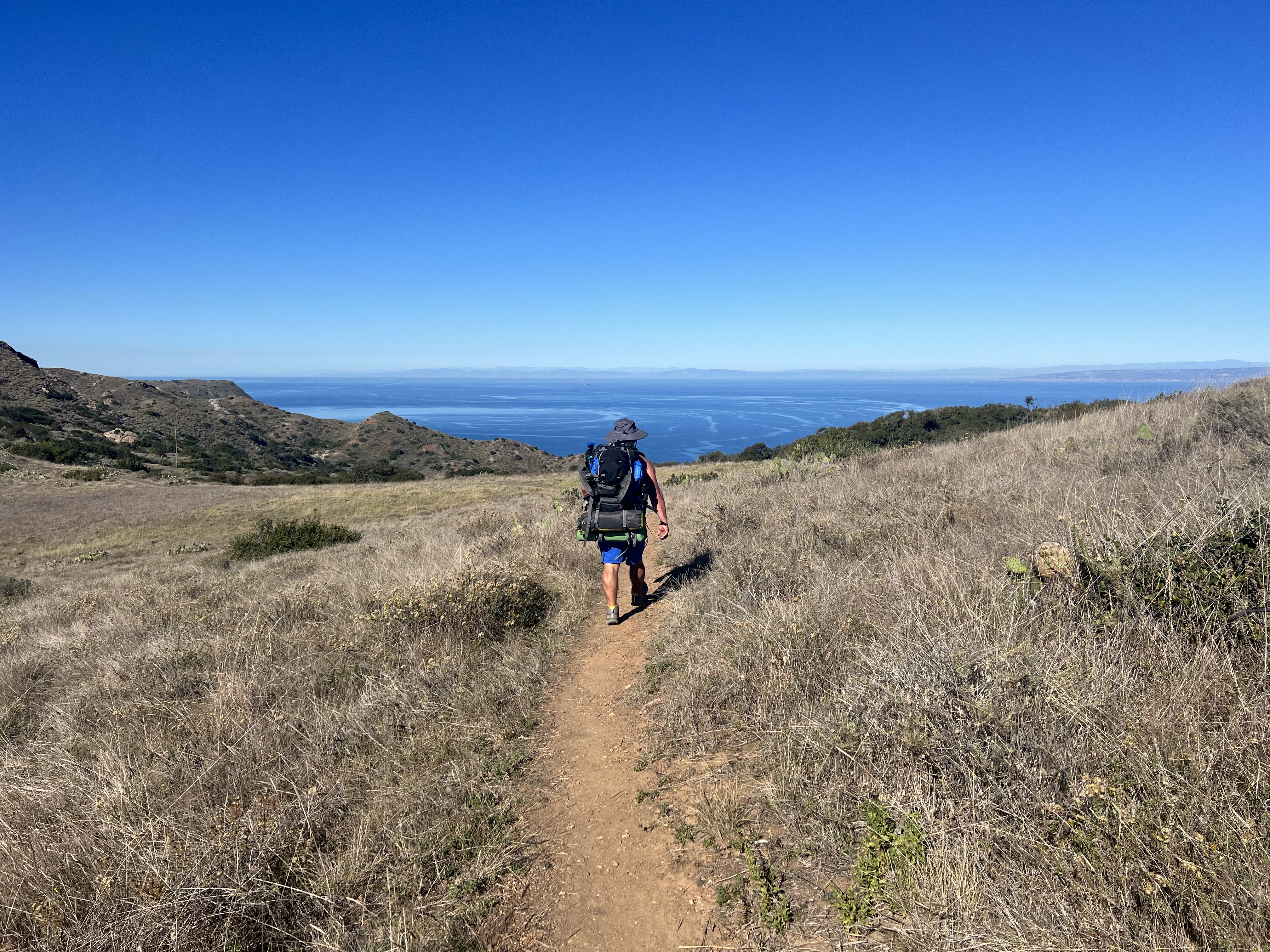
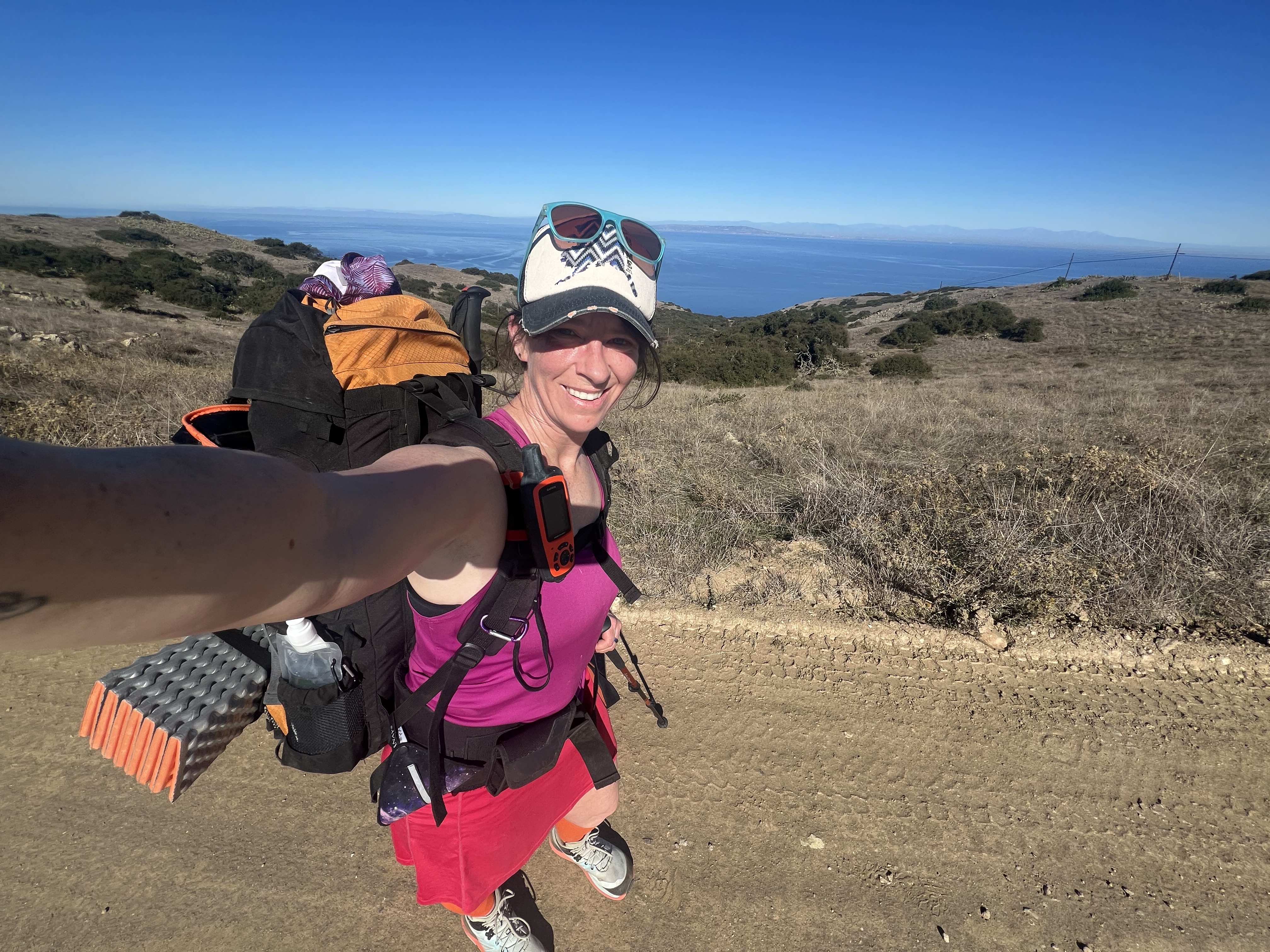
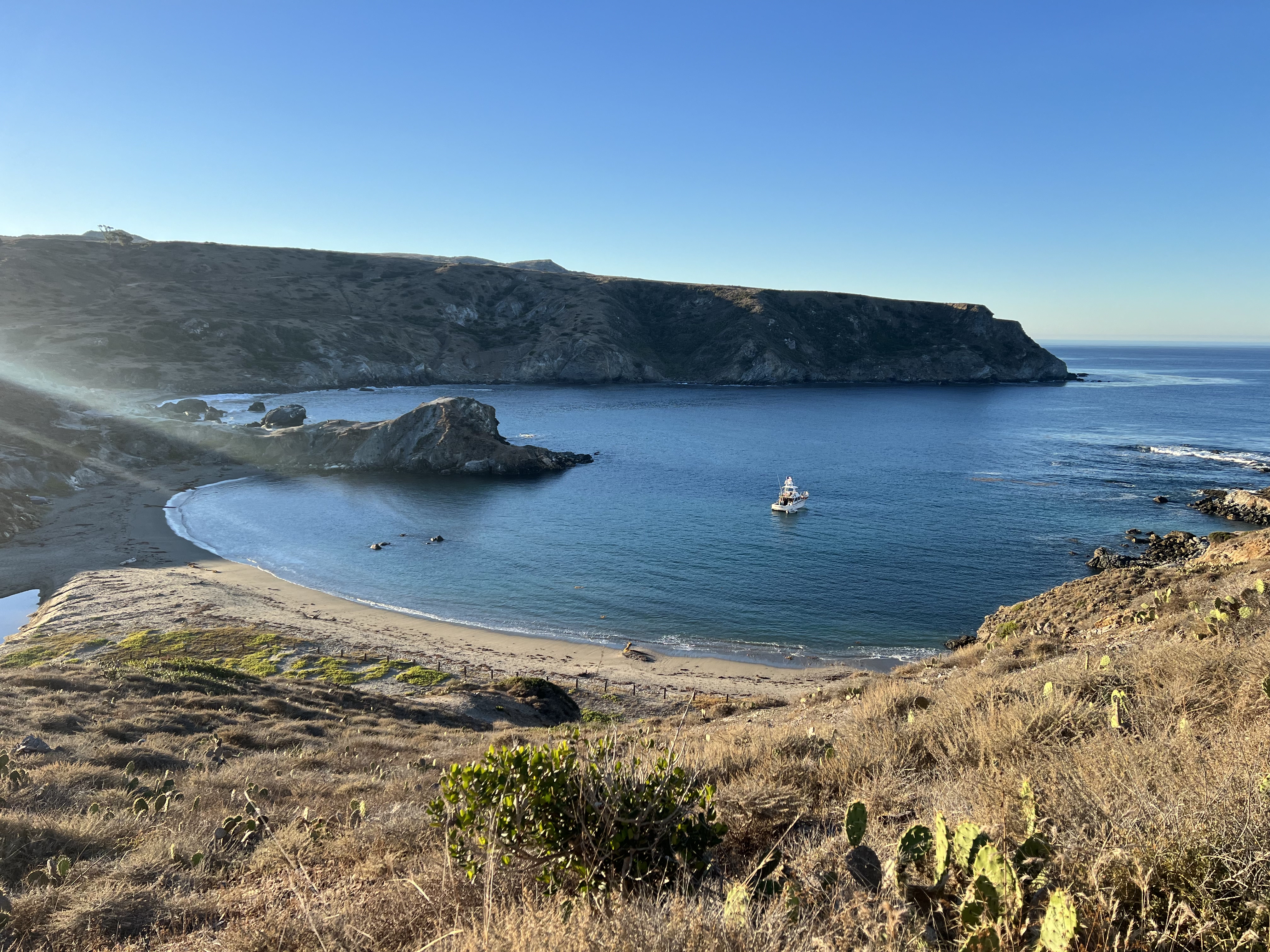
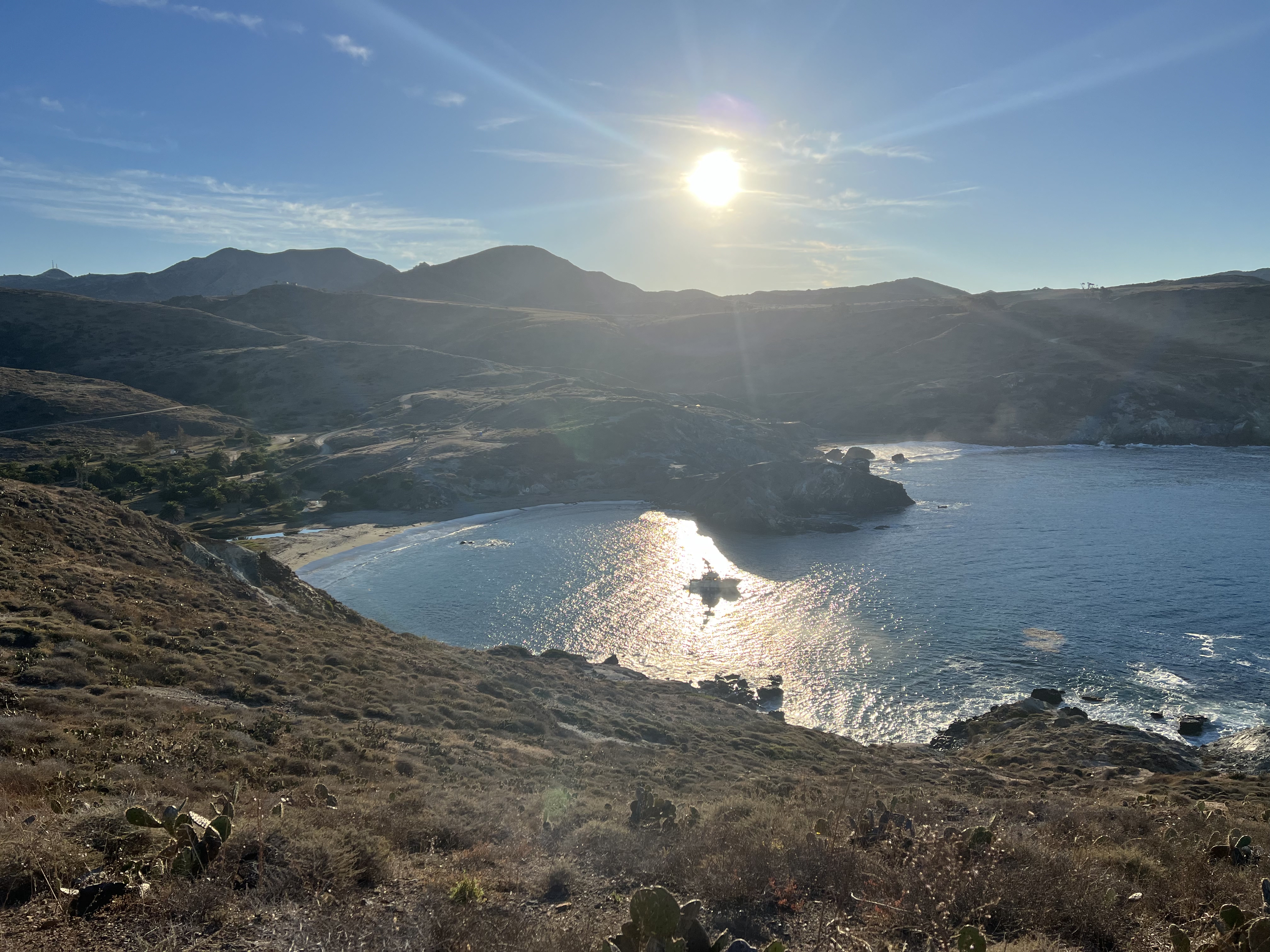
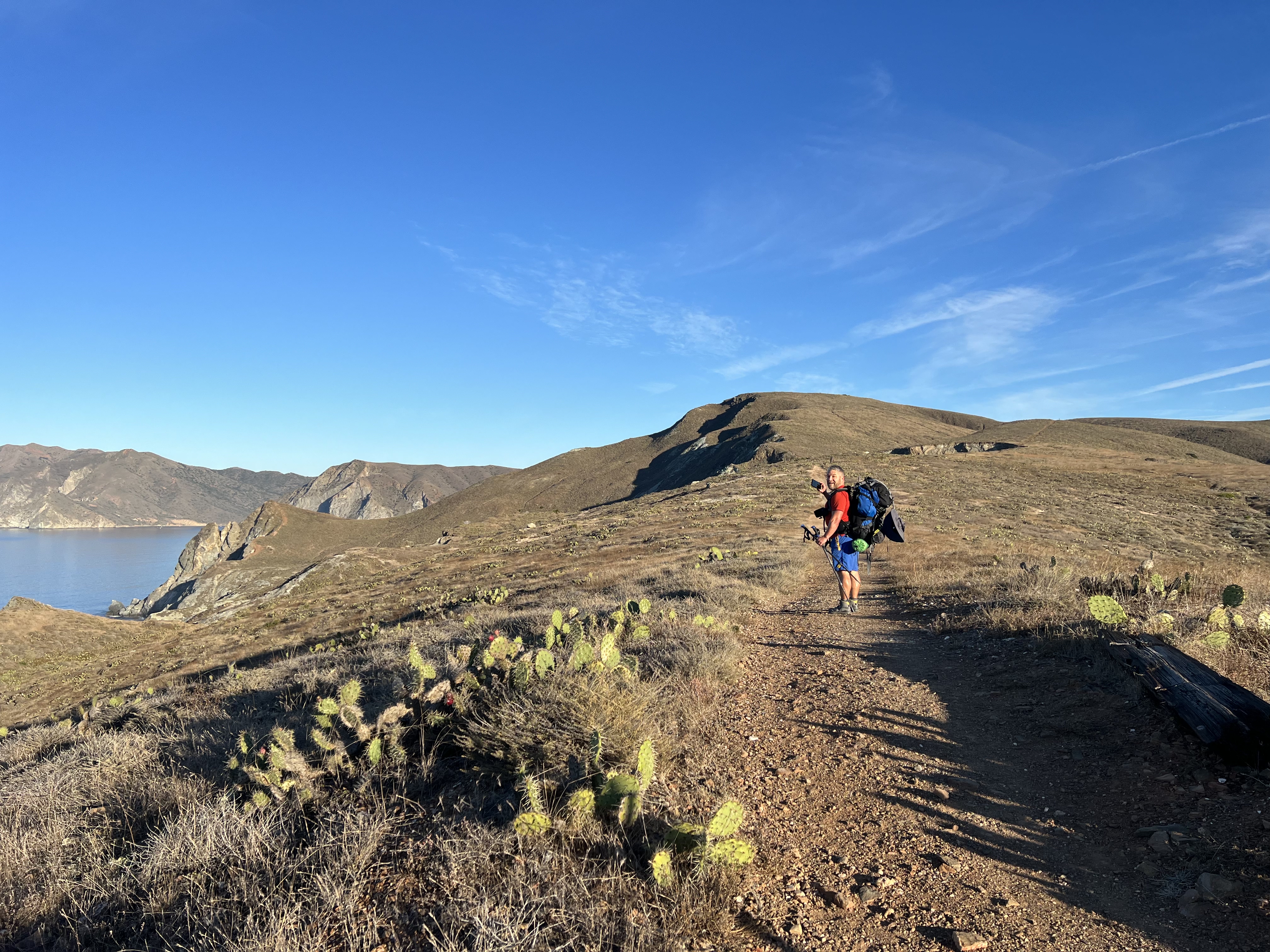
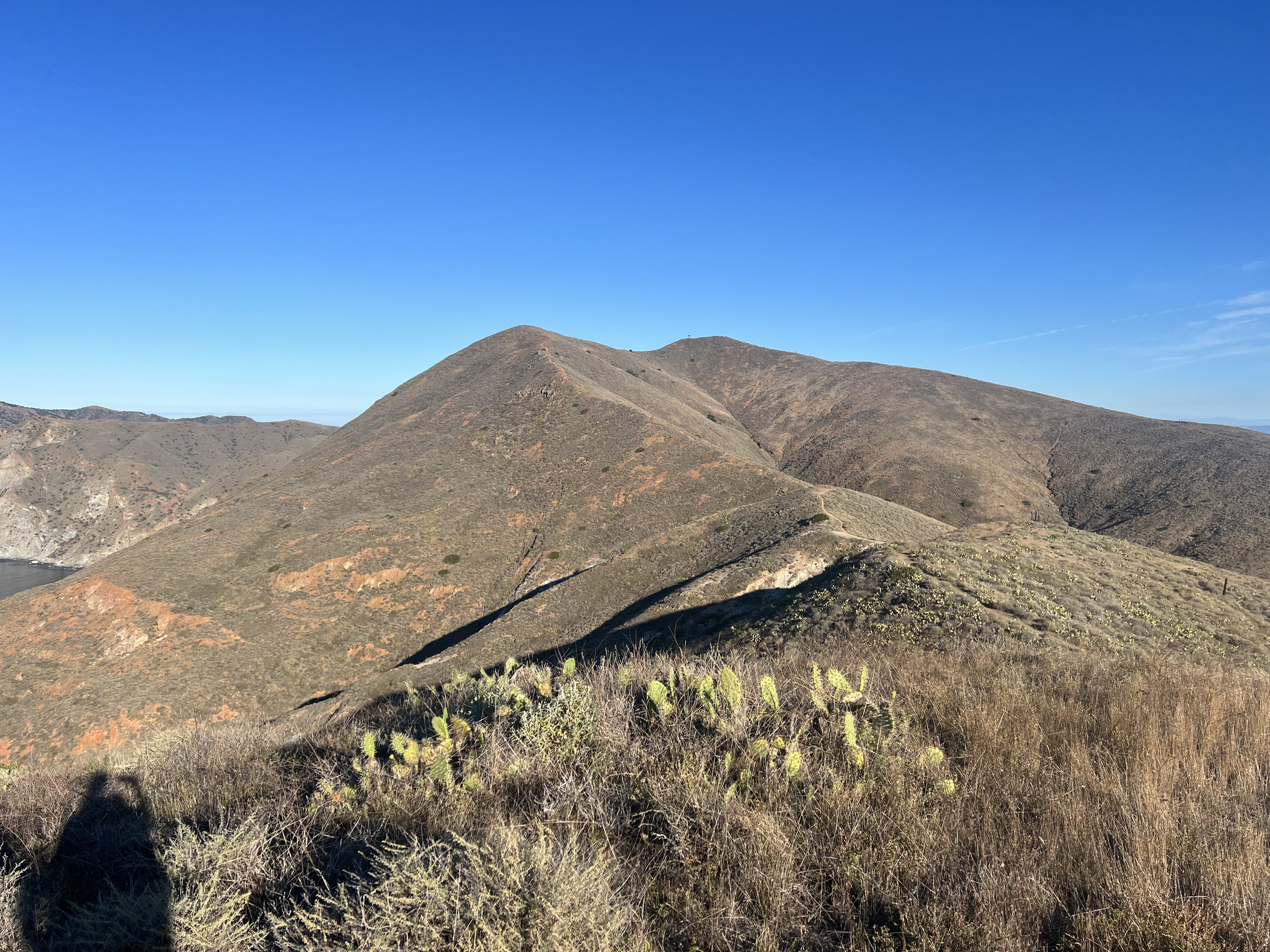
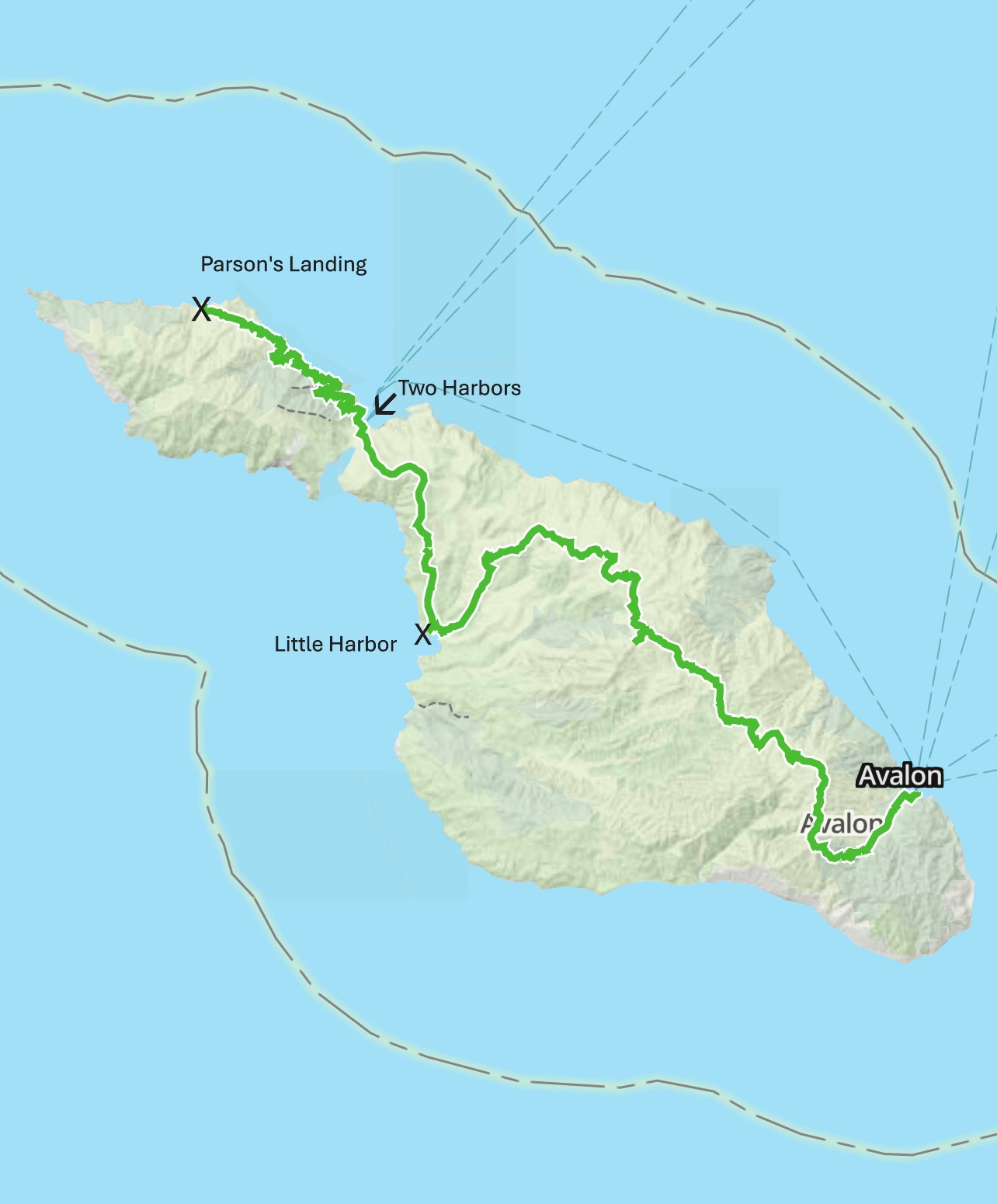
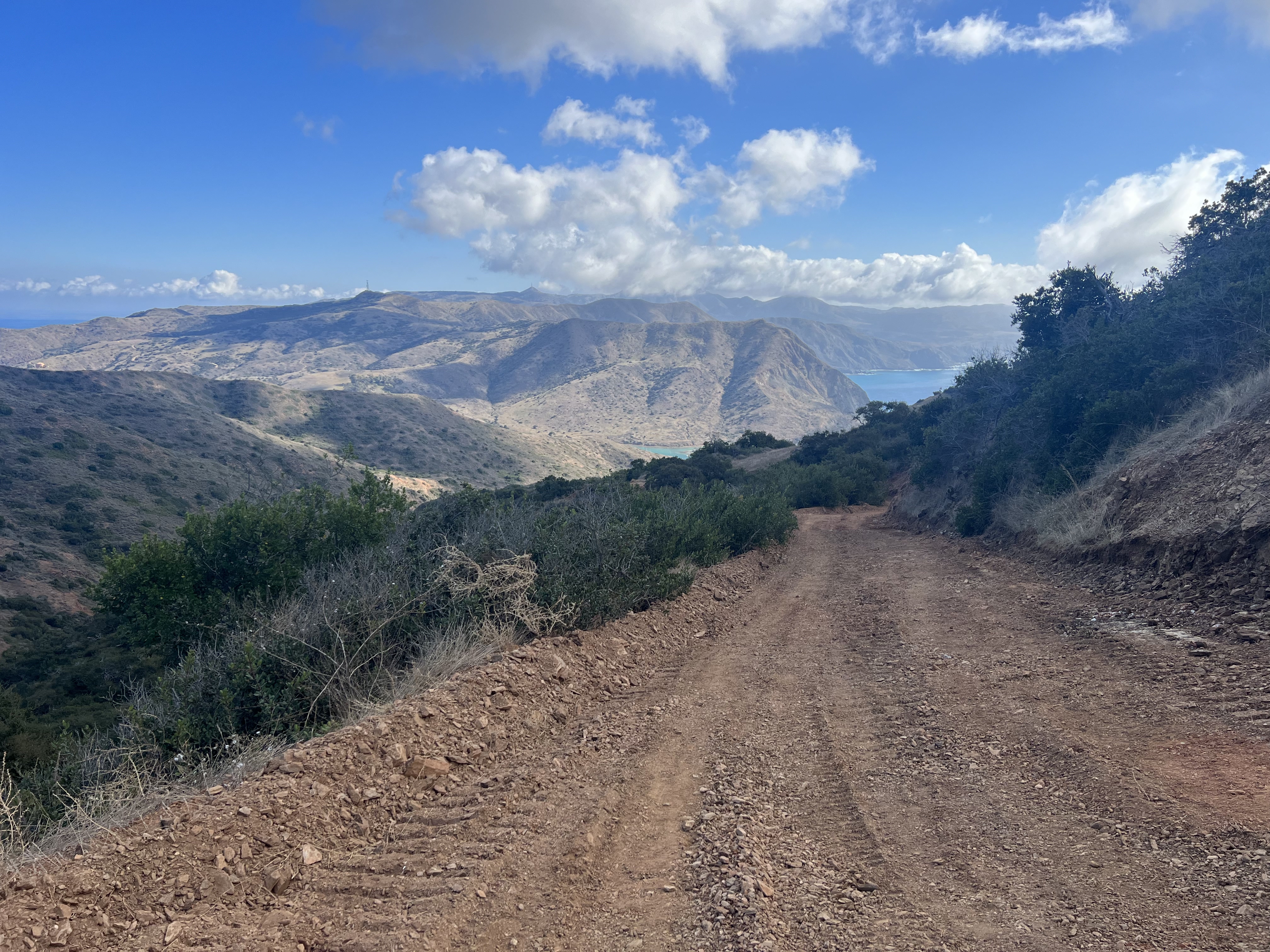
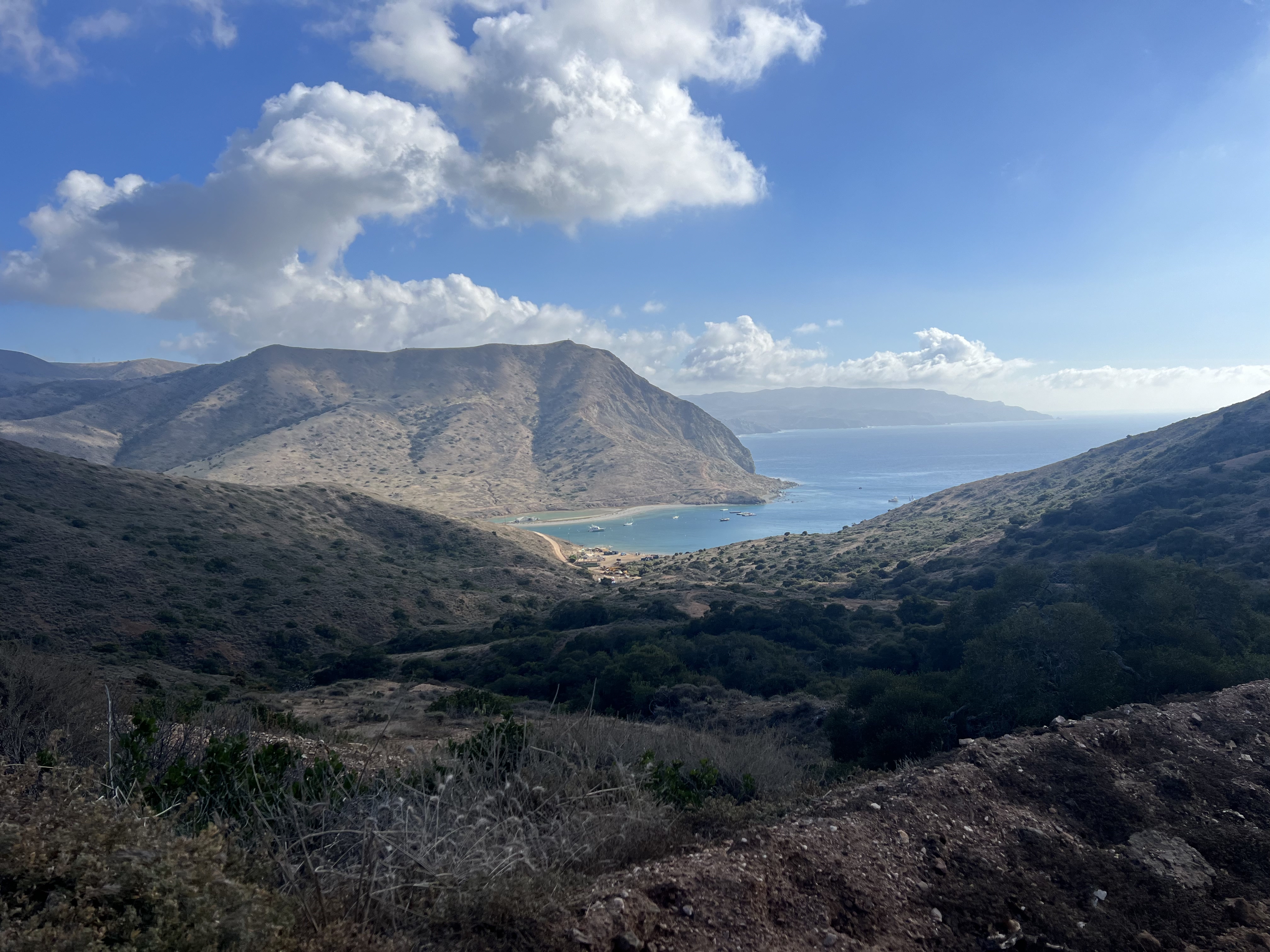
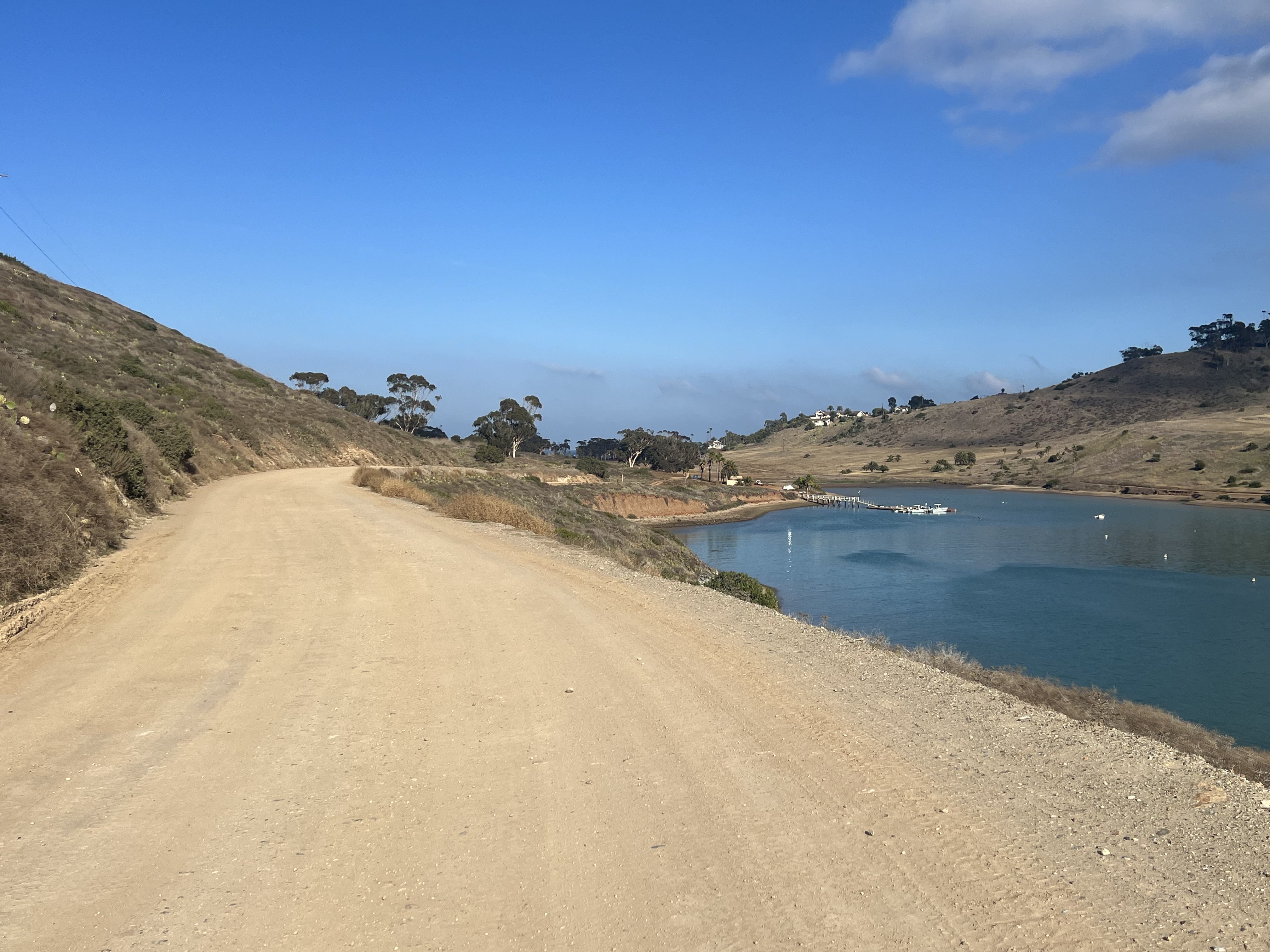
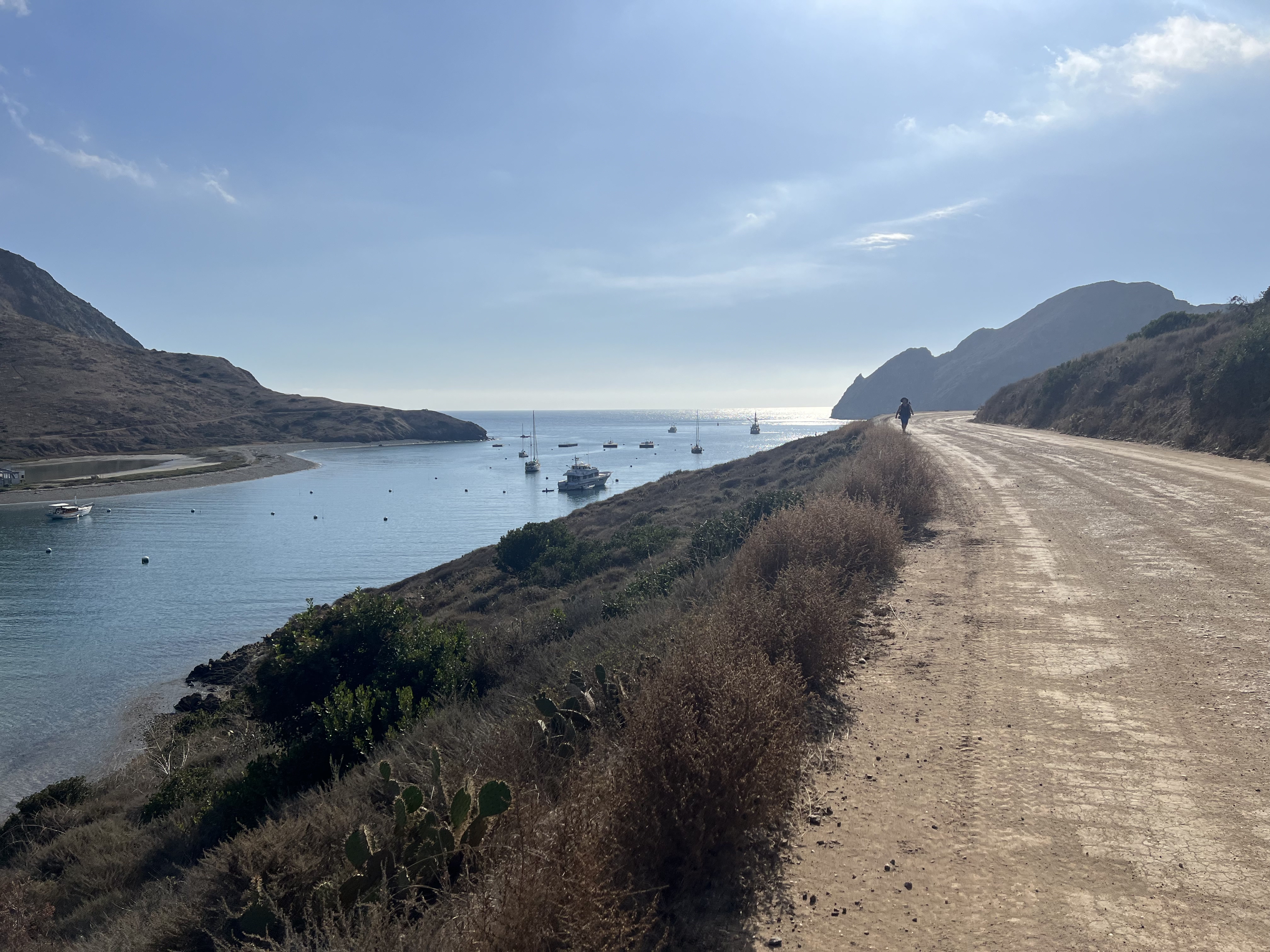
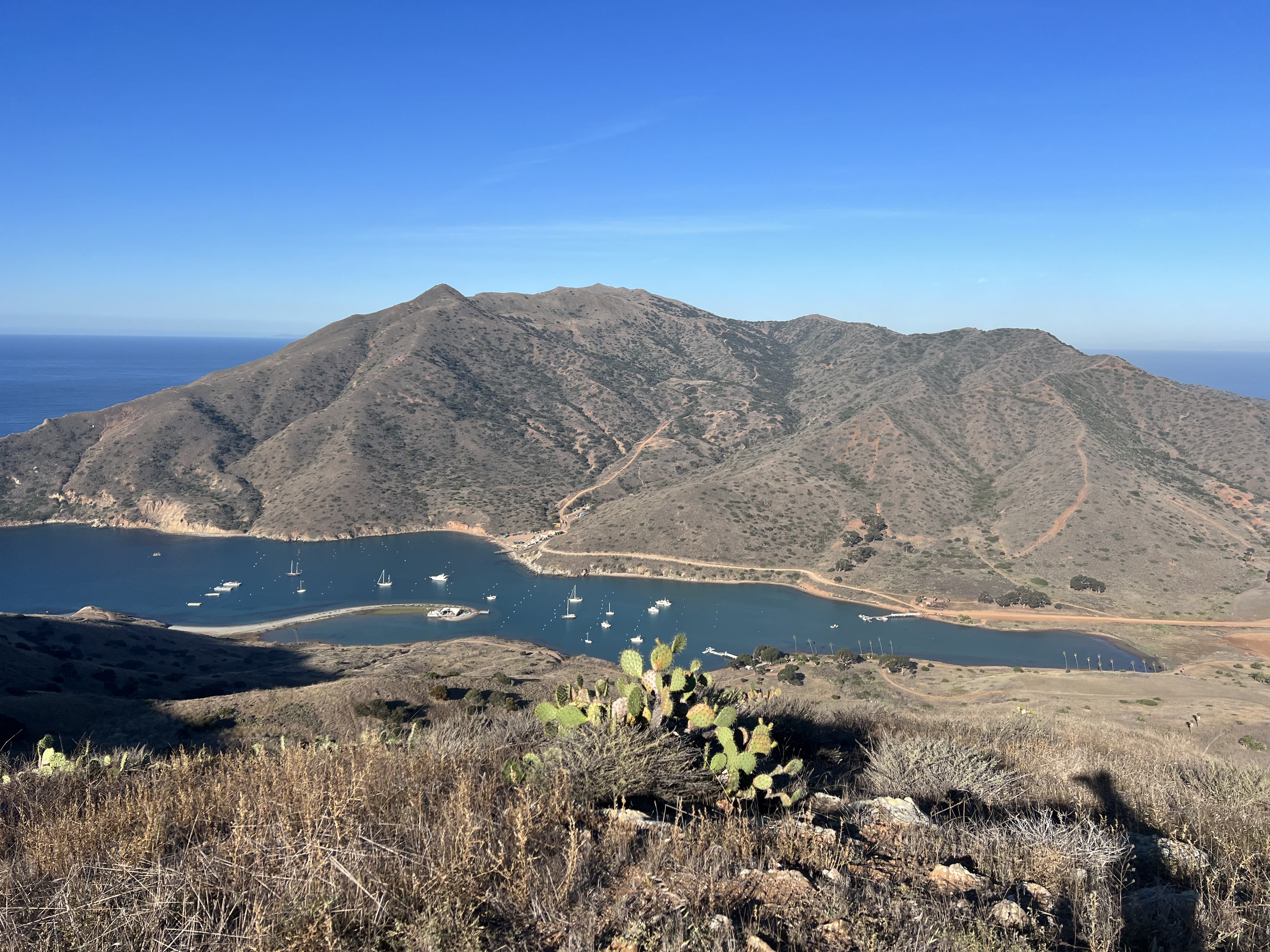
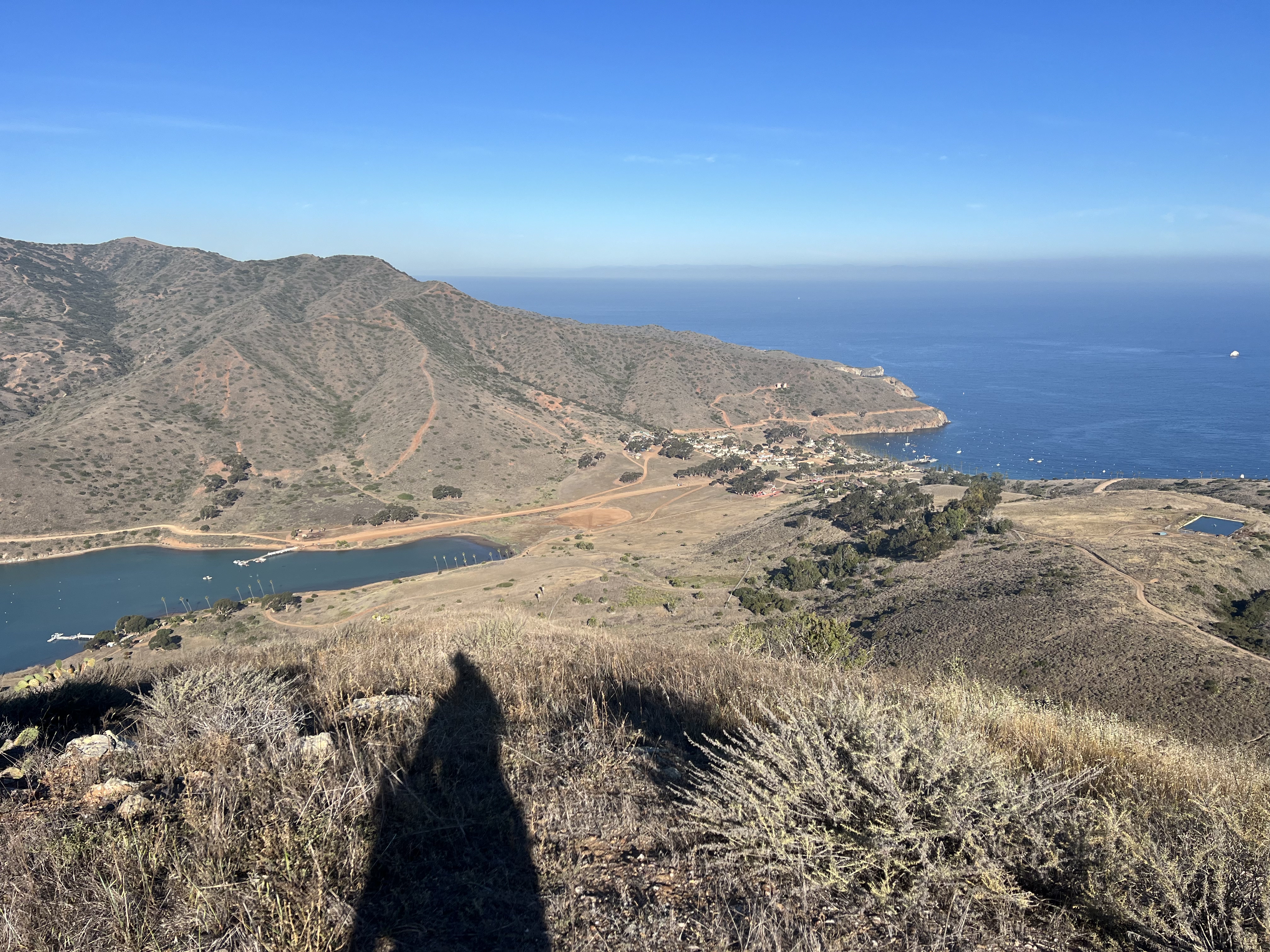
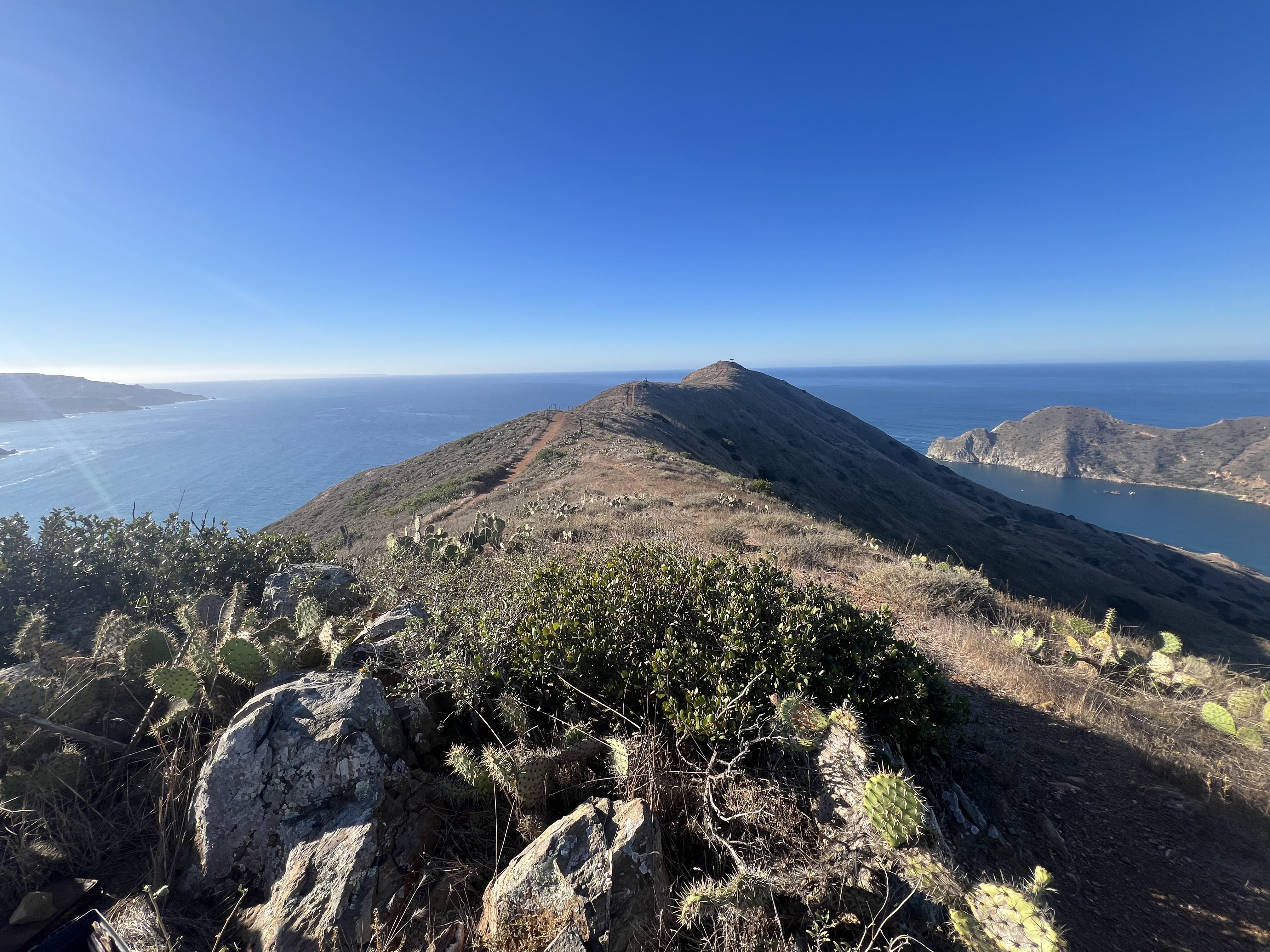
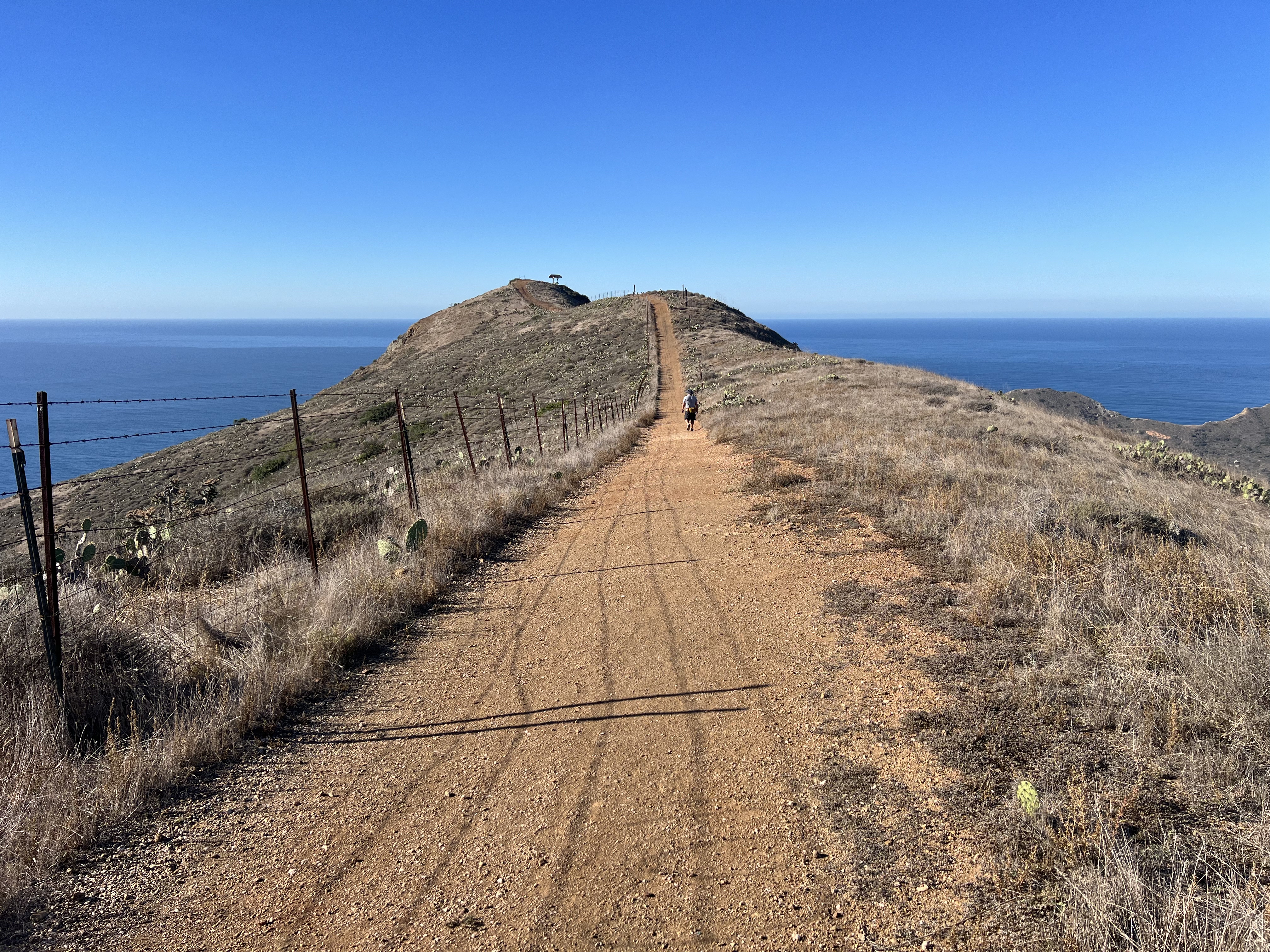
Five Days of Heaven on the Trans-Catalina Trail

Catlina Island, California

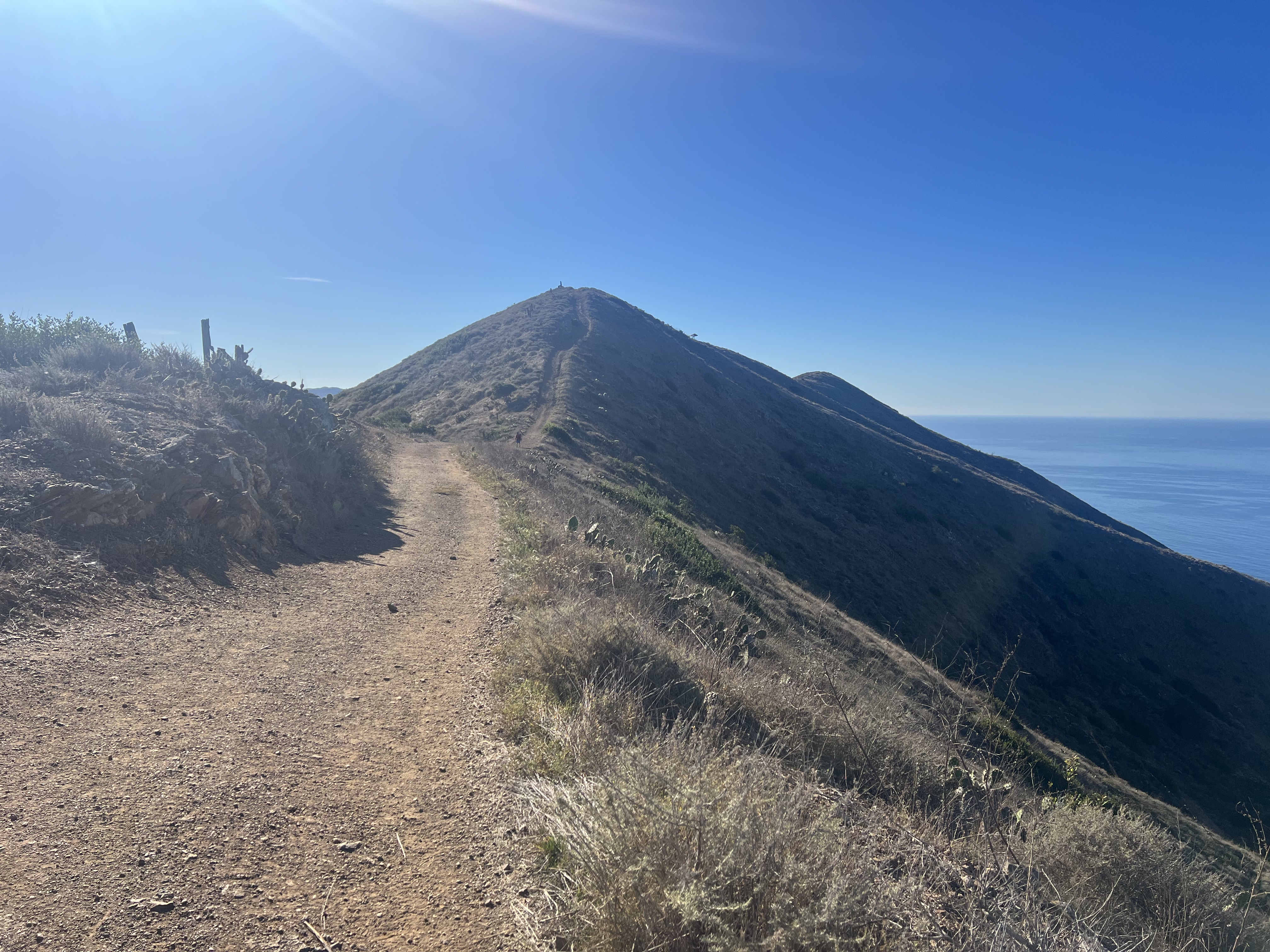
December 3 – 8, 2023

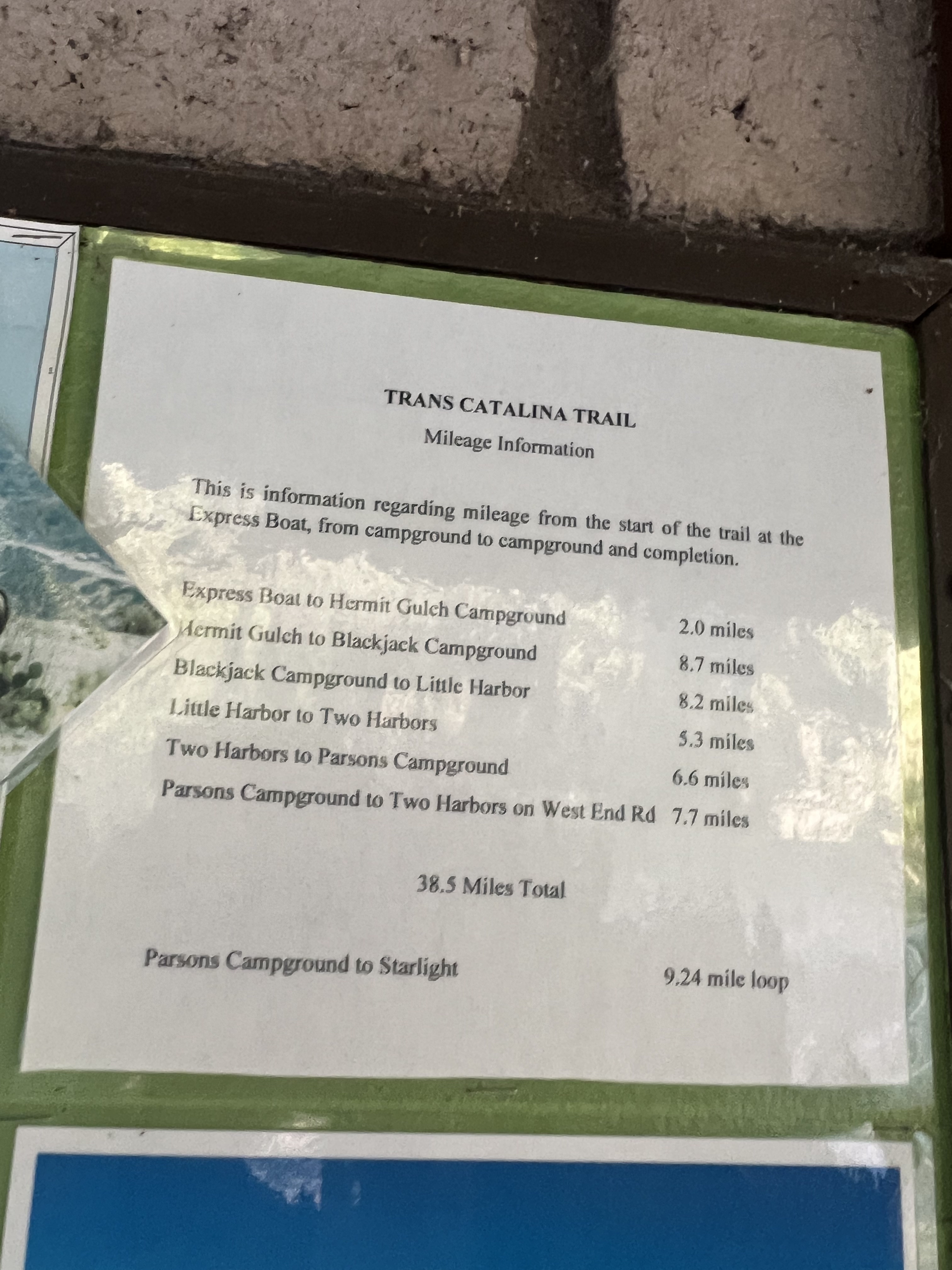
Total Mileage: 45
Total Elevation Gain: ~12,000′
Permits: Included with Campsite REservations

The Plan

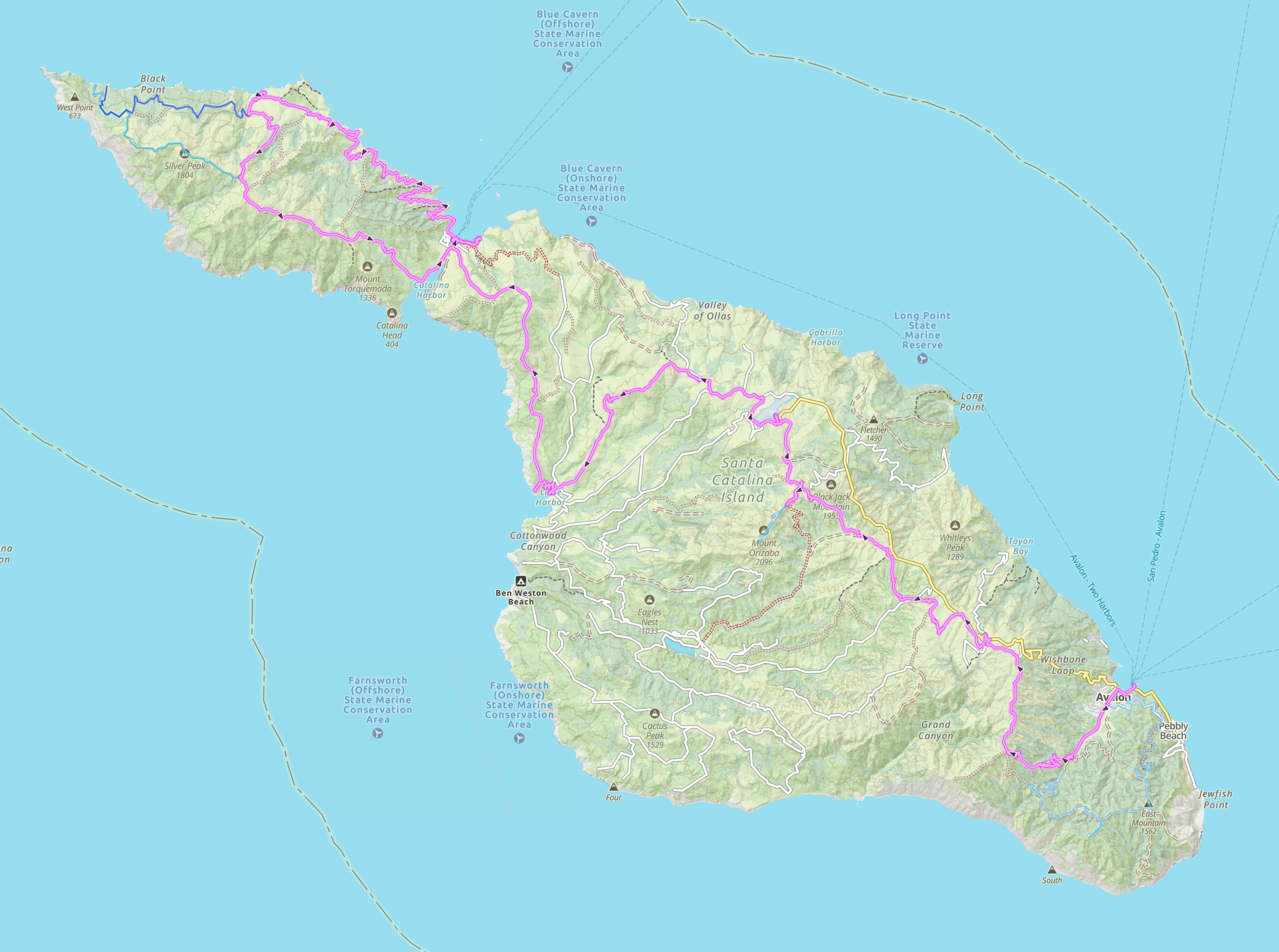
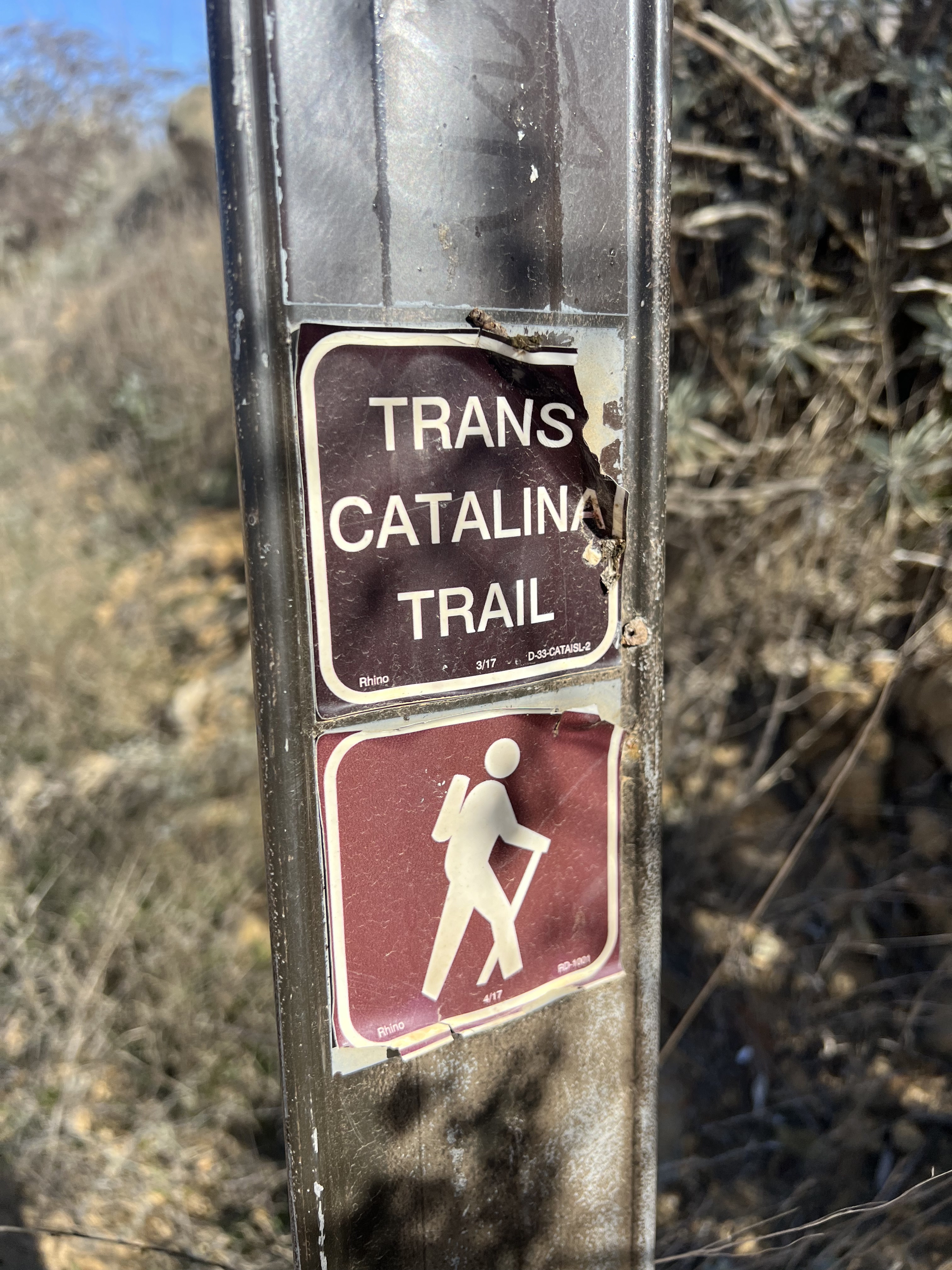
It was summer 2023 and I was ready to make a plan for my next backpacking trip Outside of Alaska. The Kalalau Trail had traumatized me earlier that year, so I was looking for something that would be a bit more mellow as far as danger goes, but with a good challenge of long-distance days and decent elevation gain. A friend suggested the Trans-Catalina Trail and as soon as I started to research, I knew this was the one.

I booked my flights and campsites immediately. I found the process to book campsites pretty straightforward (although it can take some rearranging of dates if you book three sites then your fourth one isn’t available for the day you wanted). I went into the reservation process with a flexible range of dates to ensure I was able to book the itinerary I wanted, and I found that December dates remained pretty wide open. (See “Just the Tips” at the end of this post for more advice on permitting or reach out to me for trip planning assistance).

Then it occurred to me that Jason might want to go. We had done plenty of trips together in Alaska, but we had never traveled Outside together. It didn’t take much convincing and he was in! I called the Catalina Island Company to add a person to my reservations, as well as additional stove fuel, firewood, and water locker at Parson’s. I paid the balance on the phone and received a receipt immediately. It was so nice to have a person answer the phone and help me with what could have been a tortuous process.

Travel DAy

Alaska → Los Angeles → Catalina Island → Hermit Gulch Campground

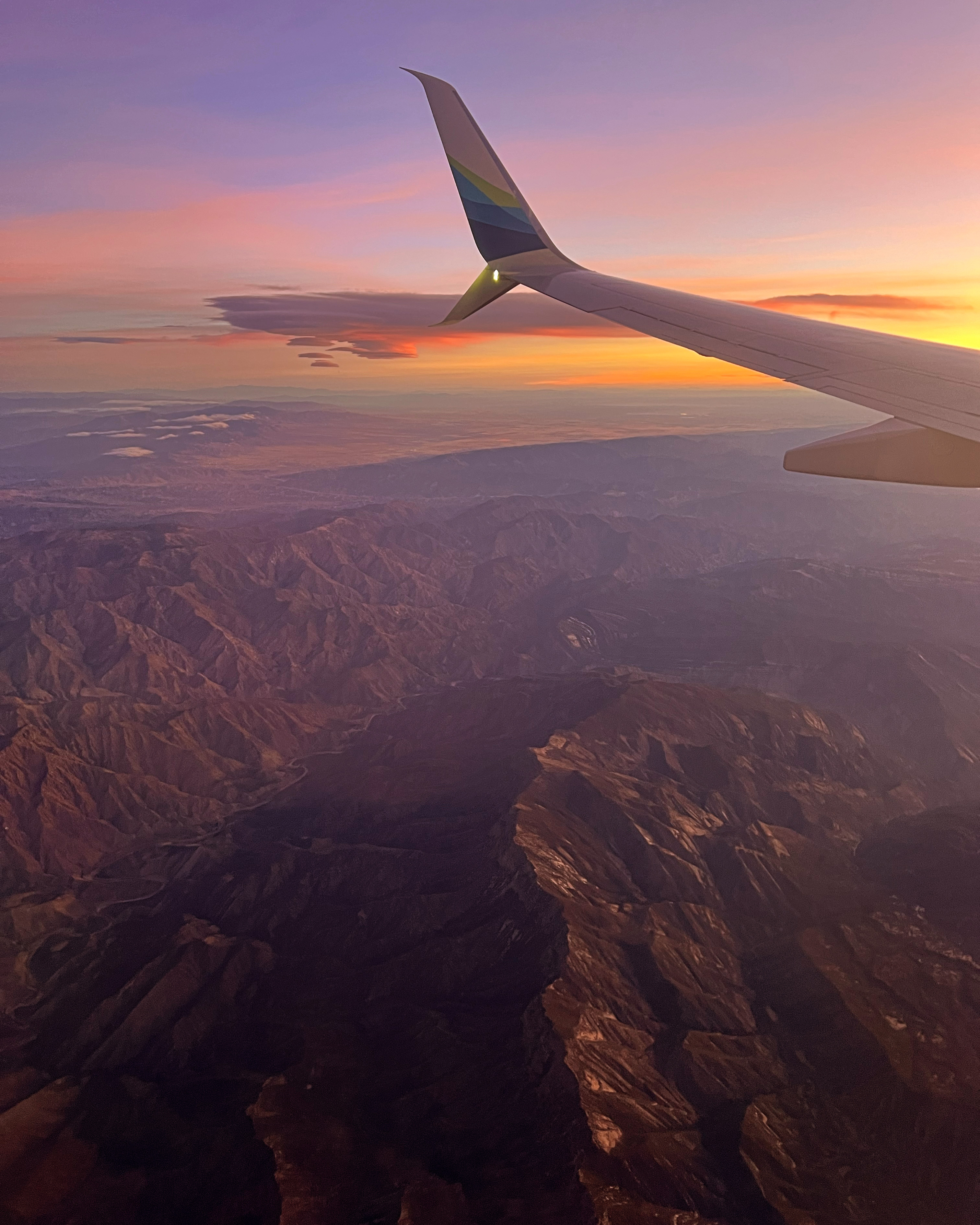
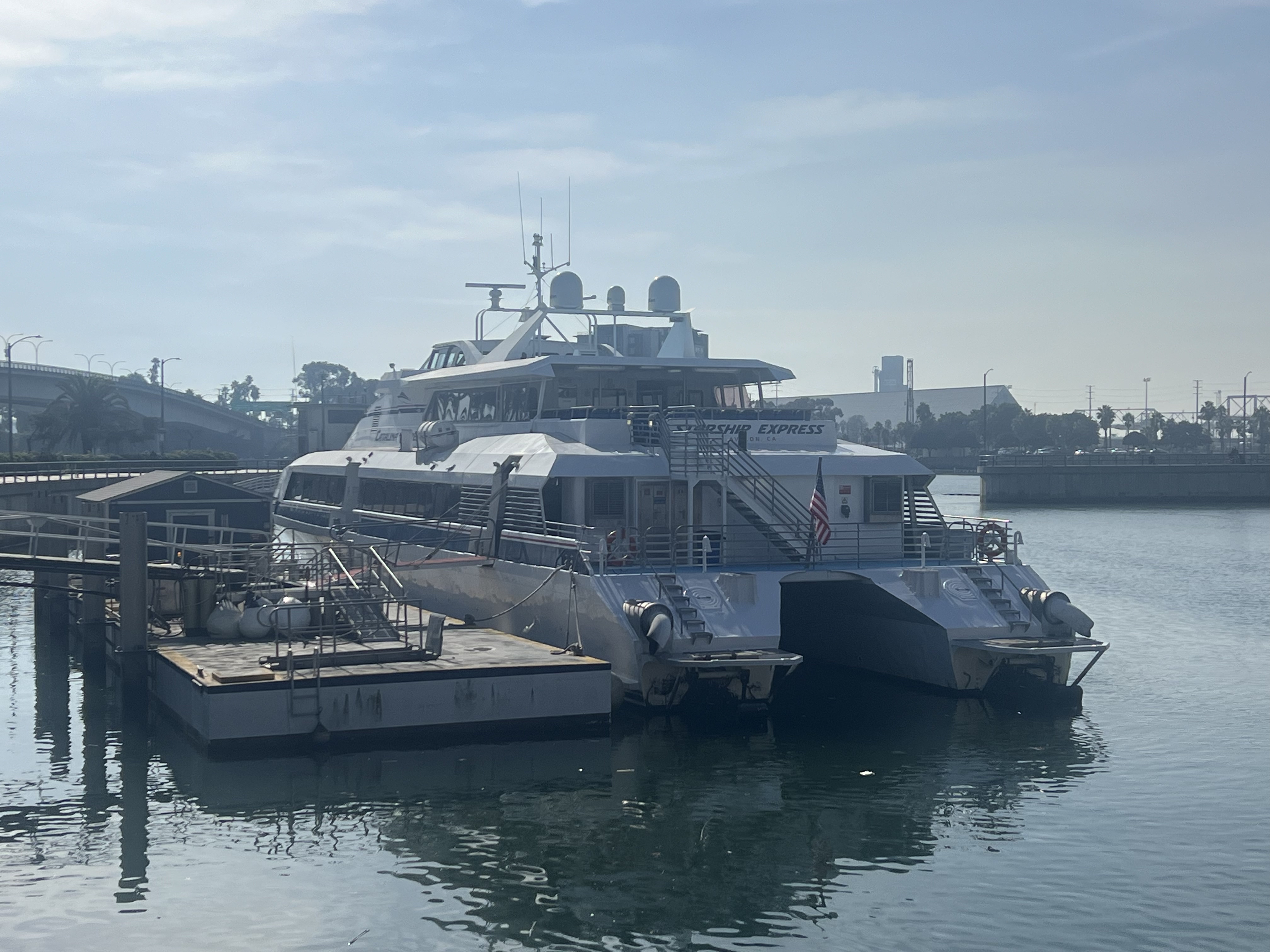
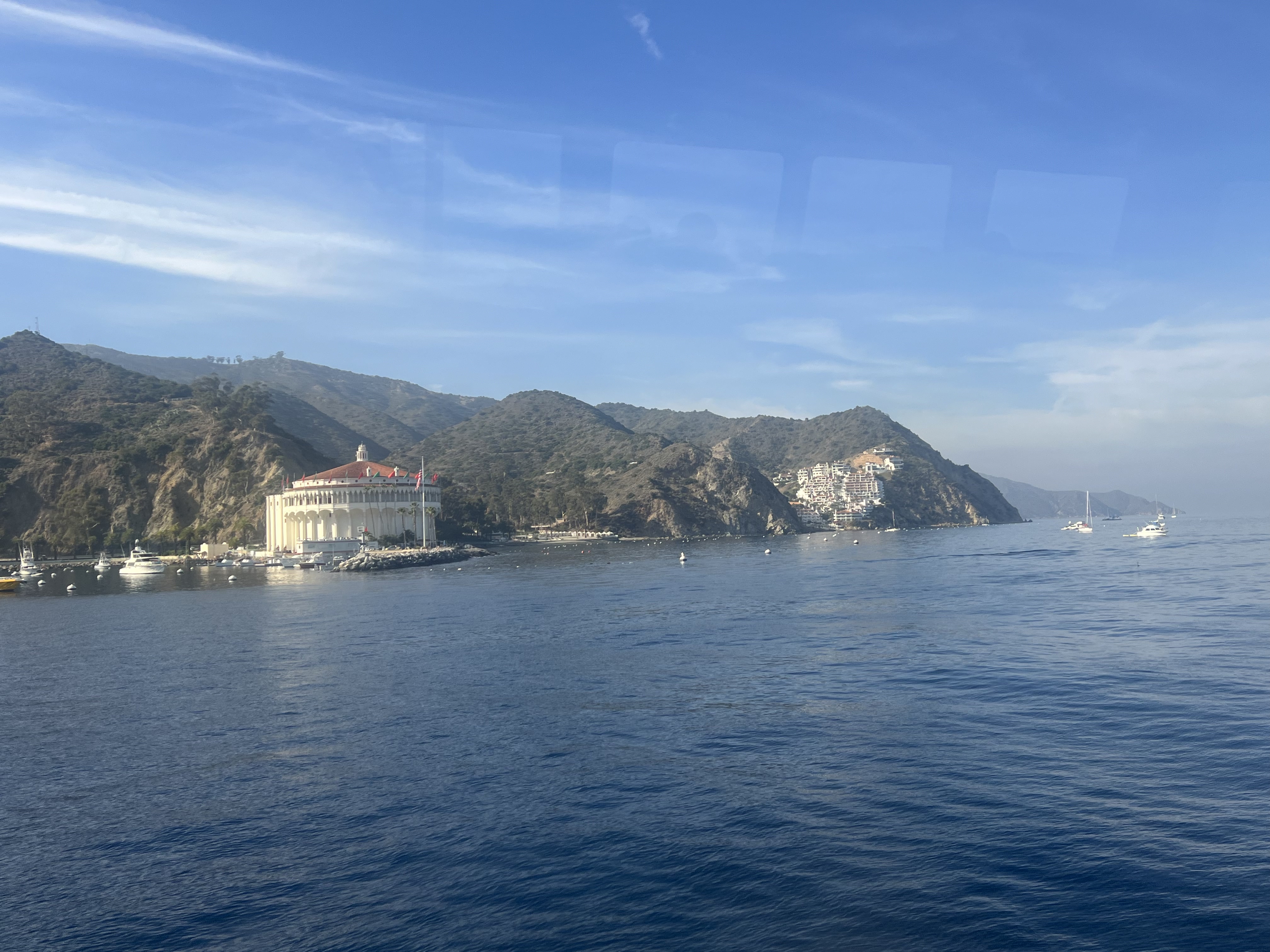
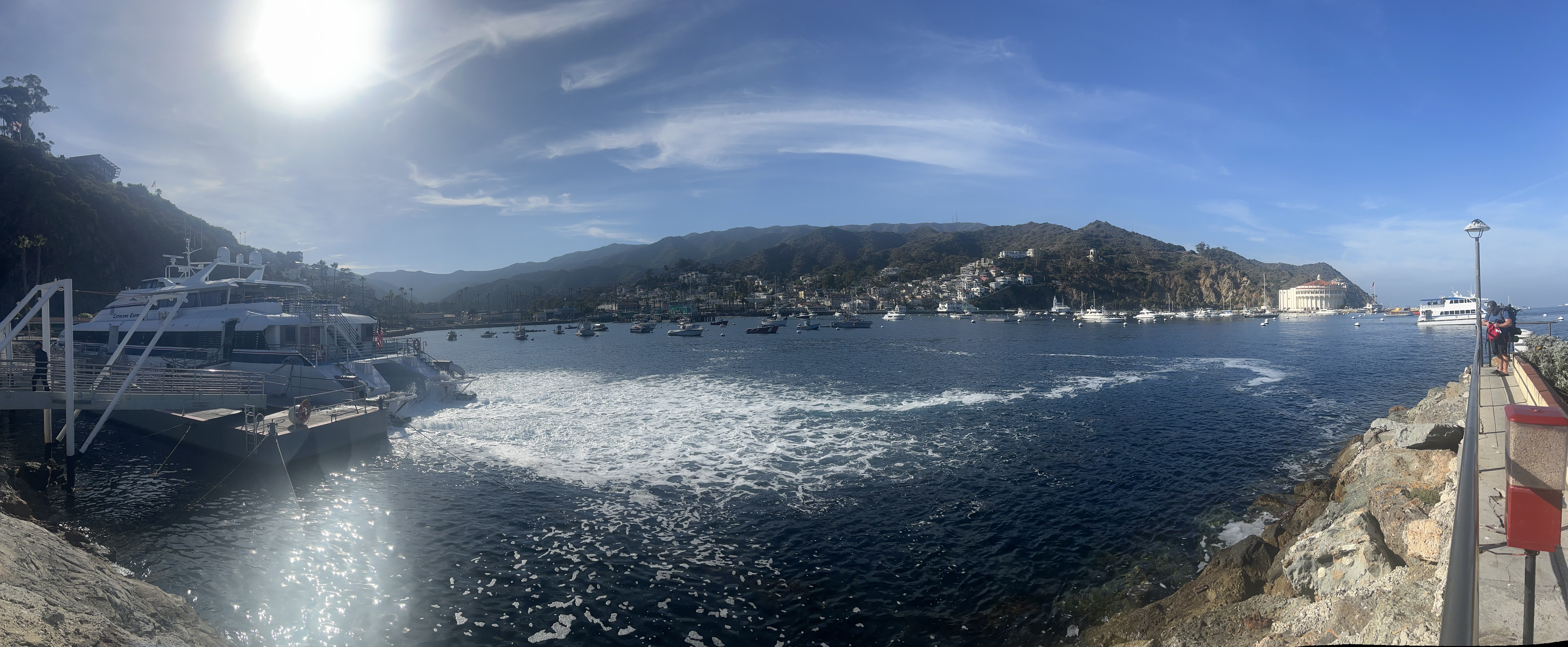
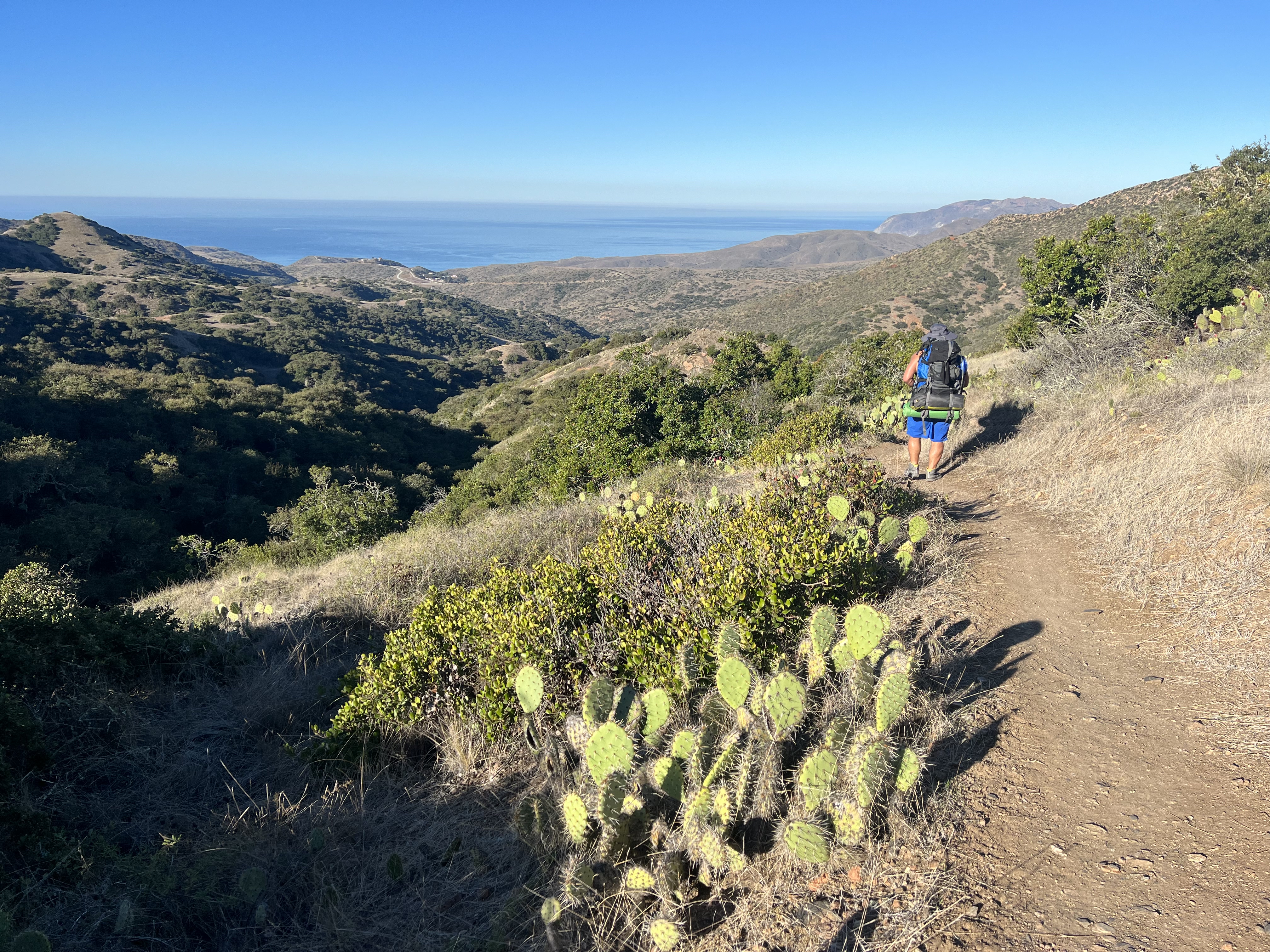
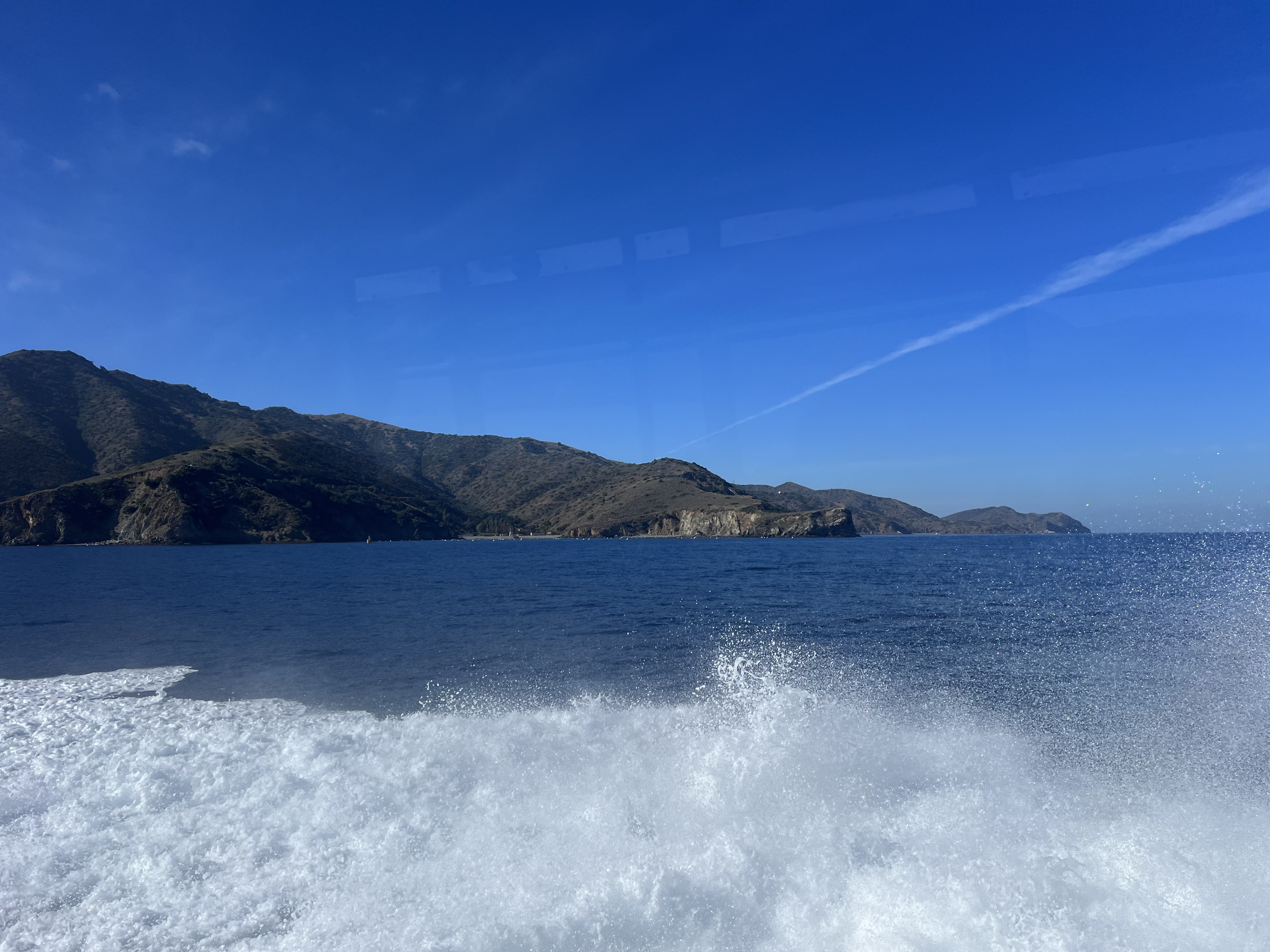
We left Alaska on a red eye, flying direct to LA, and touched down early morning. We had an Uber lined up to bring us to the Catalina Express Ferry at the Long Beach Port and got there in plenty of time to go through our gear and relax by the harbor. This sunny, warm weather was a far cry from snowy, cold Alaska. By noon we were on our way, watching dolphins race our boat, the catamaran comfortable even in choppy seas.

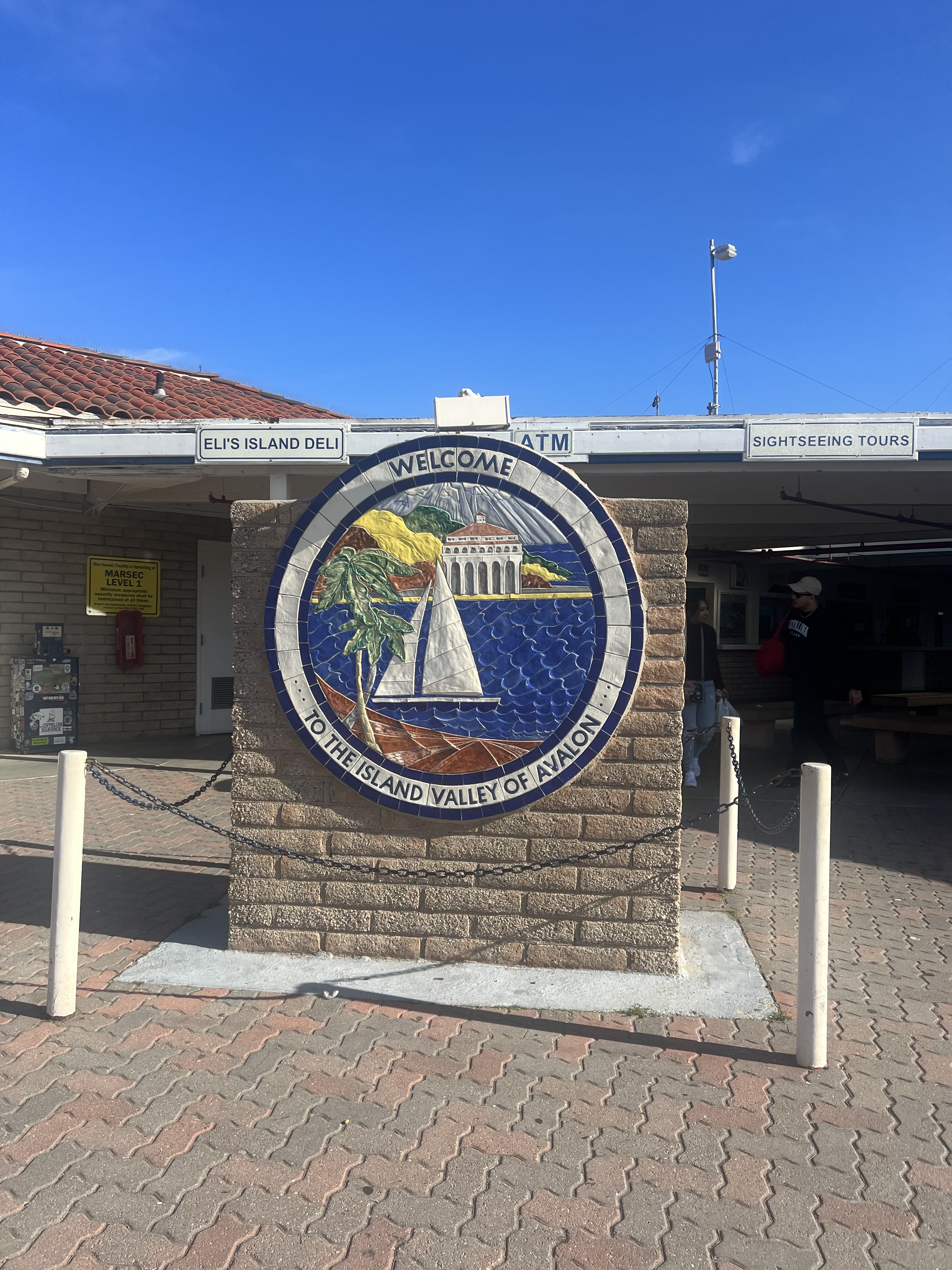
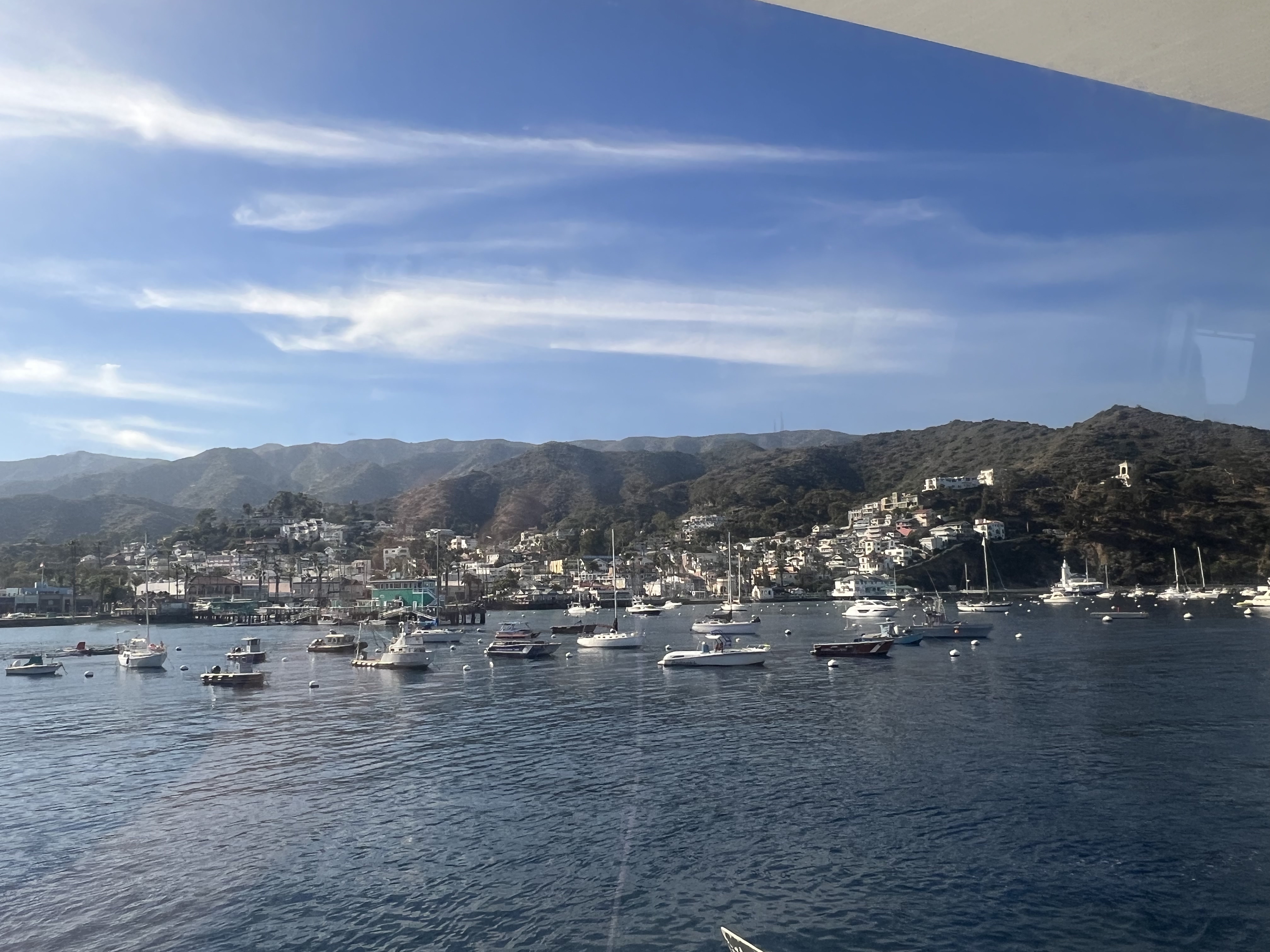
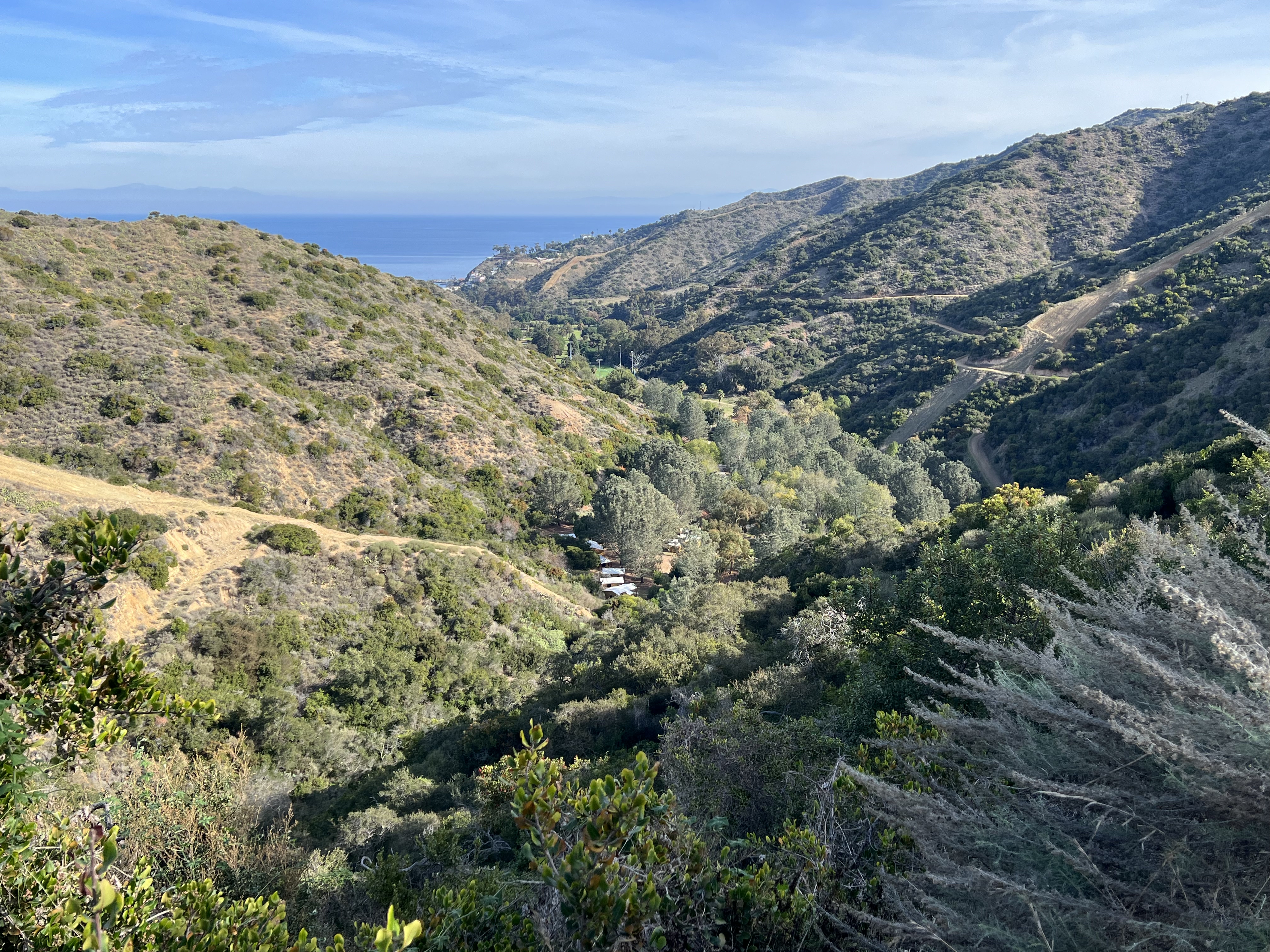
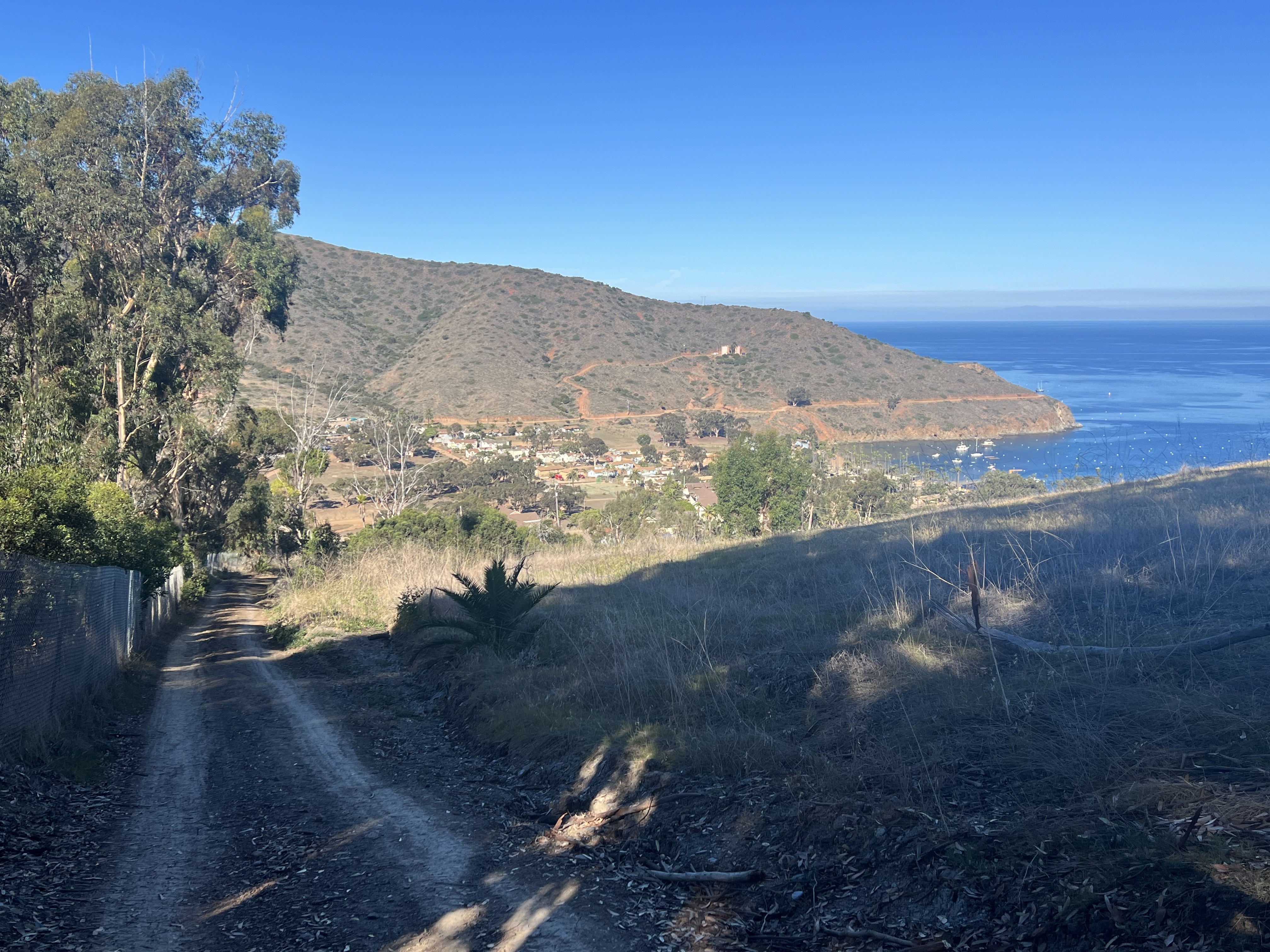
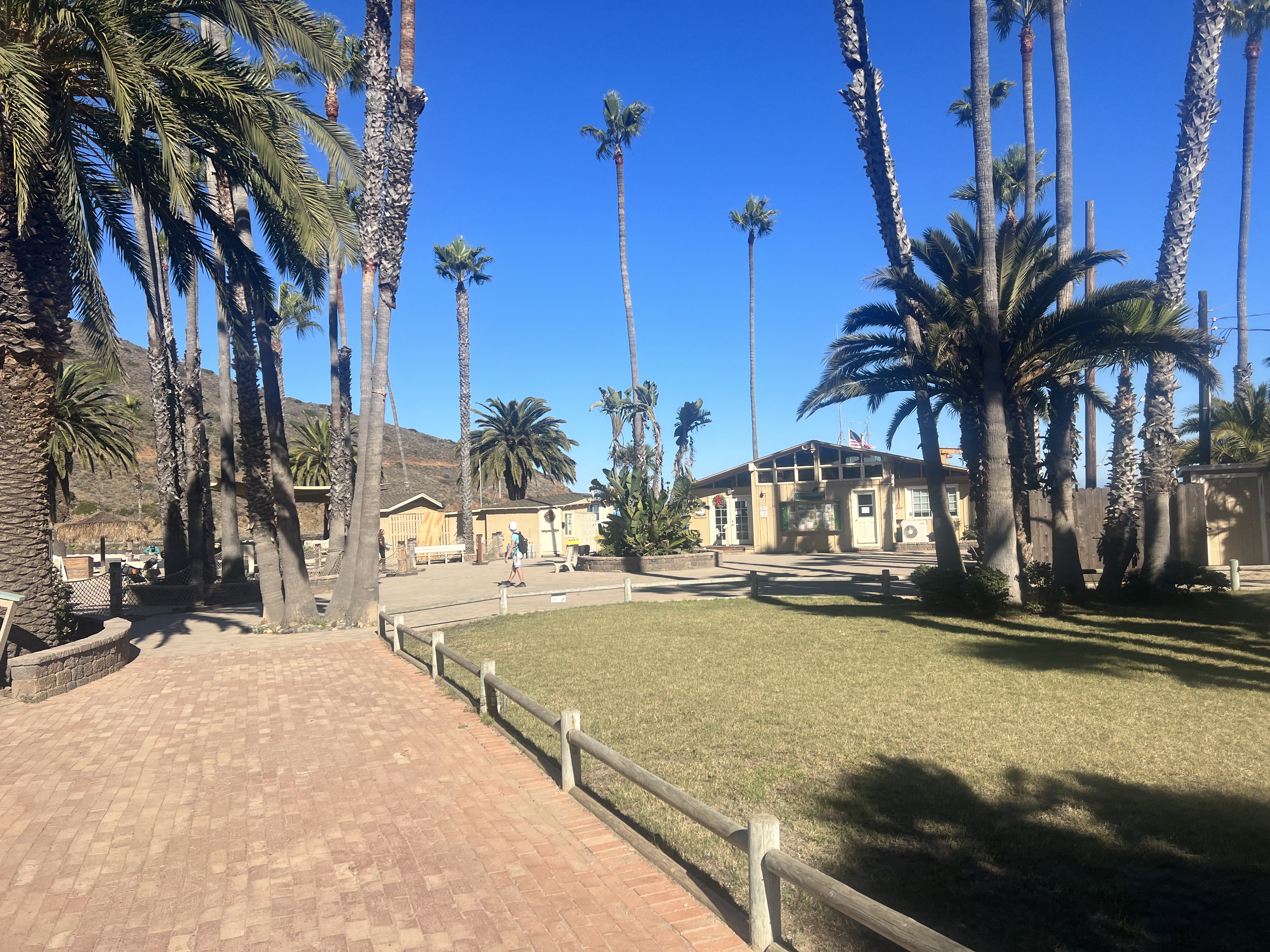
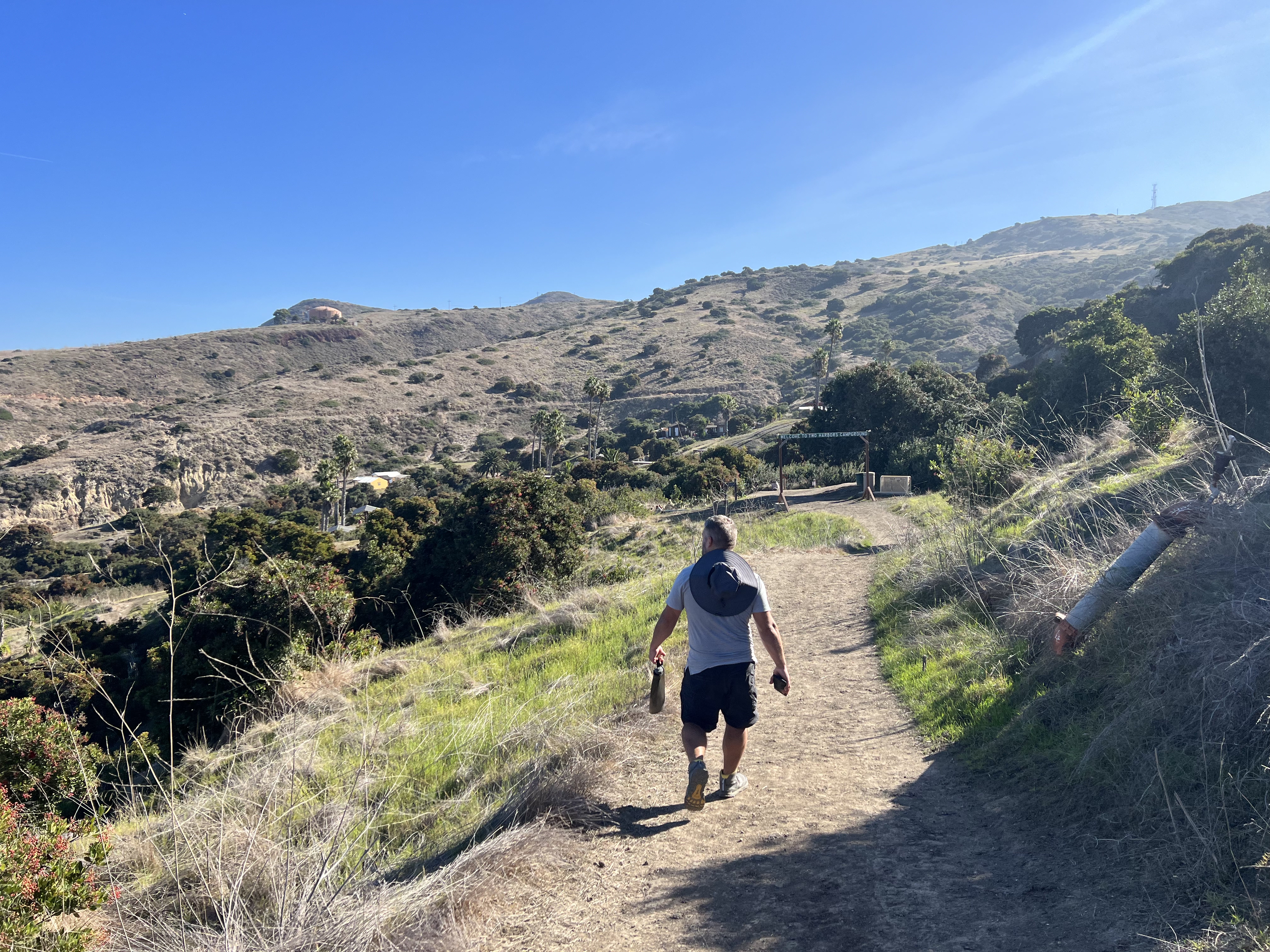
An hour and a half later we pulled into Avalon, and if you didn’t know it, you’d think you were in Greece, with architecture, climate and scenery reminiscent of the European latitude equivalent. Disembarking, we traded our flip flops for hiking shoes, as we had a two-mile hike to get to Hermit Gulch Campground, our first overnight on the TCT. We walked through town, a myriad of tourist gift shops and fine art galleries, and Jason found a wide brimmed hat to keep his face out of the sun.

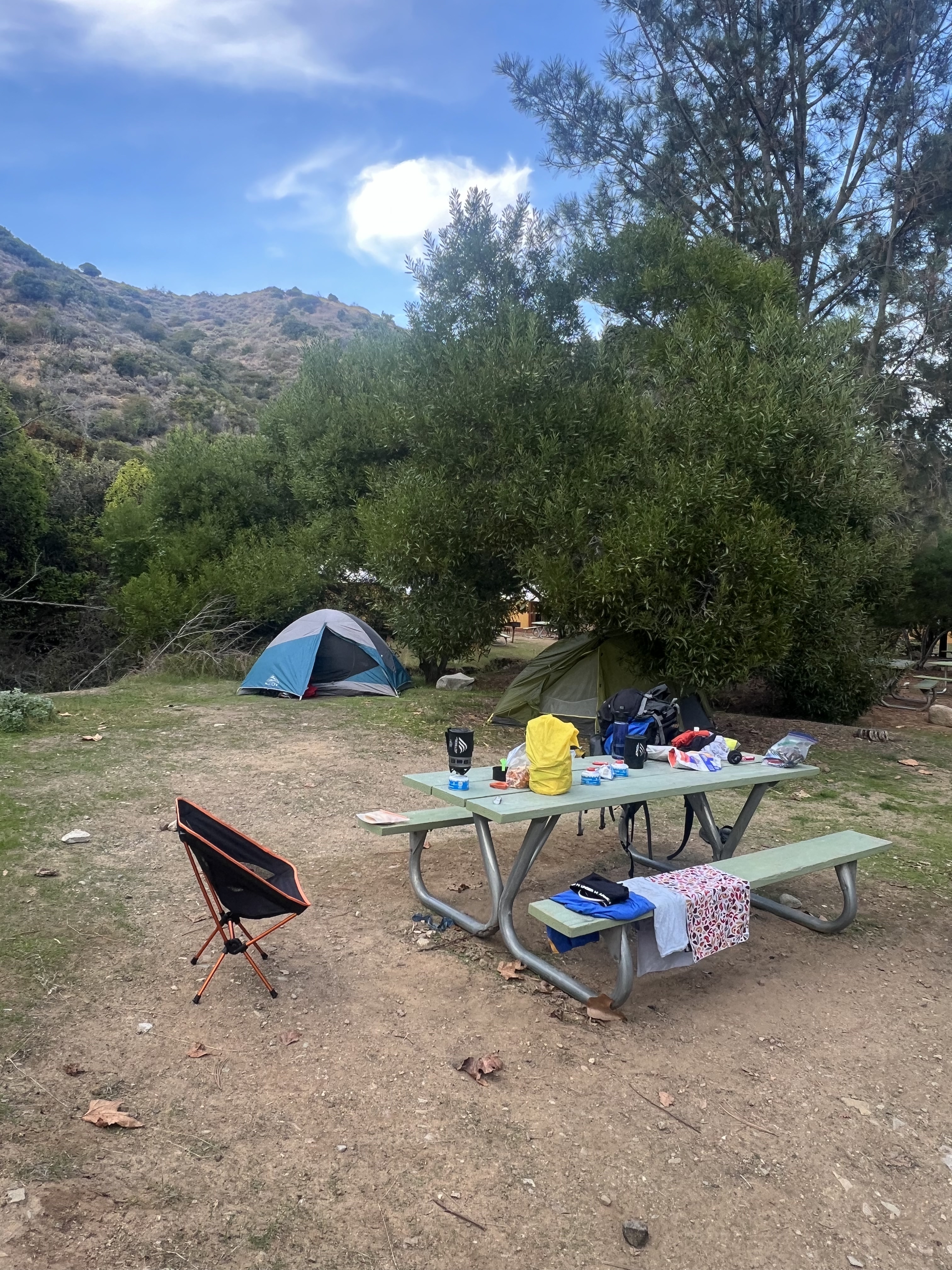
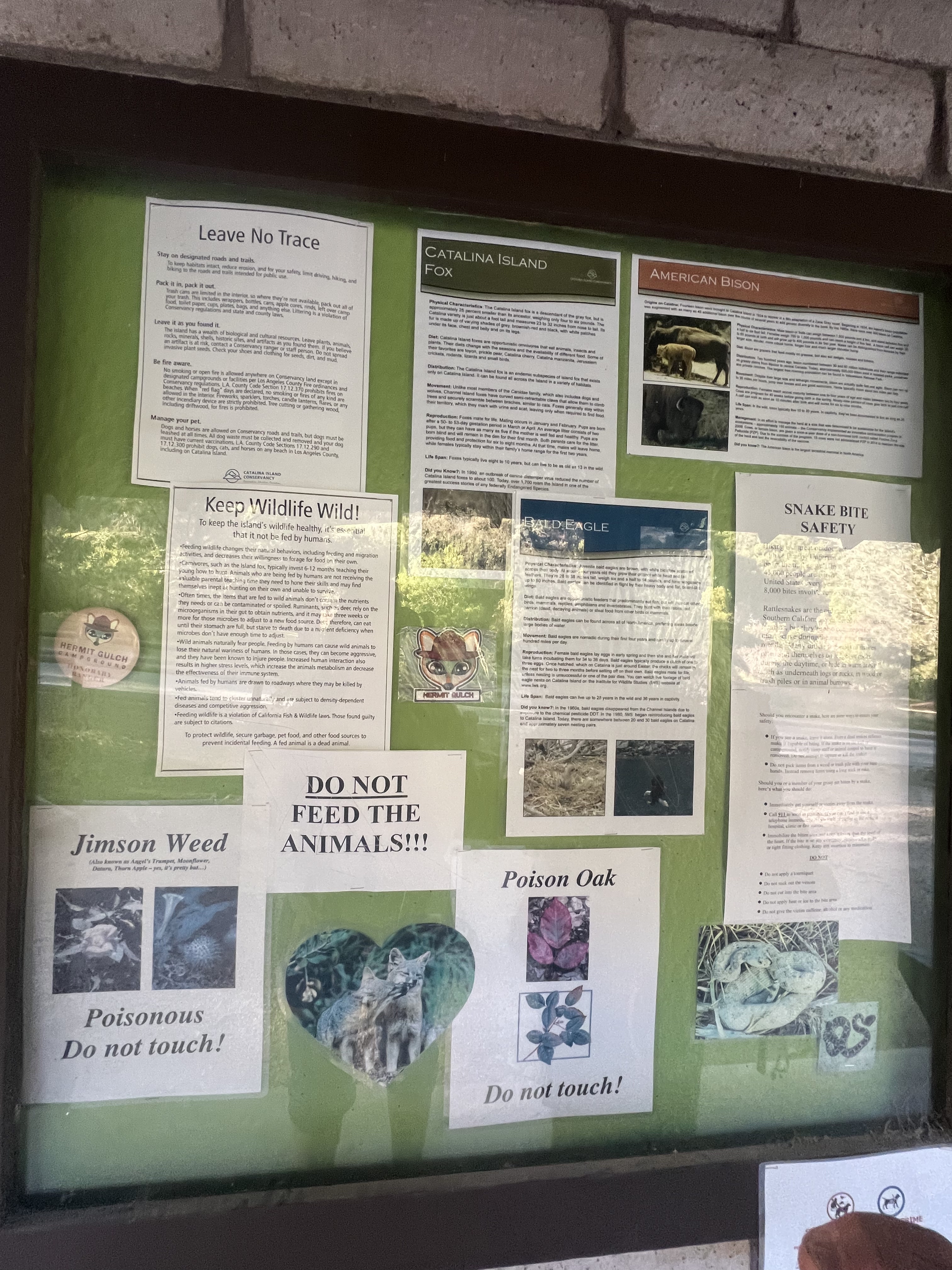
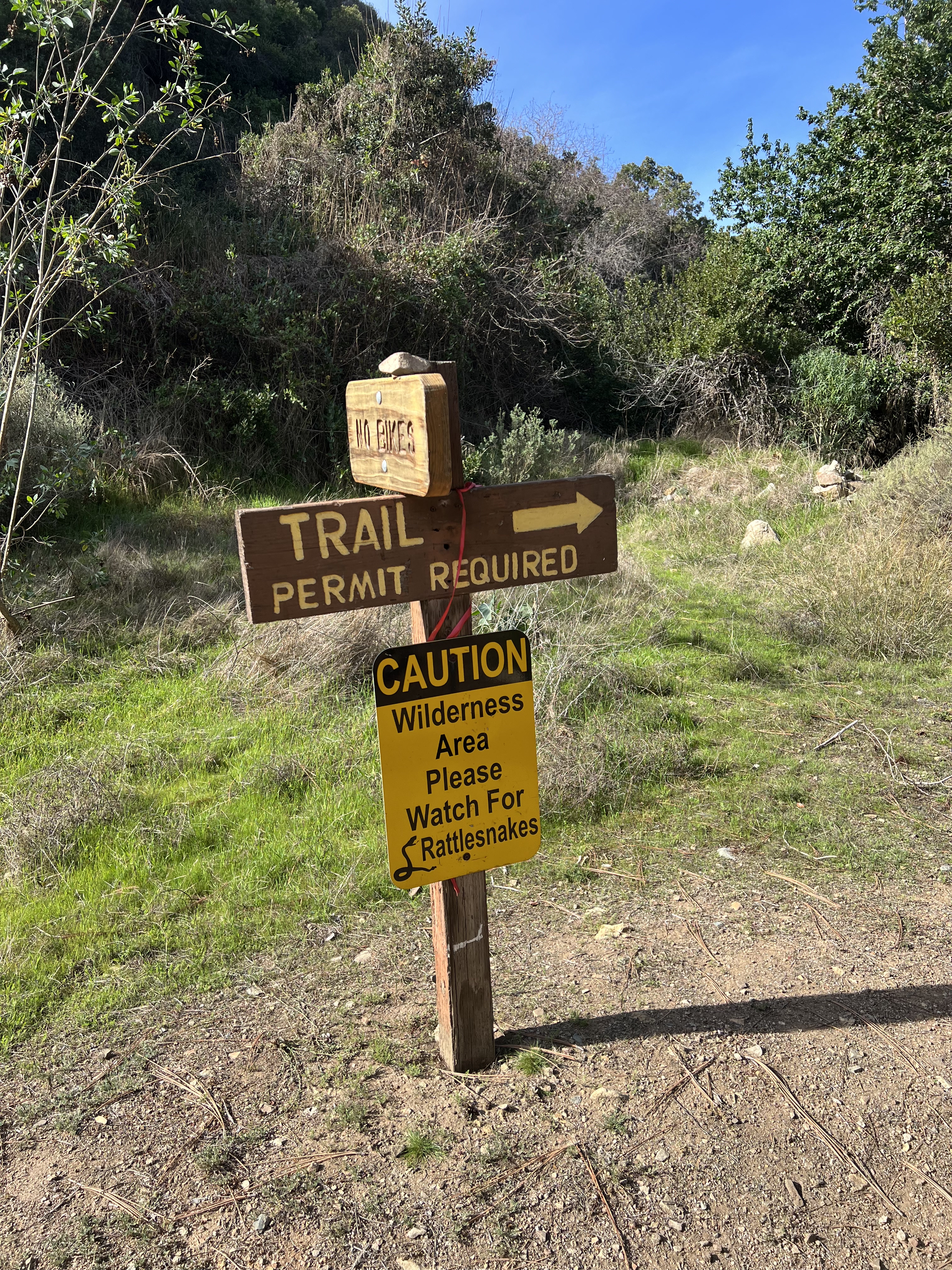
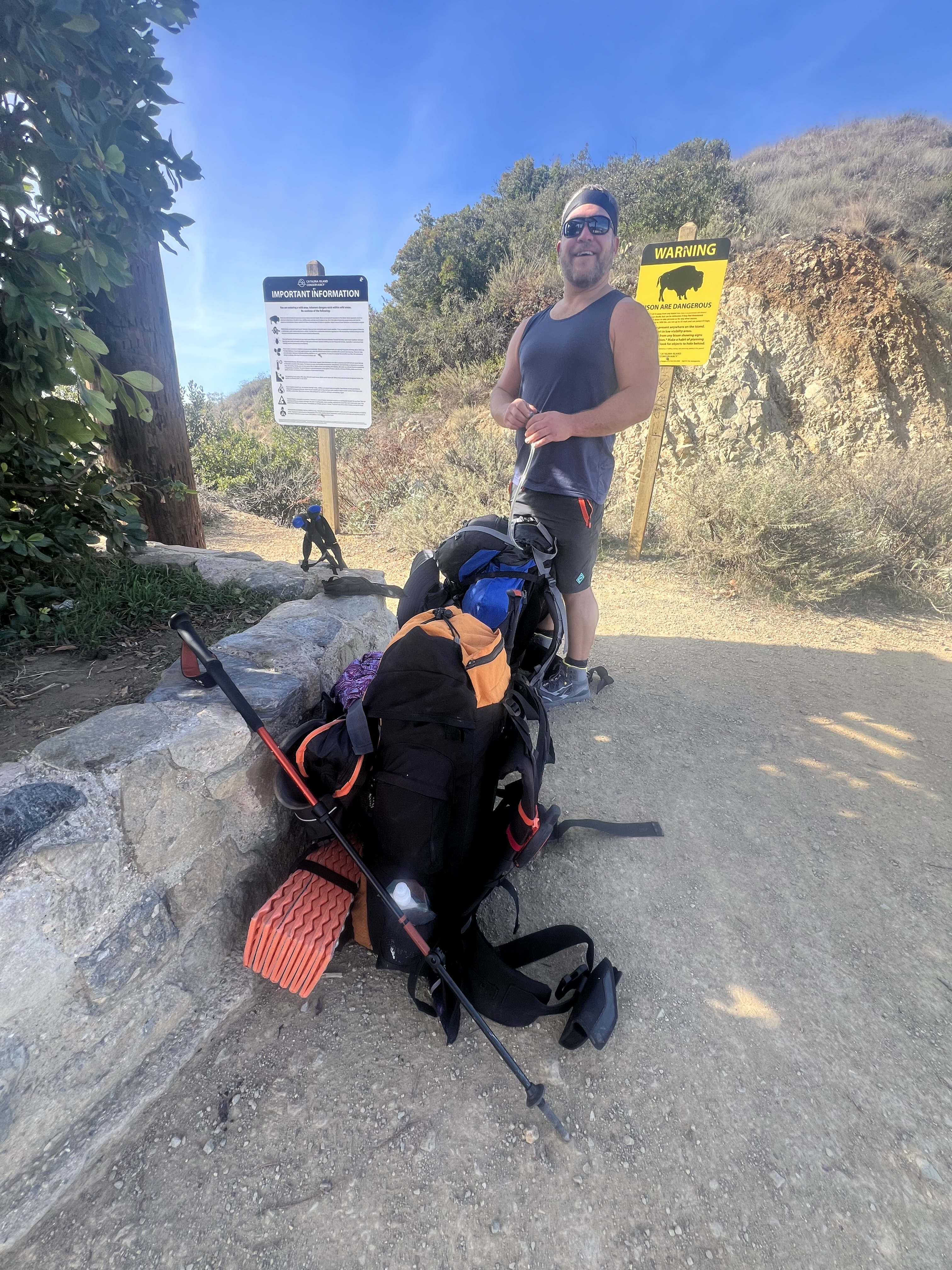
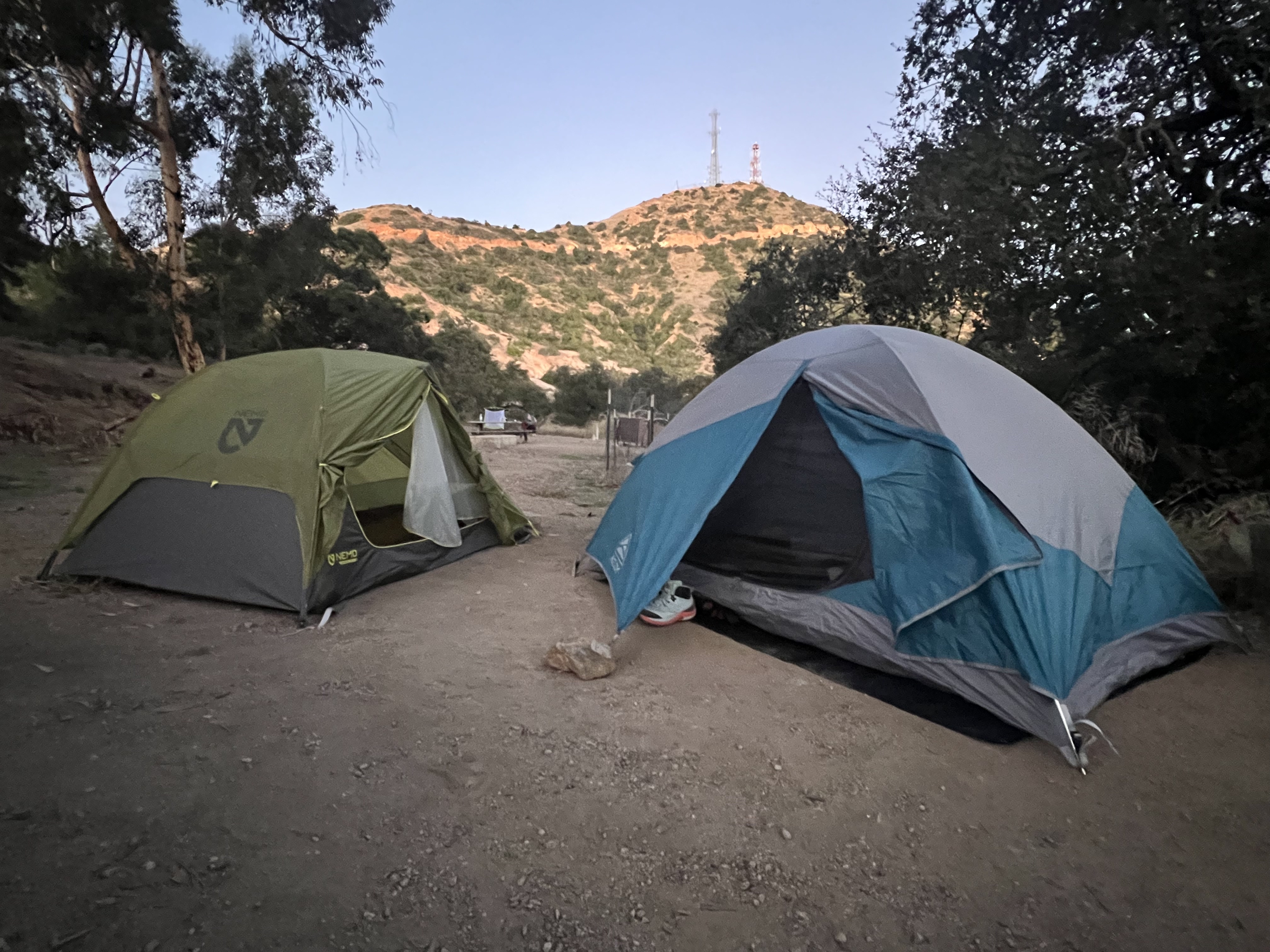
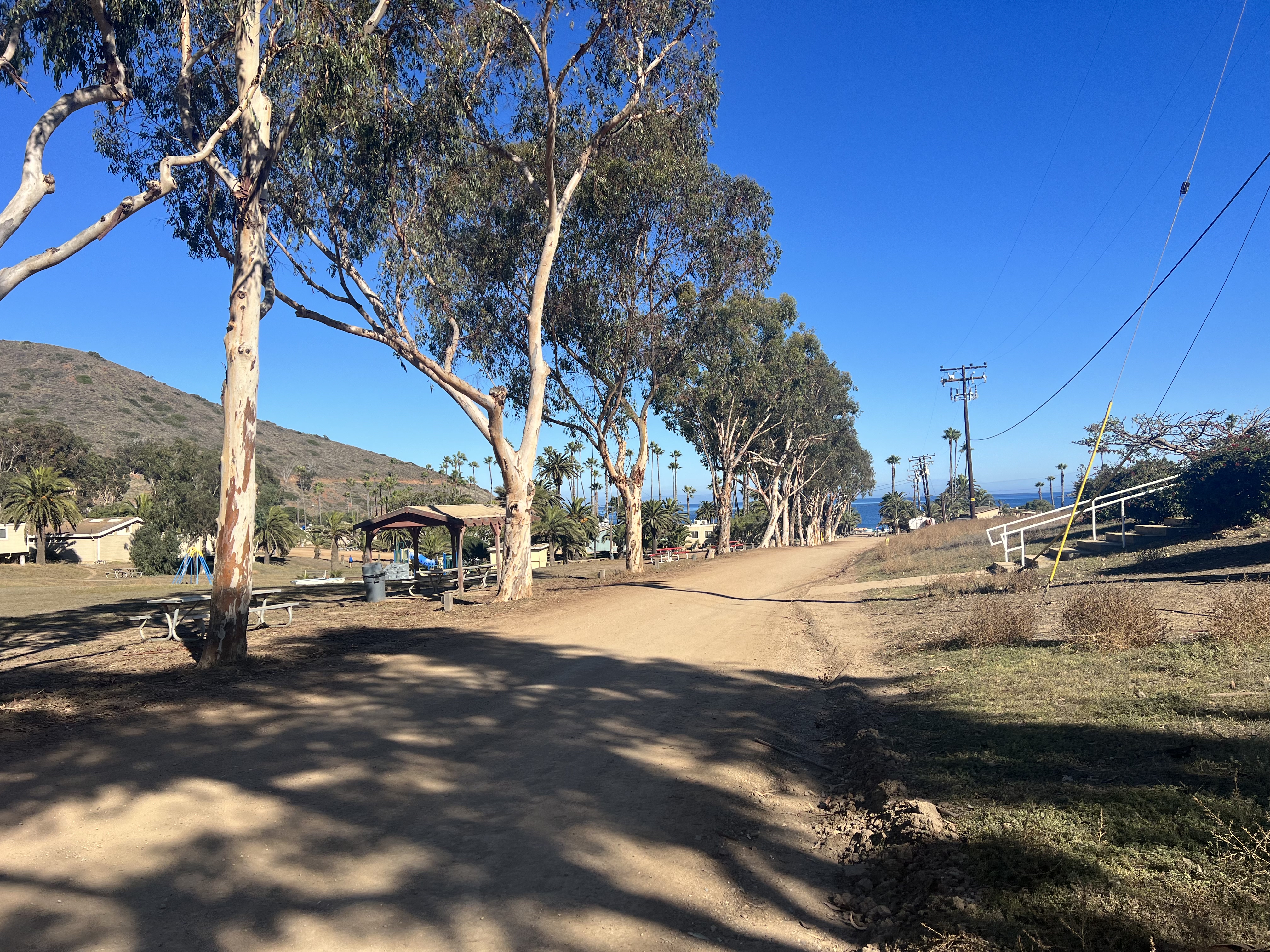
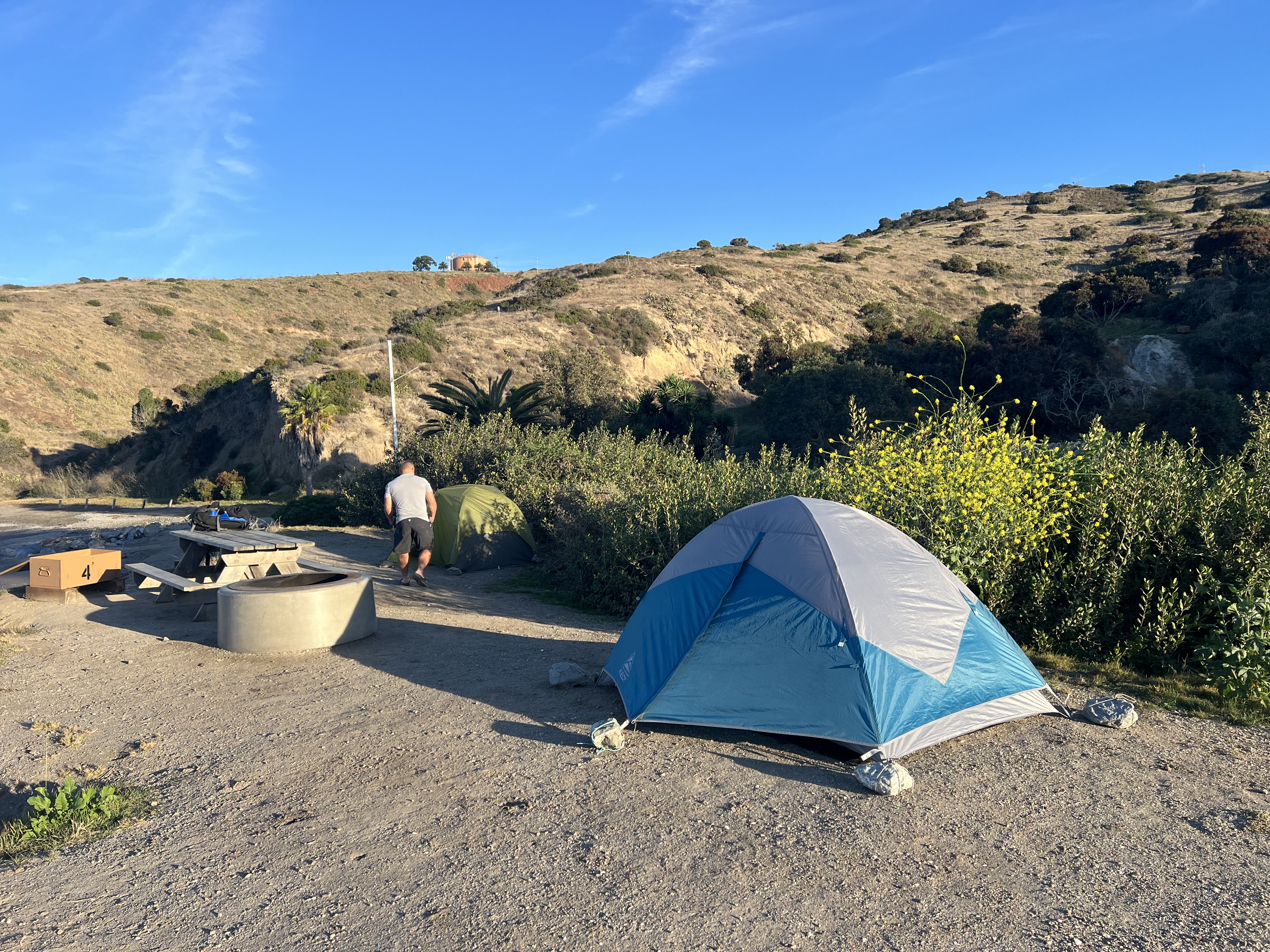
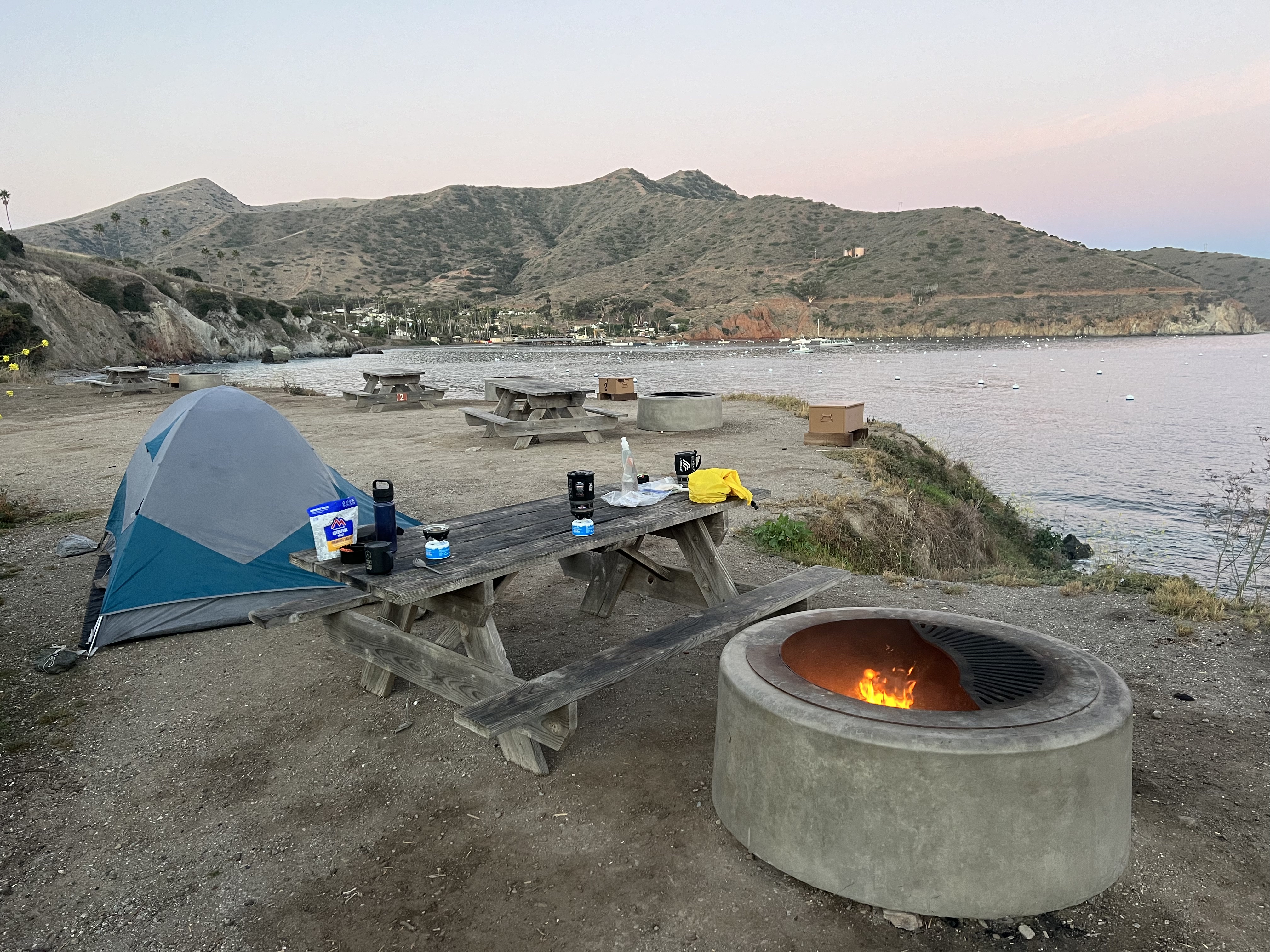
Walking past a very bougie golf course and multi-million-dollar island cottages, we soon found ourselves entering a beautifully treed campground, almost completely devoid of other campers. We found our reserved site and set up quickly, our pre-ordered stove fuel would be available to us shortly; firewood was not offered as fires are prohibited at this campground. While waiting for the attendant at the supply kiosk, I read through the notice board, taking special note of the “Snake Bite Safety” flyer. At least Kalalau didn’t have snakes, although it was unlikely in this “cold” weather (mid-60’s), that they would be a bother to us.

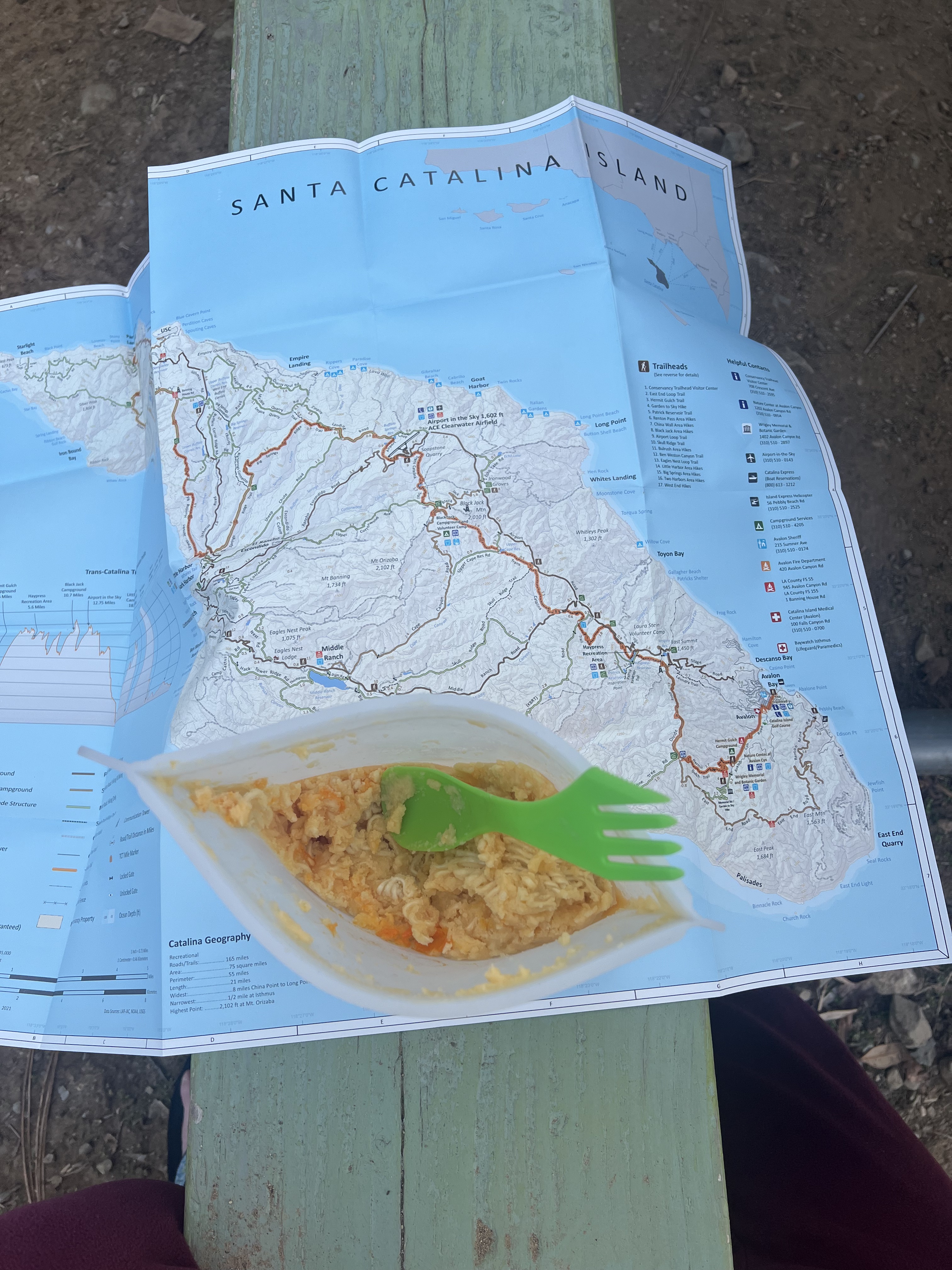
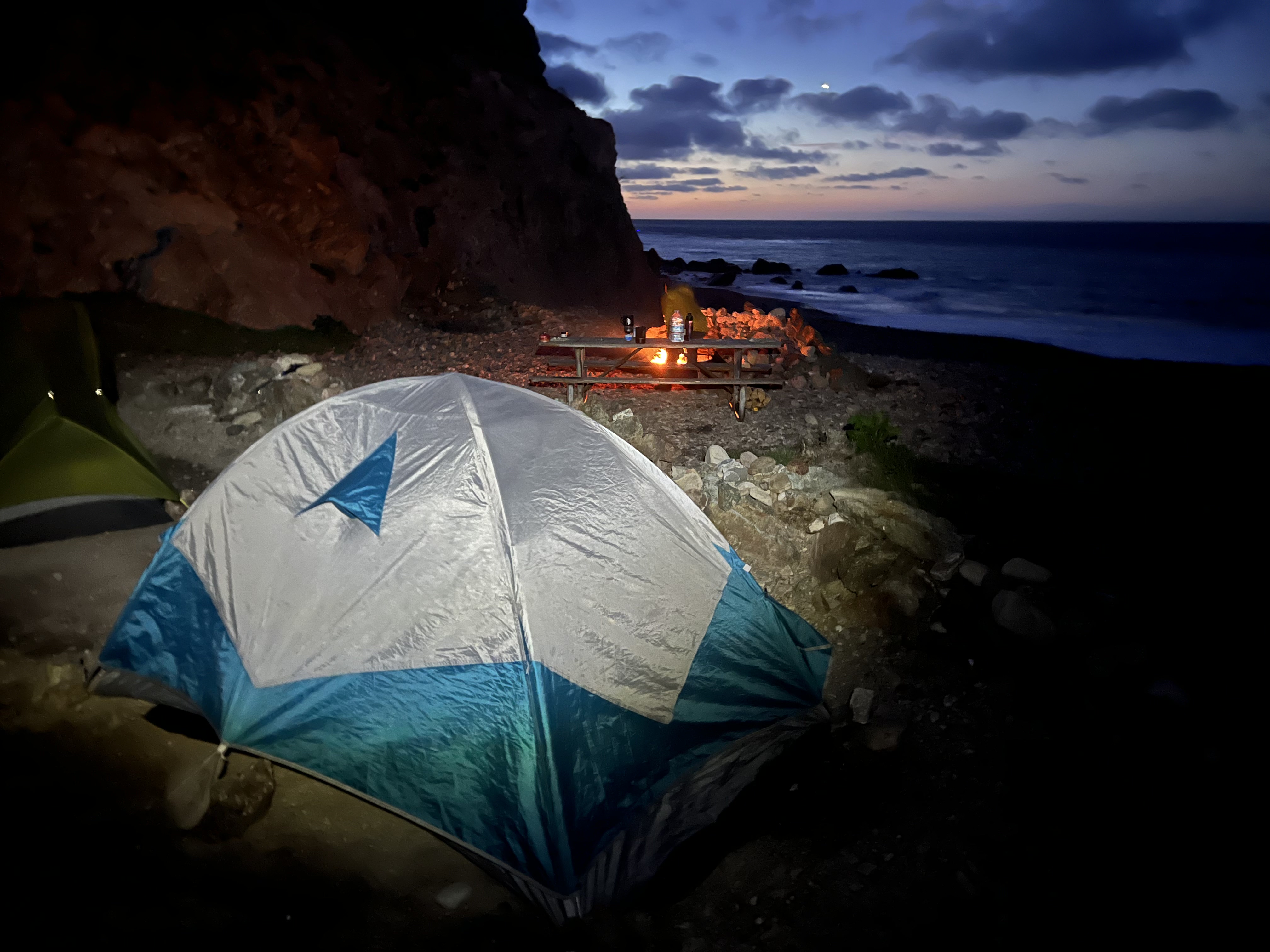
Fueled up, we made ourselves dinner and coffee. I was eating my ramen and powdered potato favorite, AKA a Ramen Bomb, when the neighboring campers started making wild hand gestures and shushing us. I was so confused, until I looked behind me and saw a mule deer buck munching away on the grass. I knew there would be a lot of wildlife here, but didn’t expect to see it so soon!

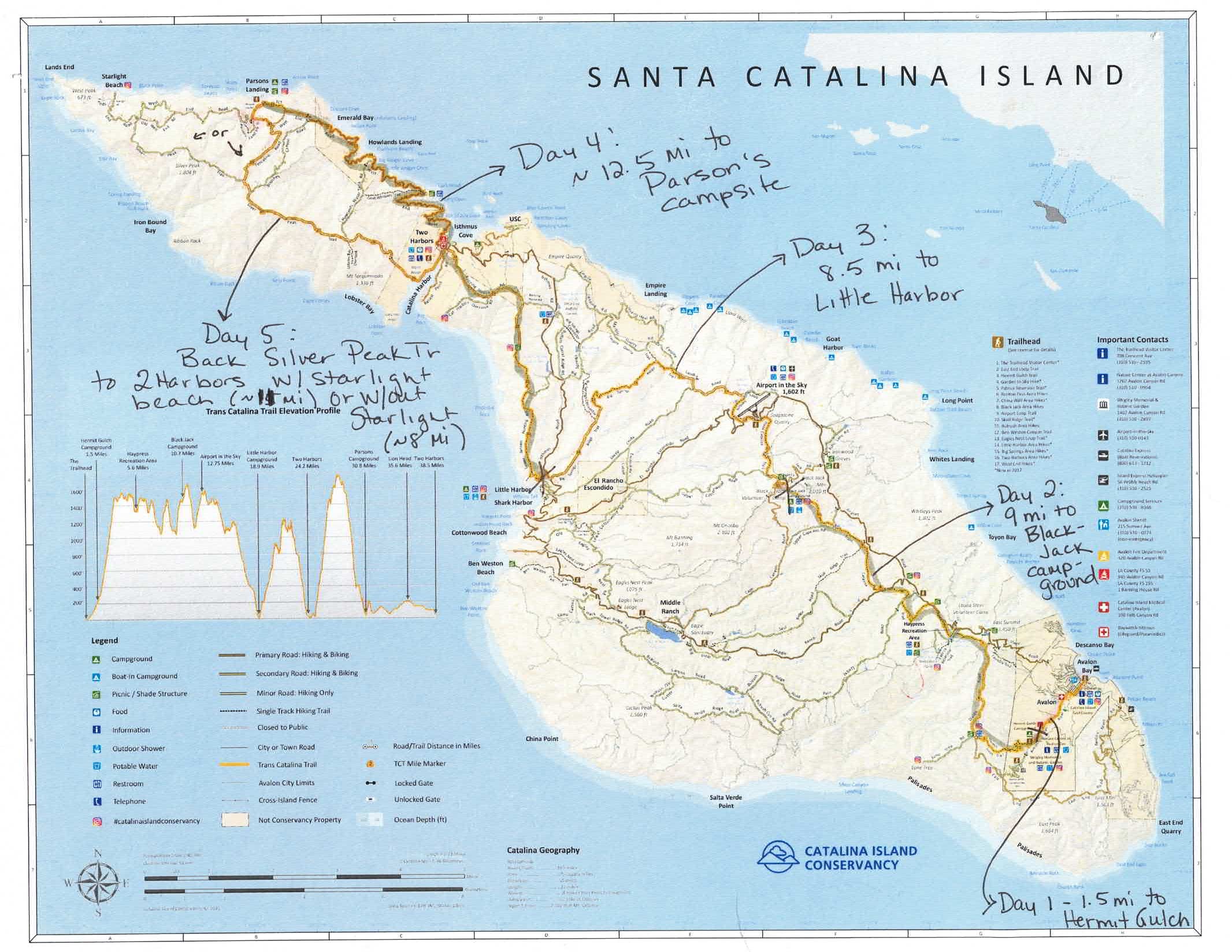
We settled into our tents knowing we had a 9 mile hike the next day, not to mention we would be climbing up from sea level to the ridge that leads to Black Jack Campground, a +3,500′ day. Combine that with packs full of supplies for 4 more days on the trail and we both knew we needed a good night’s sleep. Unfortunately, neither of us got that.

Day 1

Hermit Gulch Campground → Black Jack Campground
9.2 Miles, +3,587′

We both woke up early, unable to stay in bed any longer. We both had underestimated how cold it could get here at night, and our light, 50 degree sleeping bags weren’t doing the trick. We were wearing every piece of clothing we had brought but still shivered throughout the night. Hot coffee and oatmeal warmed me up, as did the rising sun, and I knew I needed a backup plan in case this chill carried through to the higher and more northern campgrounds.

I found an empty trash can with a fresh contractor liner and permanently borrowed the trash bag to use as an emergency bivy sack. I figured, worst case scenario, the plastic trash bag would retain some body heat inside my sleeping bag. We weren’t turning back, but did have reservations about our sleeping bag choices and how comfortable or uncomfortable we would be for the next 4 nights.

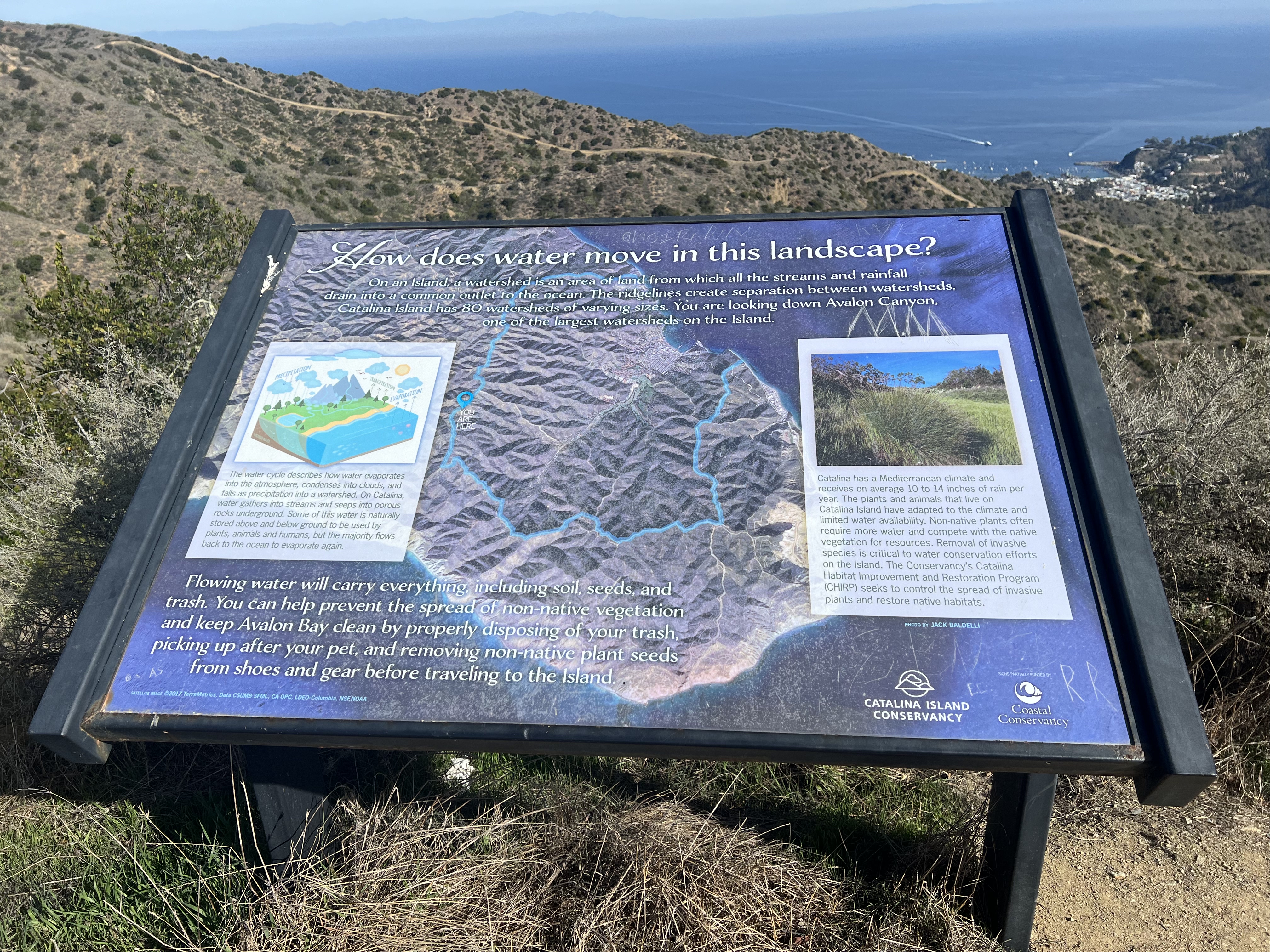
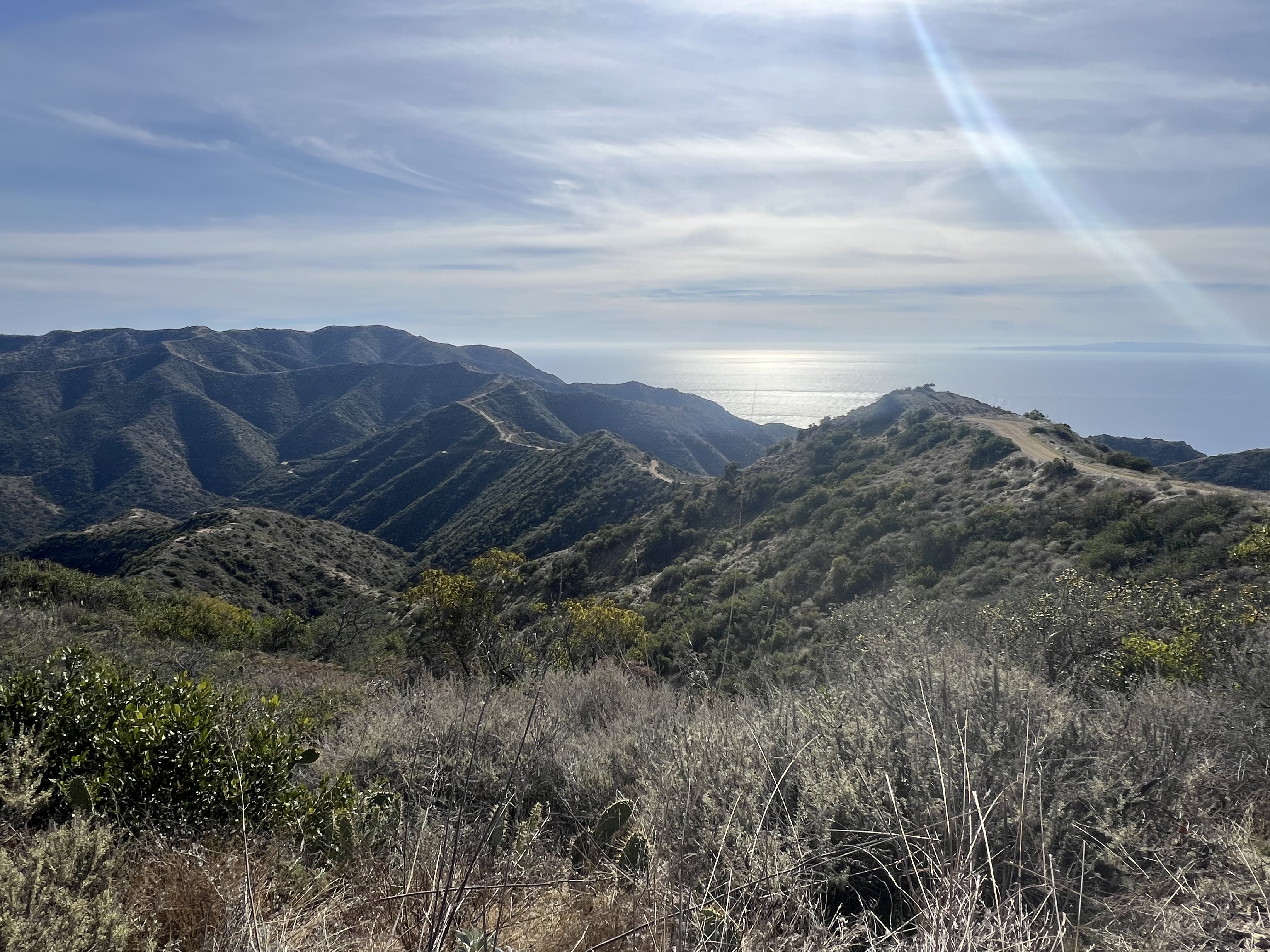
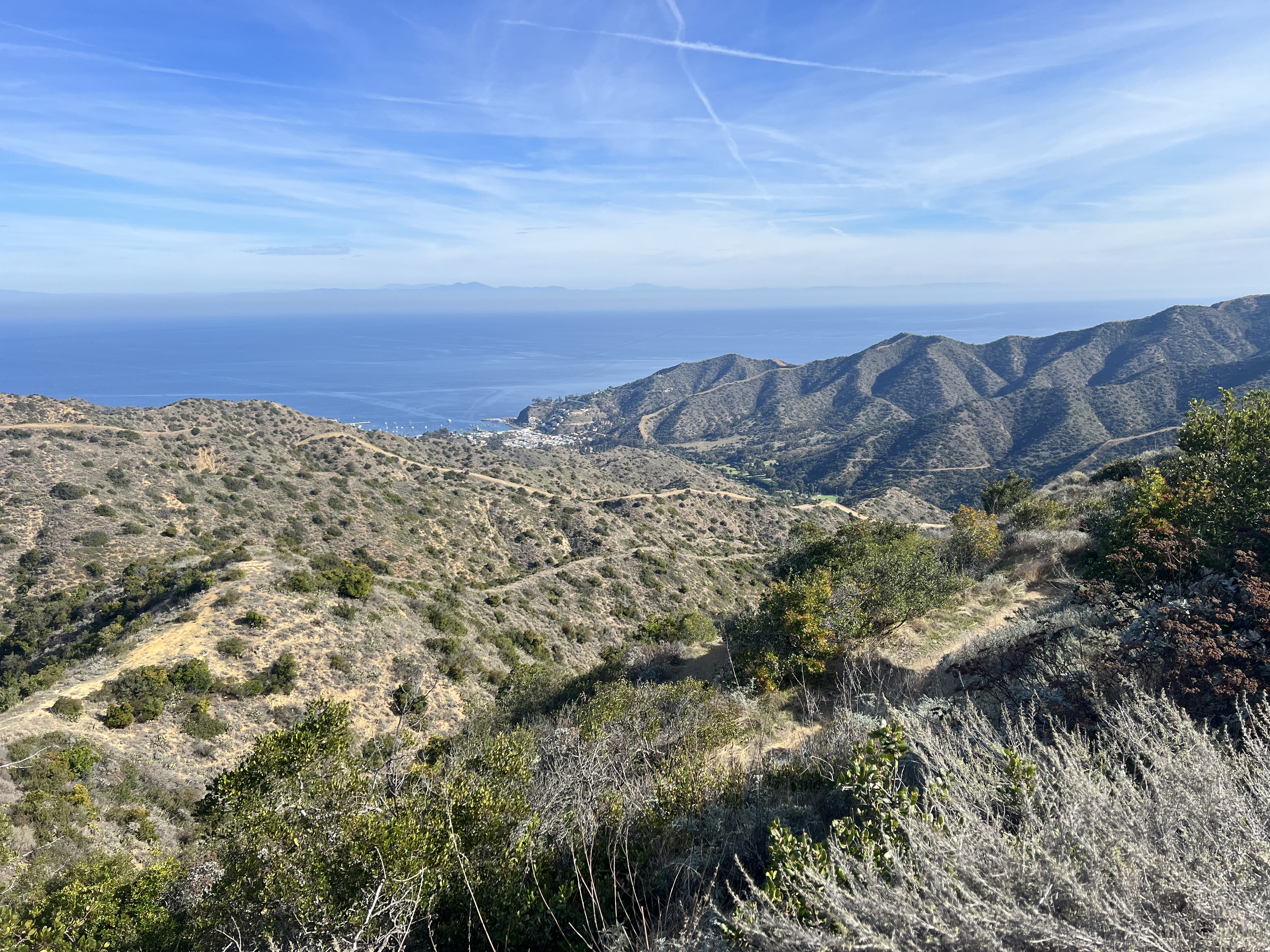
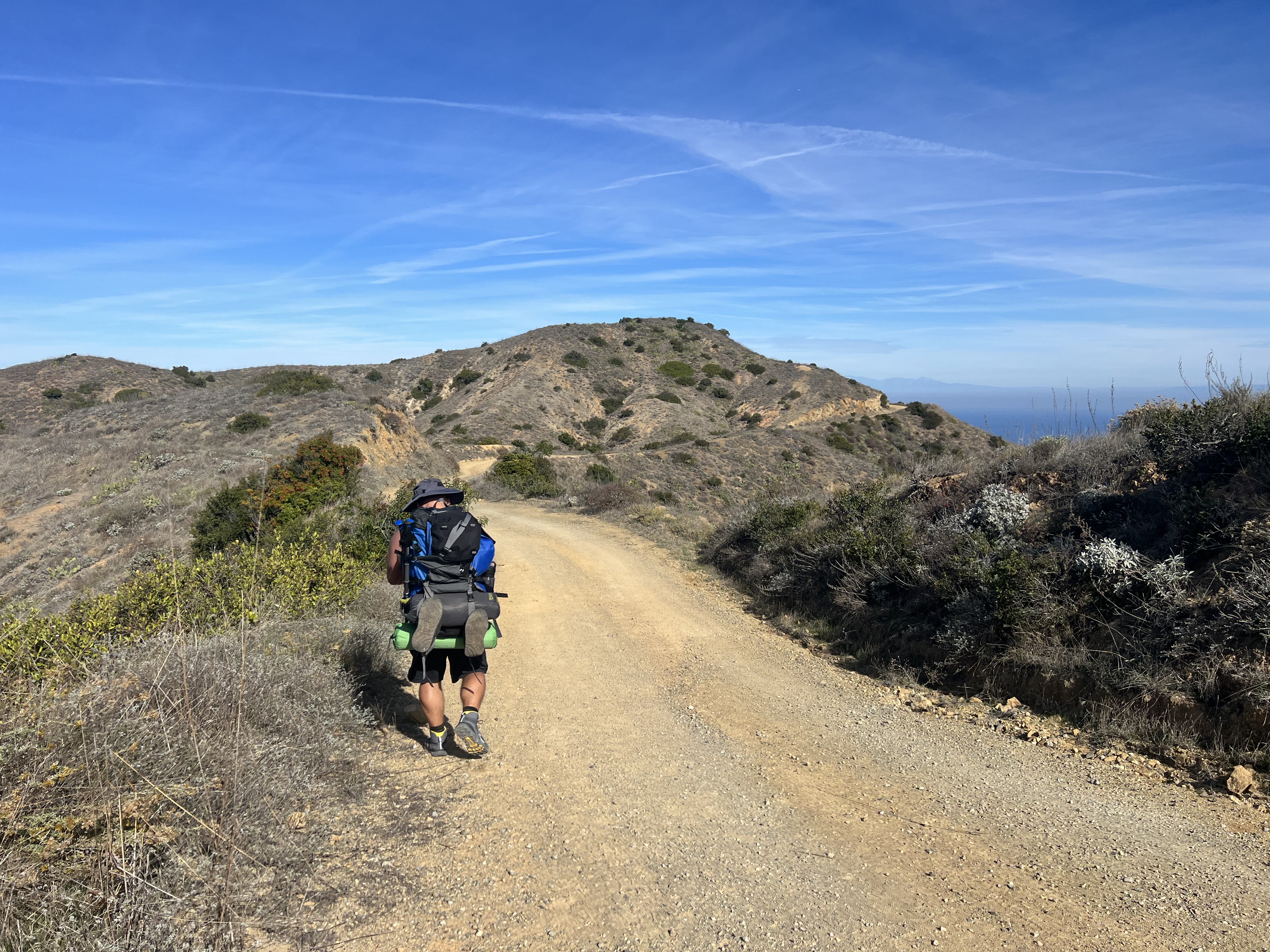
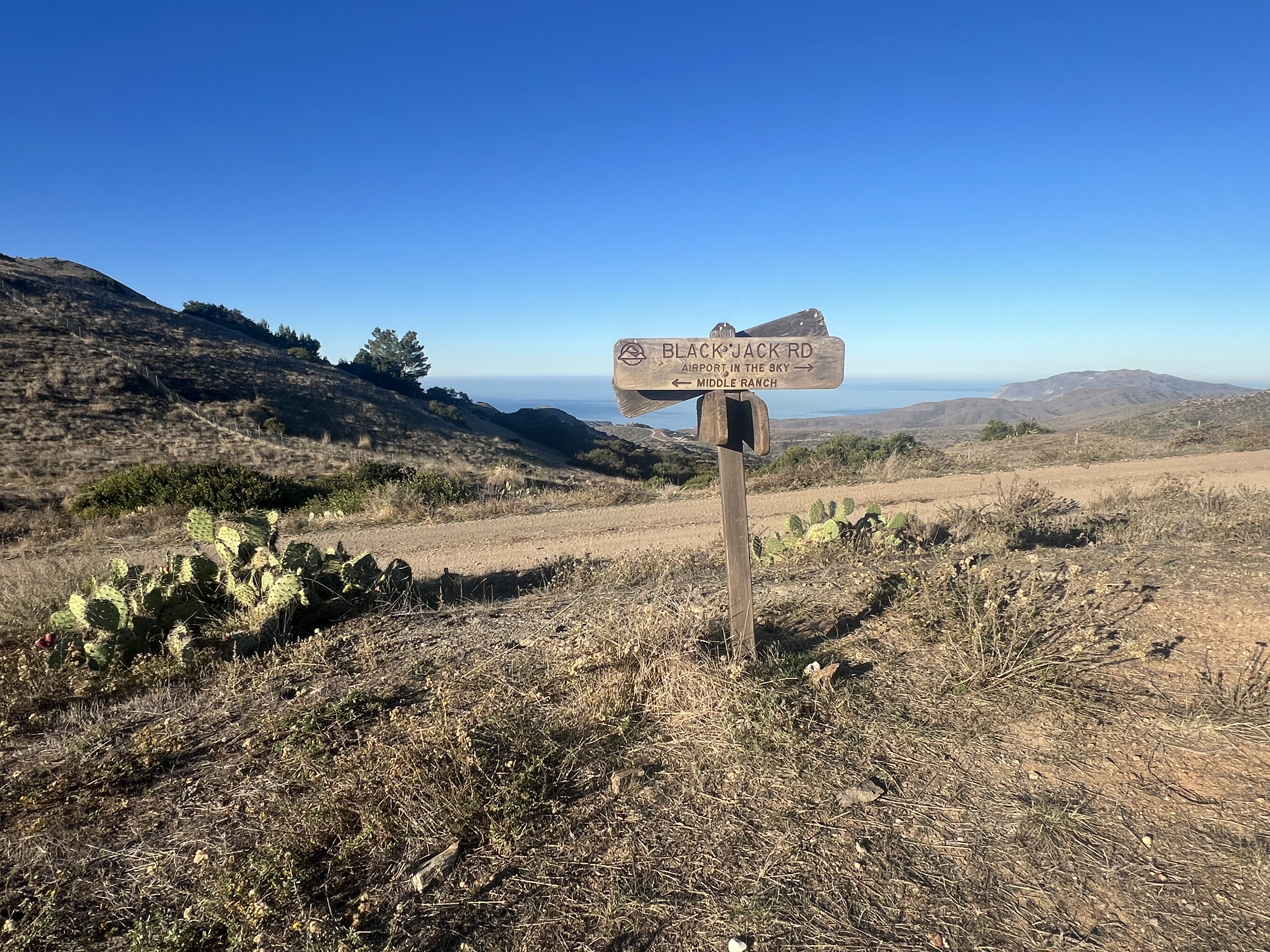
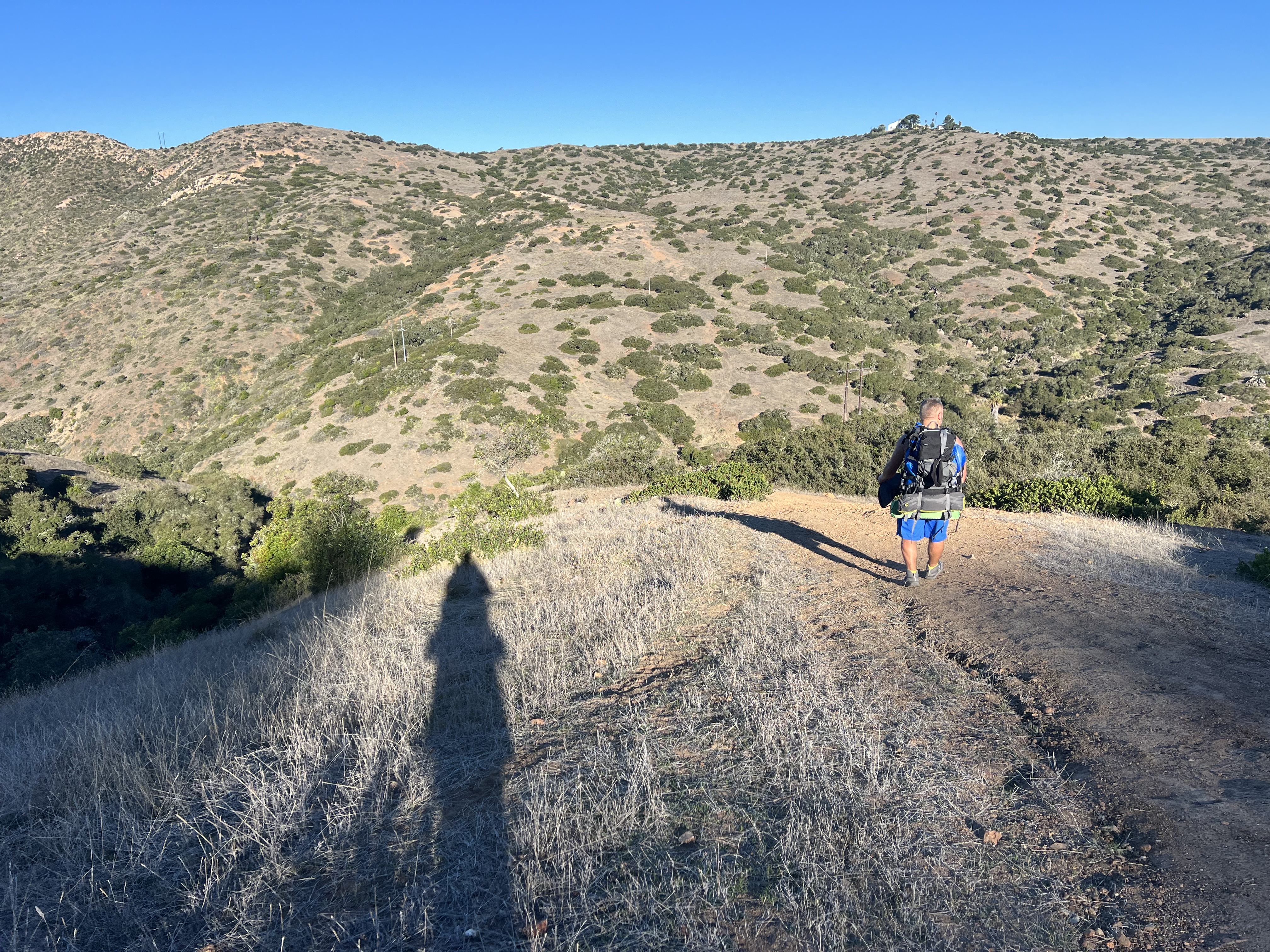
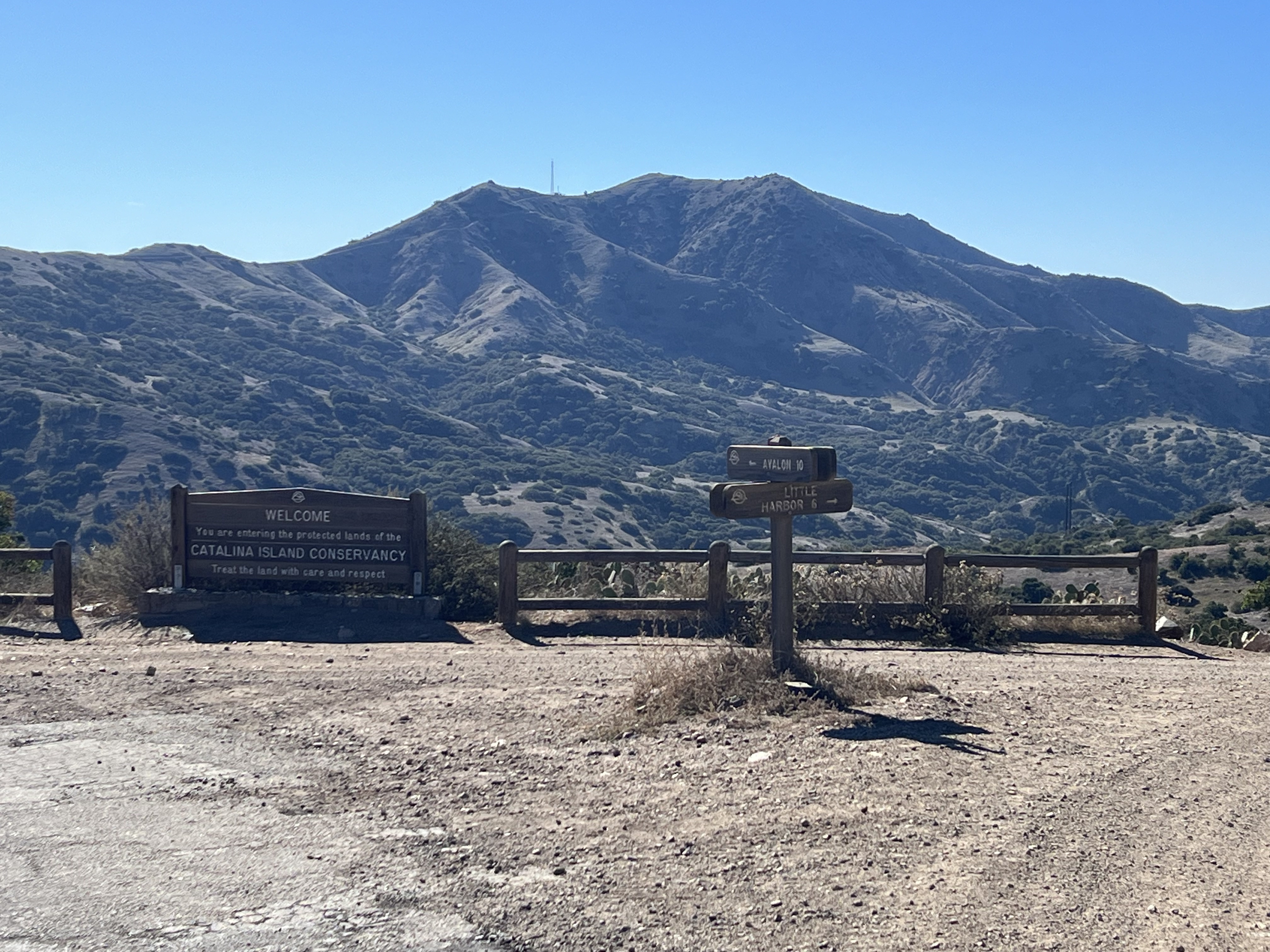
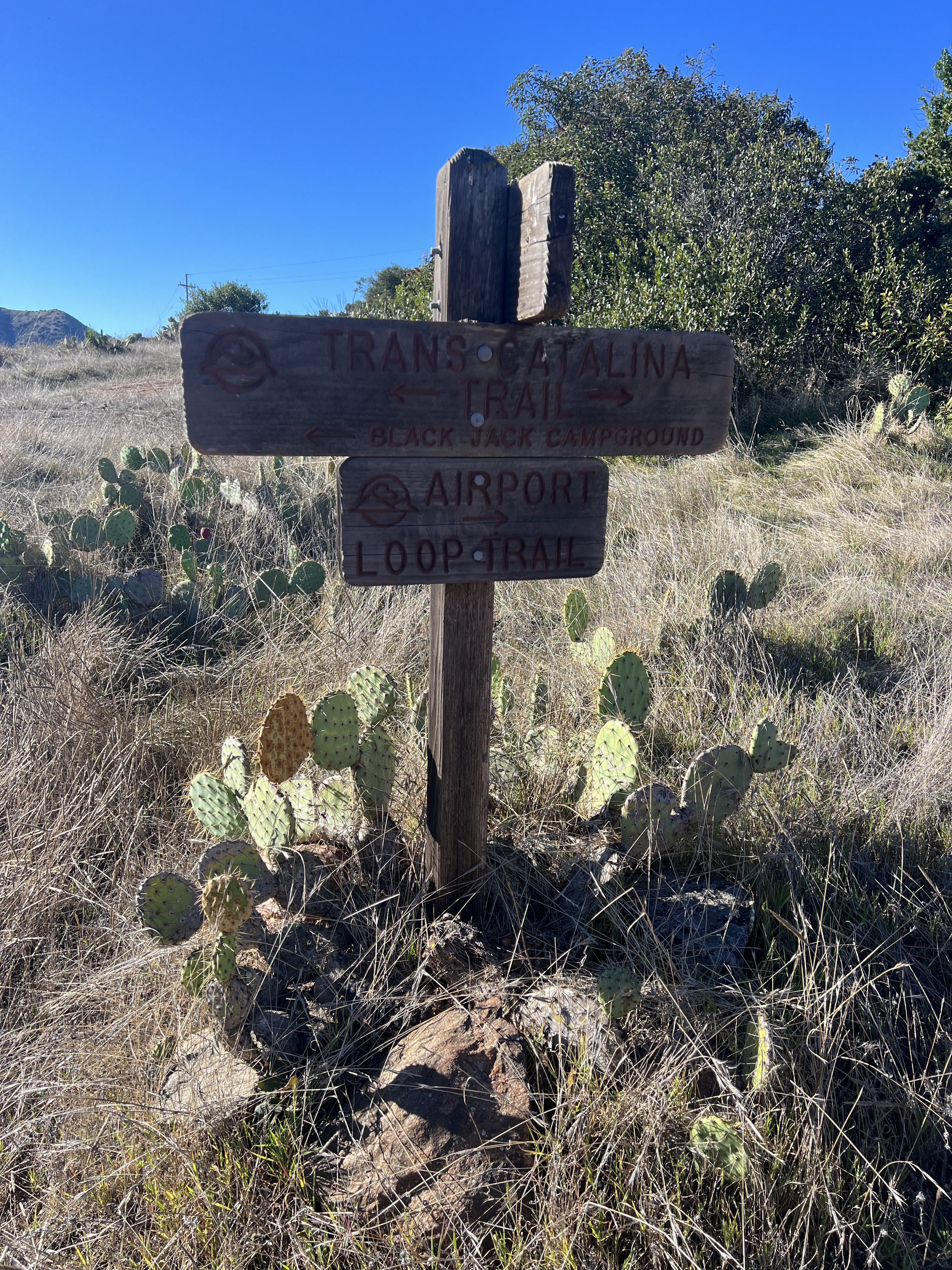
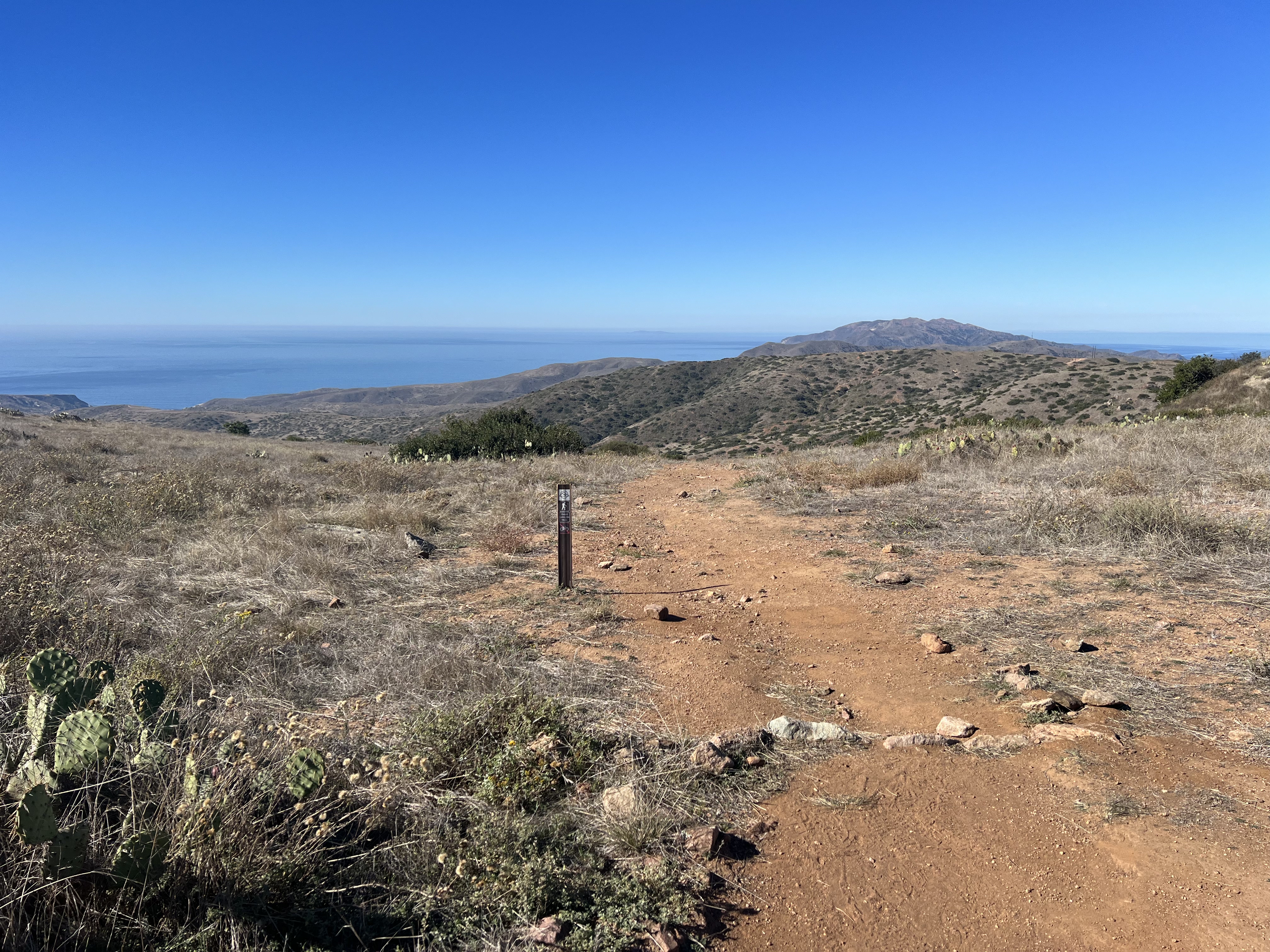
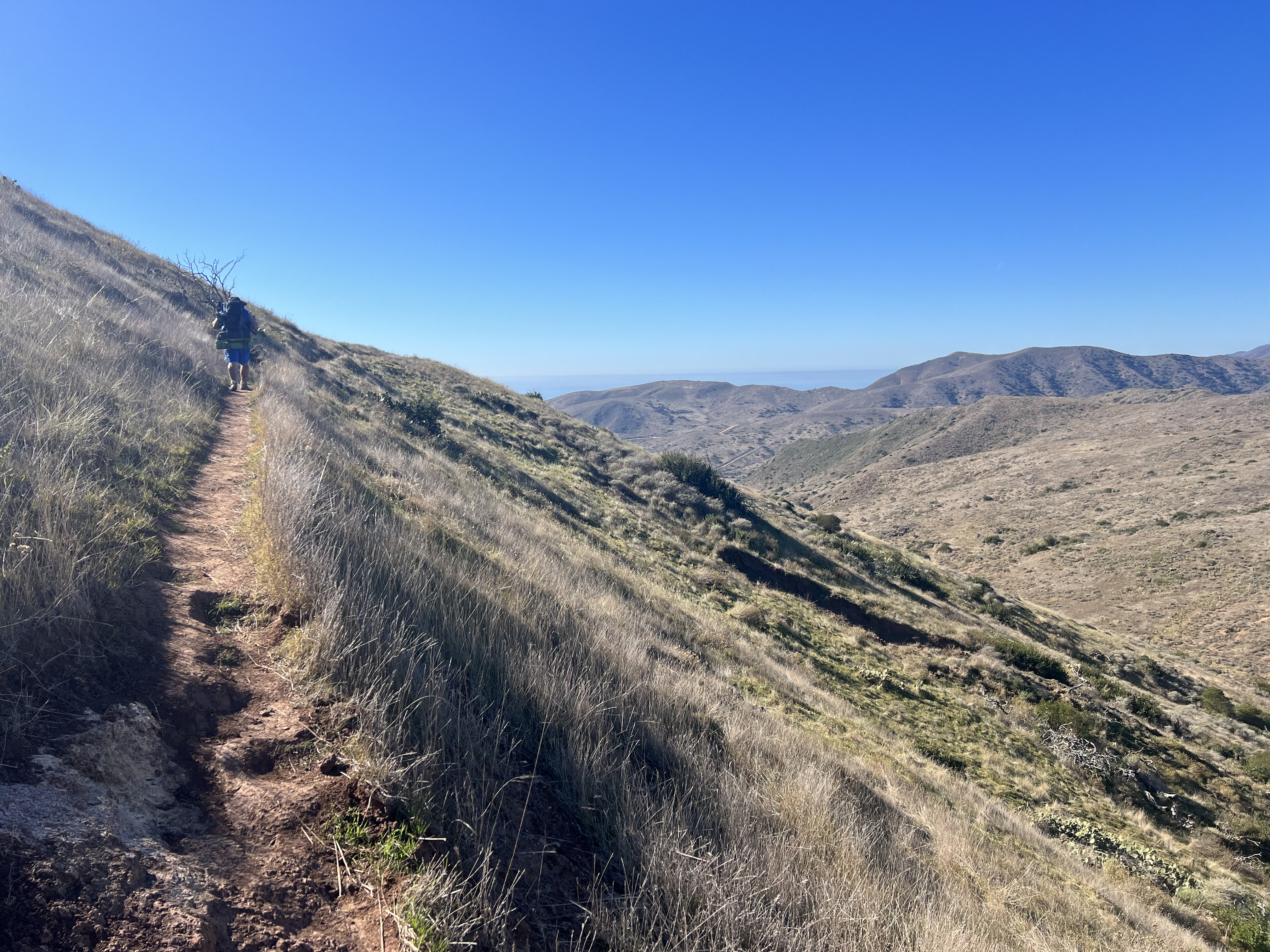
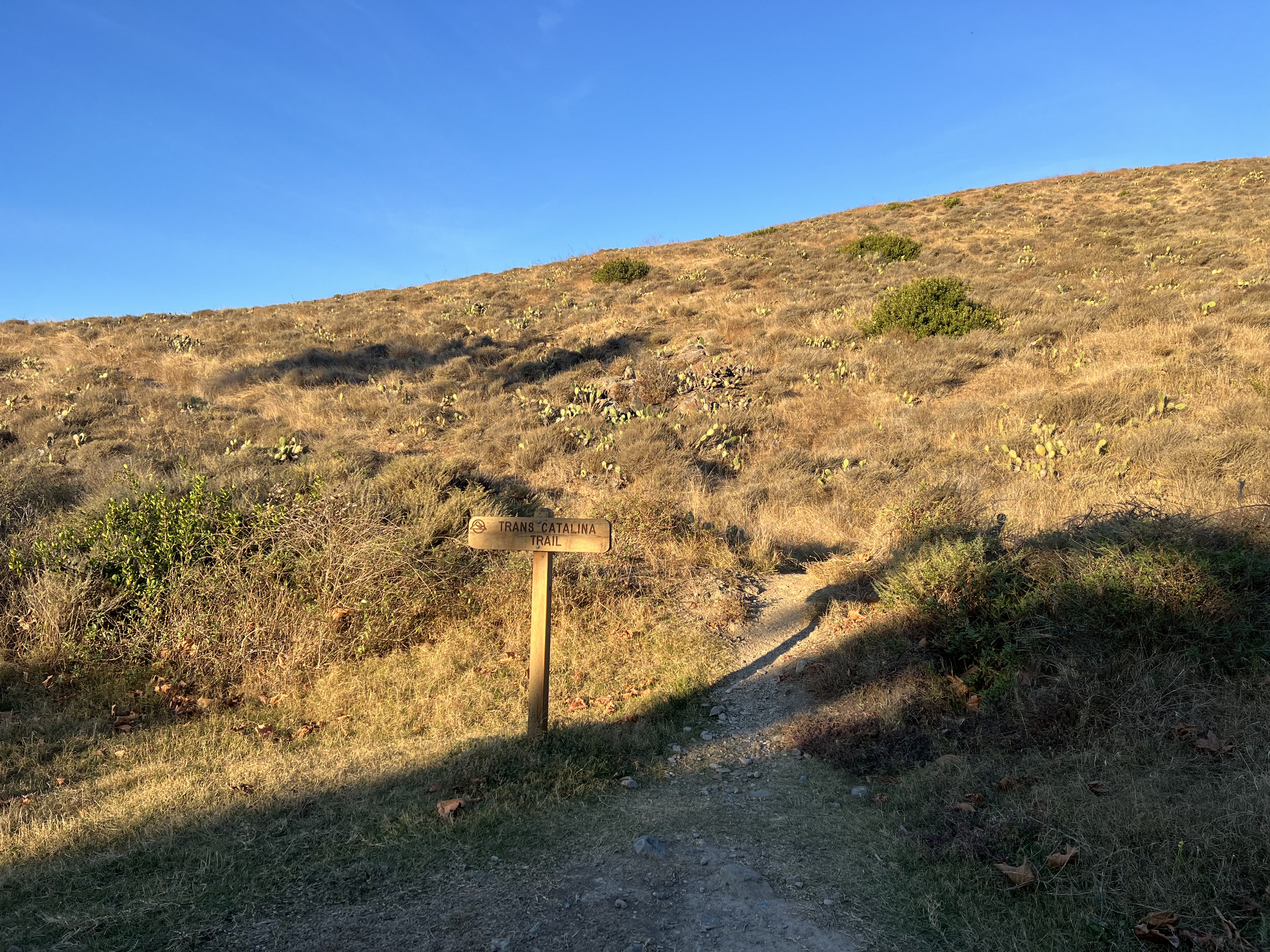
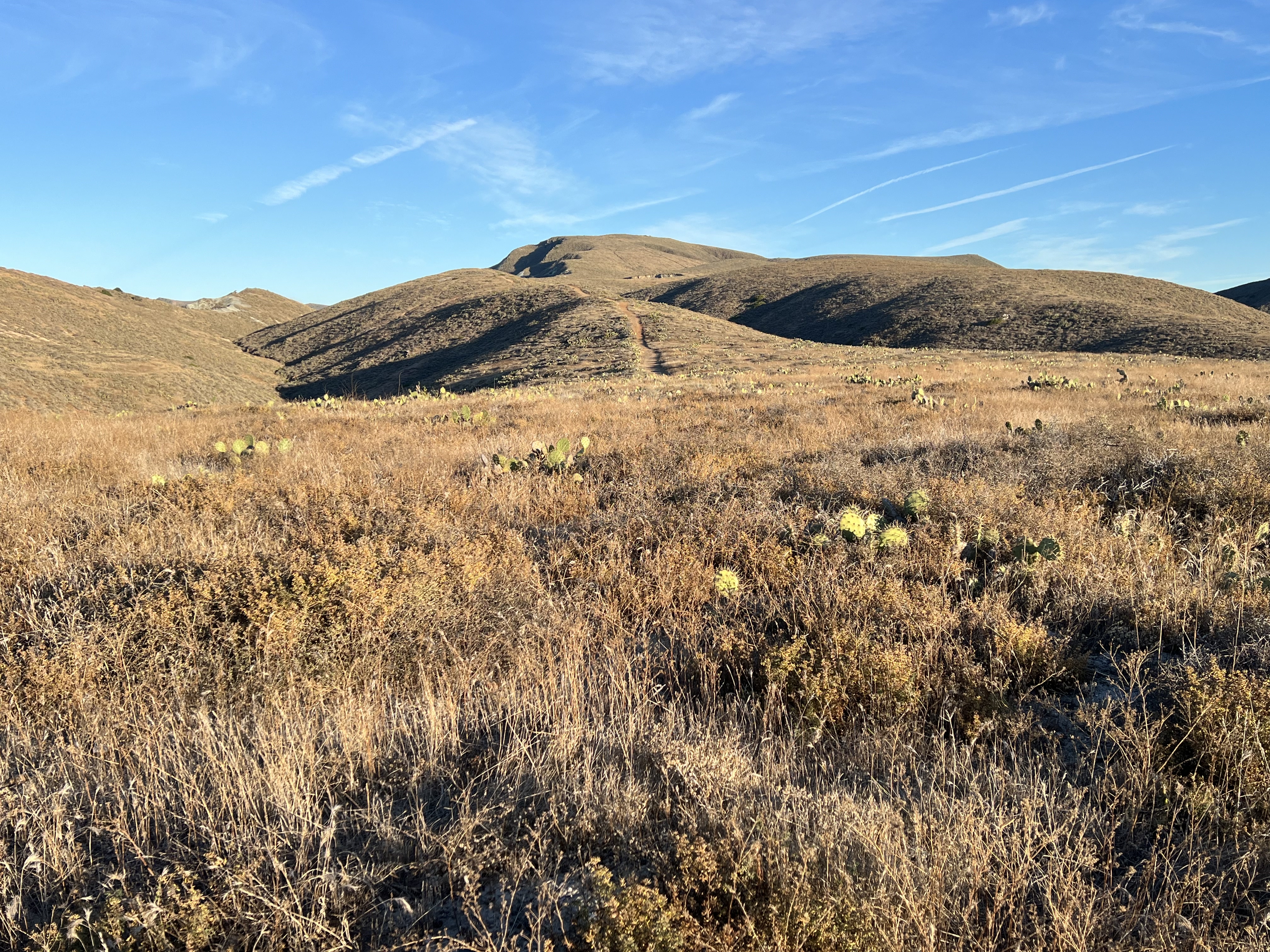
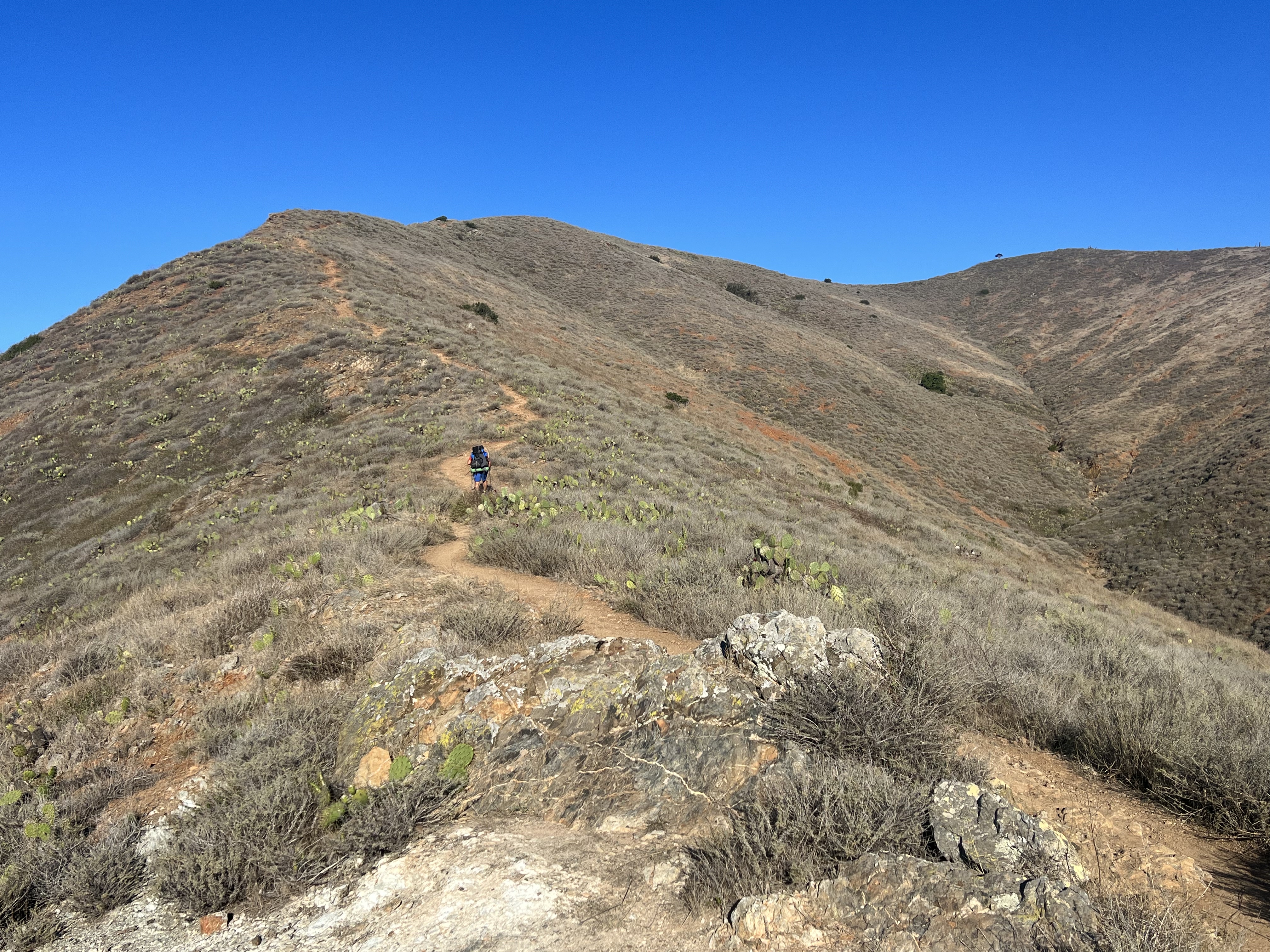
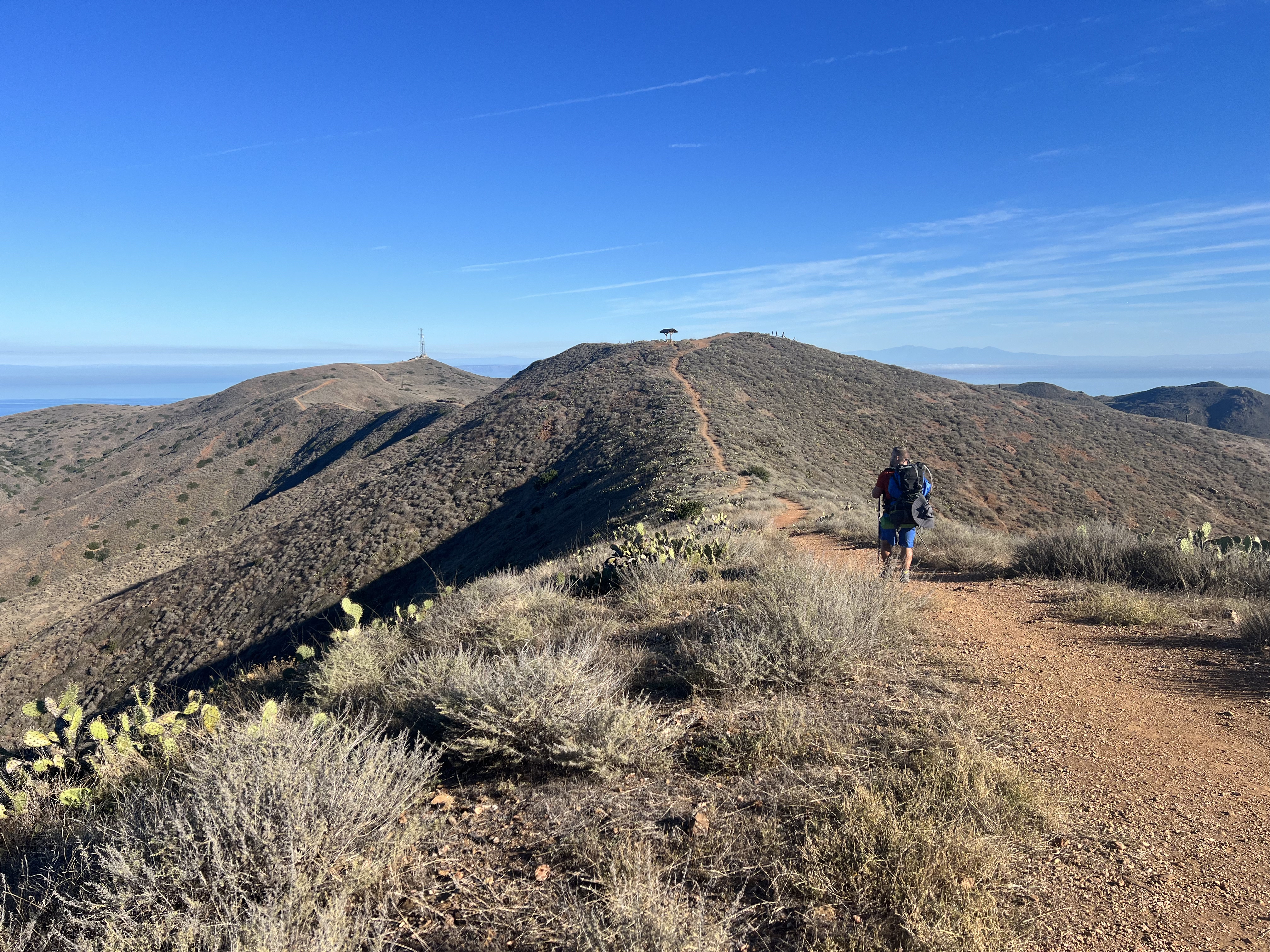
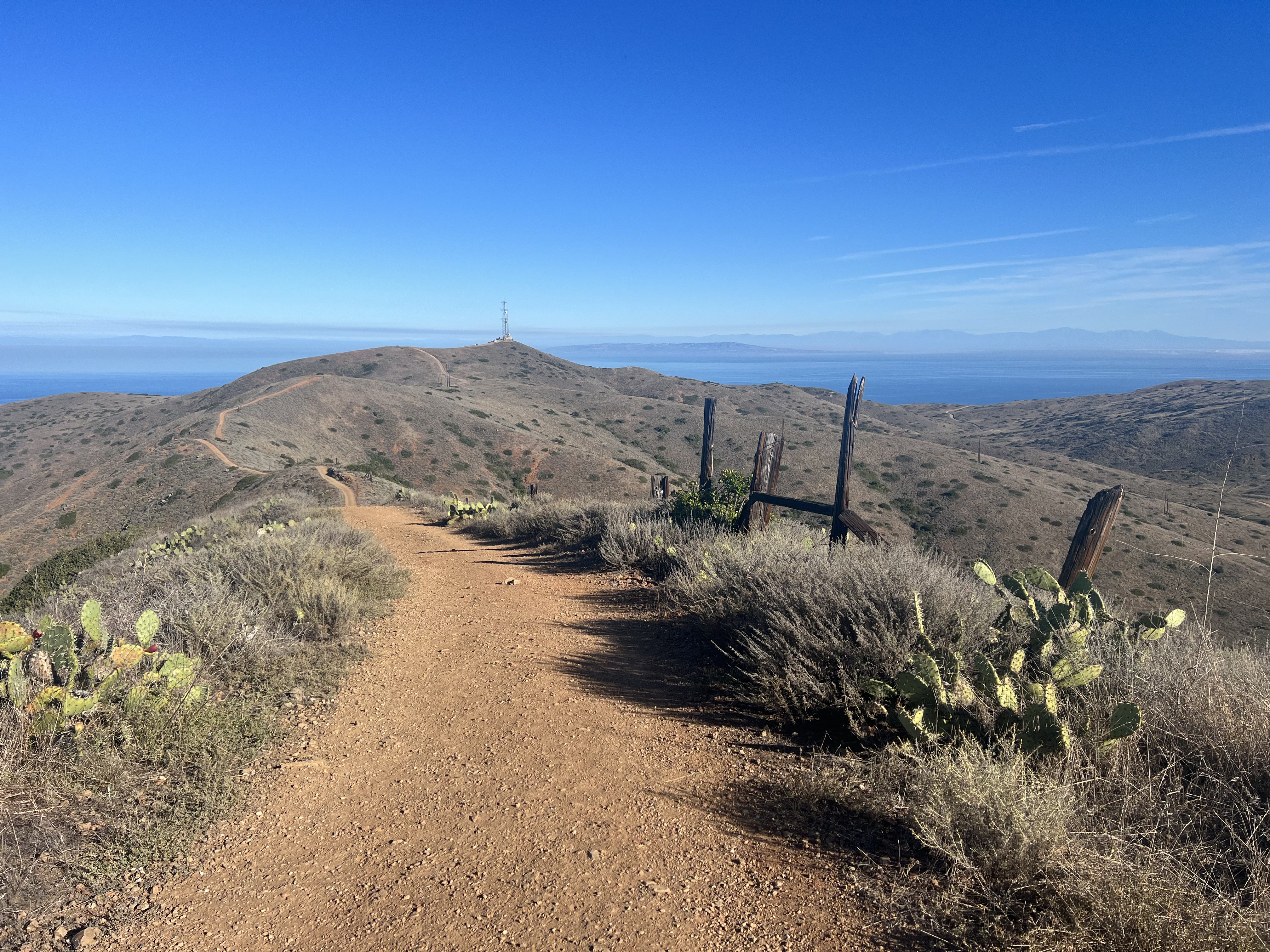
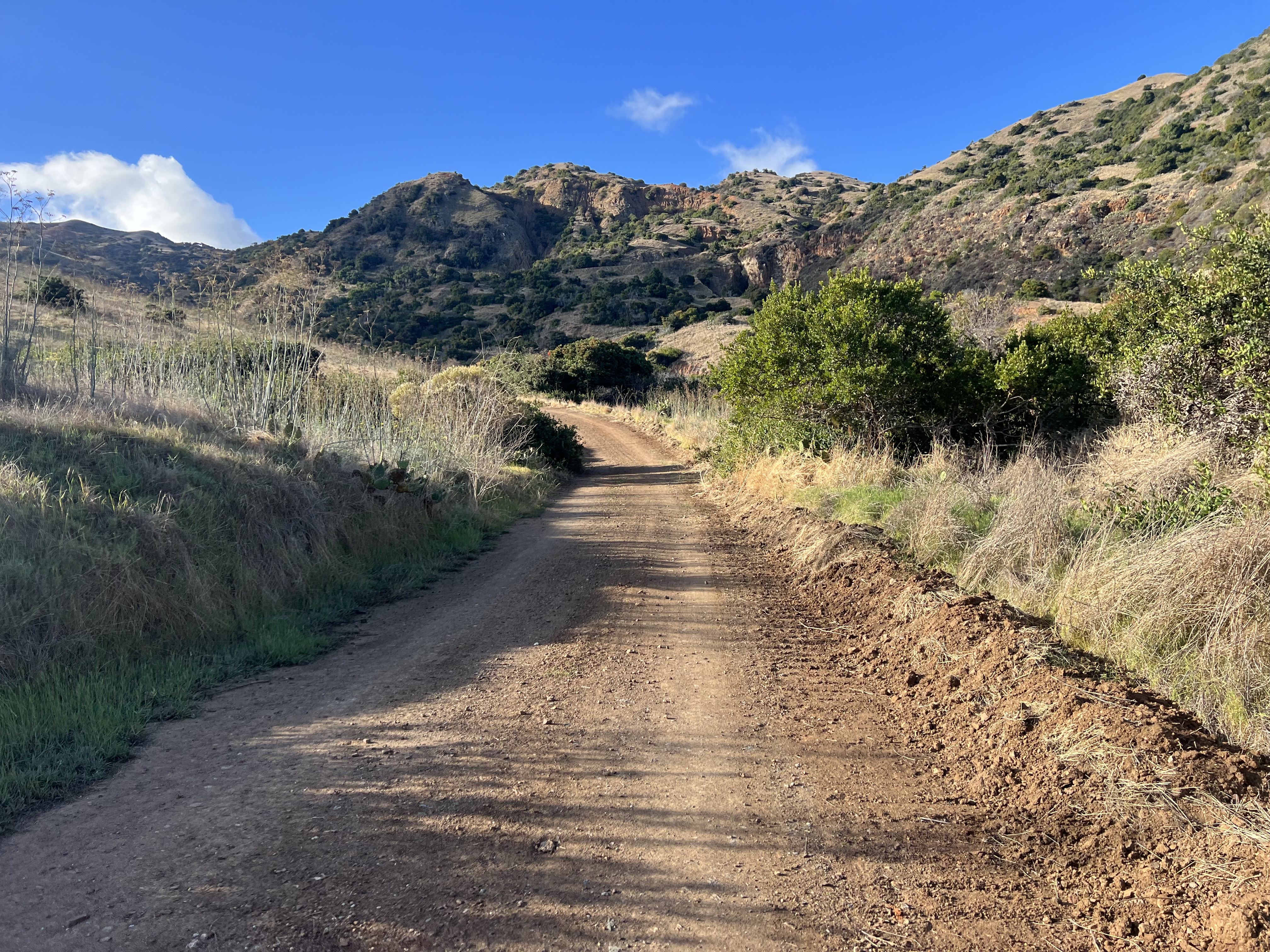
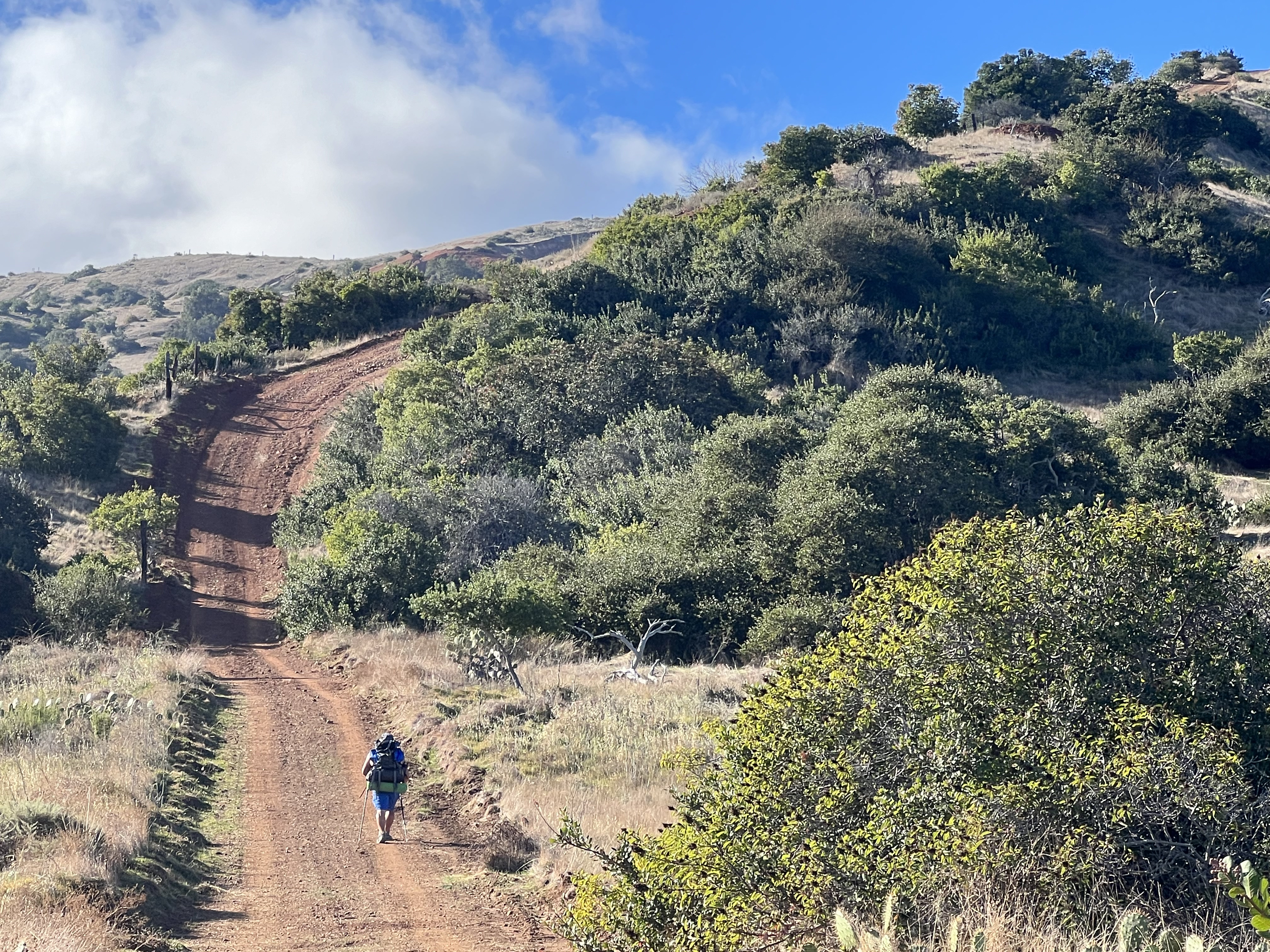
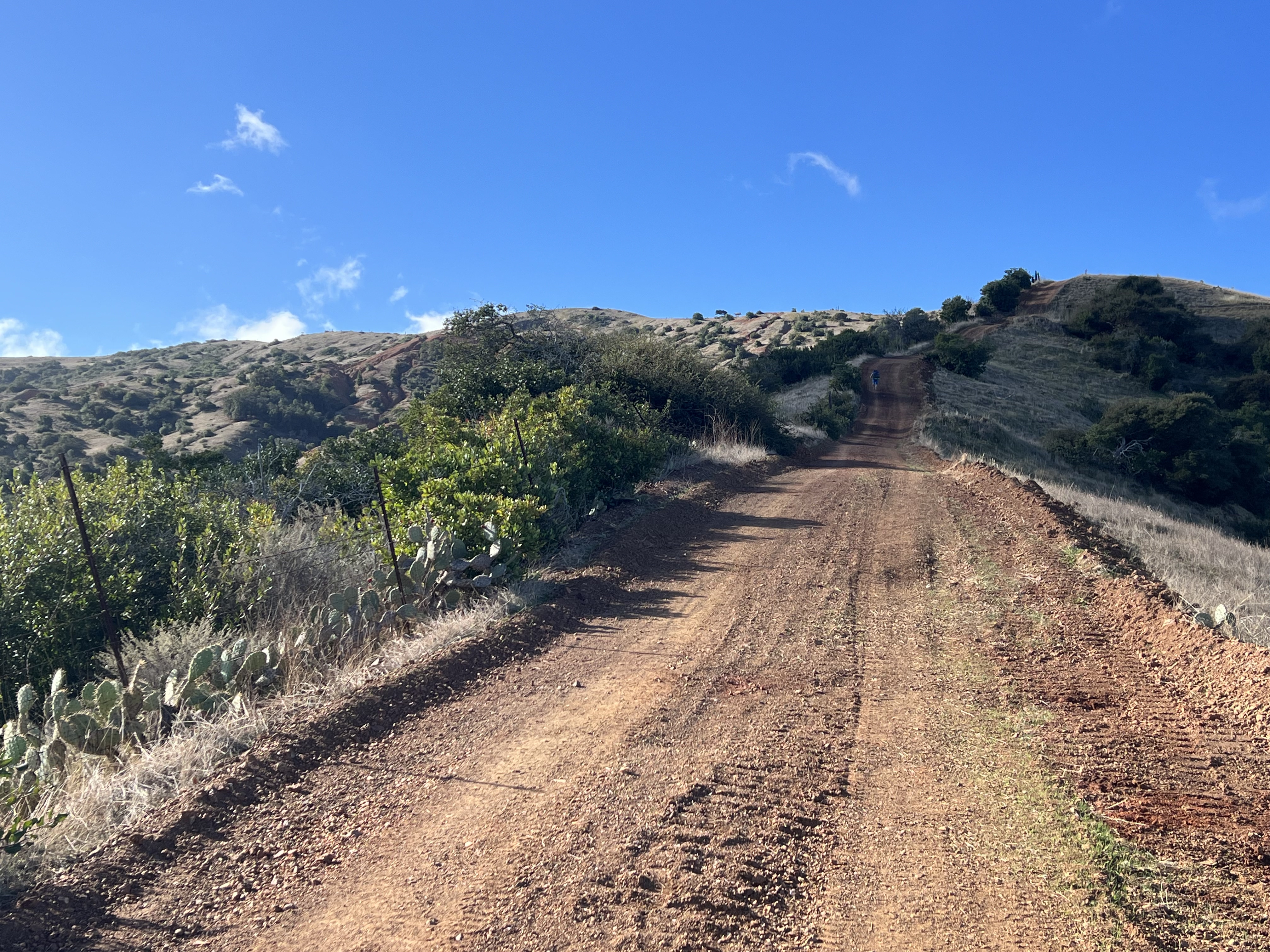
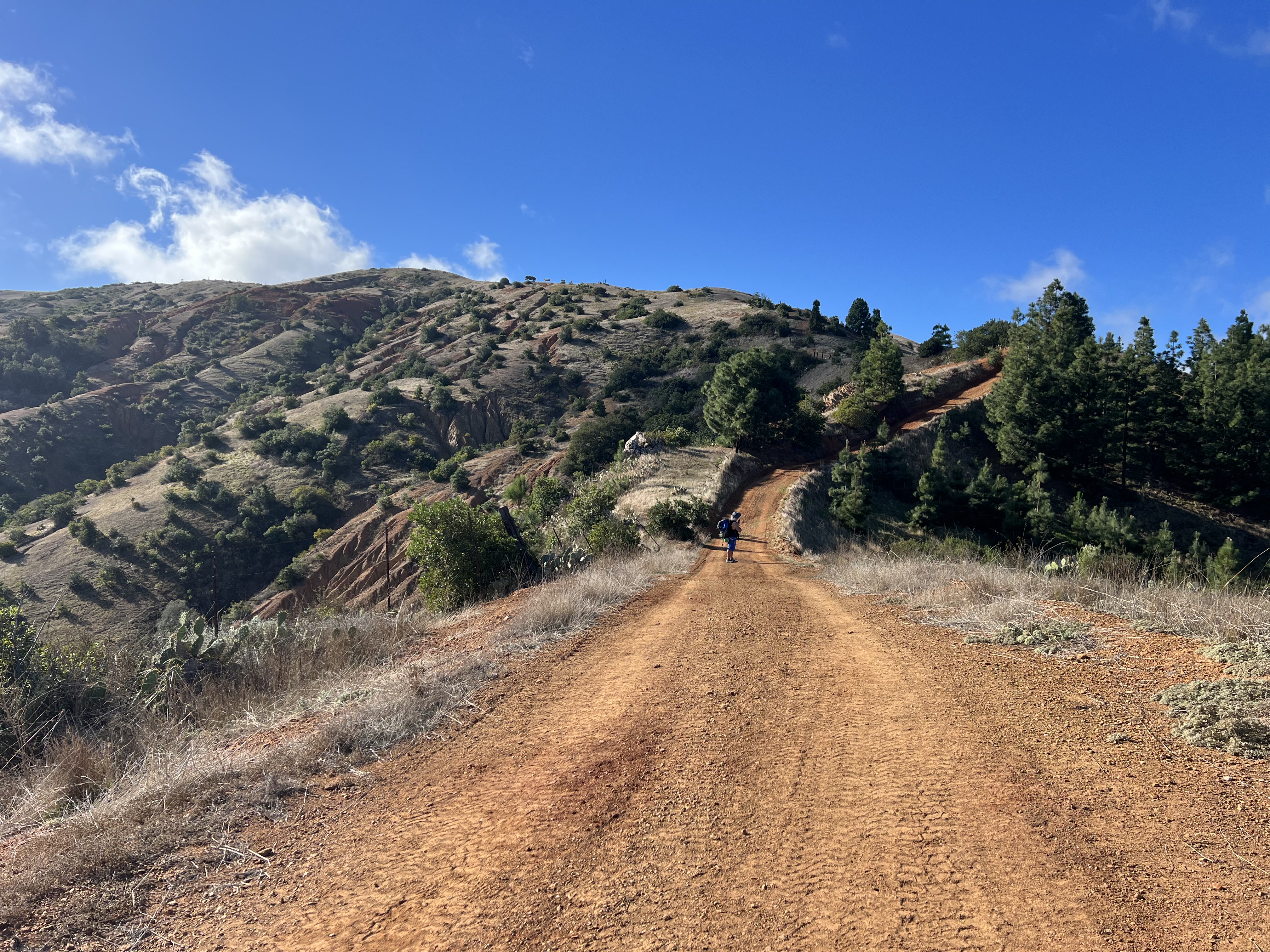
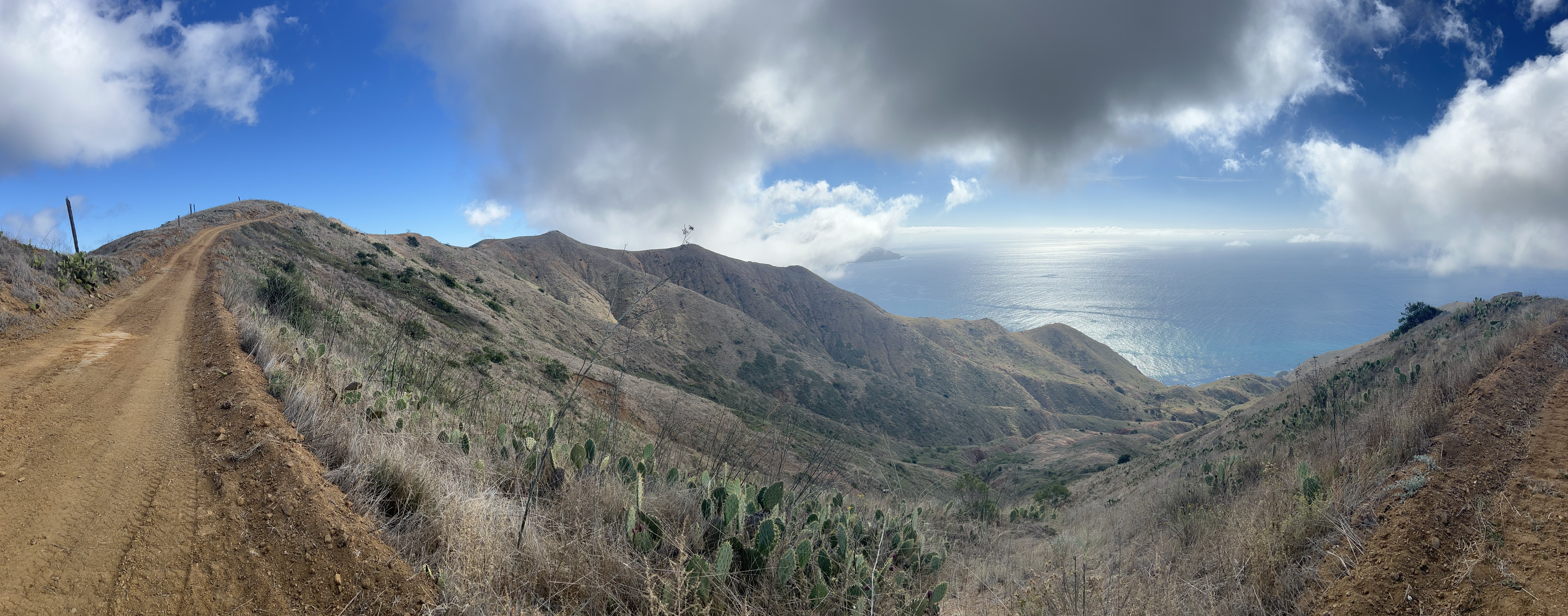
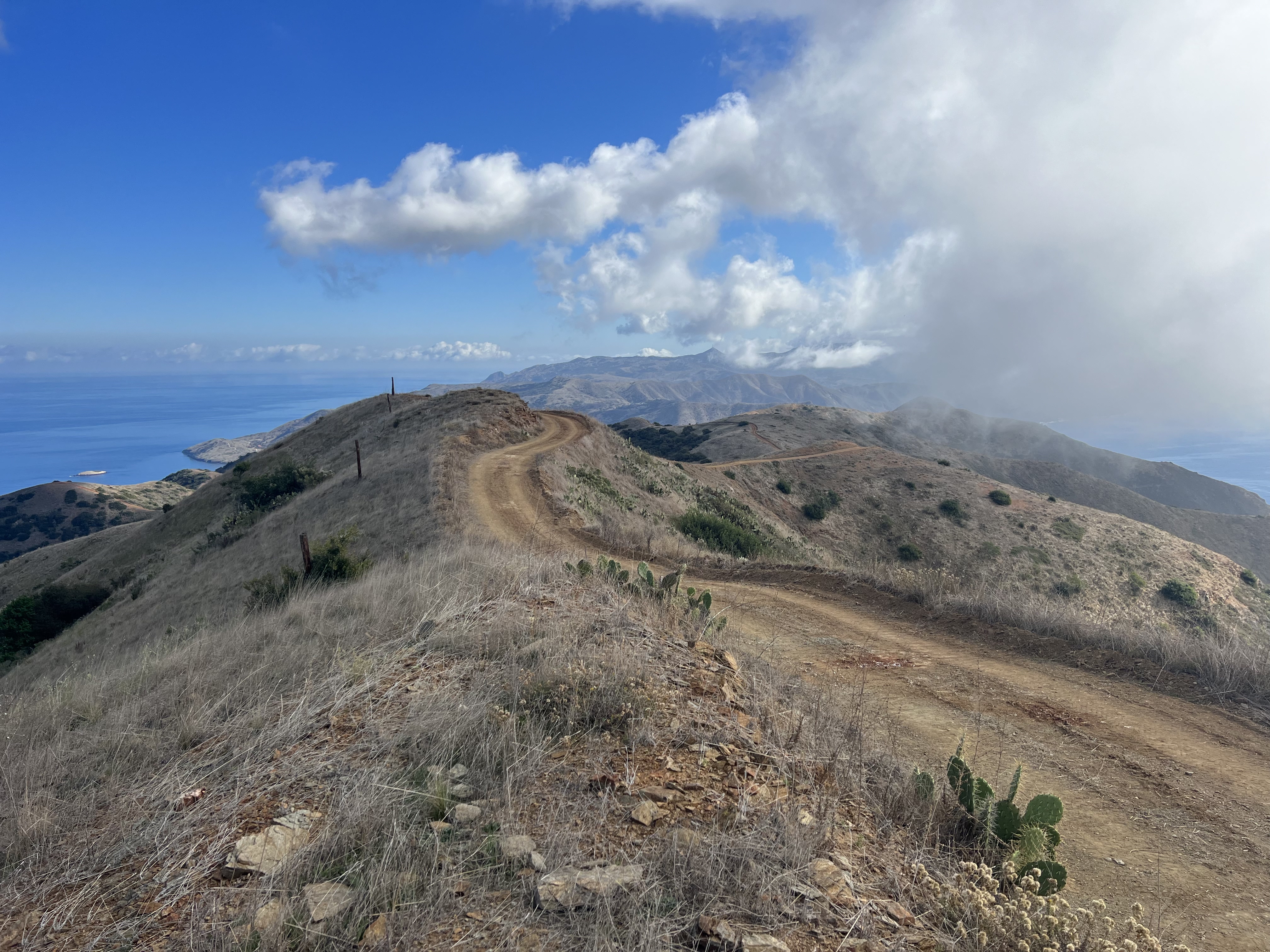
We packed up and started up the trail. Literally up. Climbing 1500′ in under 2 miles with a full pack is always a chore, and it was starting to get hot at 930am. We talked about how being a little chilly would be nice (oh, the irony). In just over an hour, we reached the ridge, where our footpath turned into a rarely used dirt road. The island has a myriad of roads and trails, allowing for weeks of exploring, but our goal was Black Jack Campground, now 7.5 miles and +2,000′ to go. We could look down and see Avalon in the distance, now appearing just a tiny, quiet enclave and not a bustling tourist town.

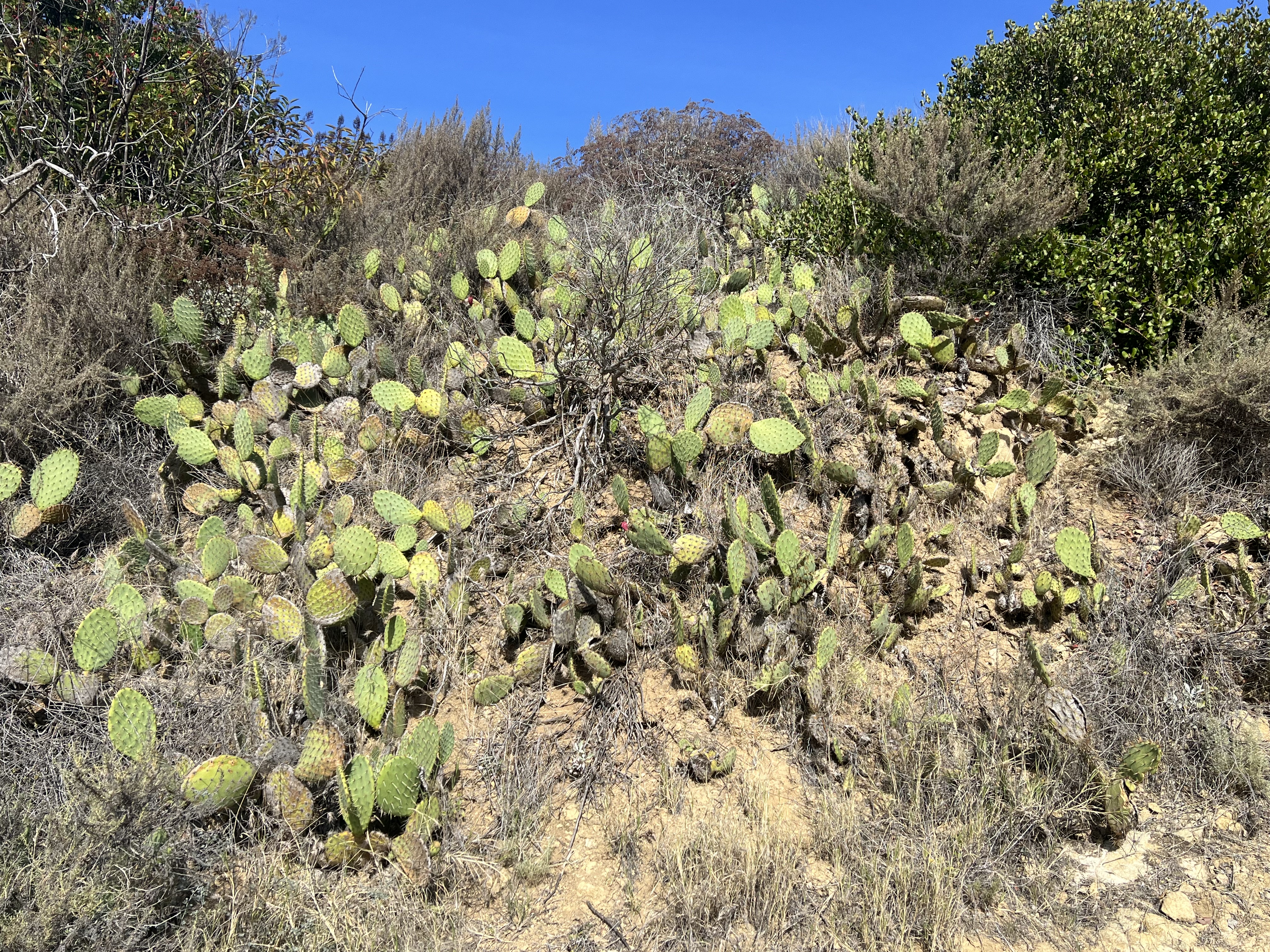
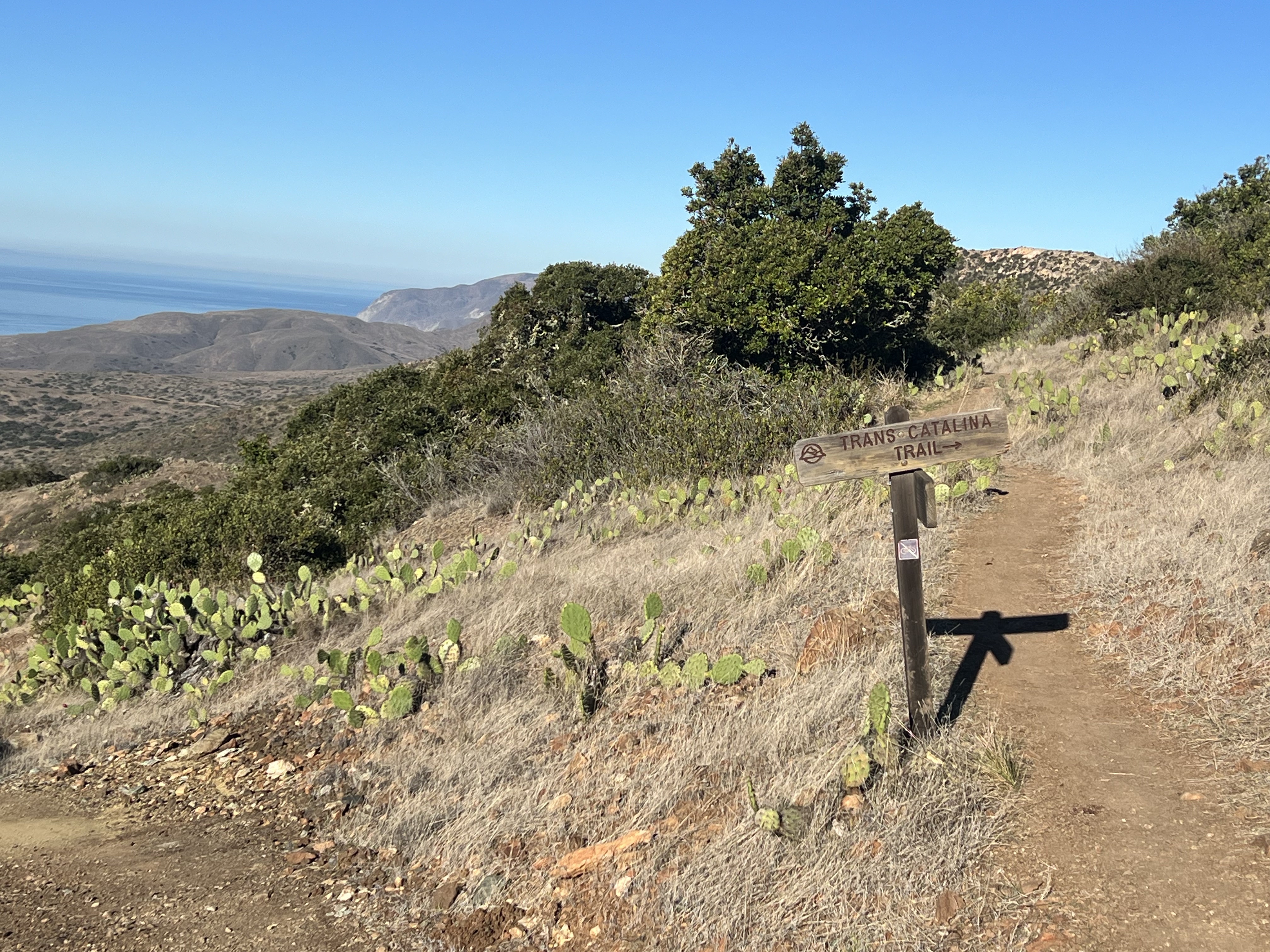
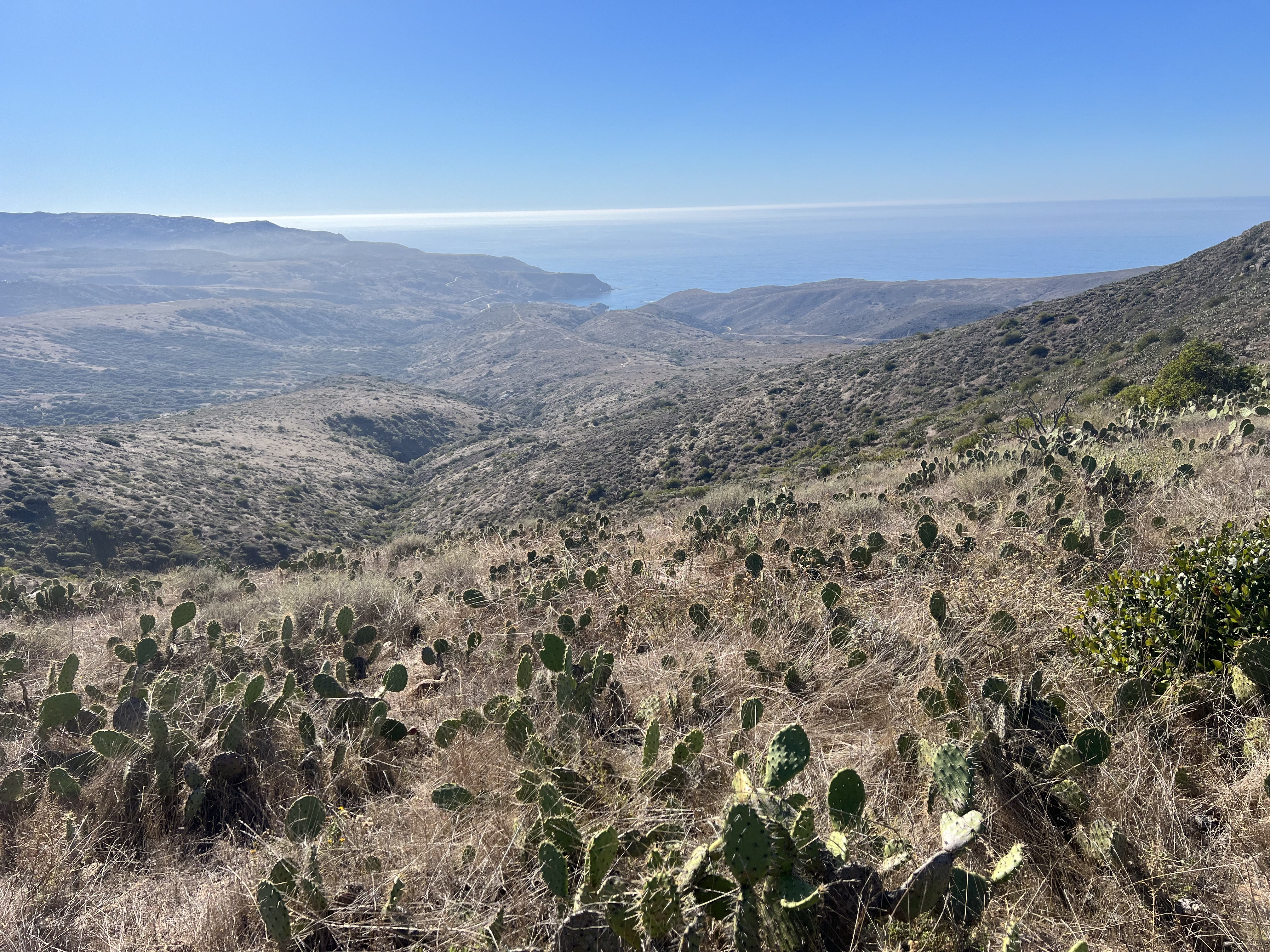
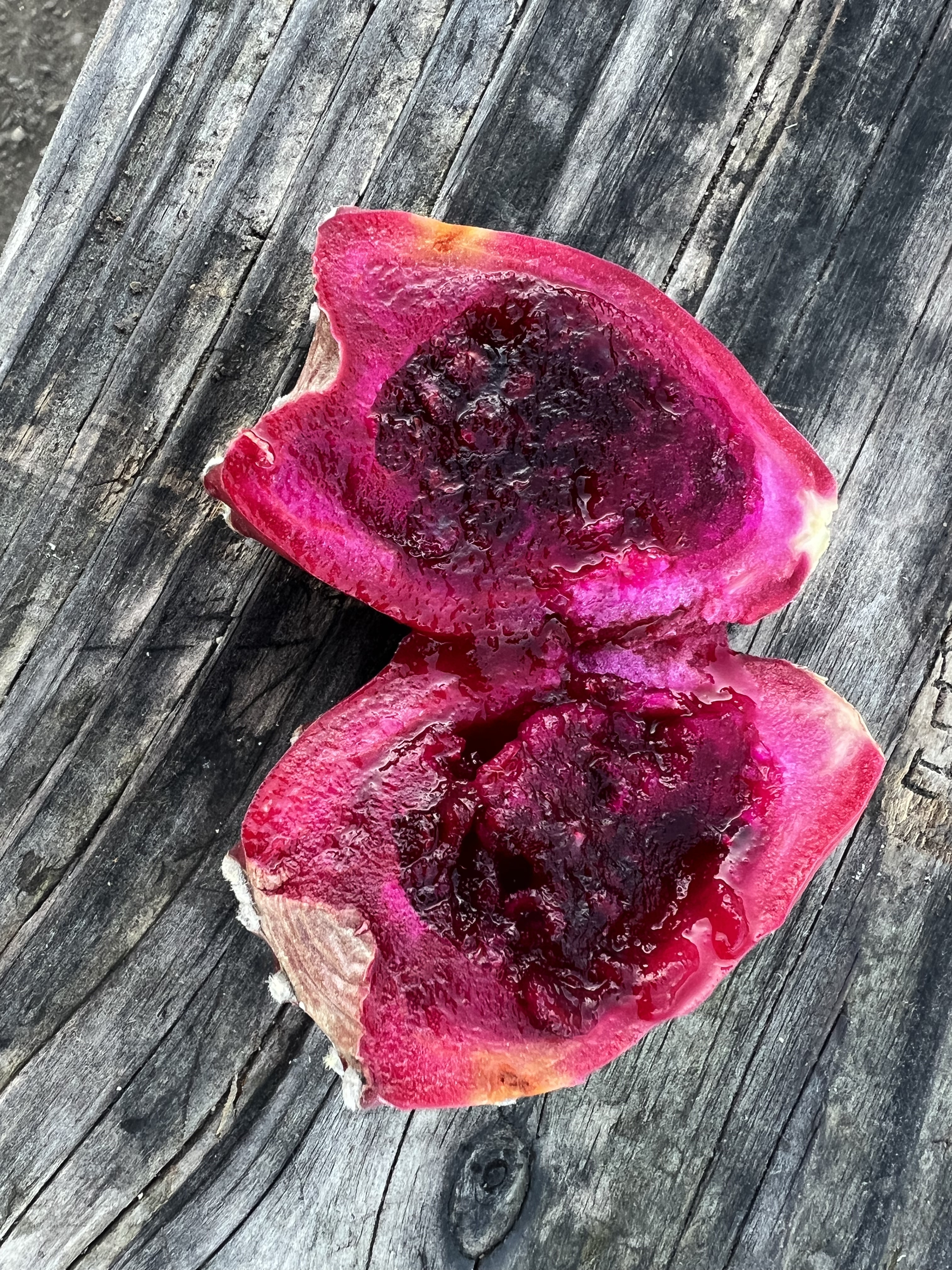
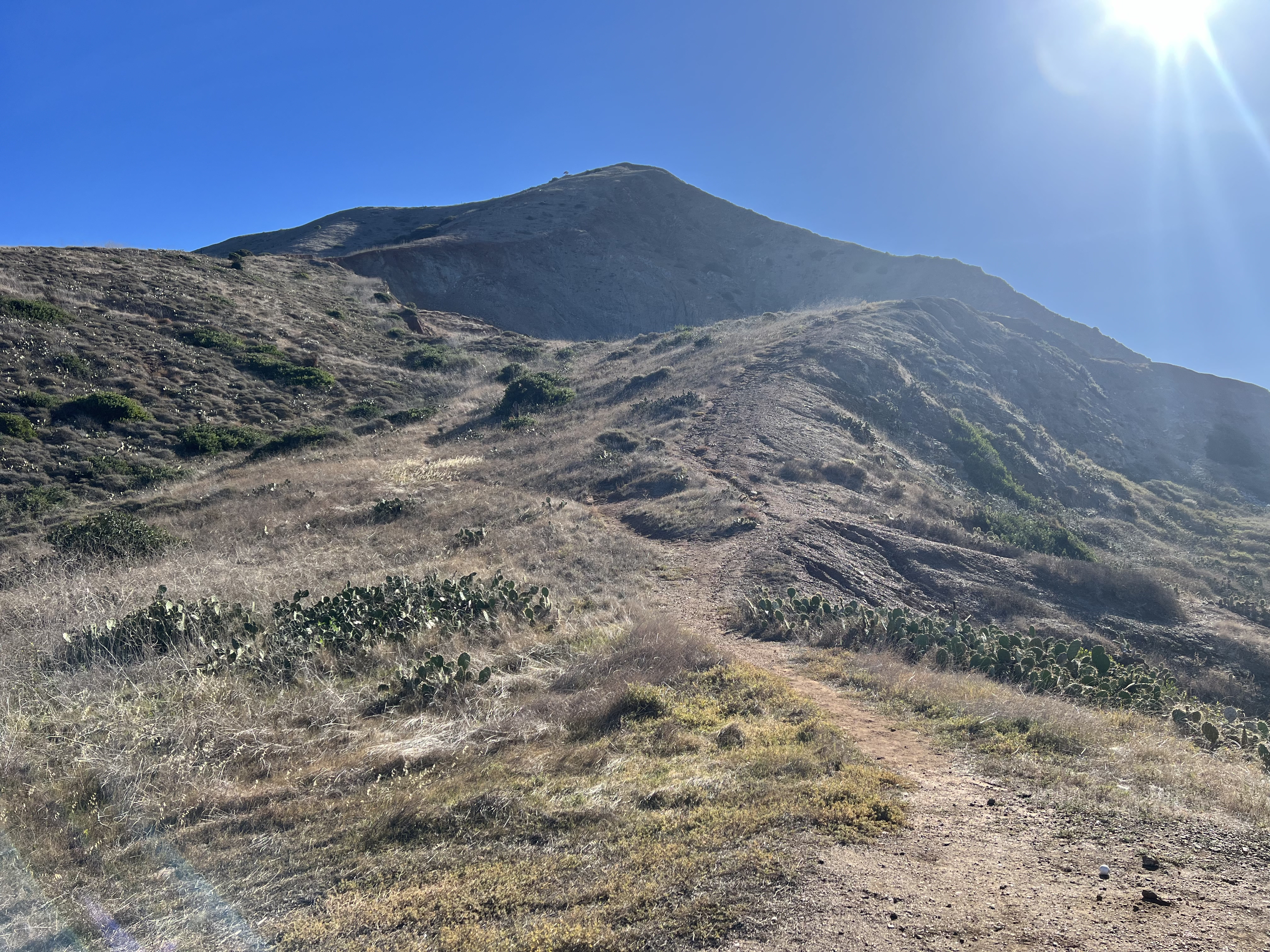
Passing some Prickly Pear Cactuses, we decided to take a taste of the bright magenta fruit blooming out of the top. Struggling to pull the fruit off, the tiny spikes on were impossible to avoid and before long we had mini thorns in our fingers, our lips, and tongues. The fruit was delicious, but we were concerned about the tingling in our mouths, though it didn’t last long, and the tiny thorns were dissolved within an hour. (I later read that the best way to harvest the fruit is to burn off the tiny fruit thorns with a lighter. **Be very careful with any ignition source in this arid environment. Fires can start with just a spark and take off quickly.**)

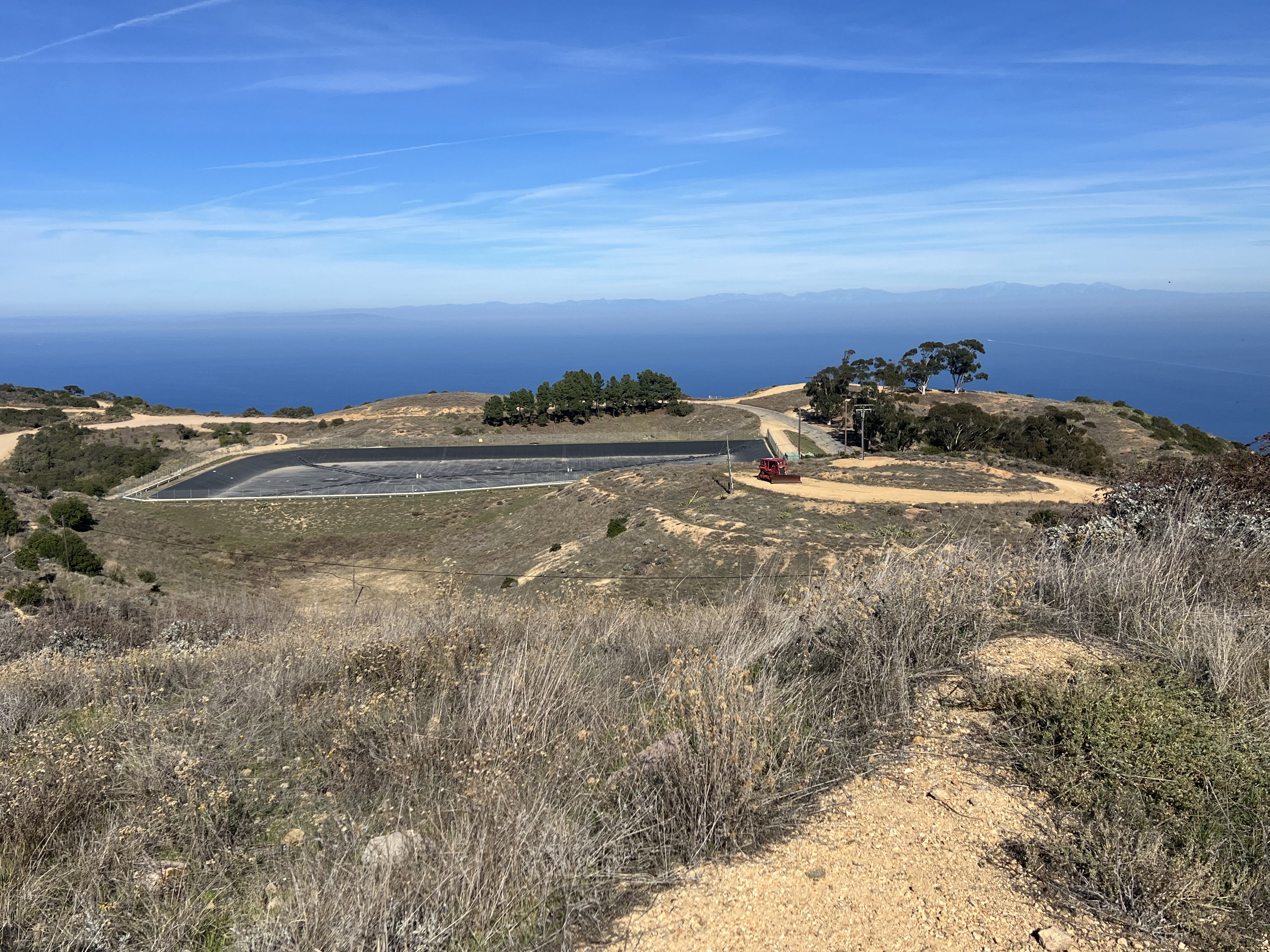
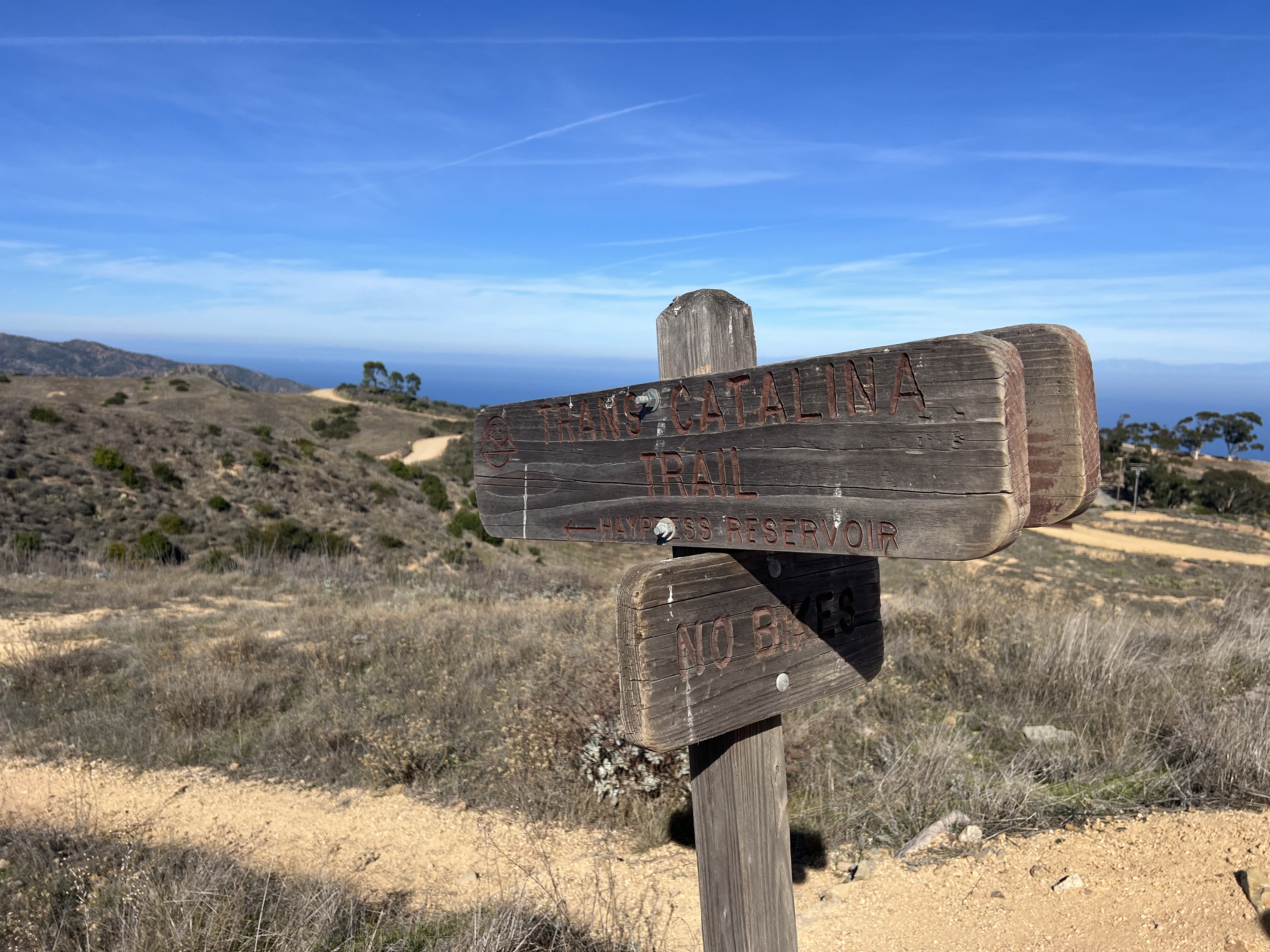
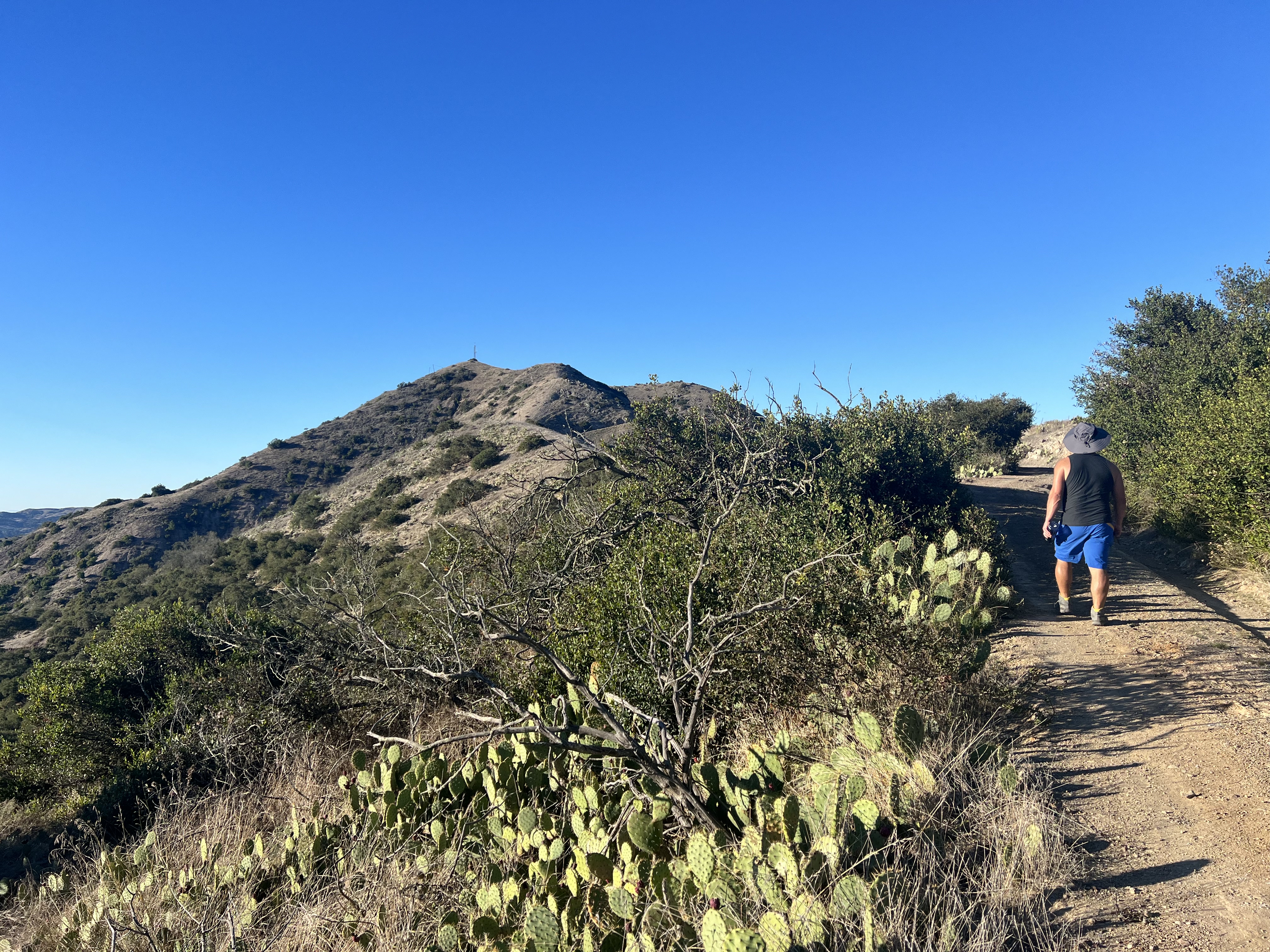
At the Wrigley Reservoir, we dropped off the ridge and soon passed the Haypress Reservoir. Transitioning back and forth from dirt road to footpath, we ascended and descended small hills for the next 4 miles, Black Jack Mountain and its radio towers coming into view. One last 500′ climb in 8/10 of a mile and we would be at our campsite for our second night on the Trans-Catalina Trail, at Black Jack Campground.

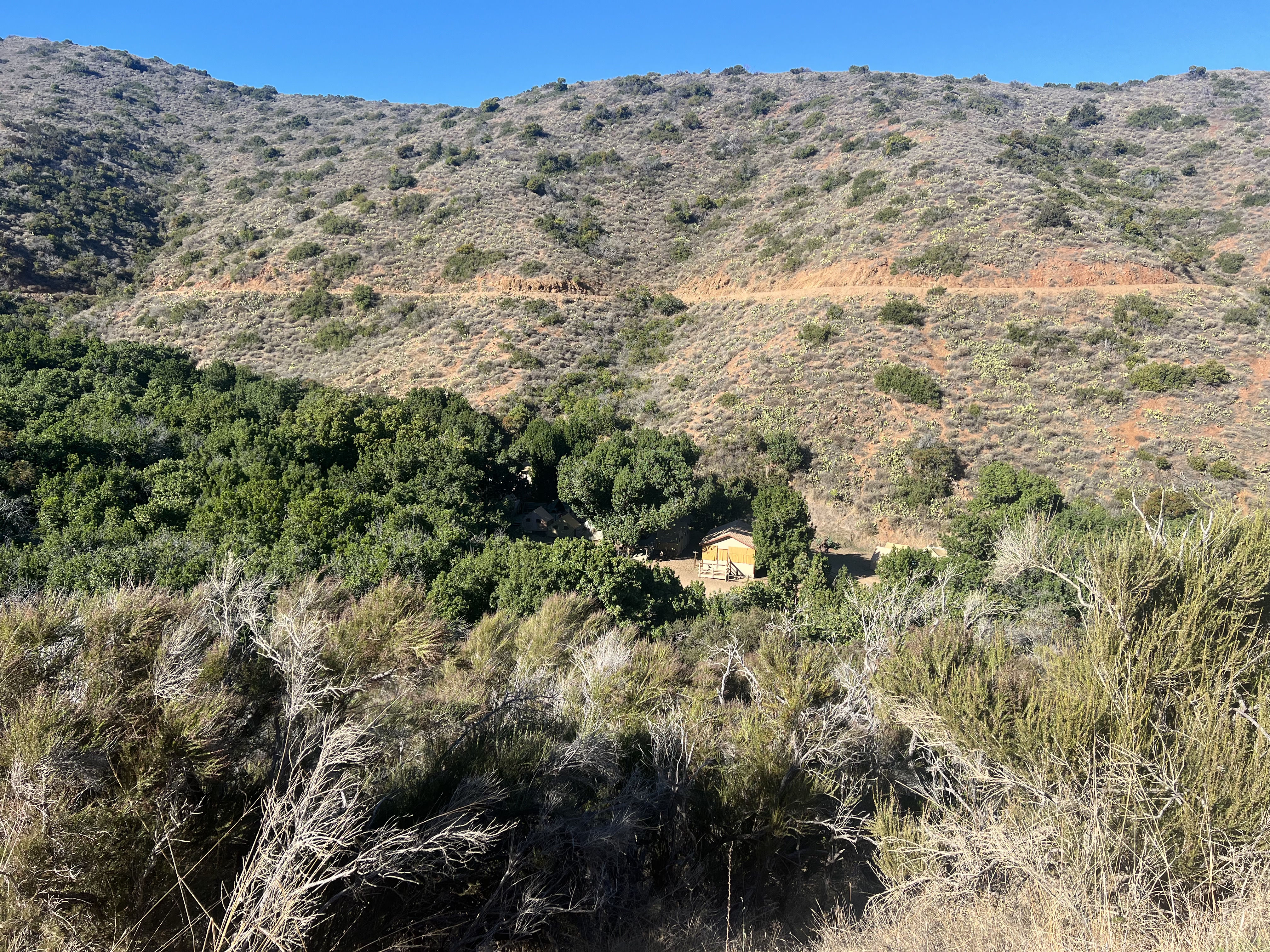
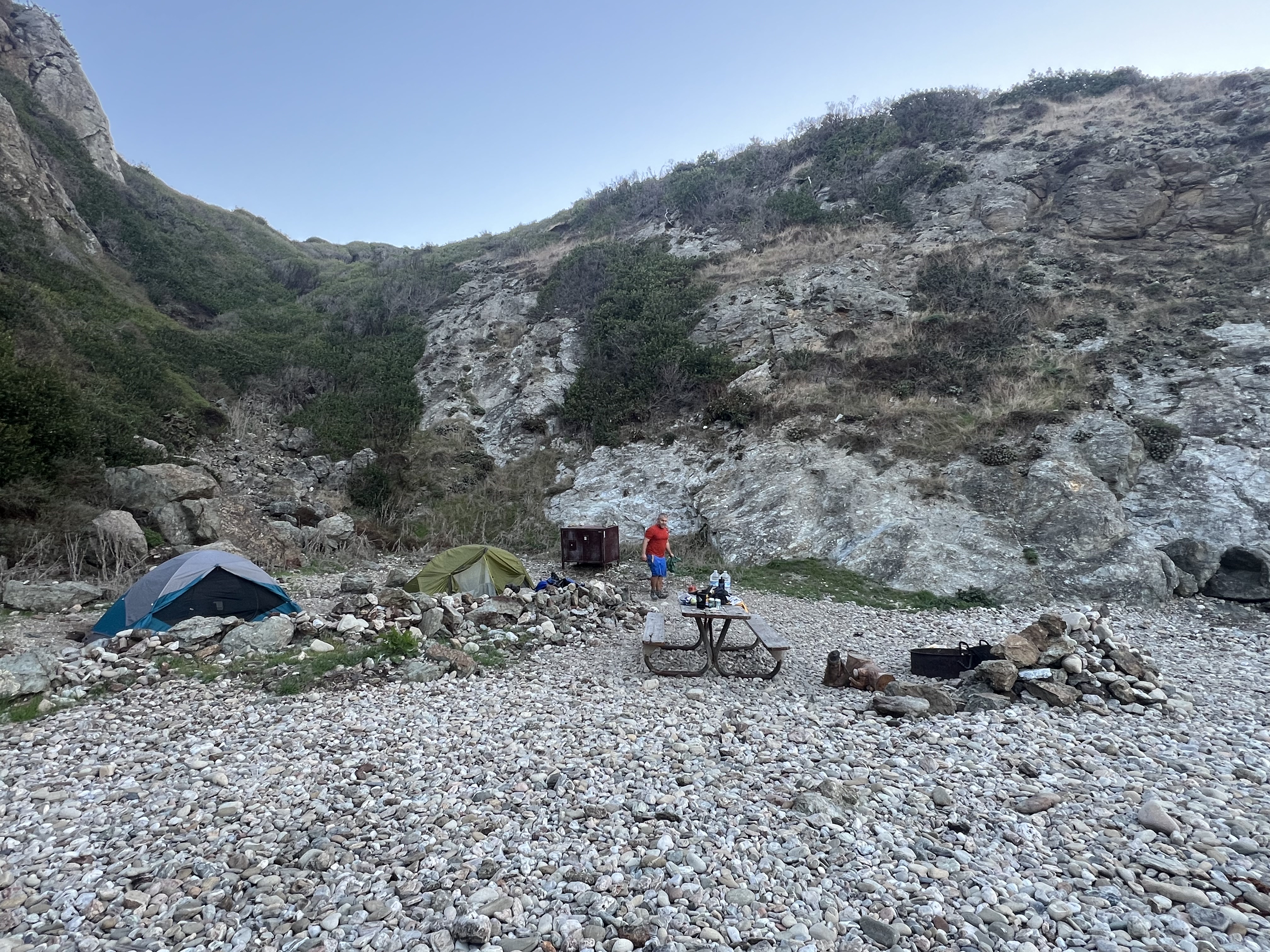
Entering Black Jack just after 4pm, we found our site and dropped our gear. We immediately noticed that the views weren’t very impressive, as it sits in a protected nook between Black Jack Mountain and Mt Orizaba, the tallest peak on the Island at 2,096.’ The amenities of the campground are excellent, with pit toilets and running water. I had chosen a site on a lower plateau, to the south of the main portion of campground, and I would not do so again. Walking up and down the hill to get to the bathroom and water was a longer walk than necessary, and the location didn’t offer the views that I had hoped. The main campground is also lusher and more welcoming.

Another night, another Ramen Bomb, and I was ready to get into bed and read. Black Jack also doesn’t allow fires, but the next night in Little Harbor we would have firewood waiting for us. I didn’t make it far in my book before I fell into a deep sleep, not needing the trash bag to stay warm, but still wearing all of my clothes.

Day 2

Black JAck Campground → Little Harbor
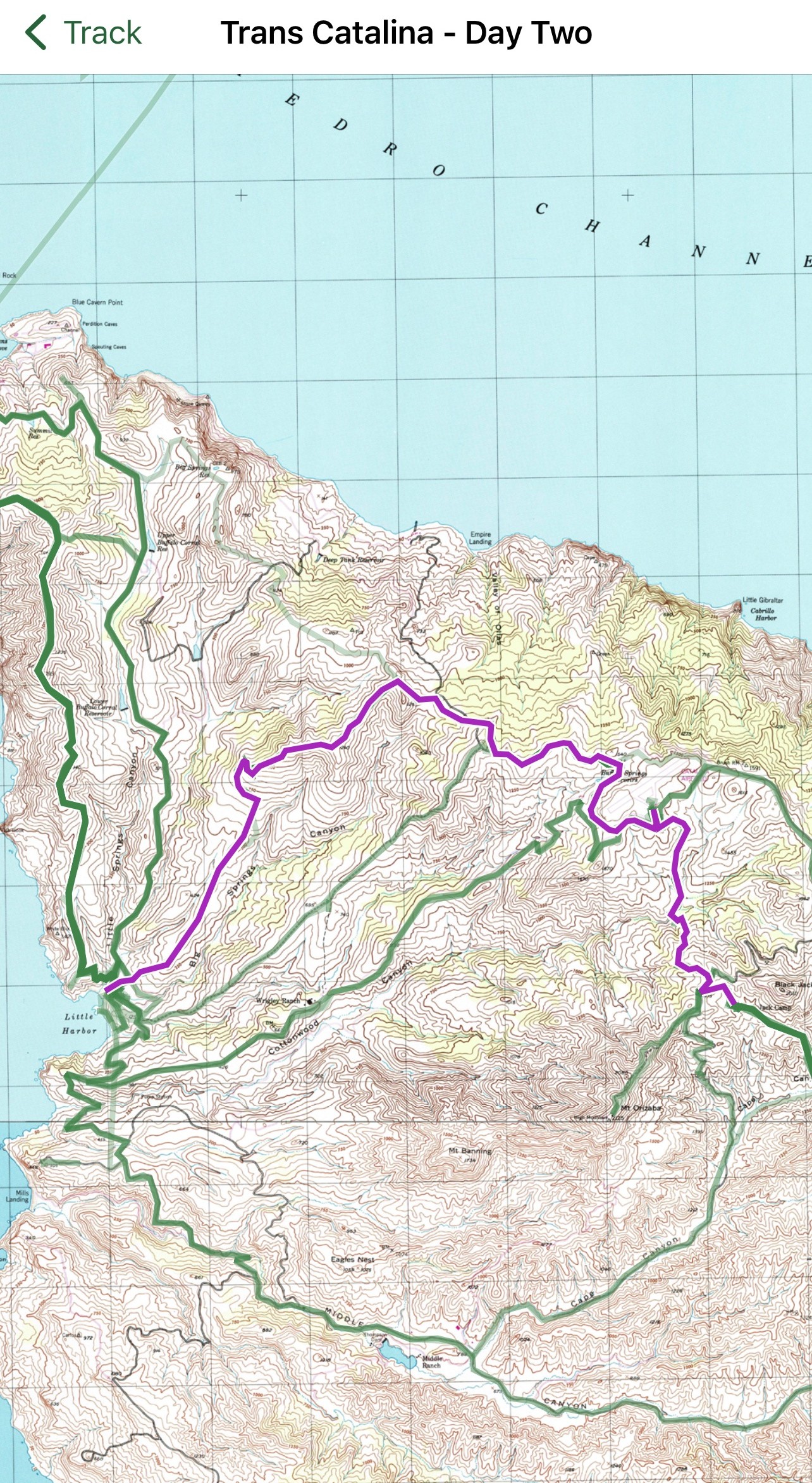
9.1 Miles, +1,290′

The next morning, I woke well rested and not freezing, a beautiful pink and orange sunrise to welcome the day. Packed up and fed by 745am, we headed out with the intention of climbing Mt Orizabo, the tallest peak on the island. After only a quarter mile, we dropped our packs and turned west, away from the Trans-Catalina Trail and towards the small bump of a summit.

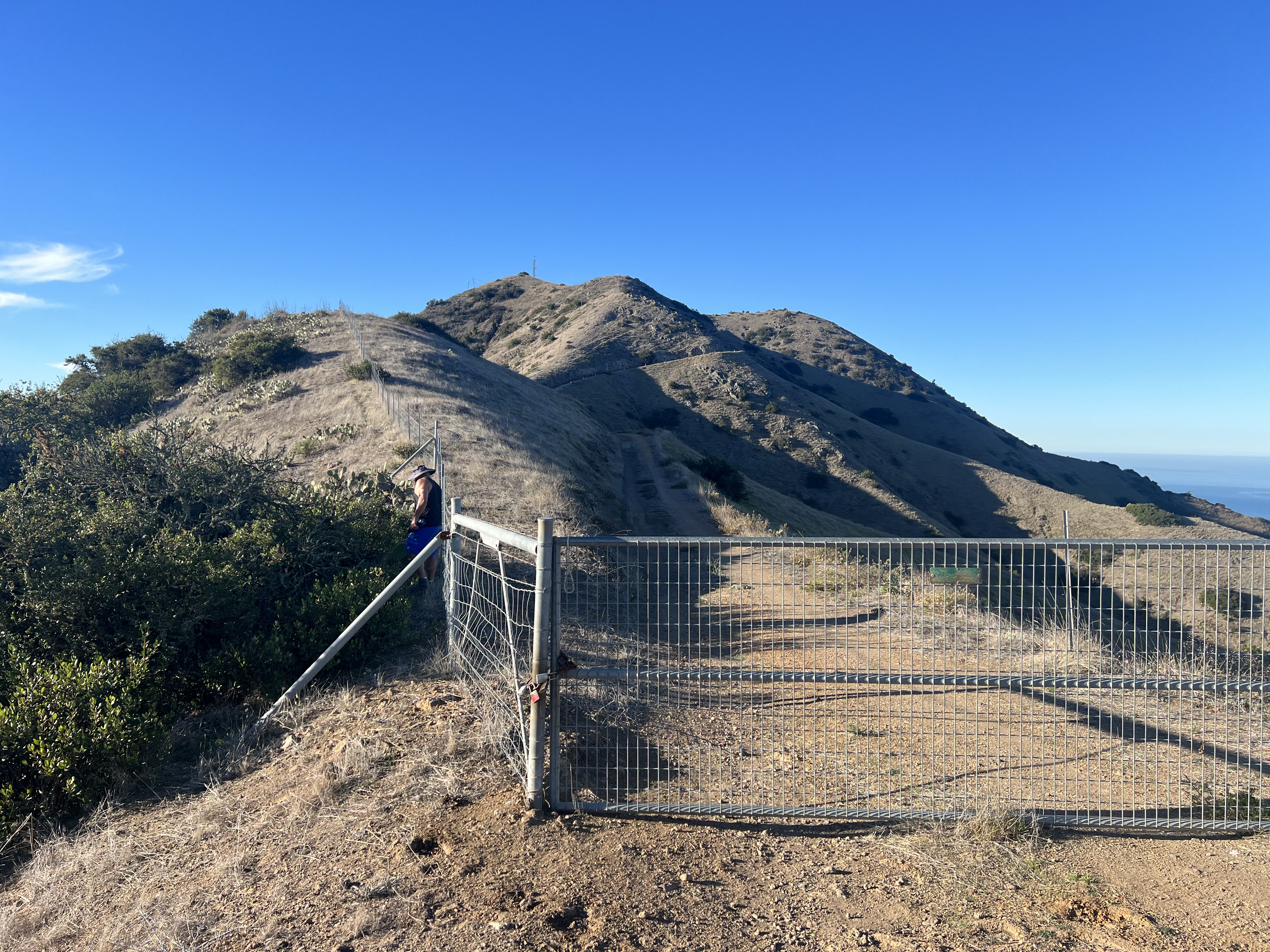
We assumed it would take us no longer than an hour to go up and down the couple miles and 700.’ We didn’t make it far before a gate and a fence blocked our path. Unsure of the legality of hopping or skirting the fence, and with the driver of the one jeep heading up treating us like crazy people for trying to summit this unimpressive knob of a hill, we decided it wasn’t worth it and returned to our bags and the TCT.

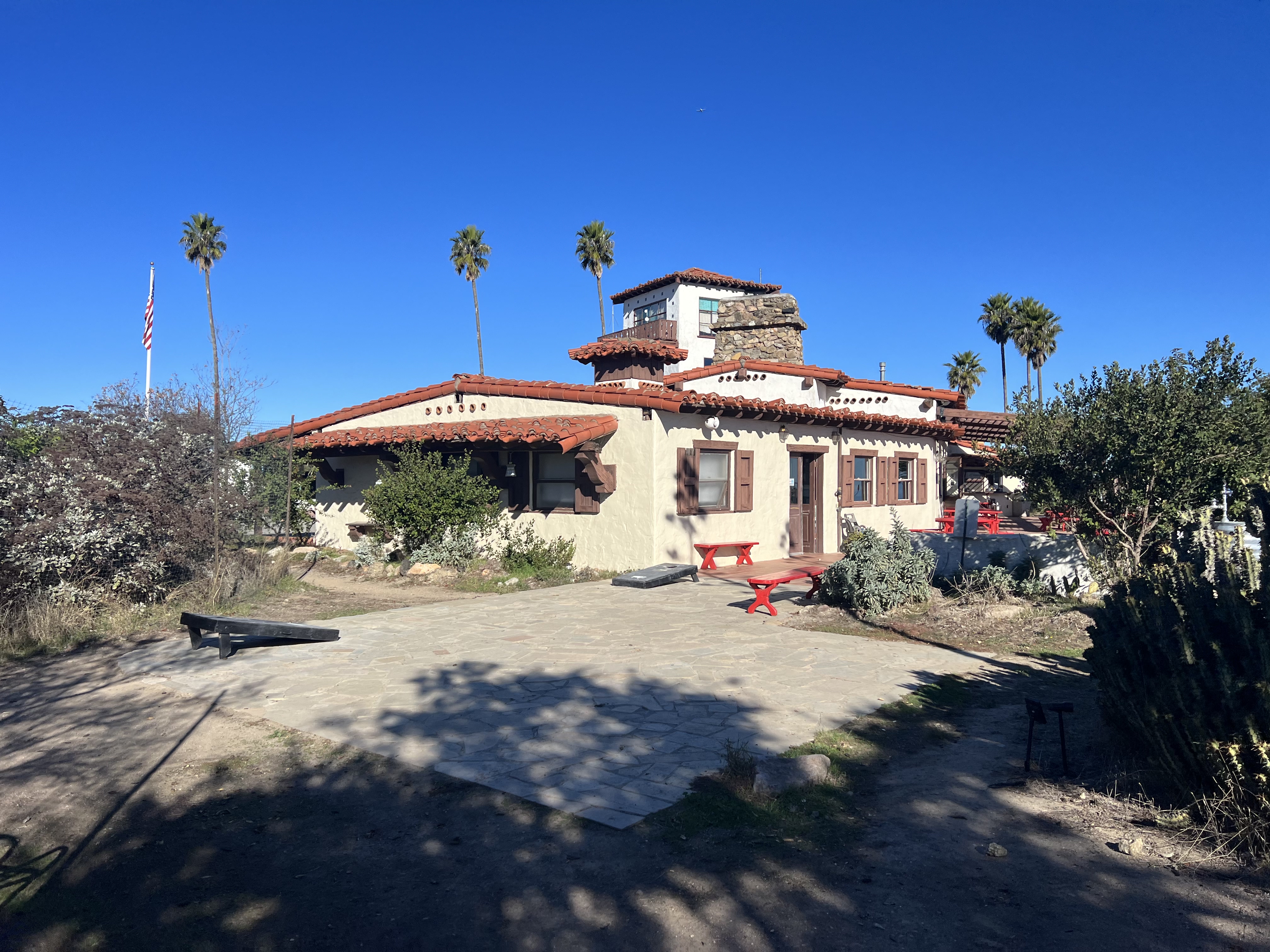
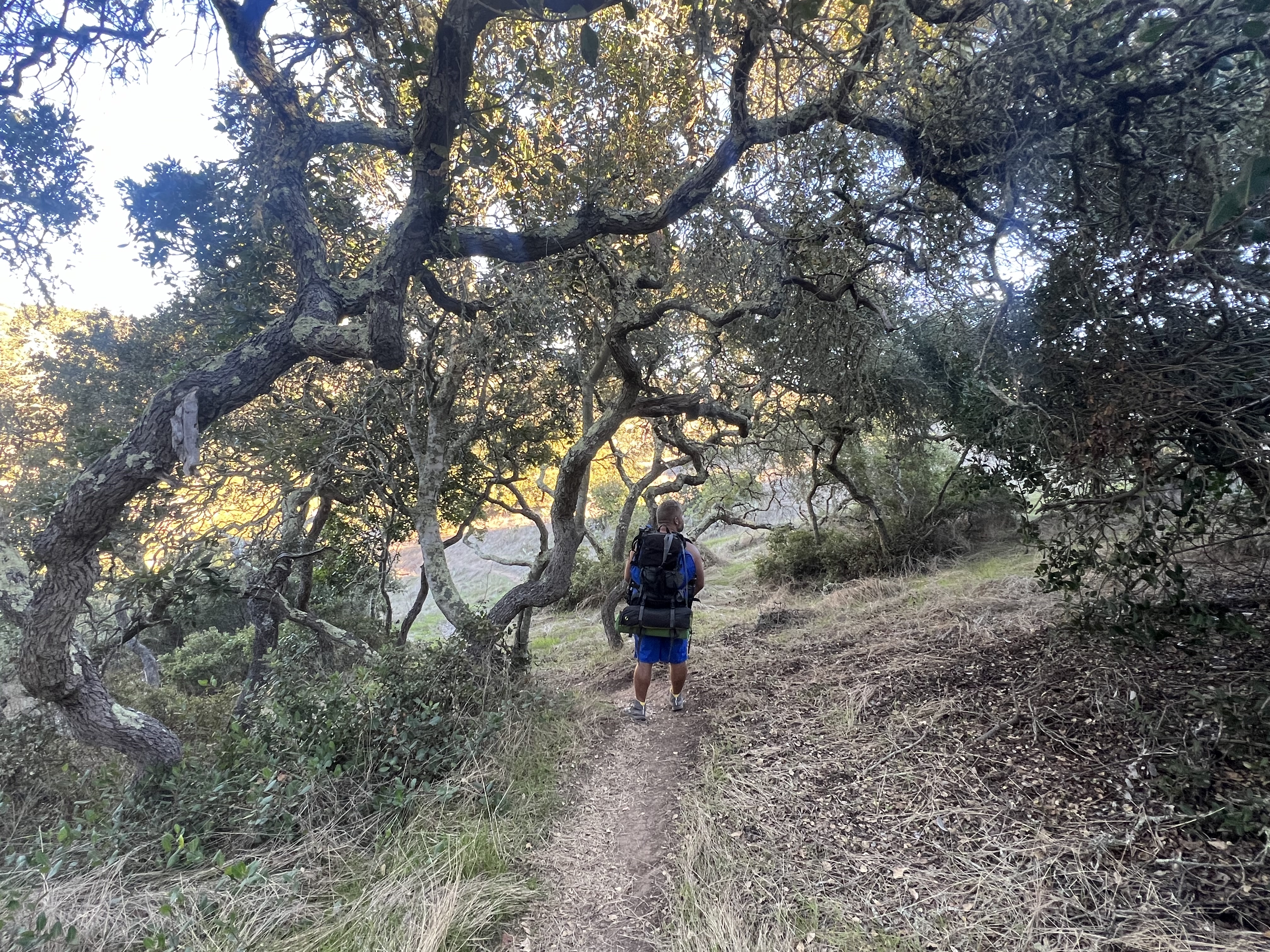
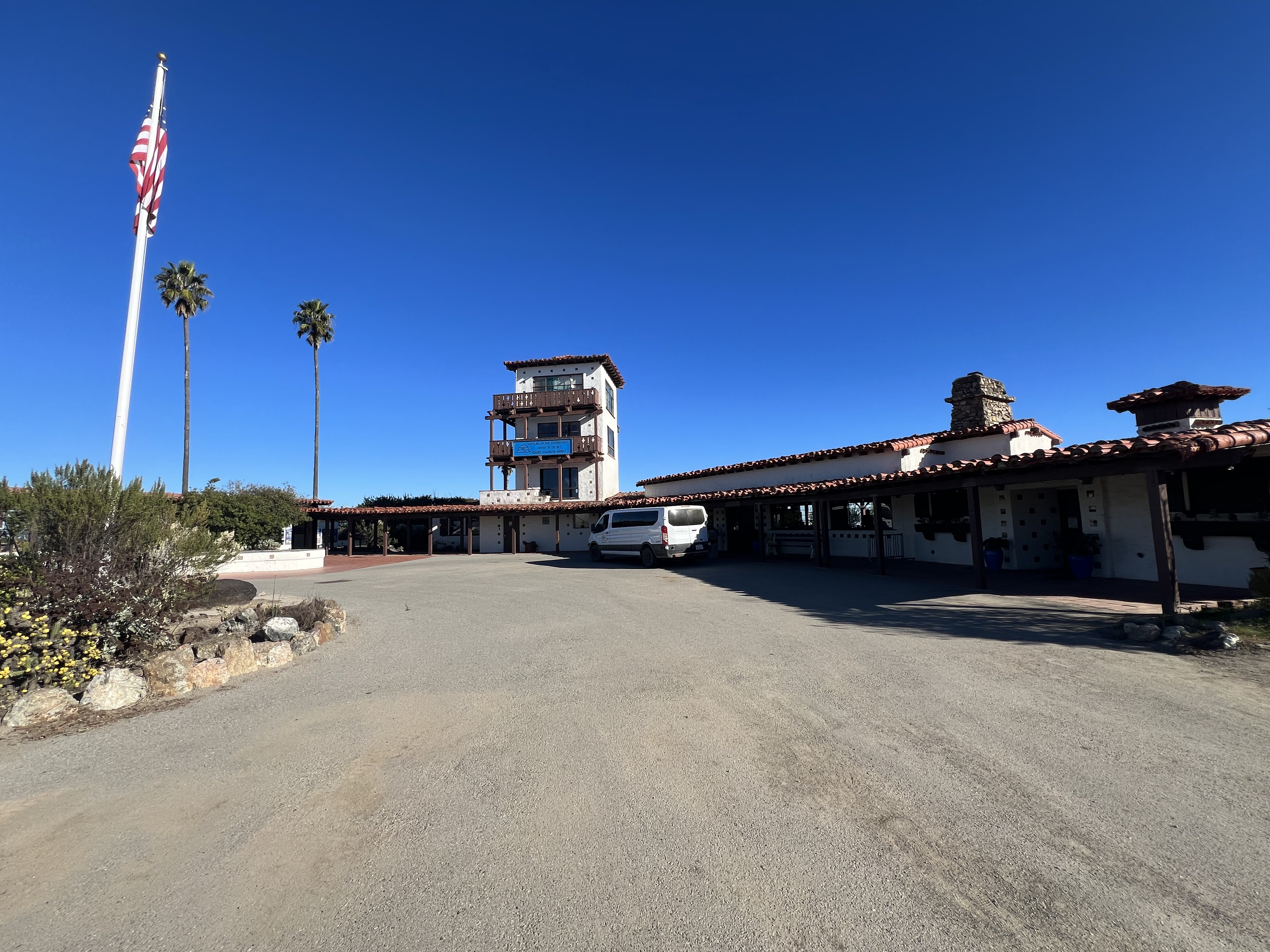
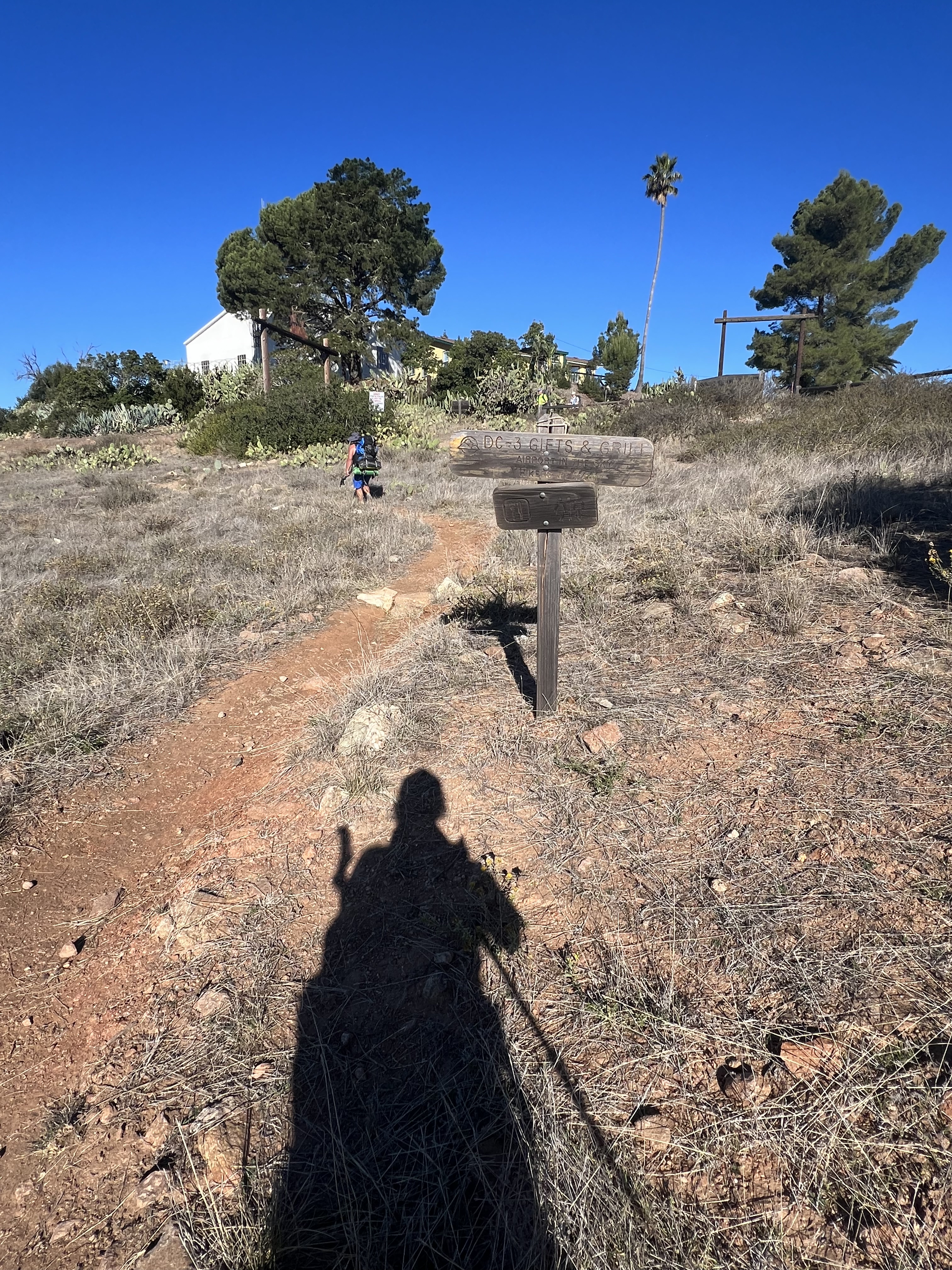
Today would be an exciting day! We were going to stop at Airport In the Sky, a small aircraft runway, with a hangar, cantina and gift shop. Our trail brought us through the familiar sage brush and cactus filled hills we had become accustomed too, so we were surprised when we dropped down into a small, tree shaded area, a nice break from the blazing California sun.

Arriving in AITS, we bought some memorabilia and a hearty lunch, washing it down with ice cold drinks. It was only 930am, but it was already very hot for us Alaskans. After charging up our electronics and walking through the outdoor museum, we hefted our packs onto our backs, now with some extra treats packed in, ready to see what was in store for us for the next 6 and half miles.

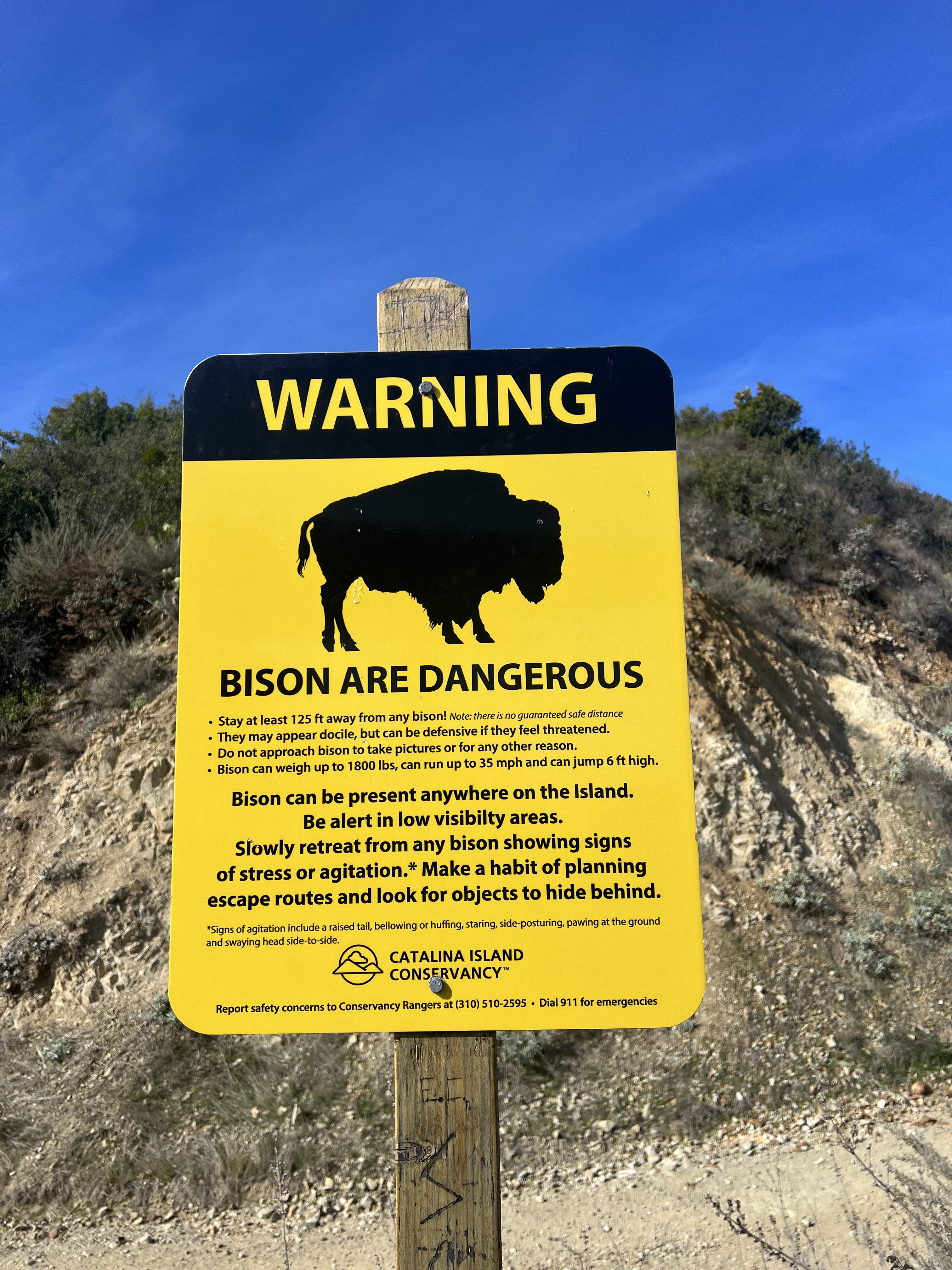
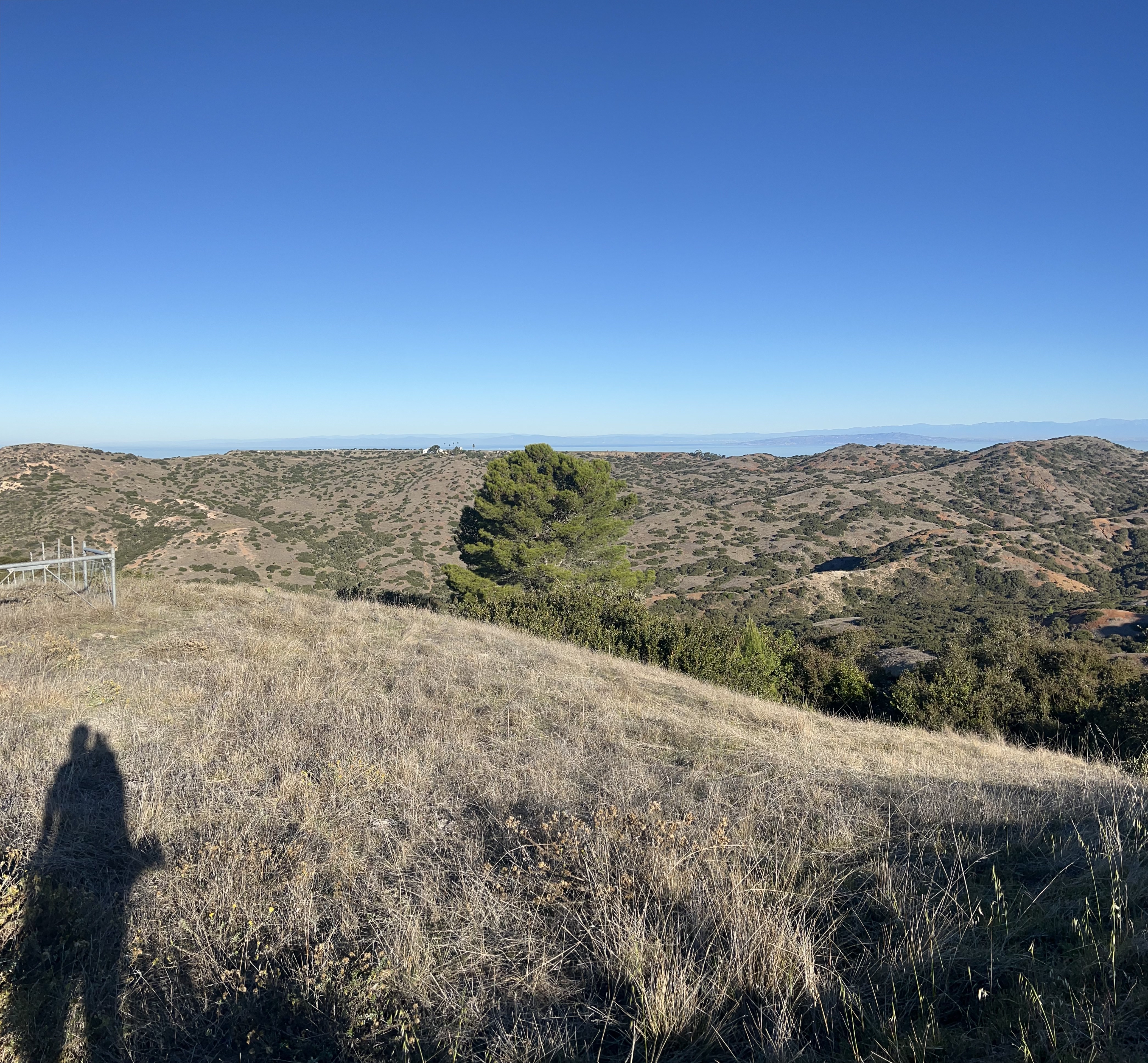
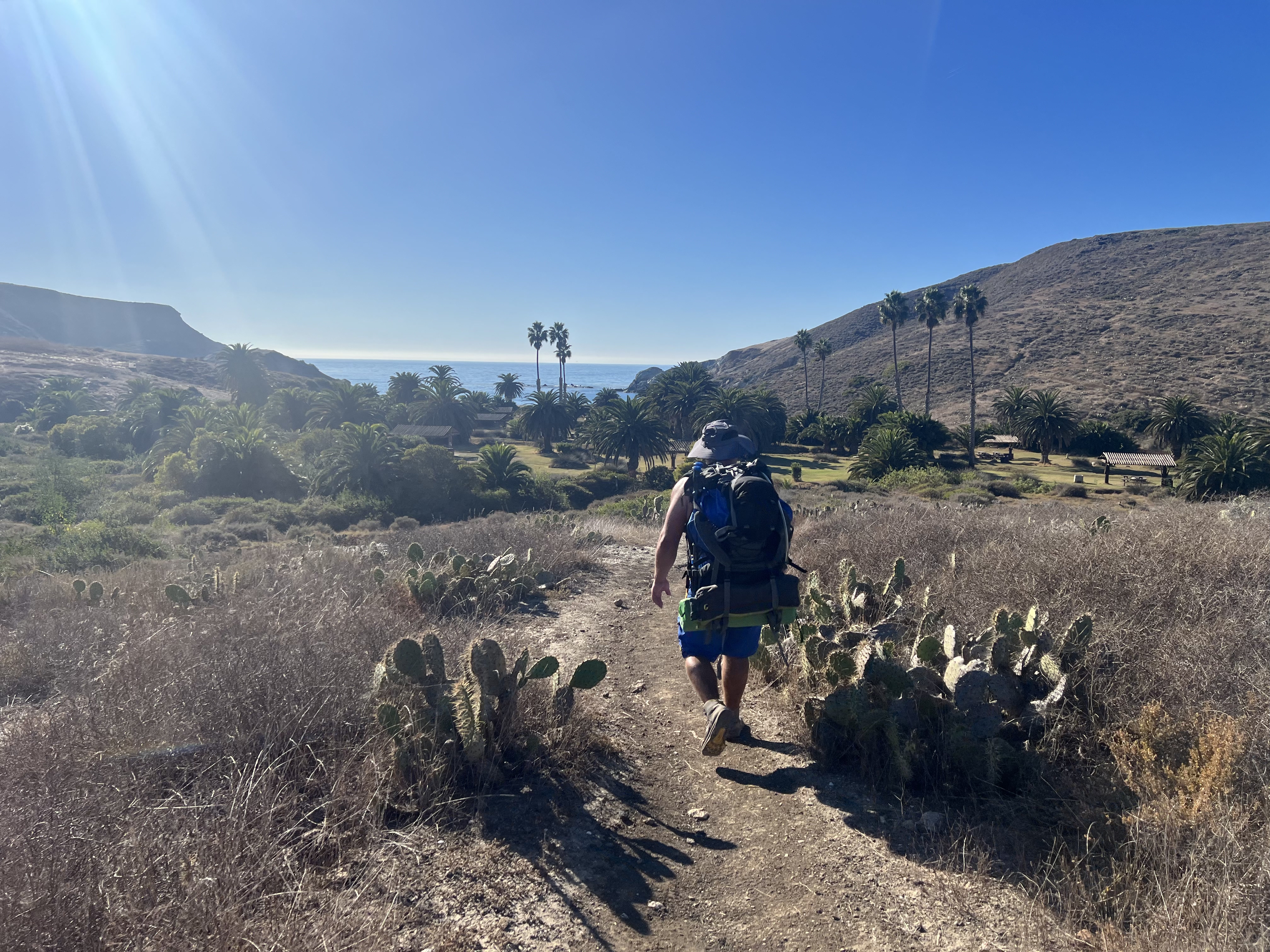
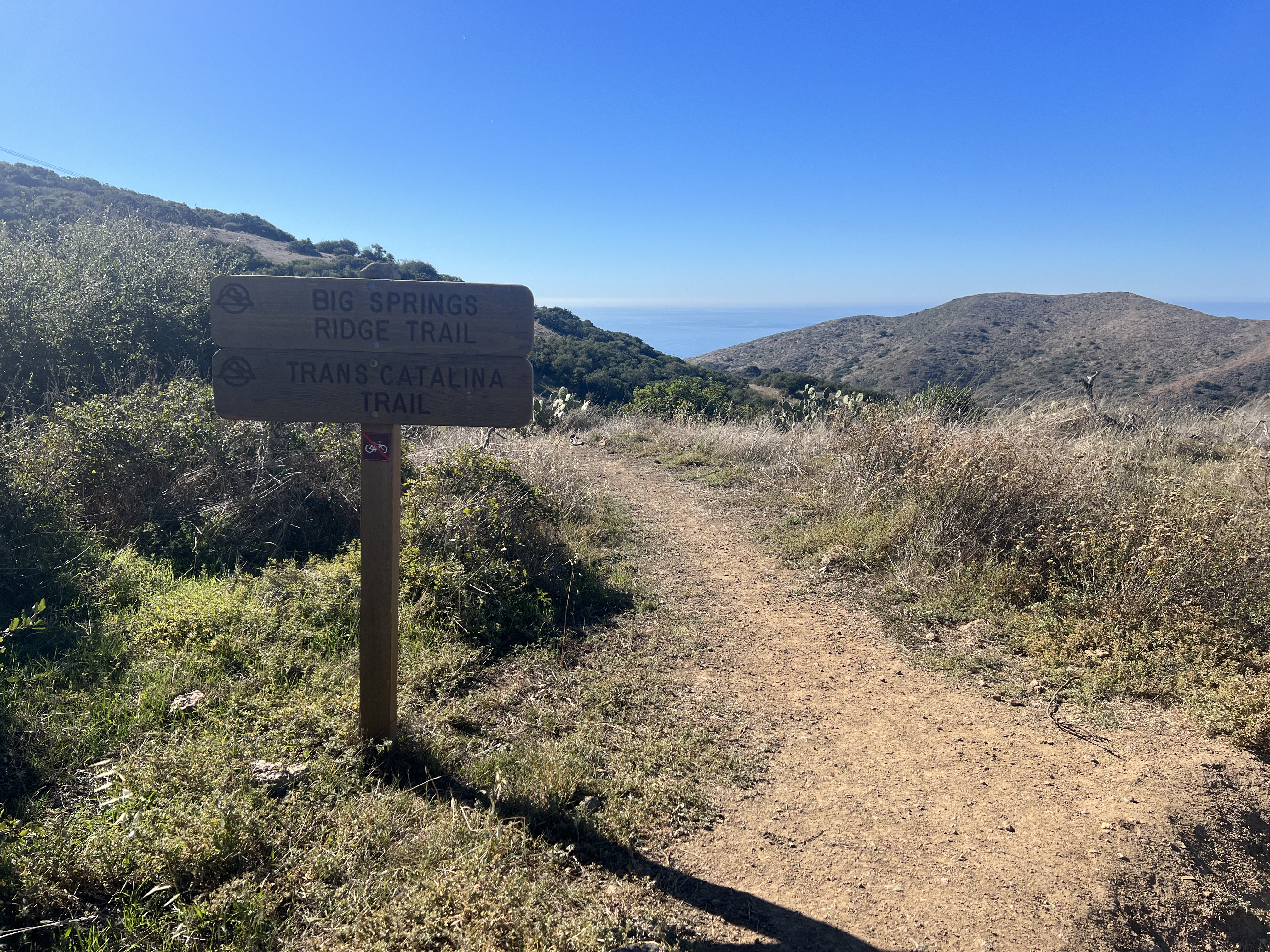
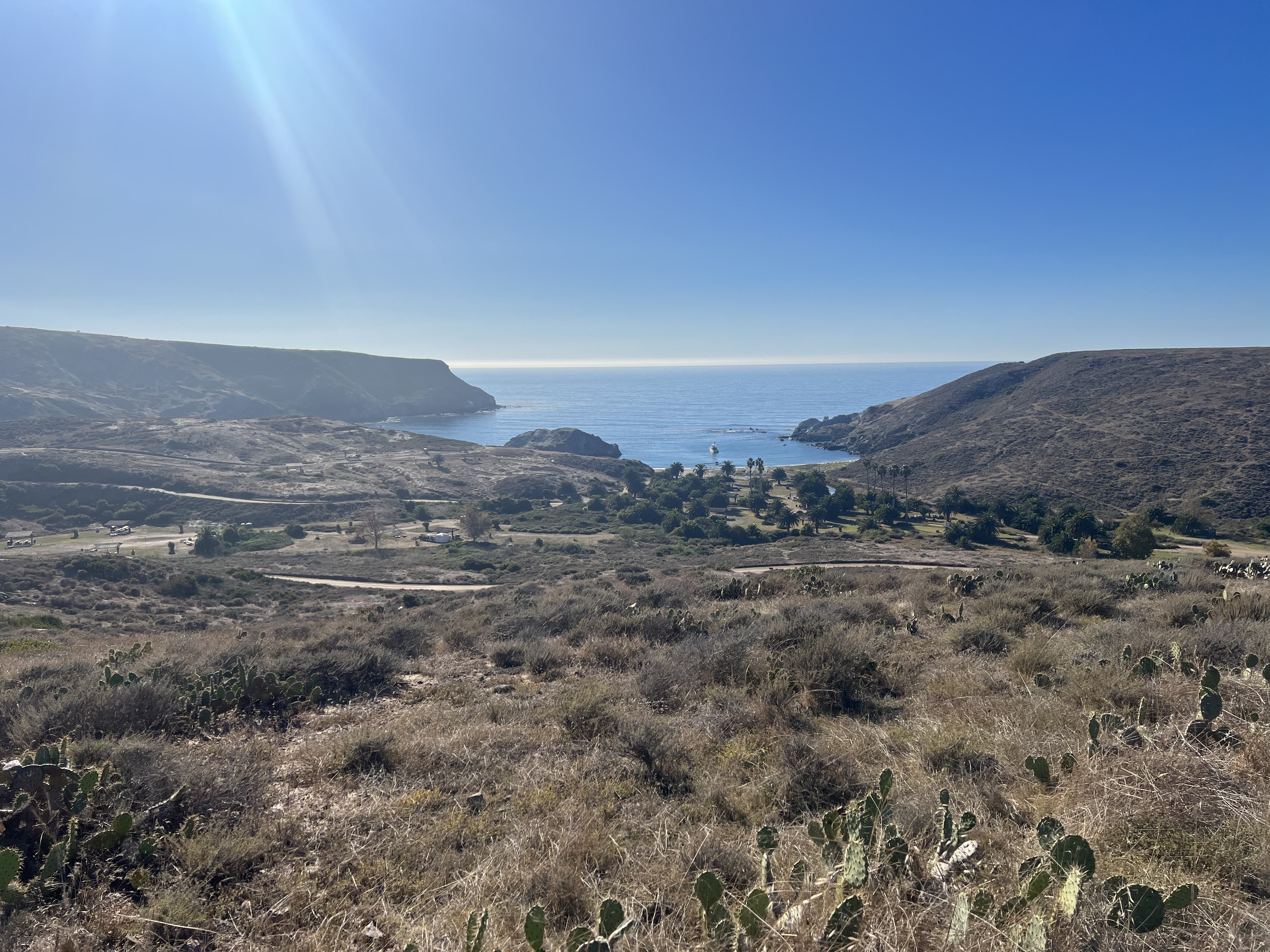
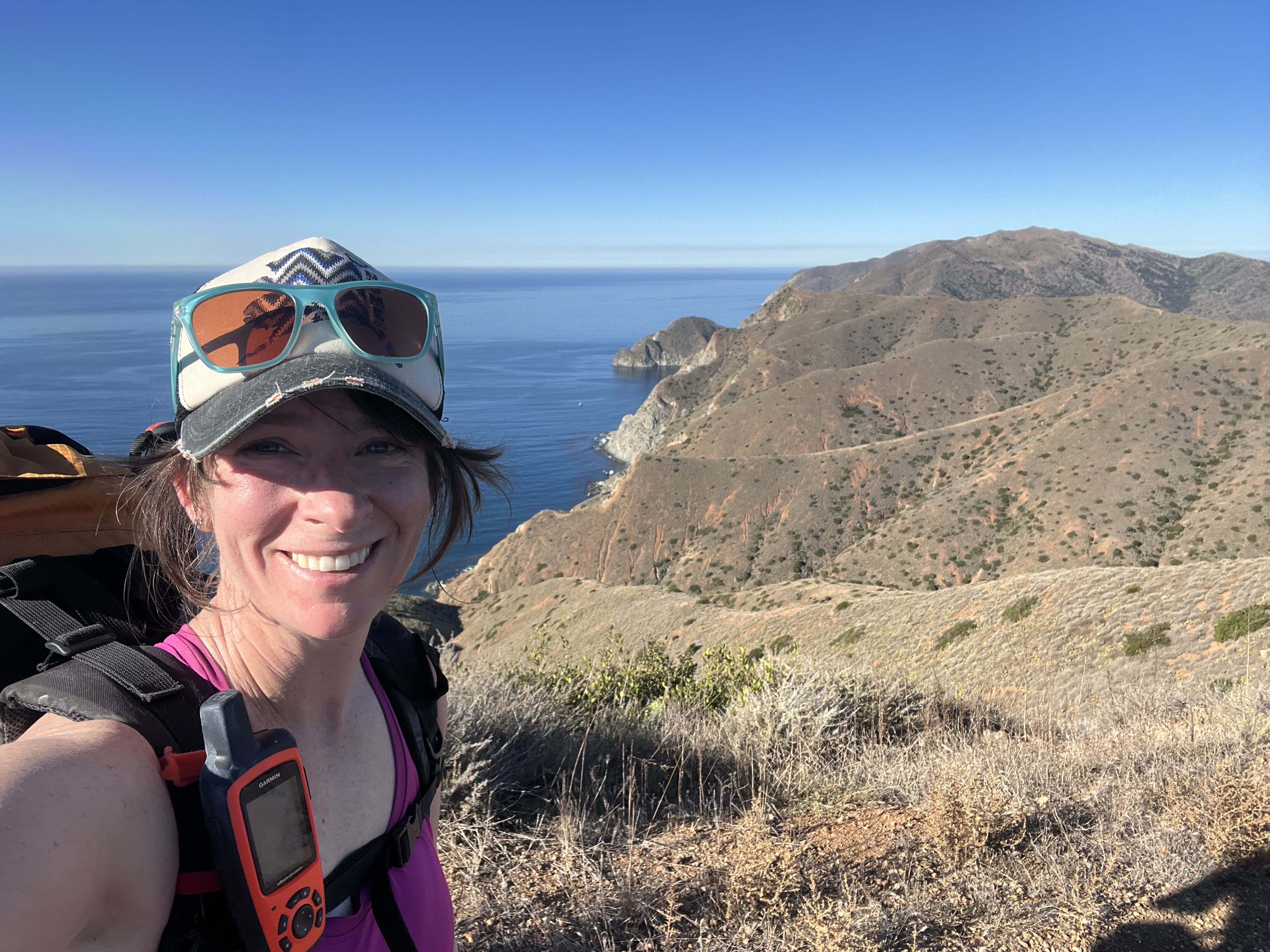
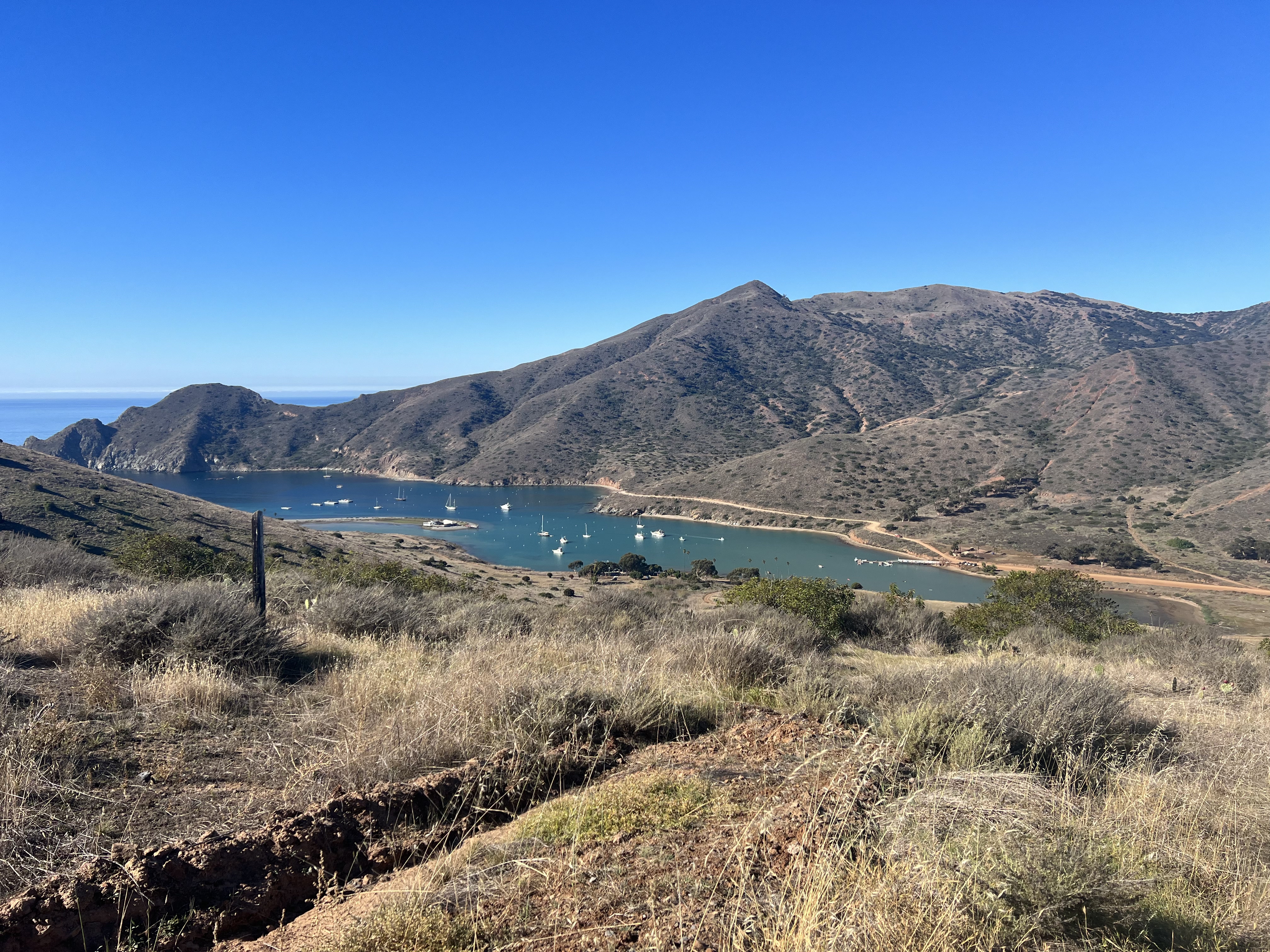
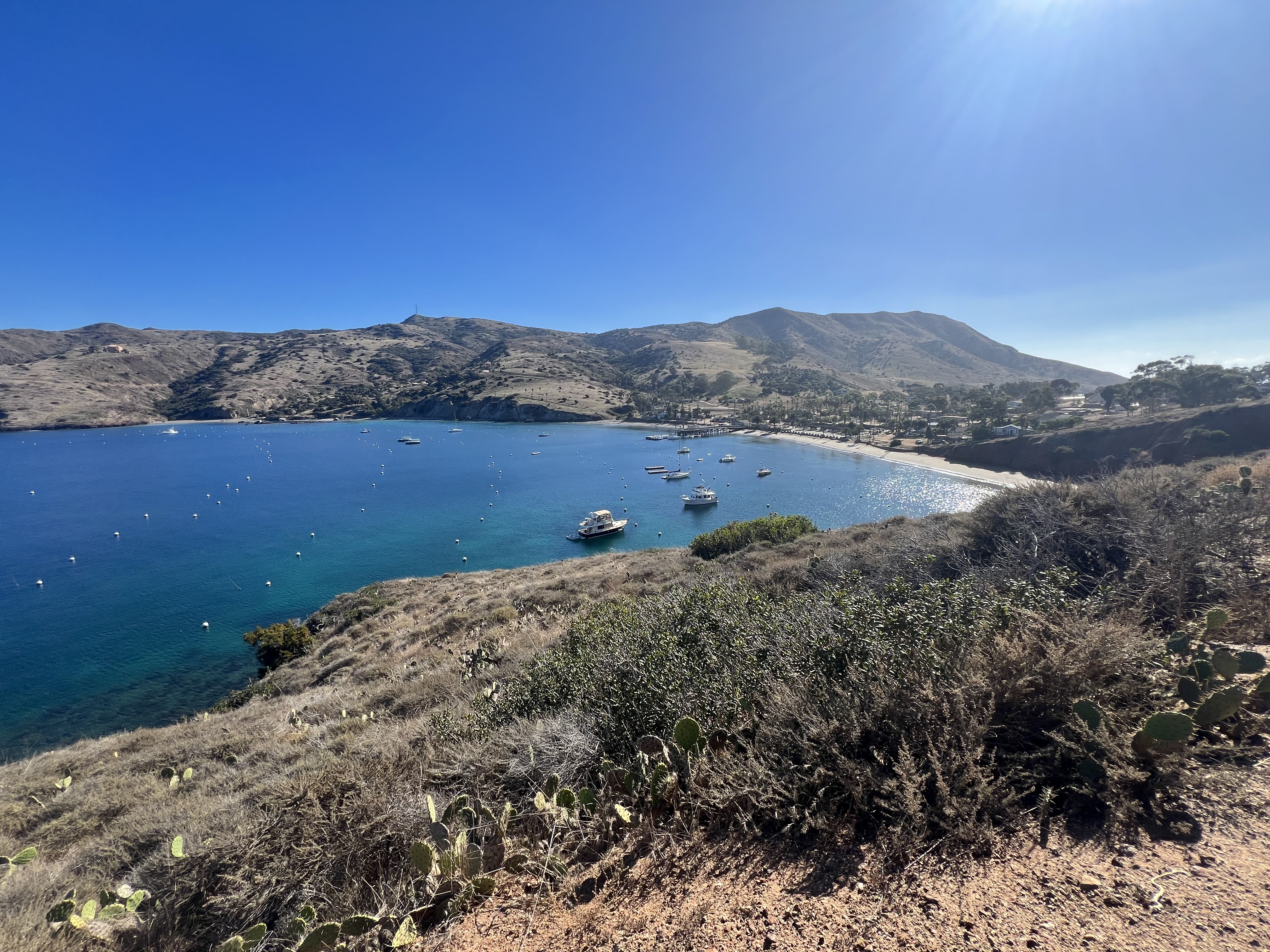
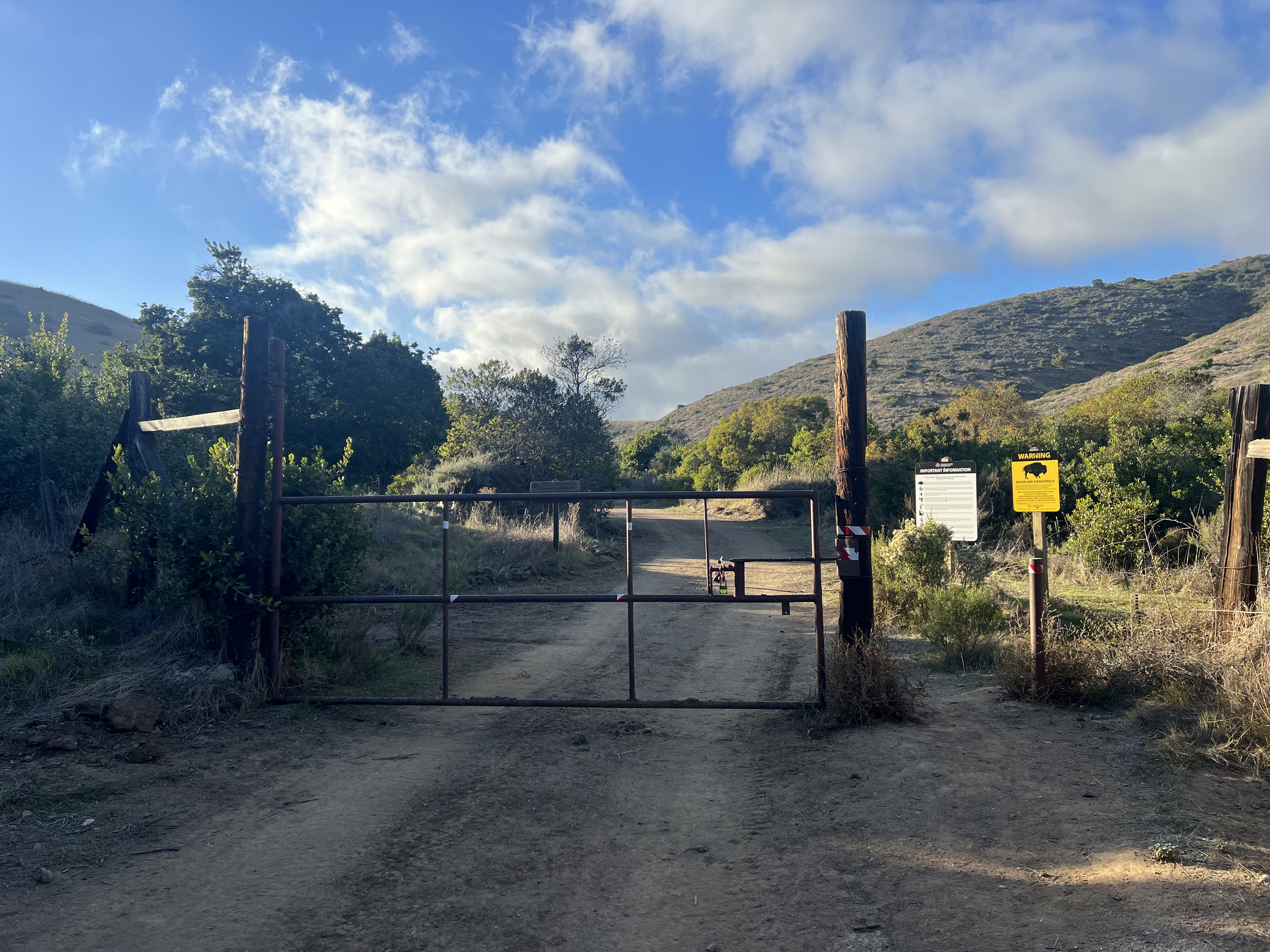
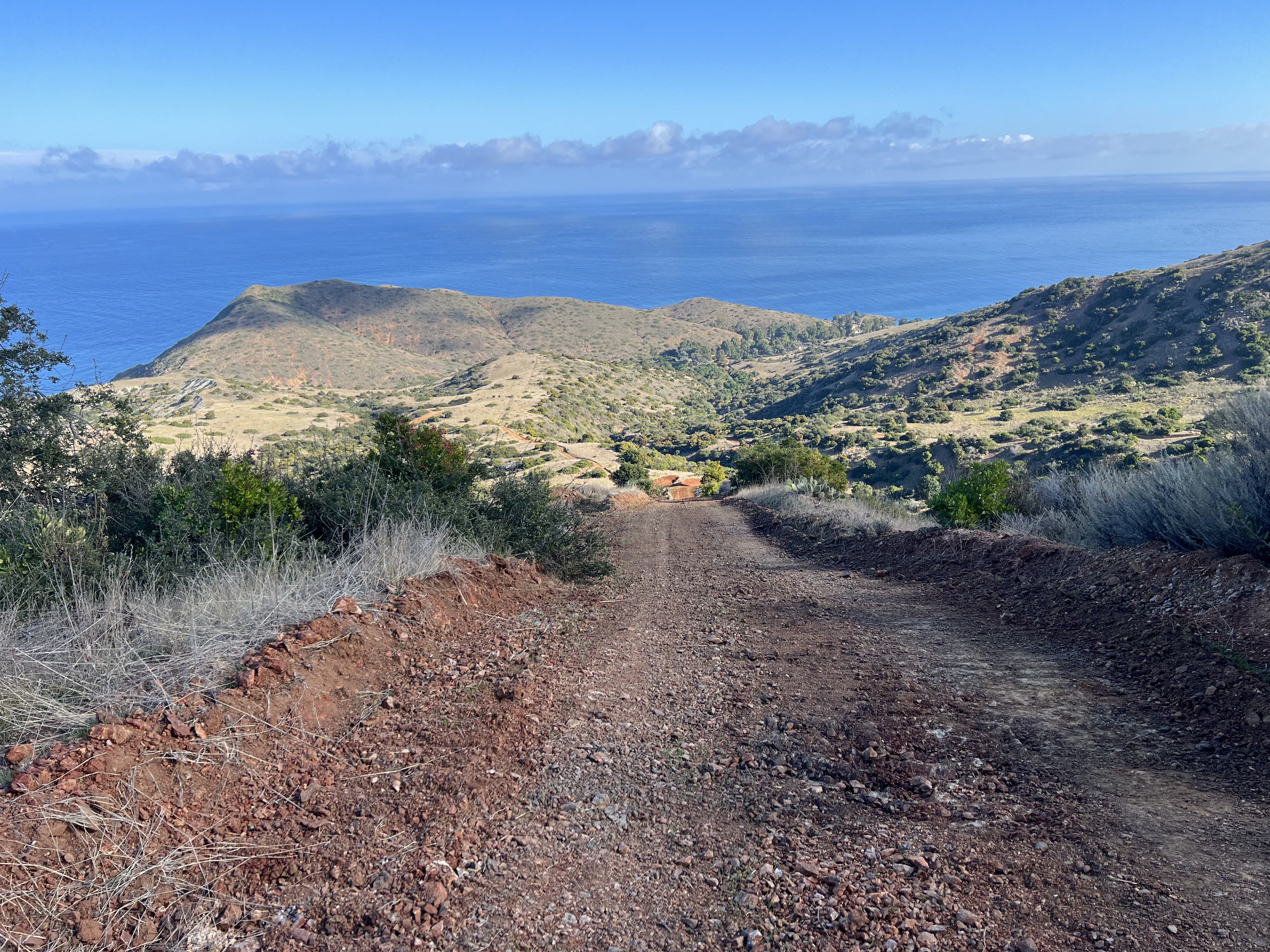
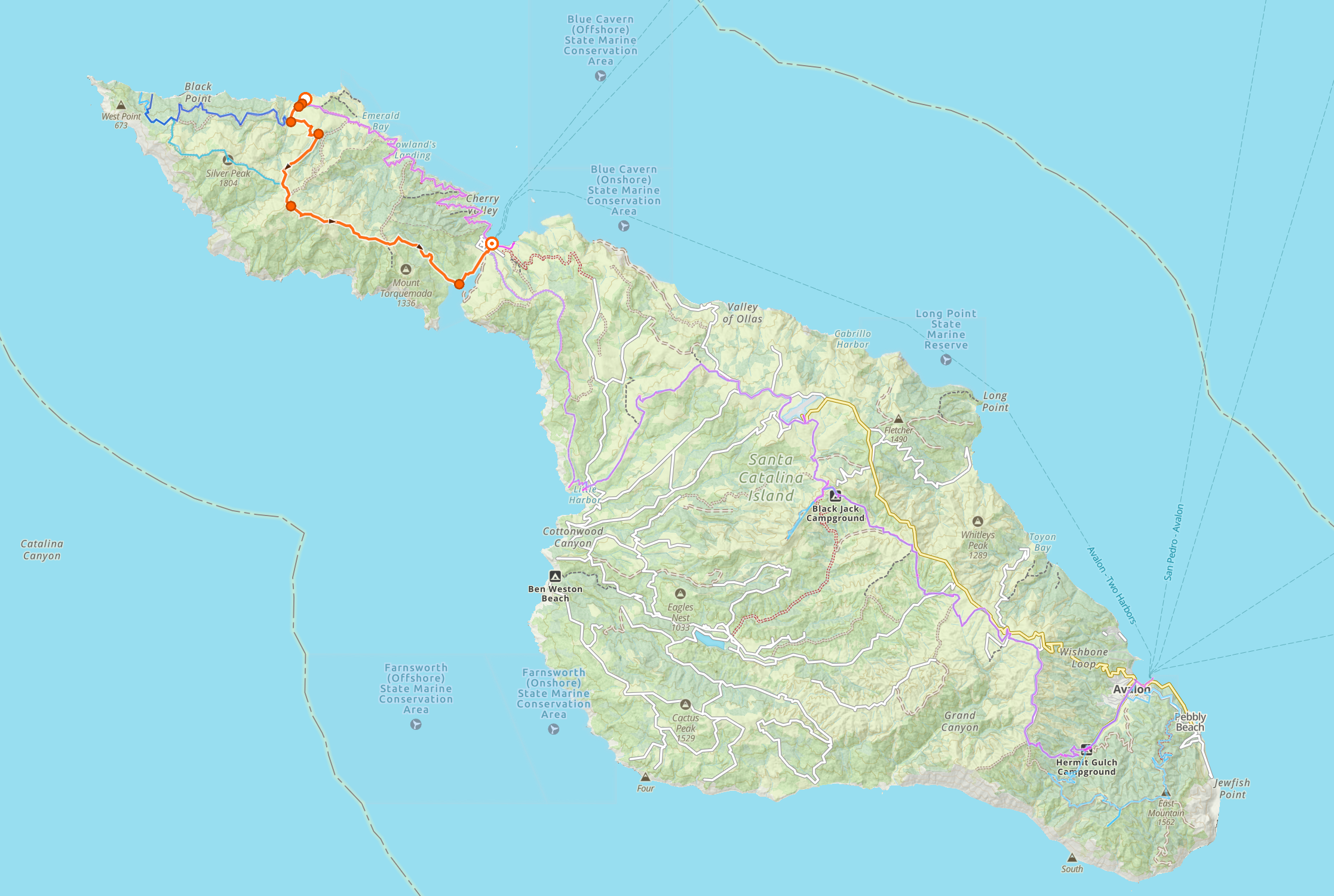
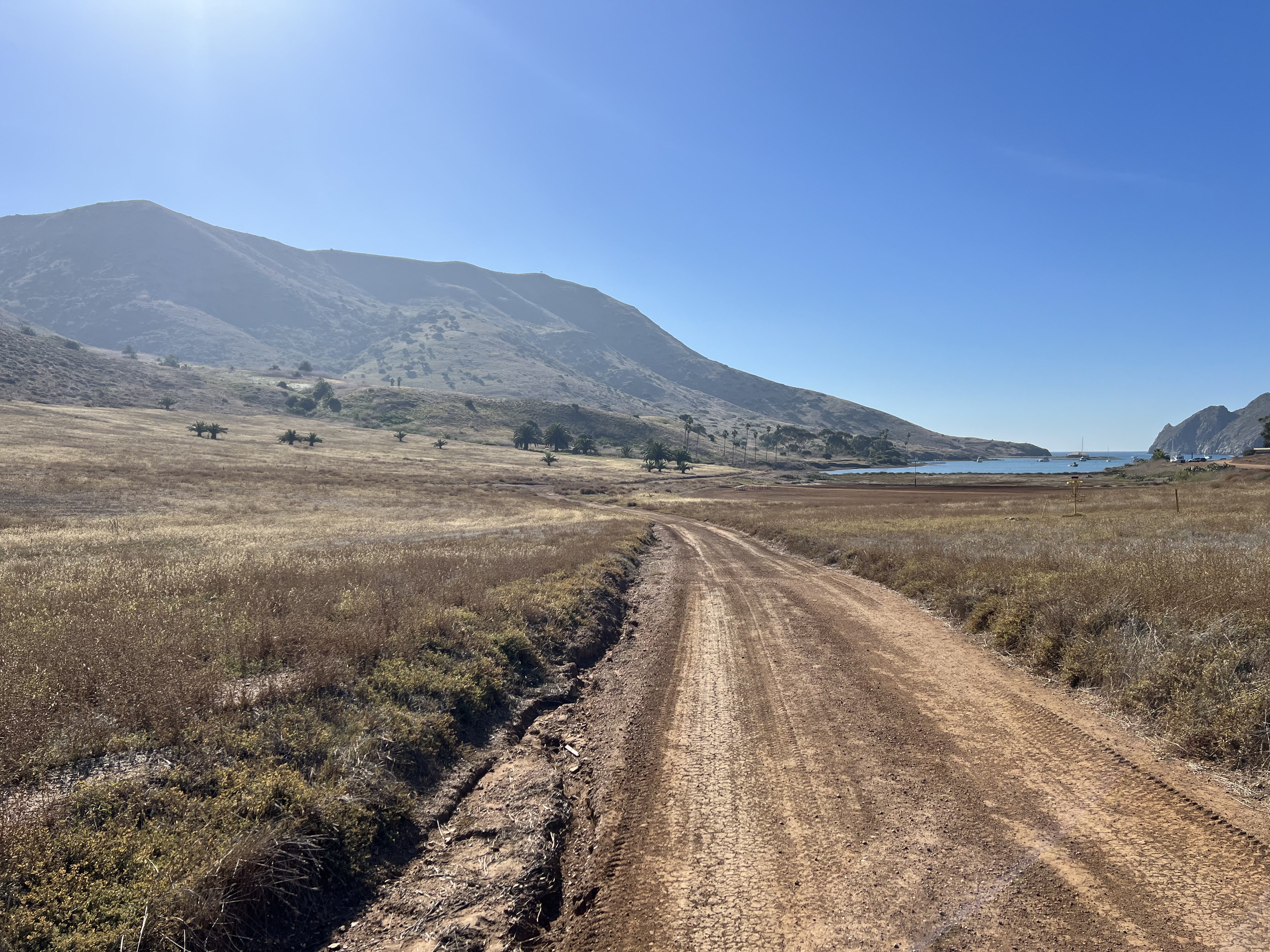
Leaving Airport In the Sky, our track took us from a northerly heading to a northeast route, turning southwest after 3 miles at the Big Springs Ridge Trail. Across the valley to the south, we could see a herd of a dozen or so Bison on the ridge, and to the west we could see the ocean. A descent of about 800′ and a little more than two miles was all that was between us and our beachside camp. We hustled our way down towards the sea and palm trees that became closer with each step. We were starting to get the views we came for!

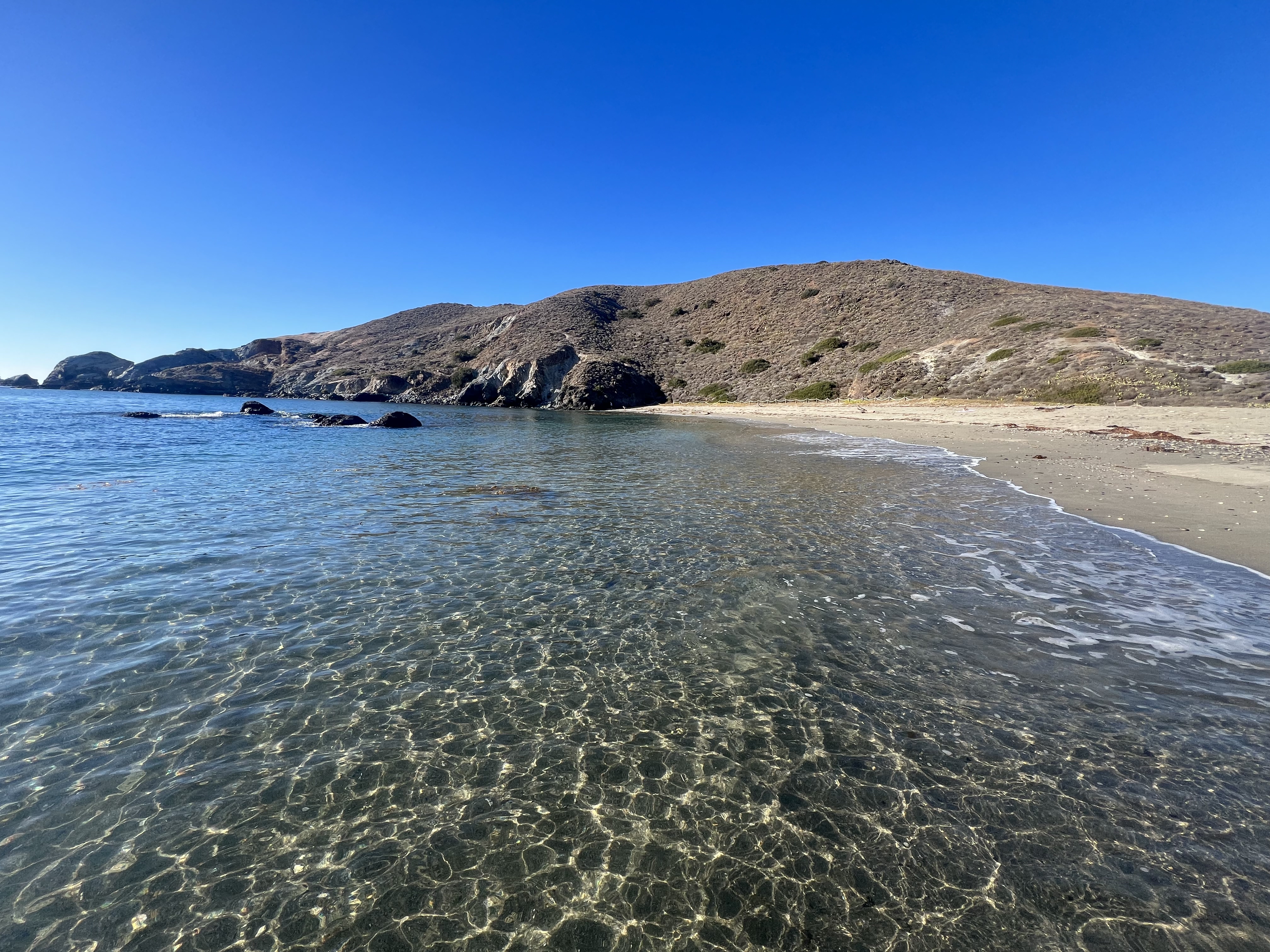
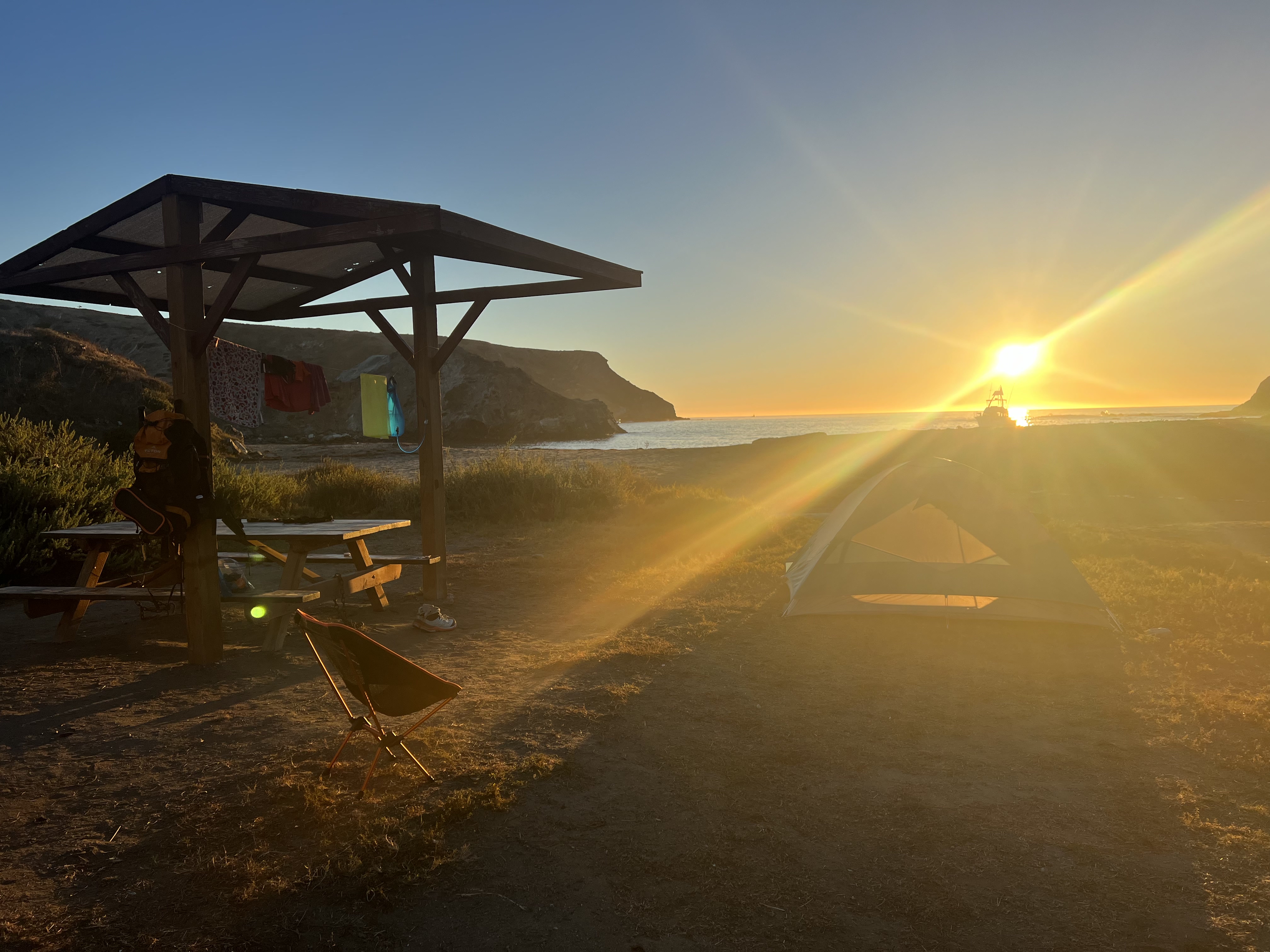
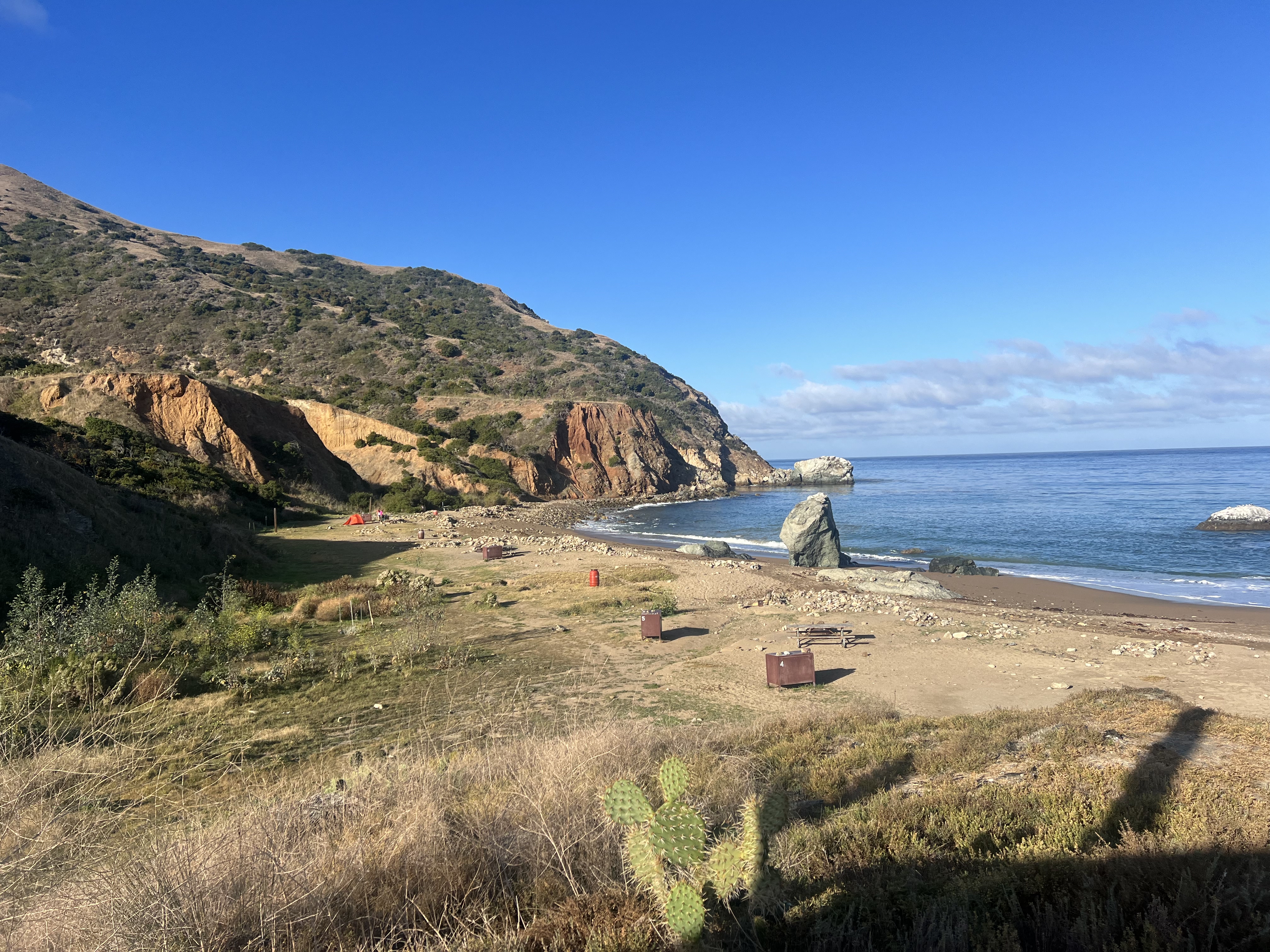
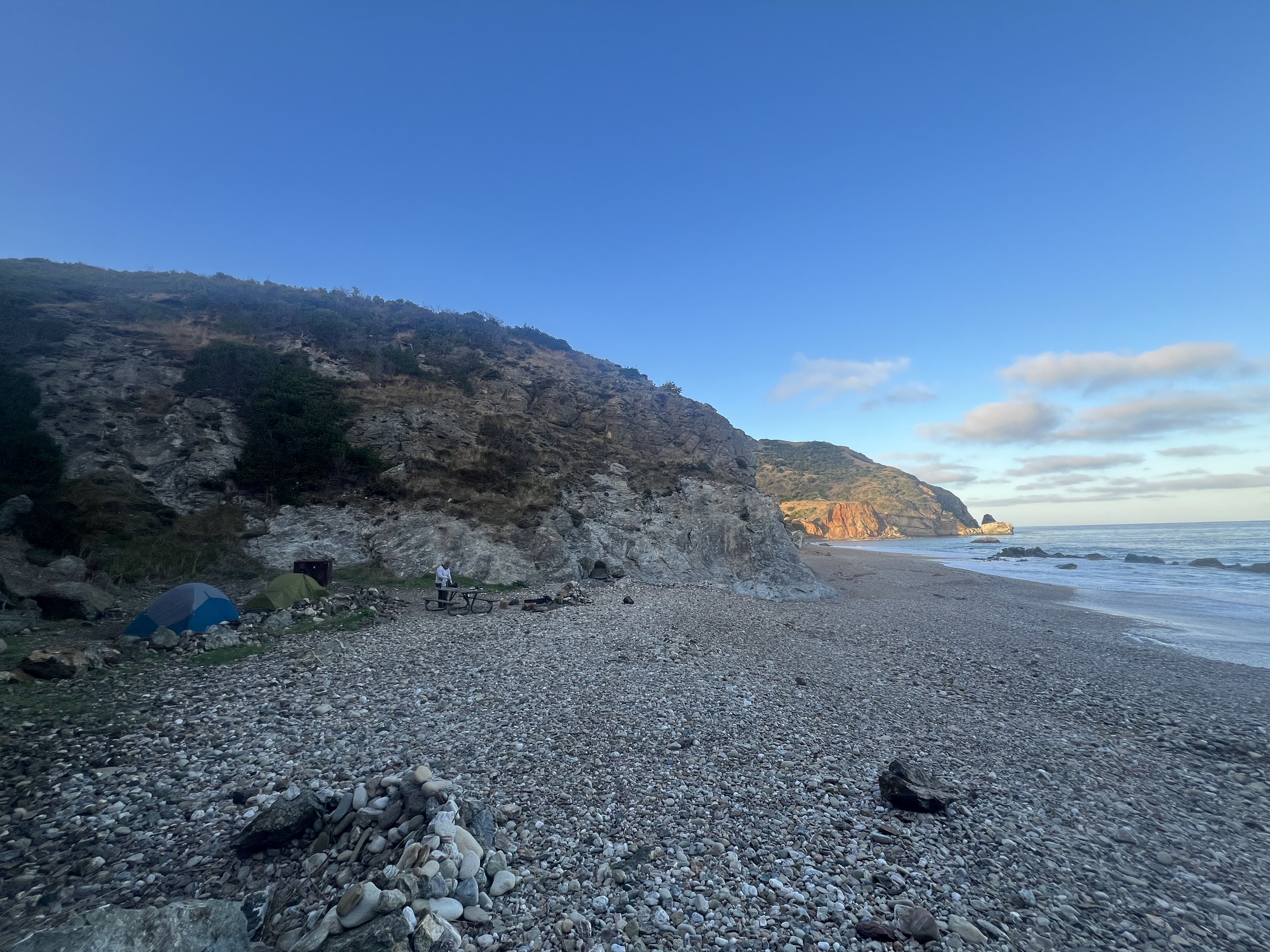
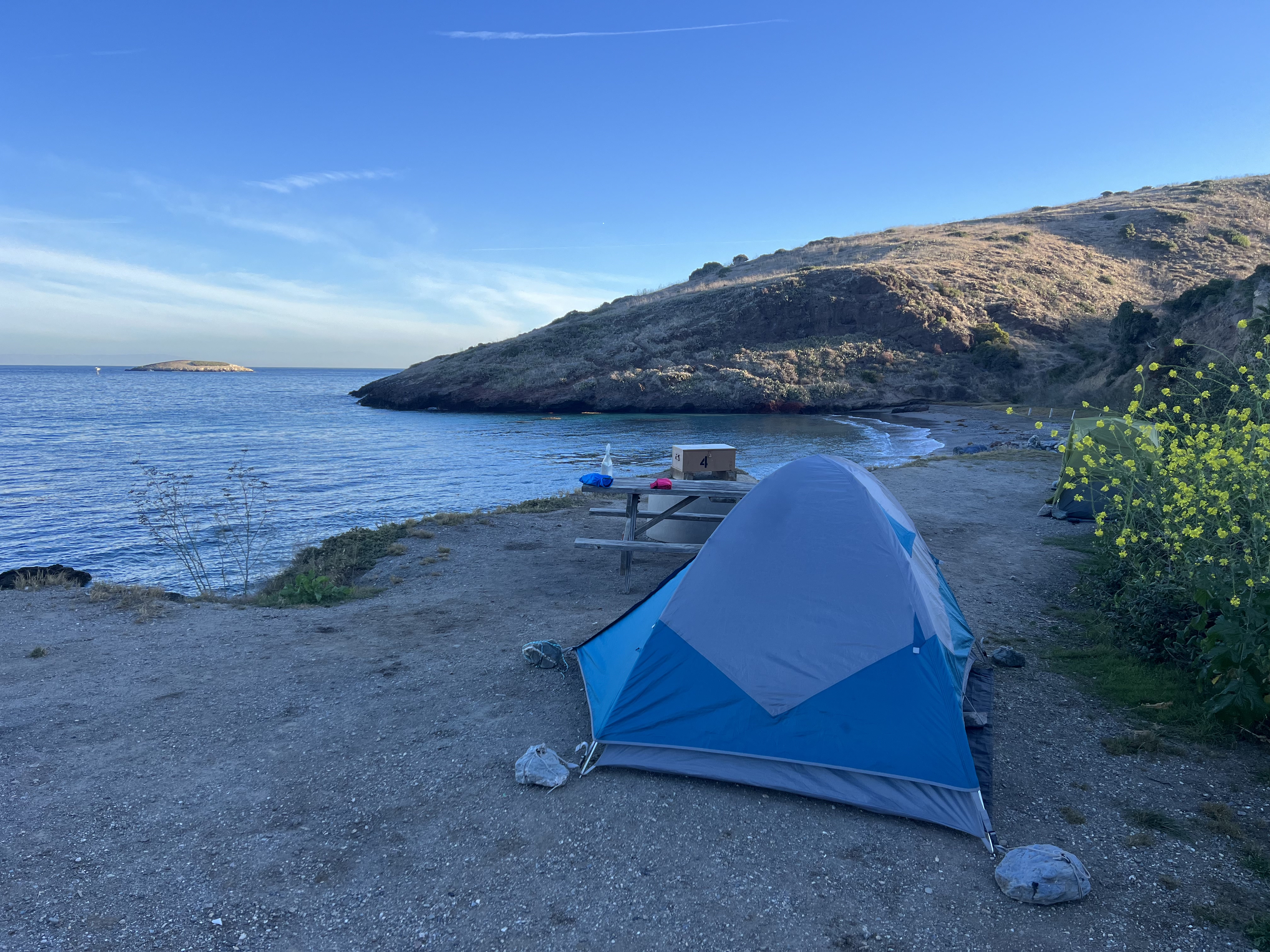
We arrived at our camp at 2pm, plenty of time to settle in and then go for a swim. Our site was reserved at Little Harbor, which is a calm water area; the neighboring Shark Harbor being notorious for rockier, rougher water was not as appealing. I quickly donned my swimsuit, grabbed my camp chair, and headed down to the ocean, only steps away from our campsite. I spent an hour swimming and sitting on the beach, thoroughly enjoying this gorgeous place and wishing I had booked two nights here.

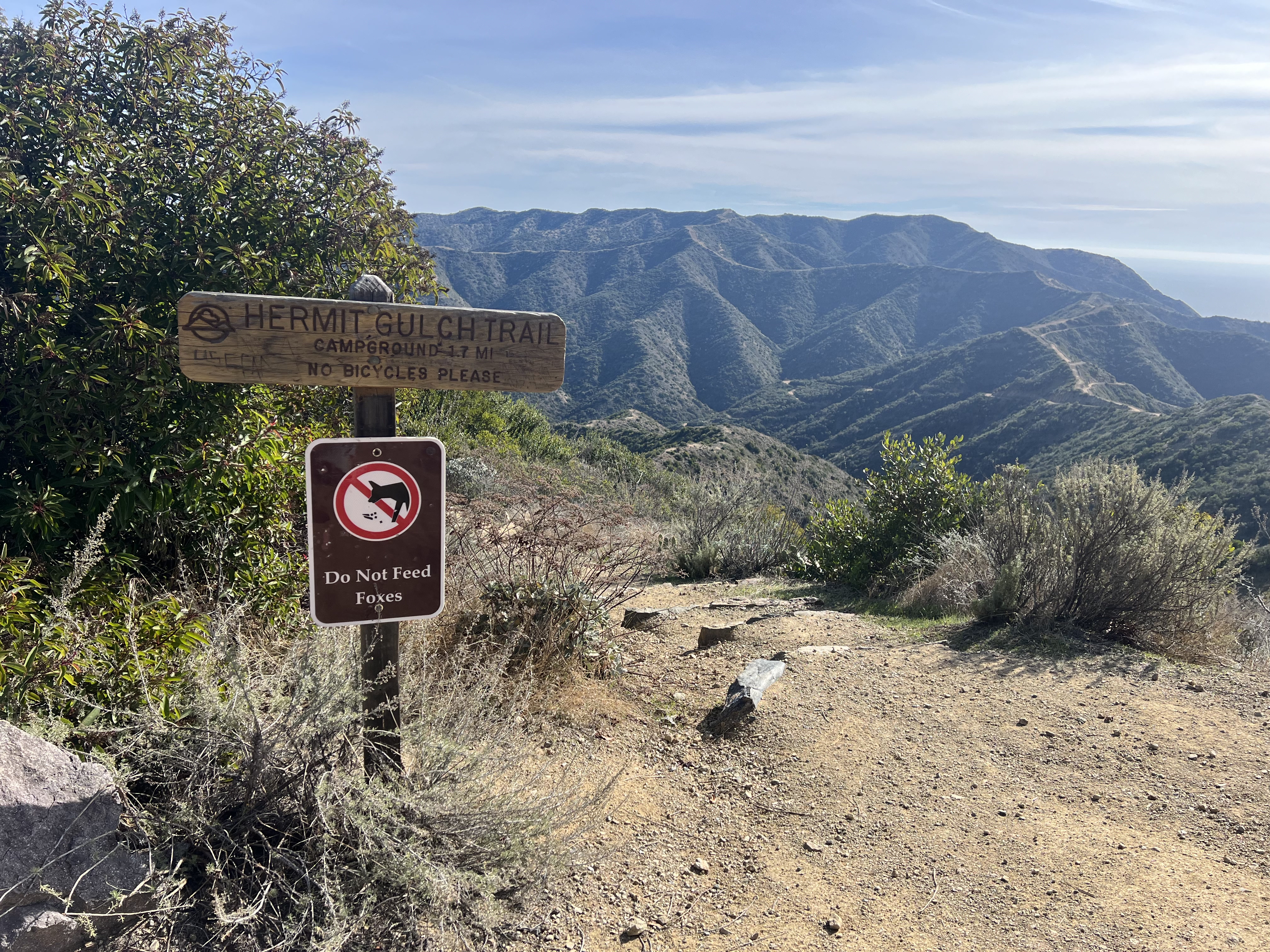
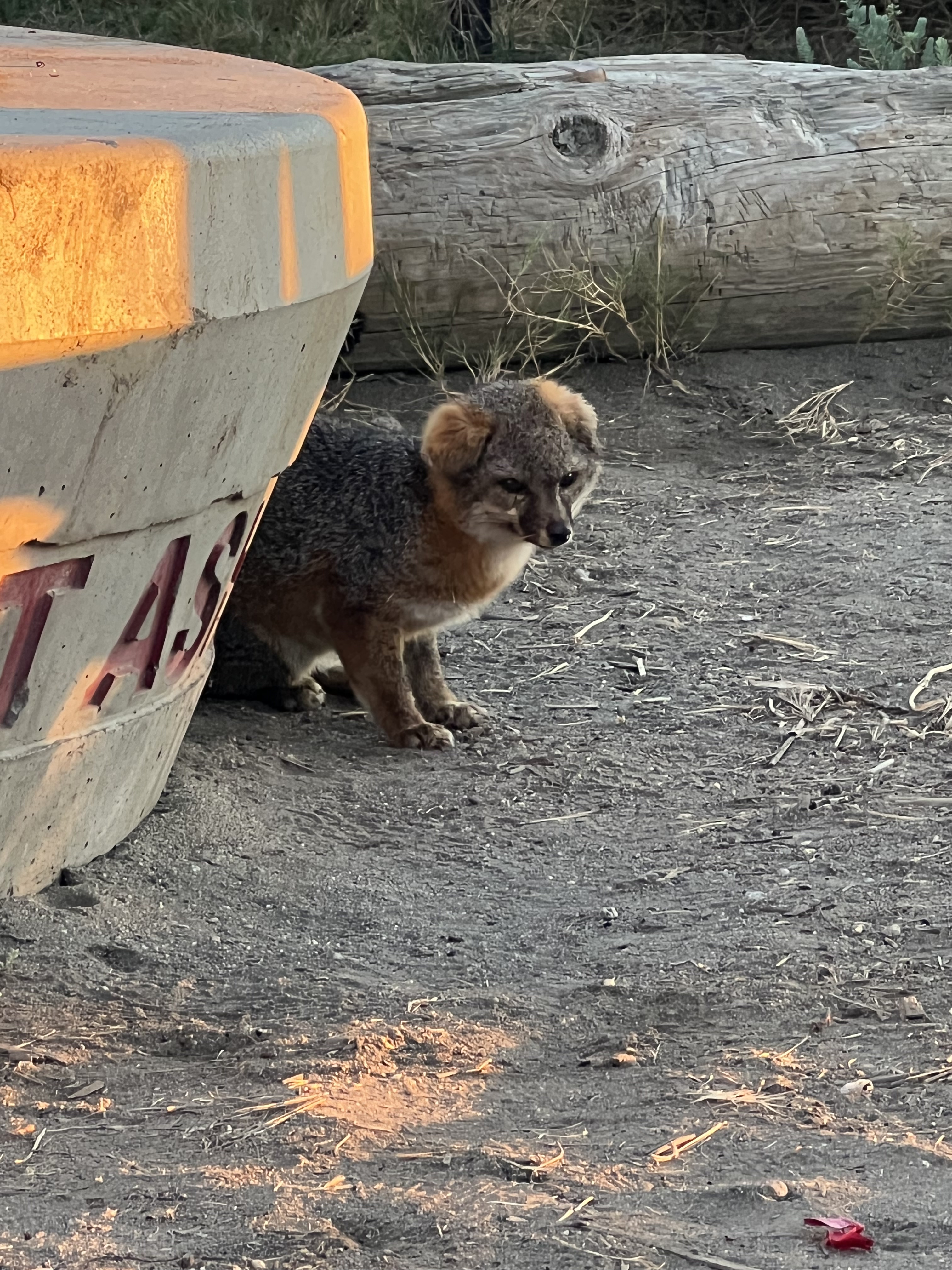
I used one of the outdoor cold showers to rinse off the salt, filled up my water bottles at the filling station, and went back to our camp to make dinner and coffee. A little fox was hanging around, hoping for scraps, and not at all afraid of us. We guarded our food with our lives.

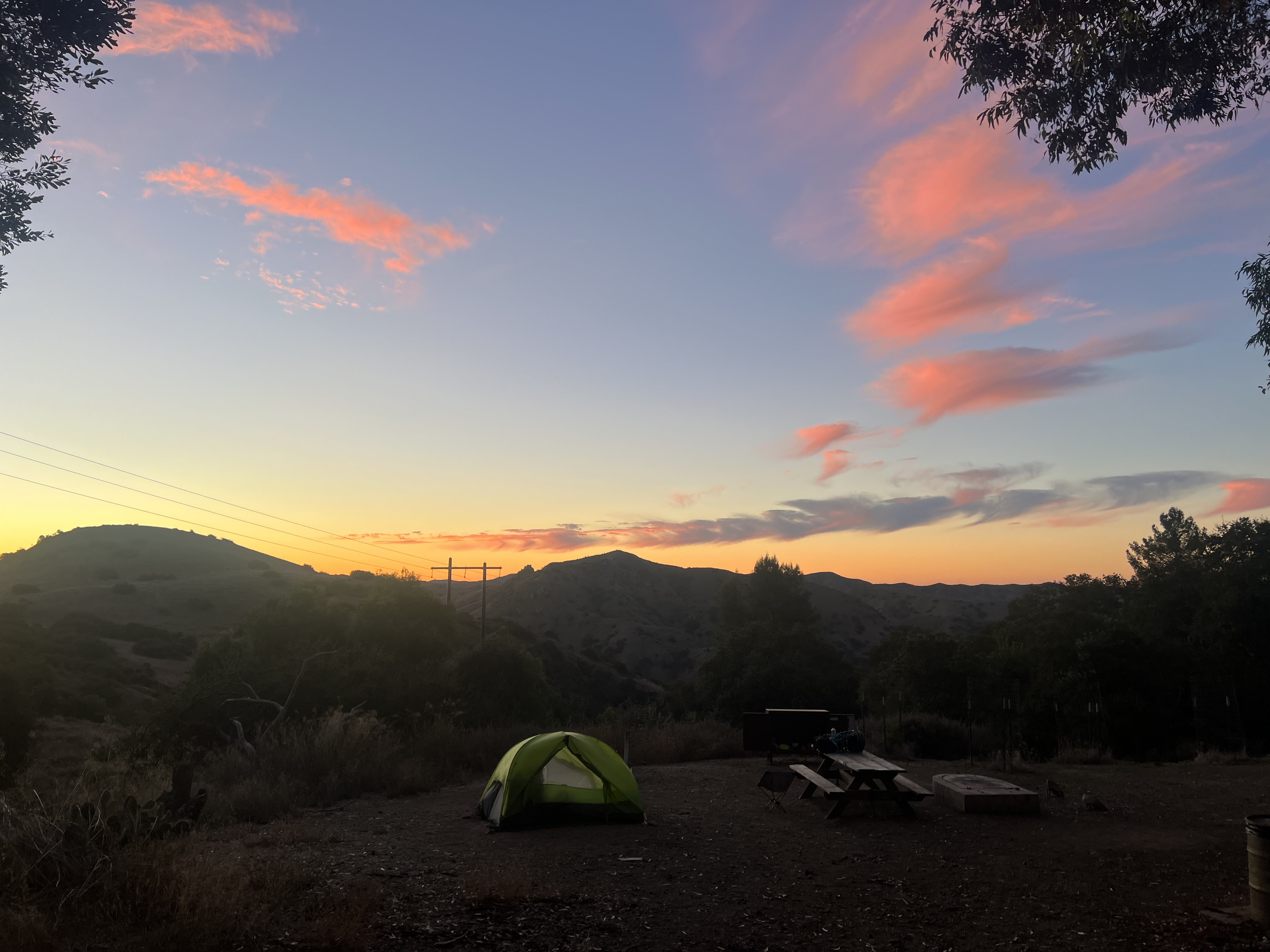
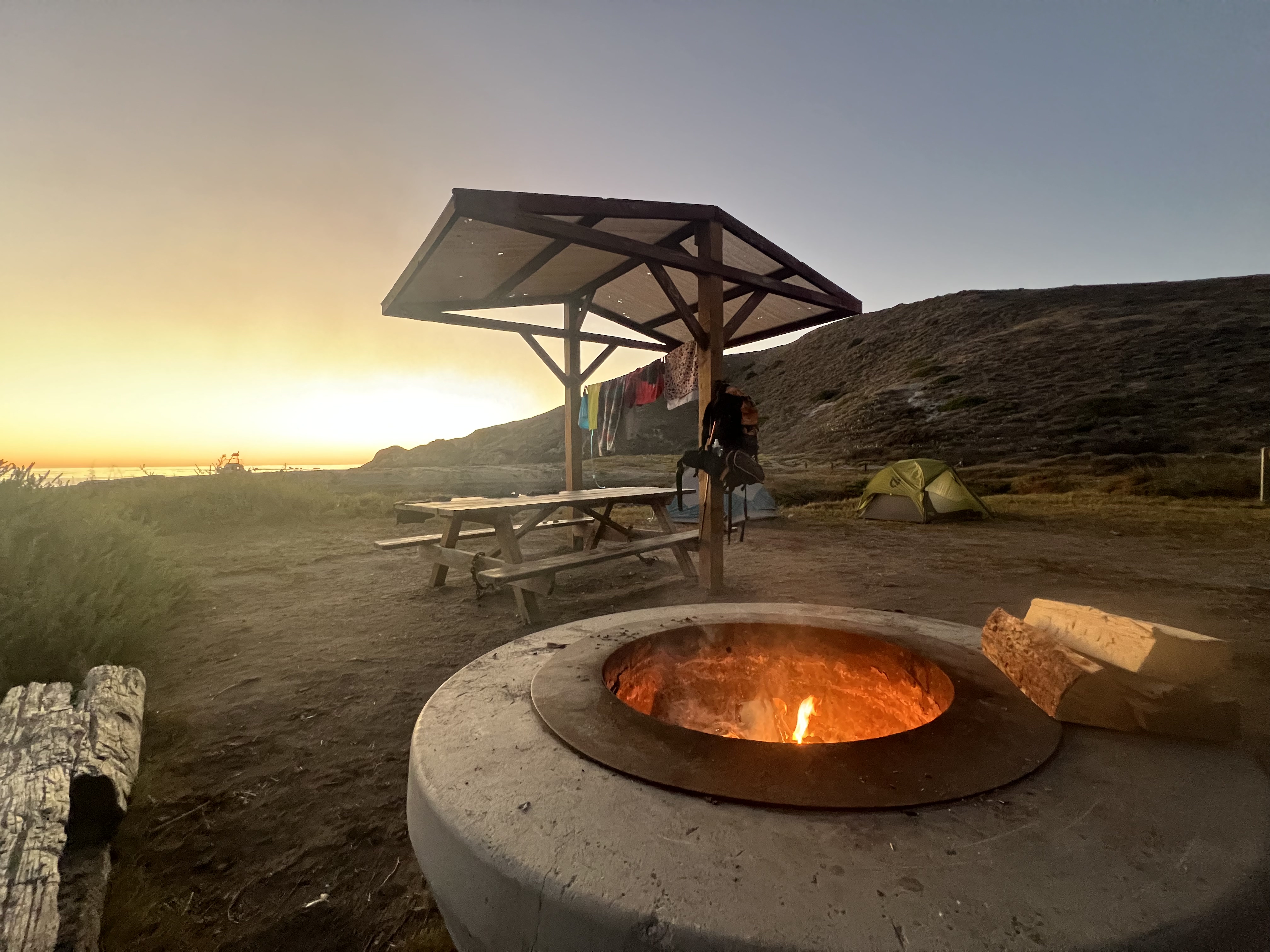
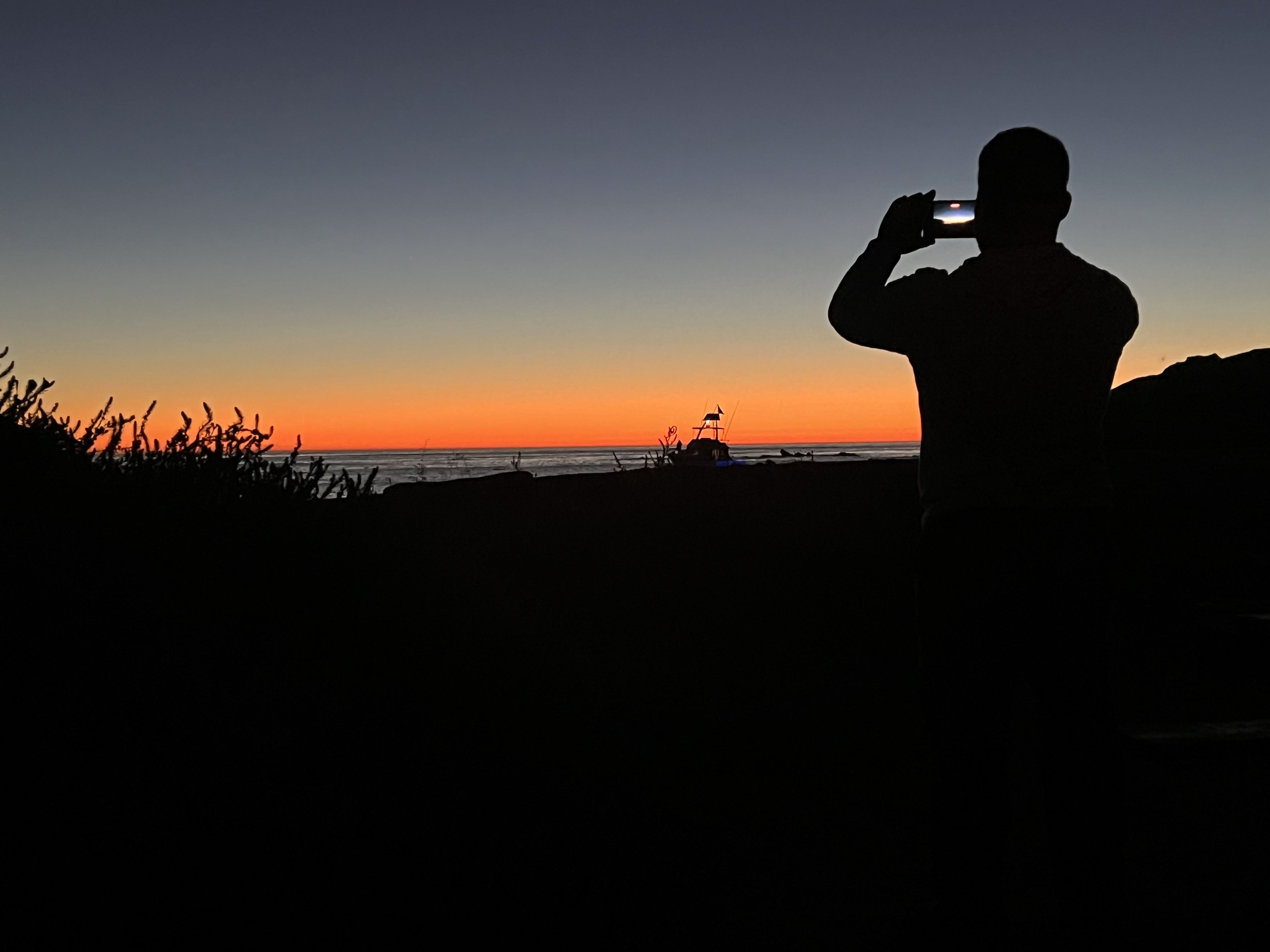
Our pre-ordered bundles of wood and firestarter were waiting for us in our critter box and it didn’t take long to get a fire going as we were treated to a glorious sunset over the harbor. We stayed up for a while, making sure to use up all of our wood, before turning in for the night, now almost 20 miles from where we had disembarked from the ferry.

Day 3

Little Harbor → Two Harbors → Parson’s Landing via the Road
13.5 Miles, +3300′

The weather so far had been perfect and today was no different. The cold night we had experienced at Hermit Gulch was no longer the norm, and we slept comfortably, although a warmer sleeping bag wouldn’t be a bad idea during the winter months.

We were on the move by 7am, sad to leave this gorgeous beachfront property, but excited for our longest day of the trip, a 14 mile walk to Parson’s Landing. By all accounts, Parson’s is the nicest camp on the entire TCT, but I thought it would be hard to beat Little Harbor. We would get a nice, late morning, break in Two Harbors, just 5 miles north. The trail out of Little Harbor climbs gains 1500′ over the first 3 miles, before losing that same 1500′ over the almost 3 miles into Two Harbors.

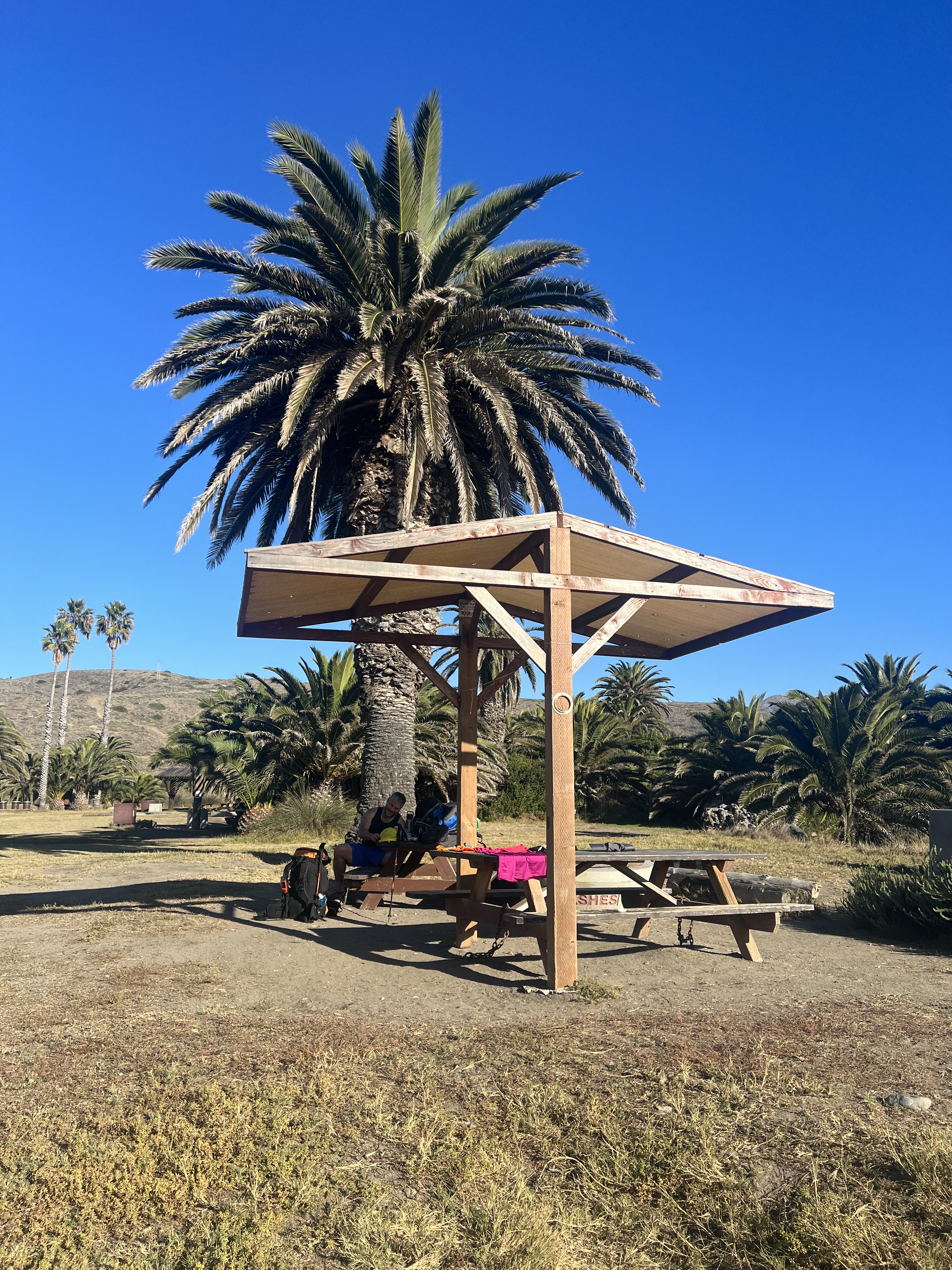
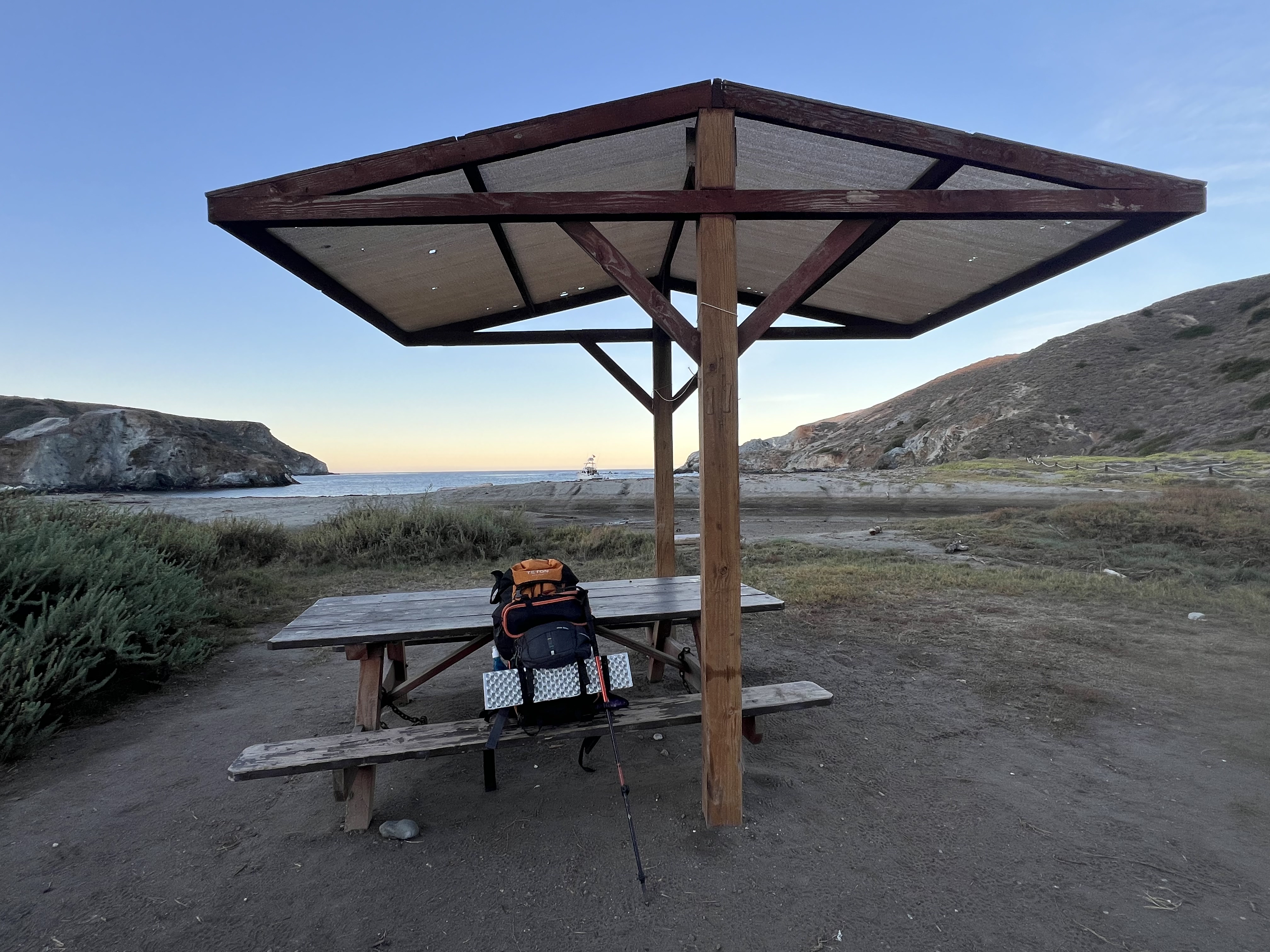
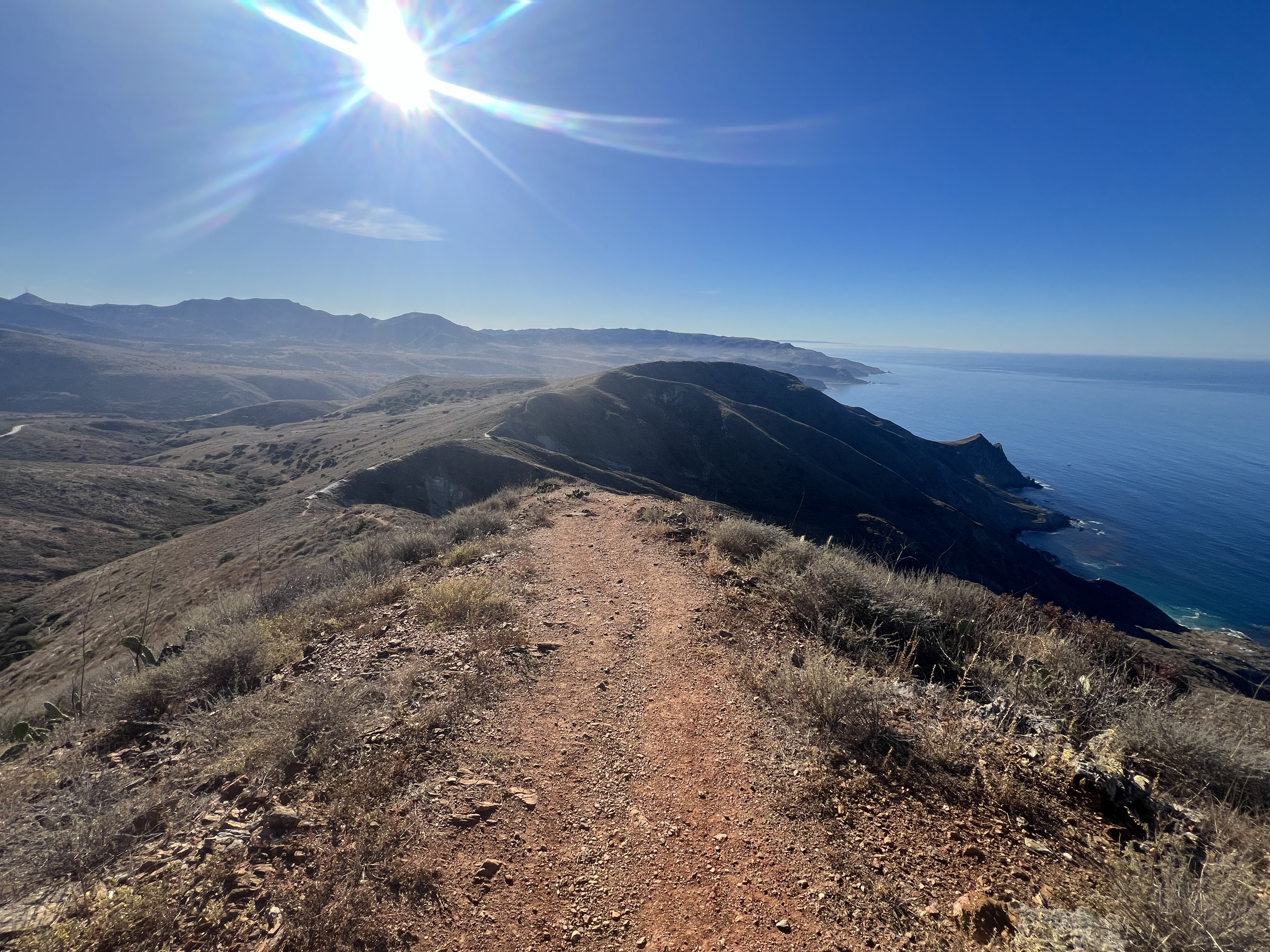
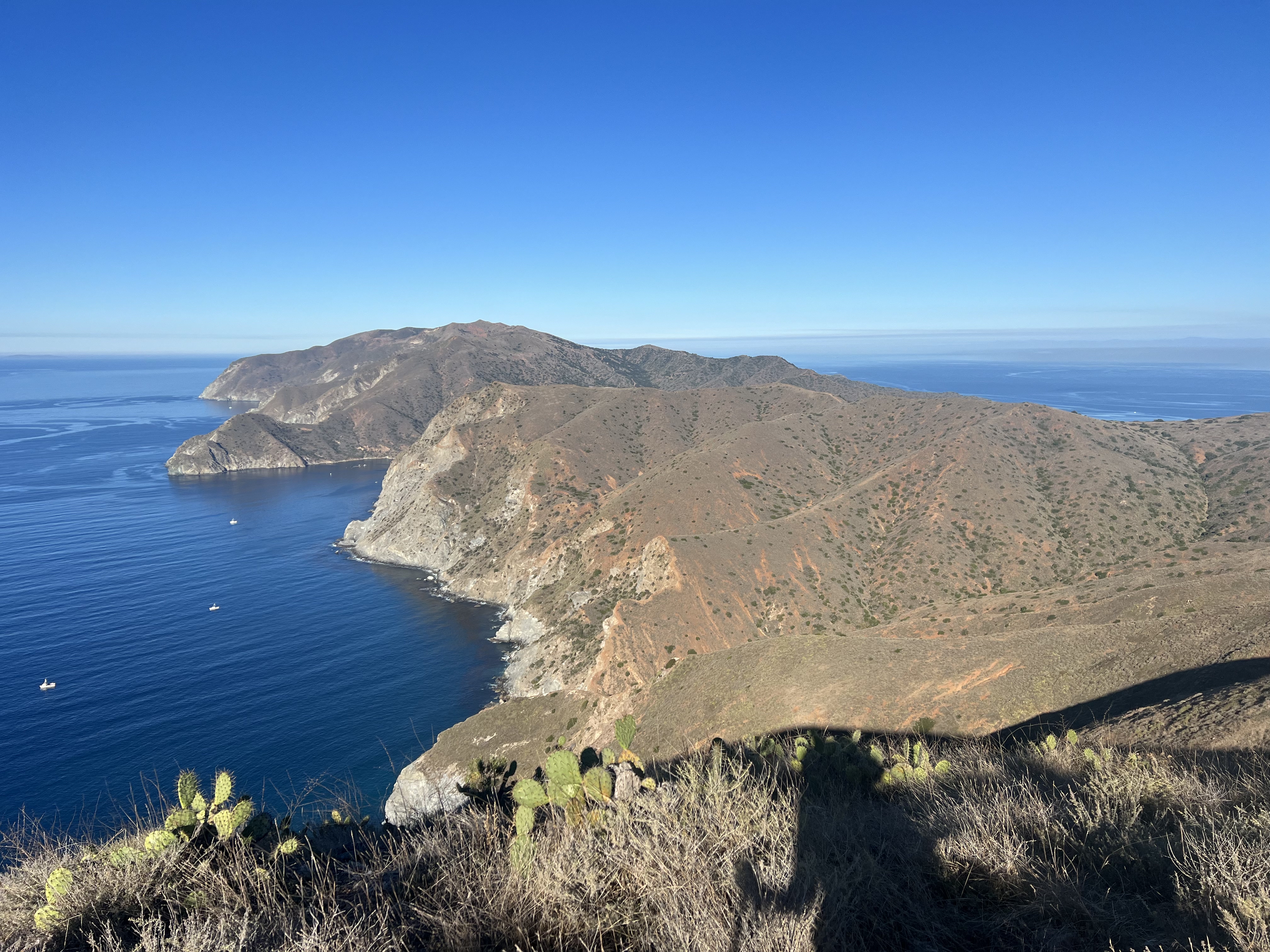
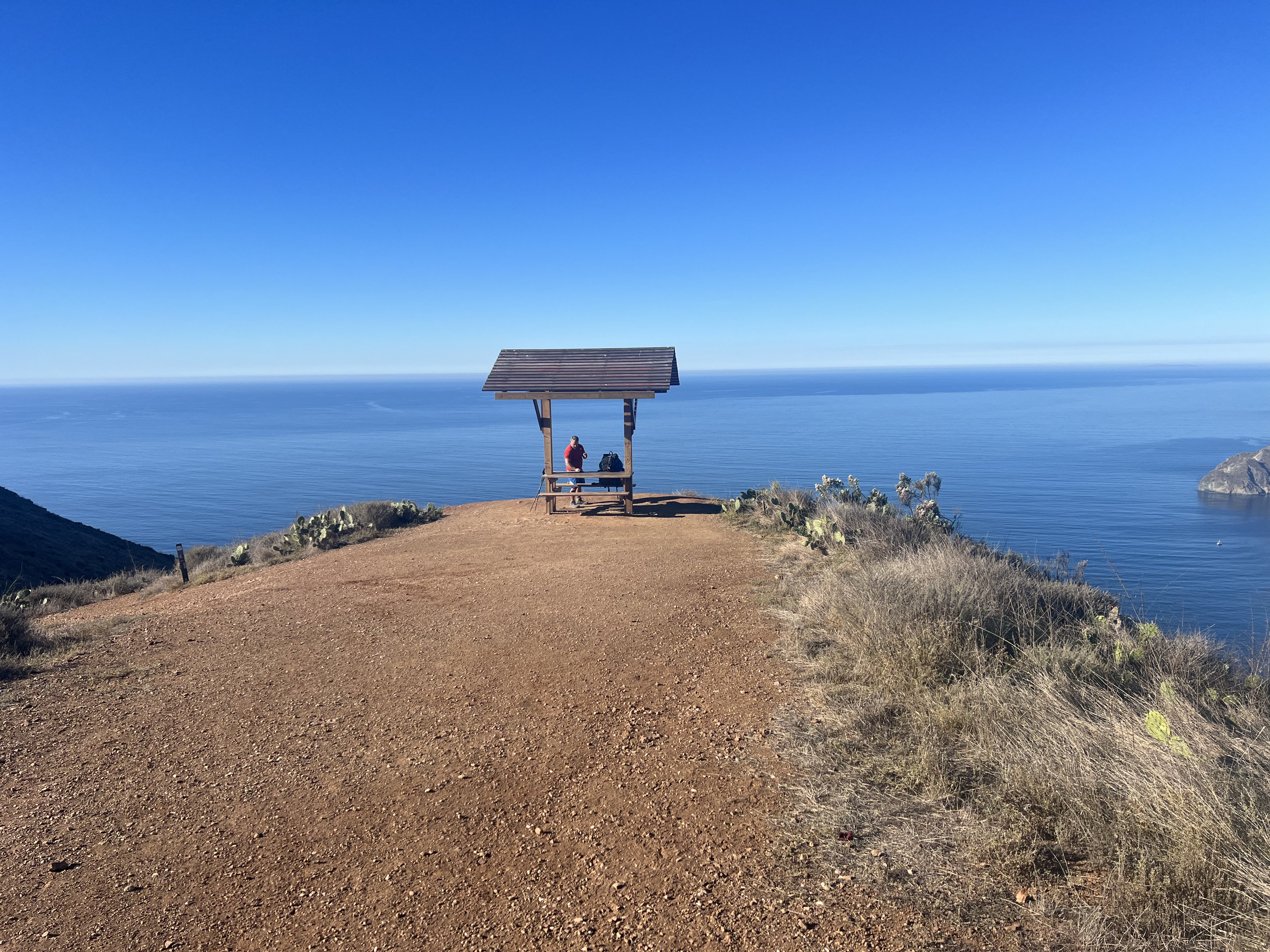
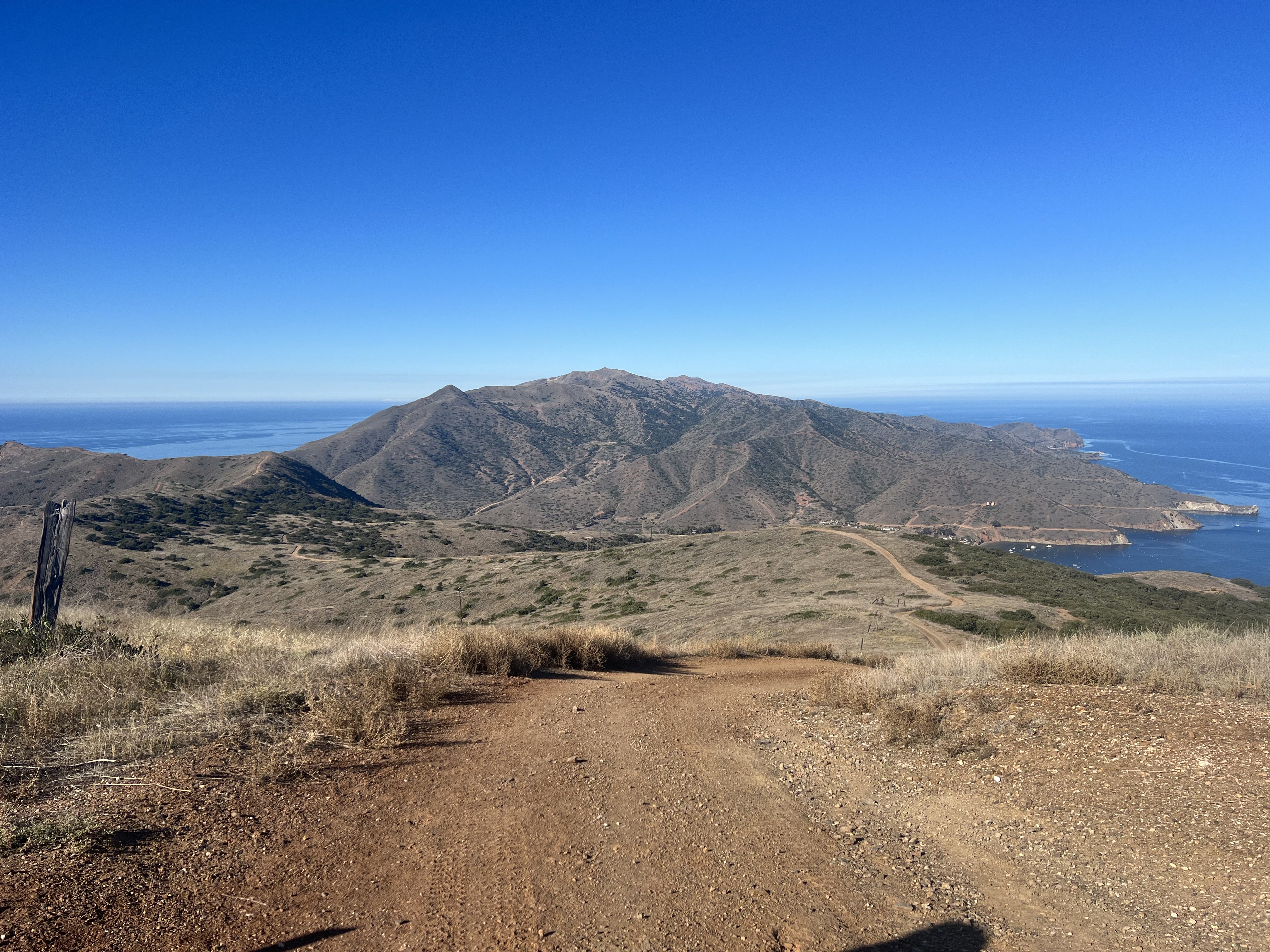
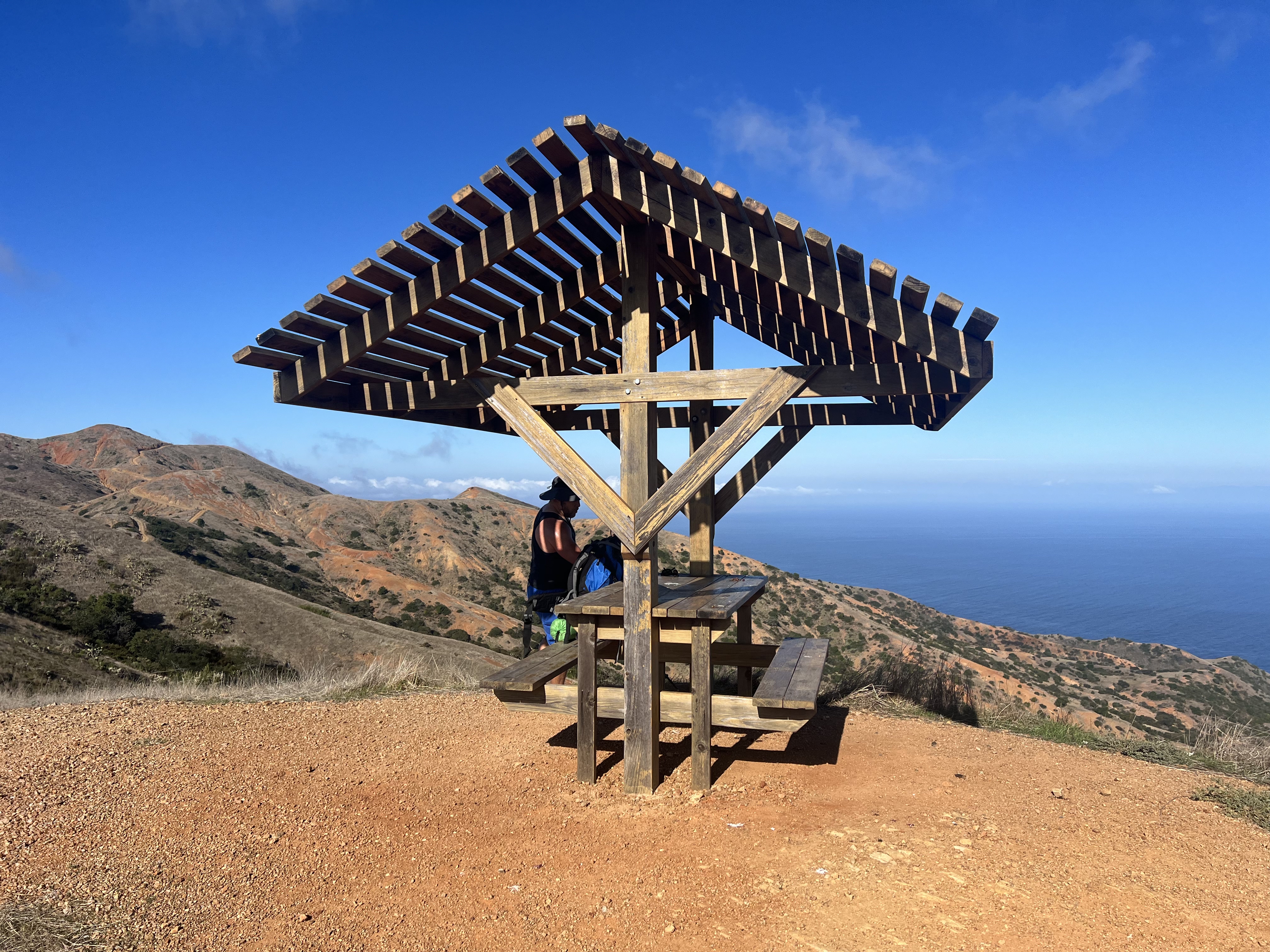
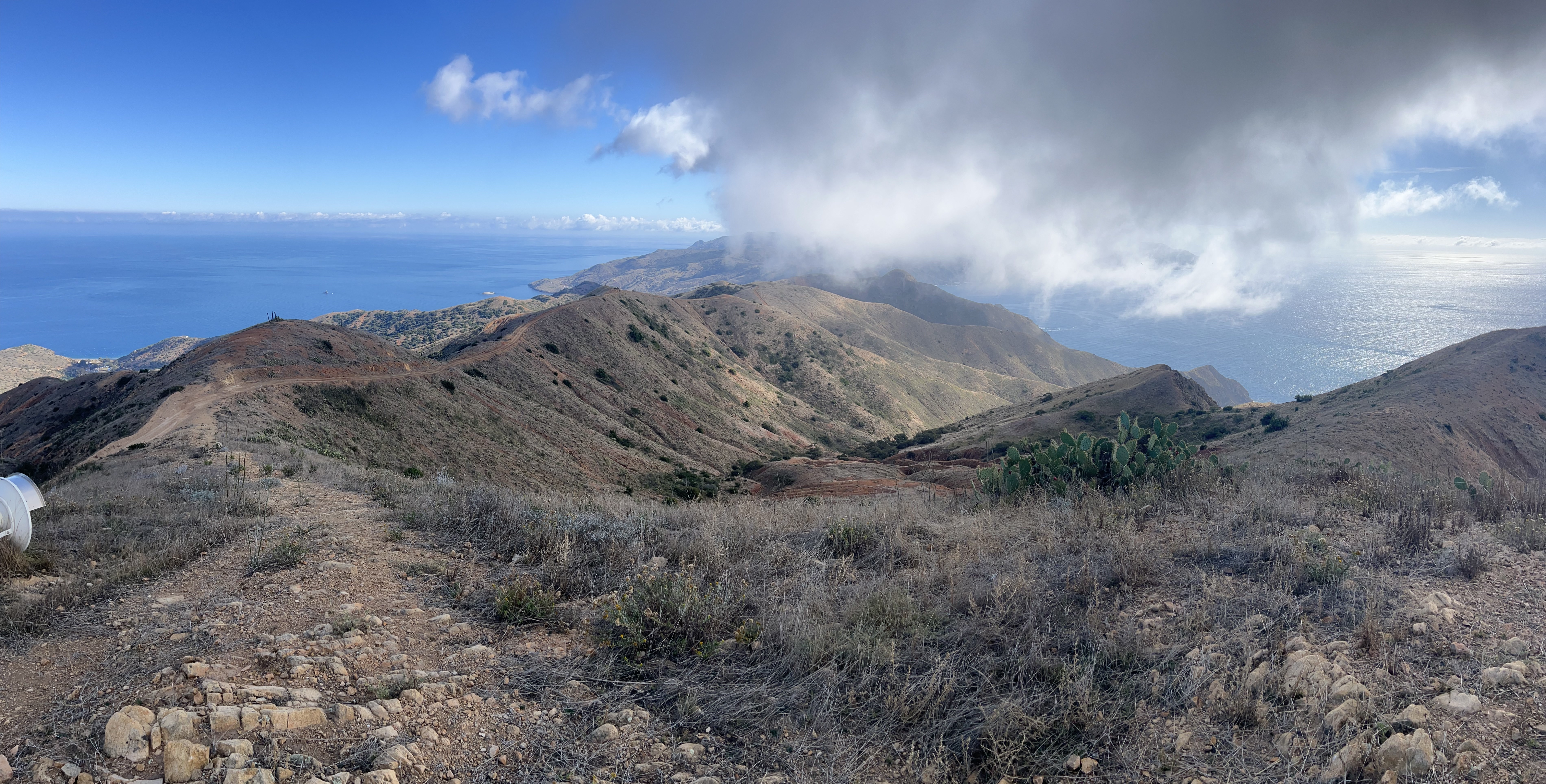
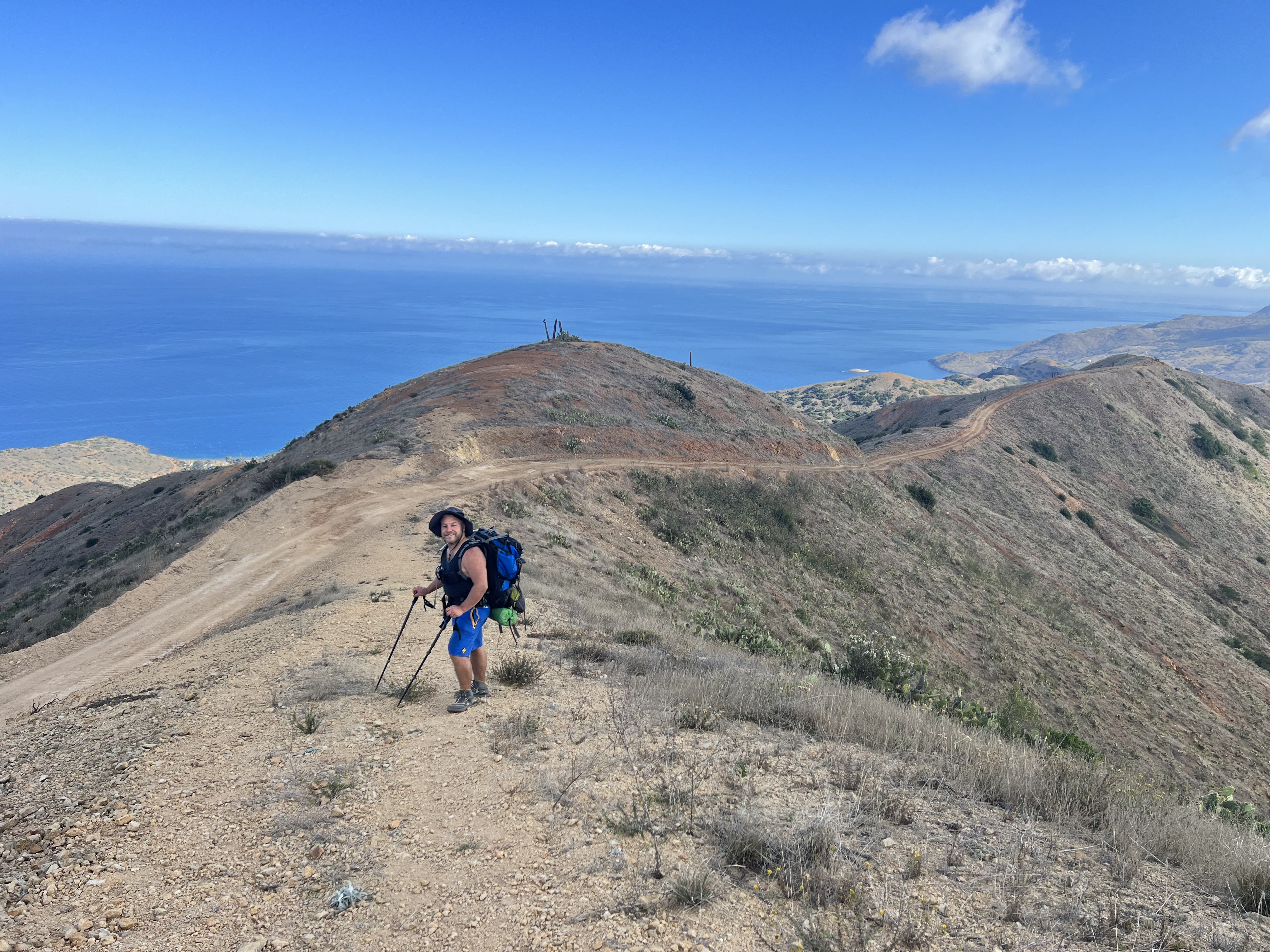
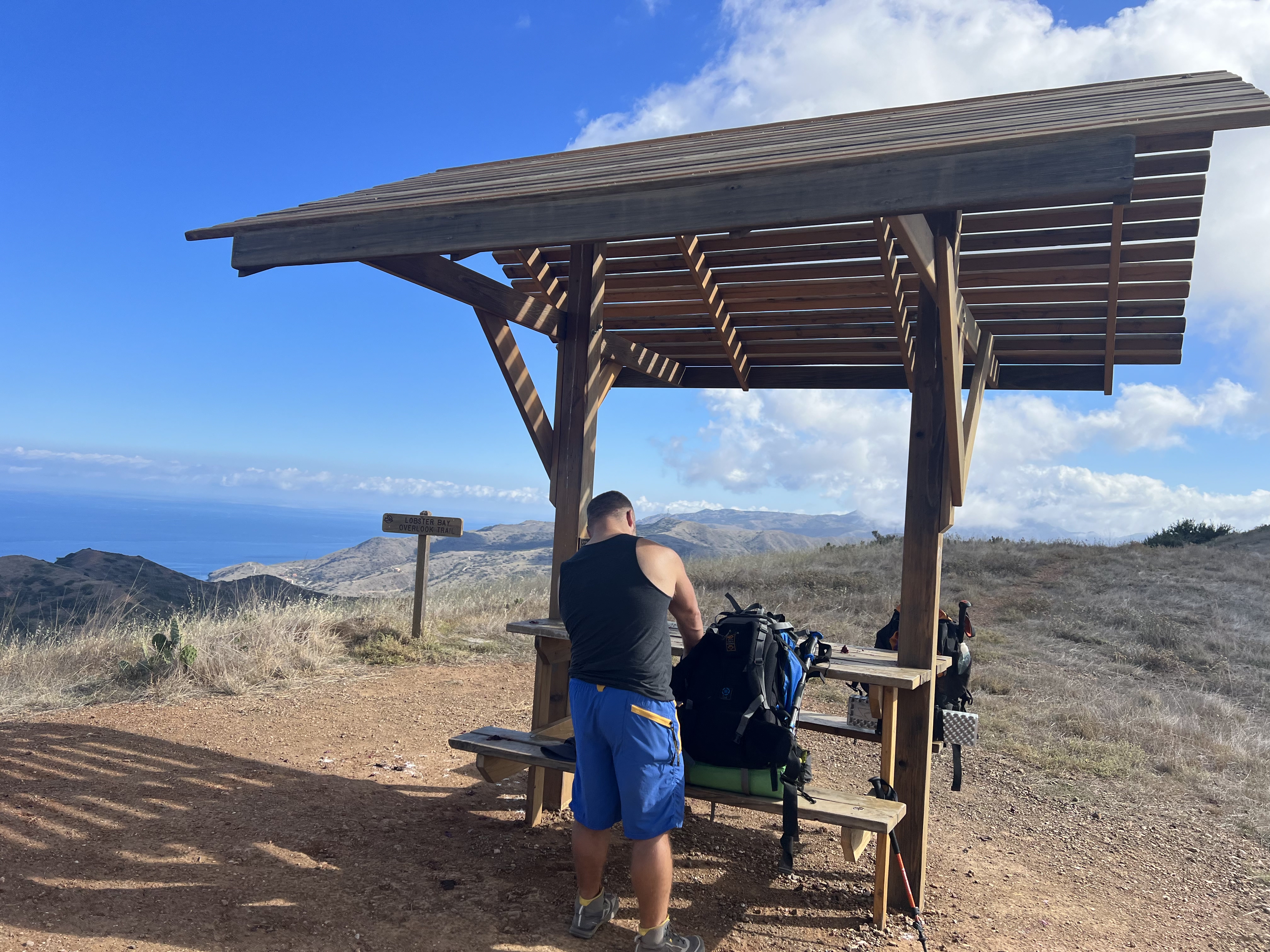
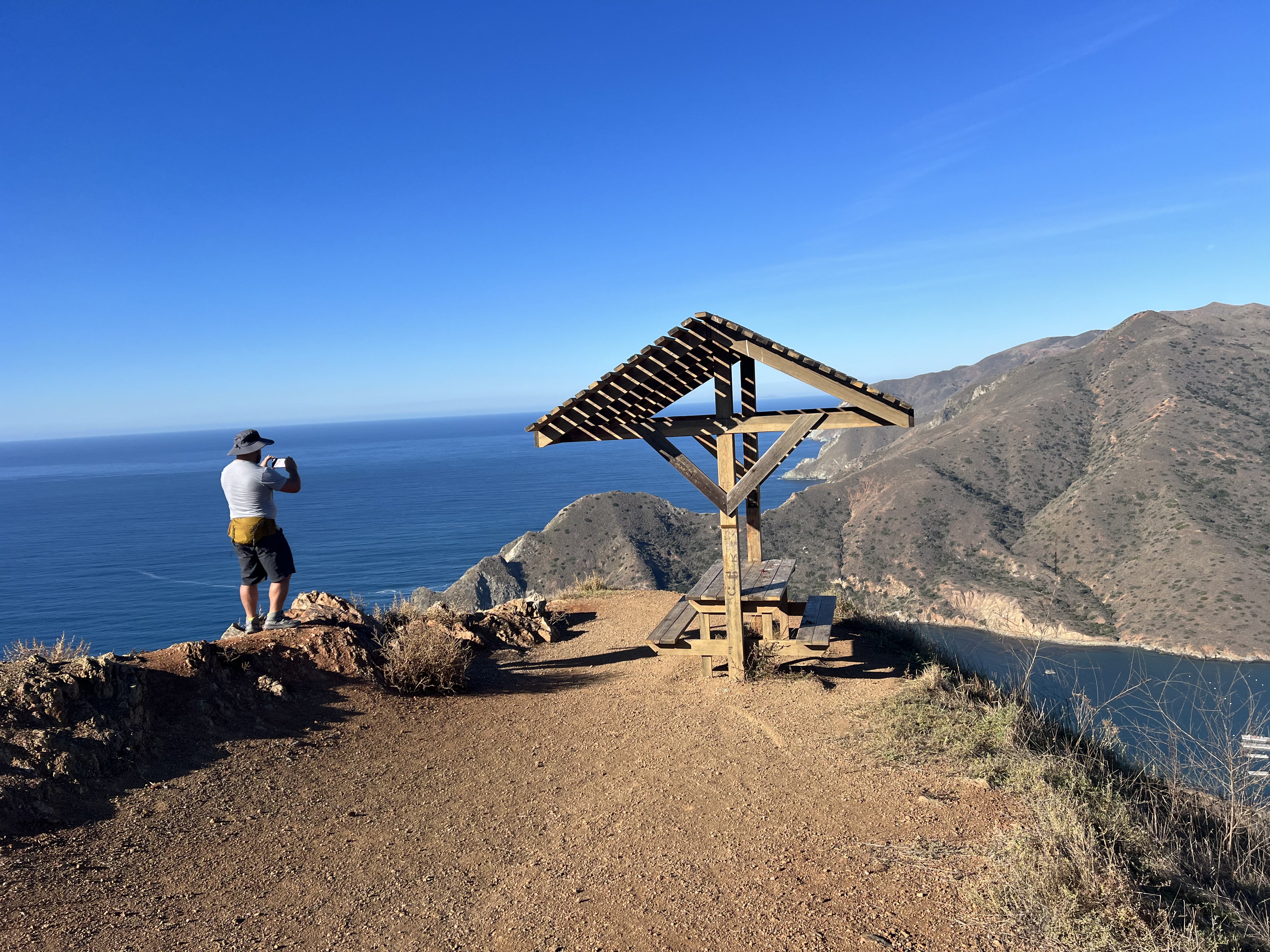
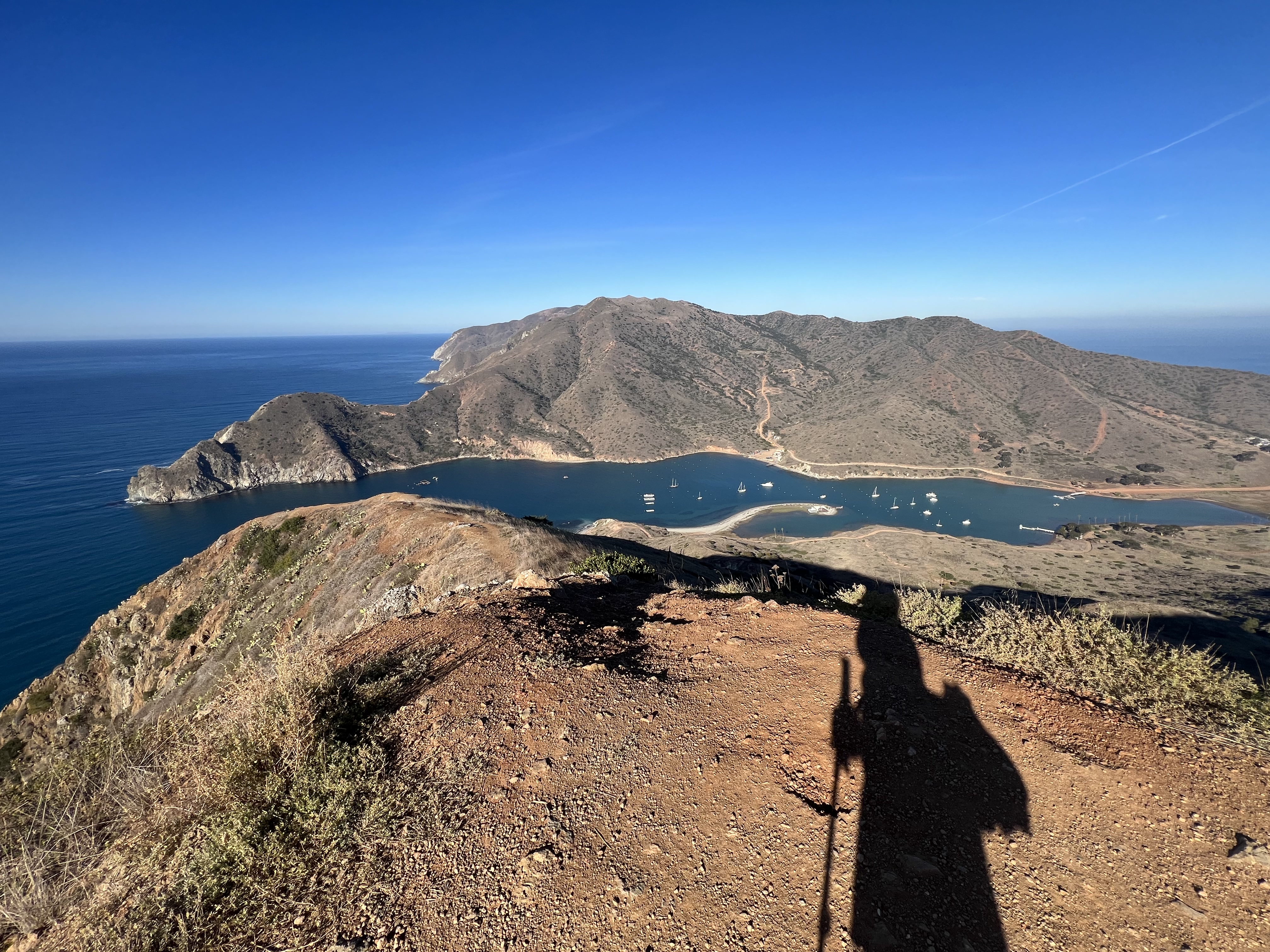
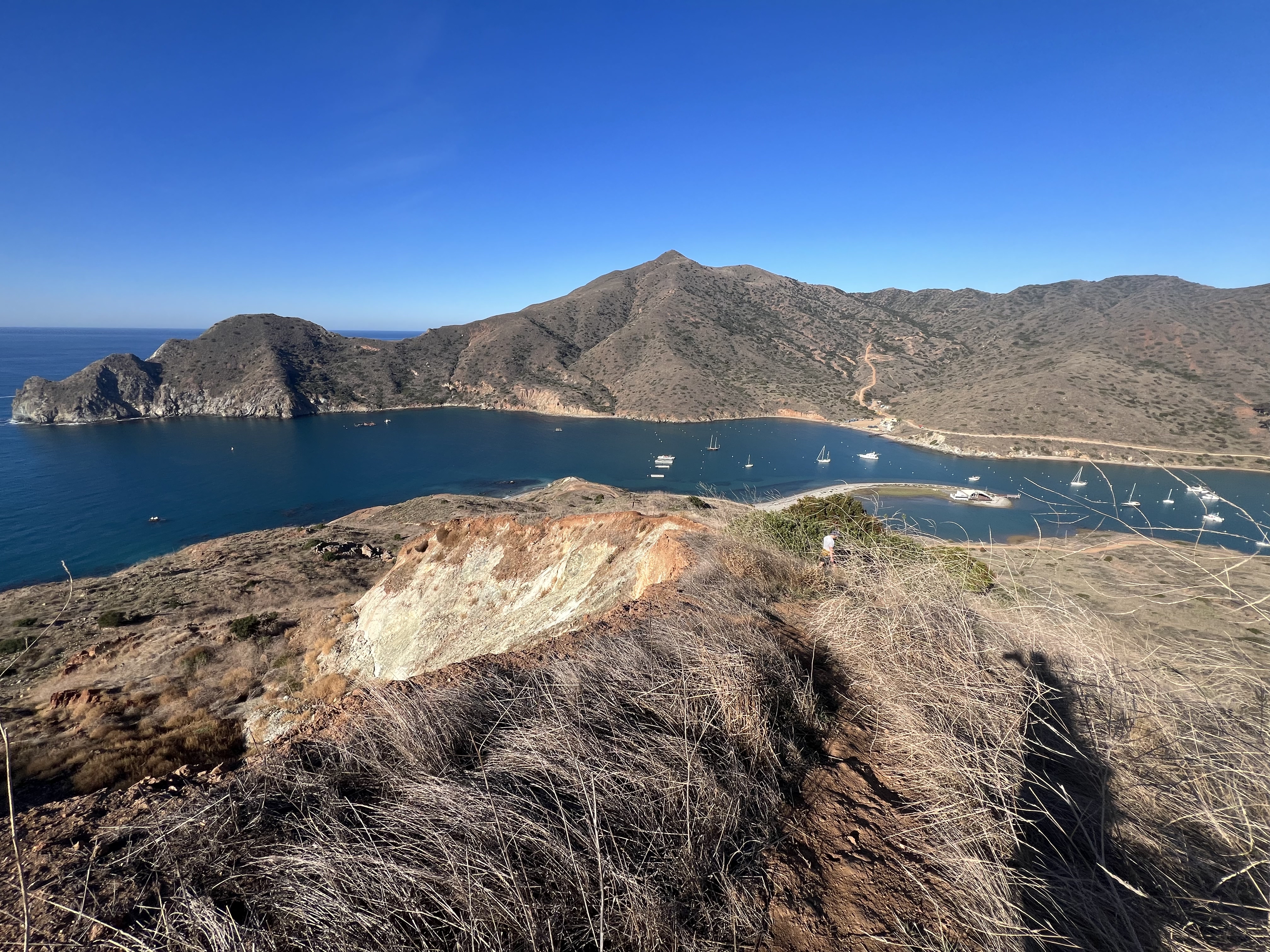
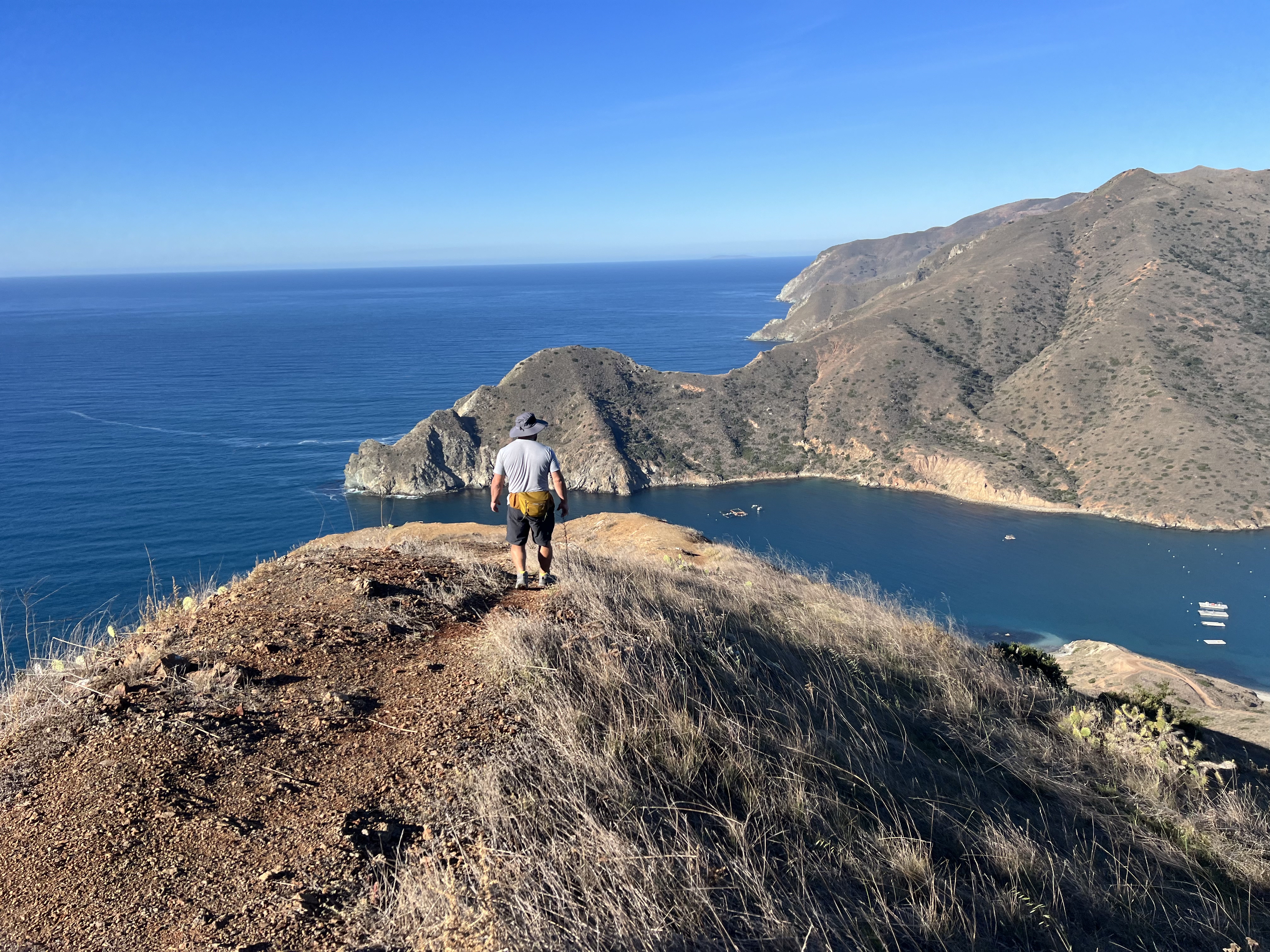
Climbing up along the coast, we got an amazing view of Little Harbor and the rocky shore of Shark Harbor, before turning north to ascend the ridge. A small, covered picnic table (common to see at TCT viewpoints) welcomed us to the high point of the ridge at just over 1,200.’ We now had a full view of the north section of the island, split from the south by a narrow isthmus that literally separated two harbors. I looked back to the south and noticed a distinct difference in terrain, the south having more rolling hills, the north looking rugged with its intertwining ridges and lack of lowland.

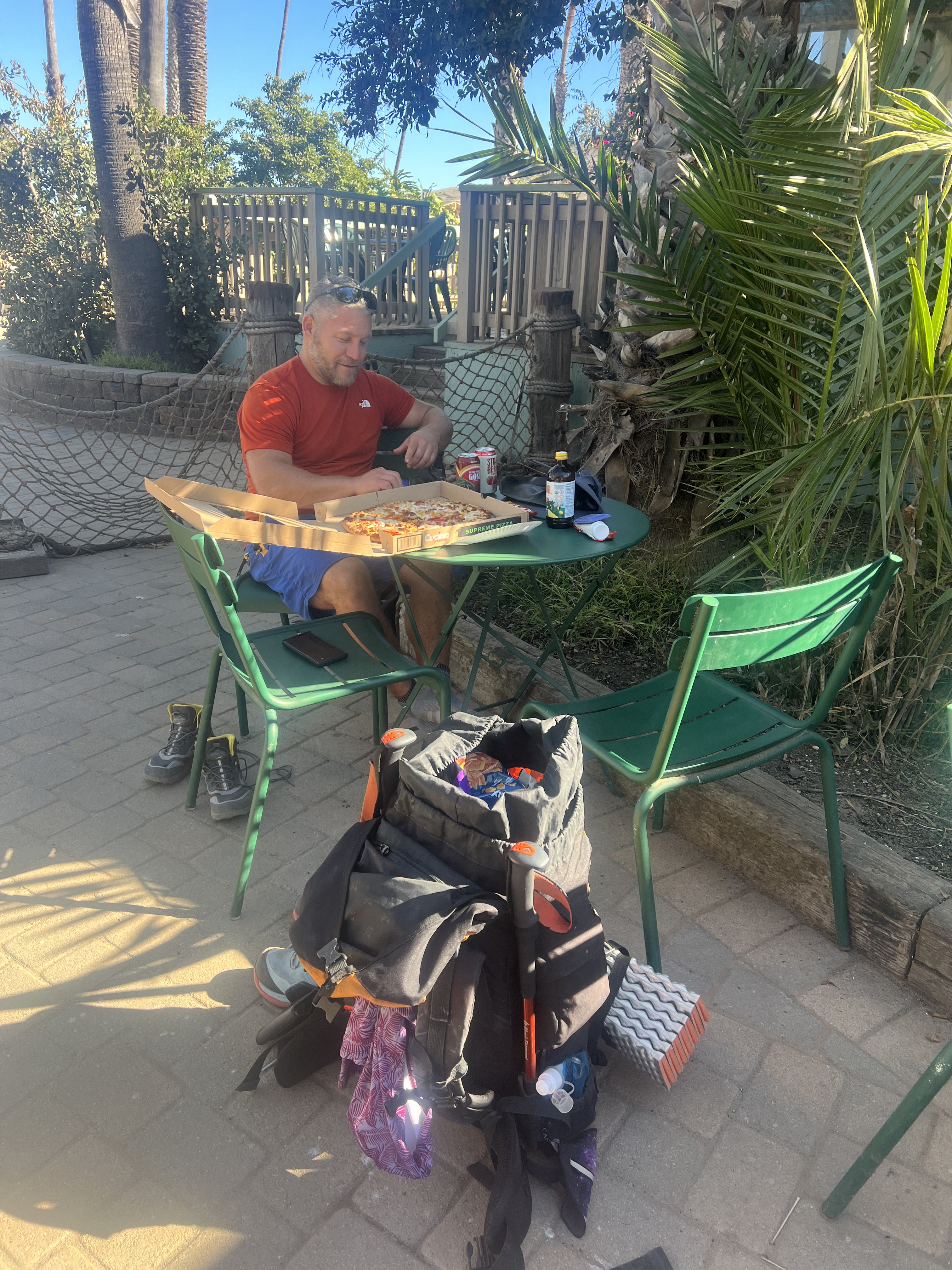
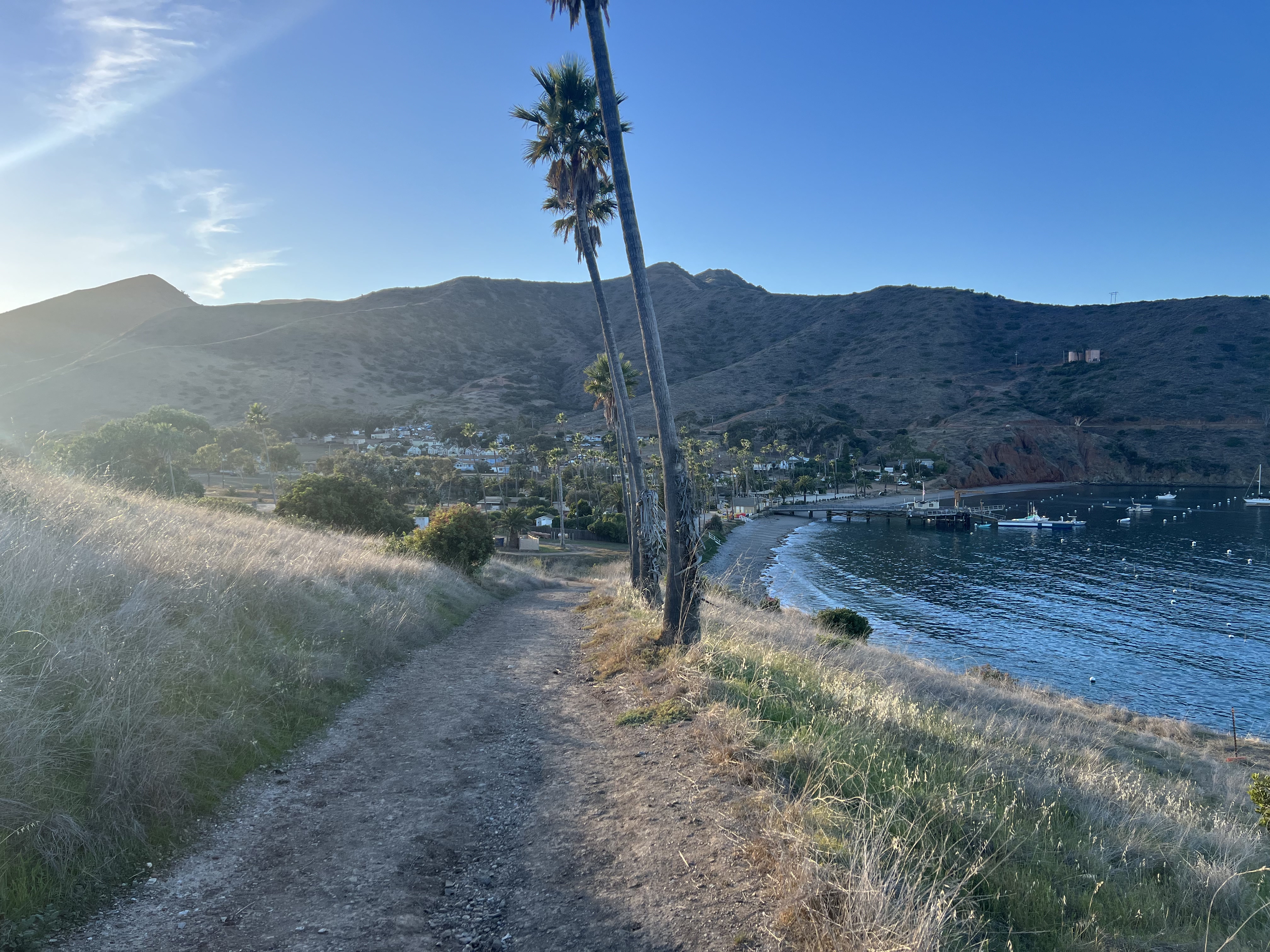
After one last short 100′ climb to a knob, Two Harbor came into view. Within an hour we had descended the 1,500′ and were picking out a table outside of the general store, ordering a pizza and beer. They even had a couple of excellent N/A beers for me, now having survived over nine months without alcohol.

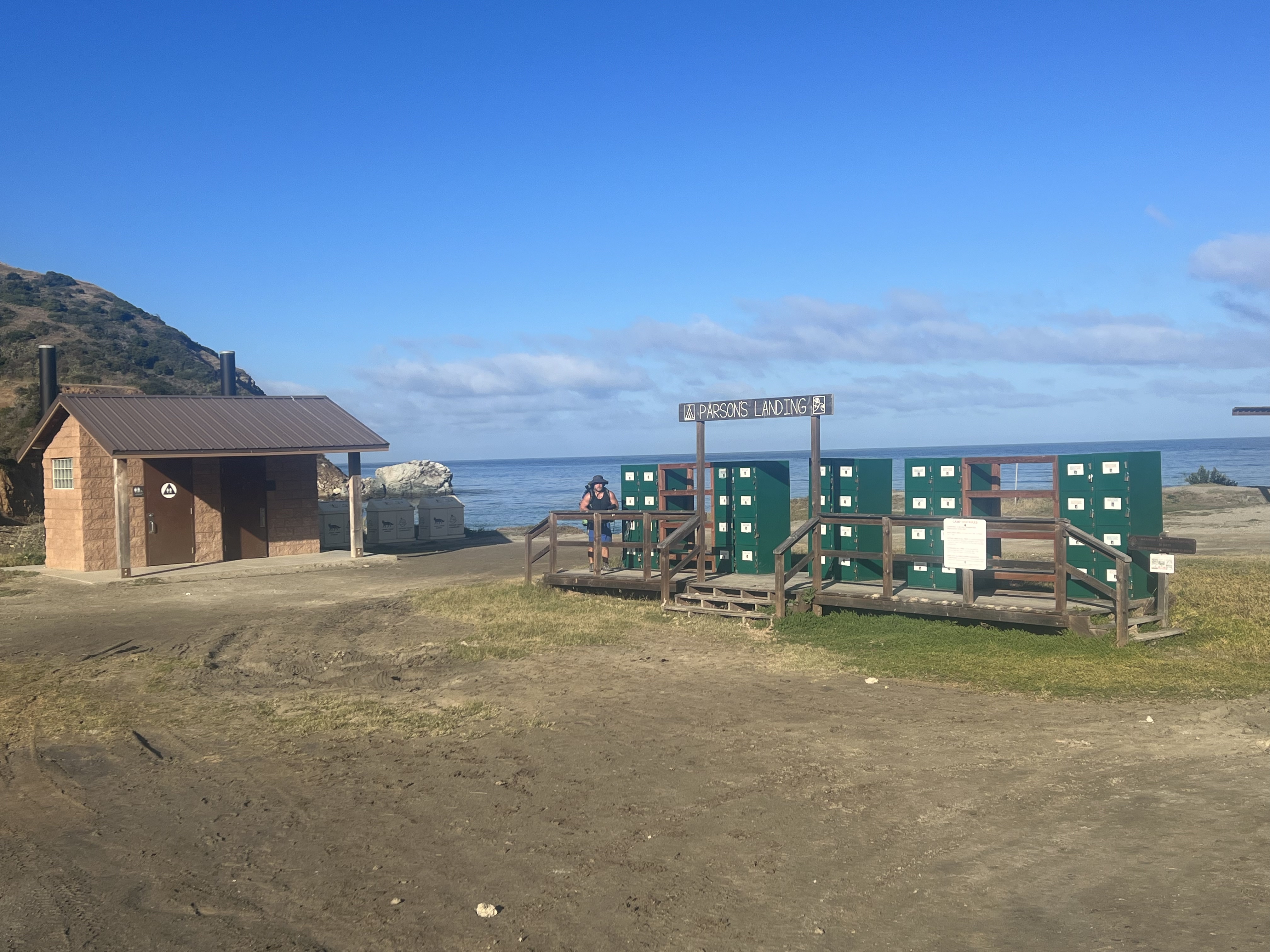
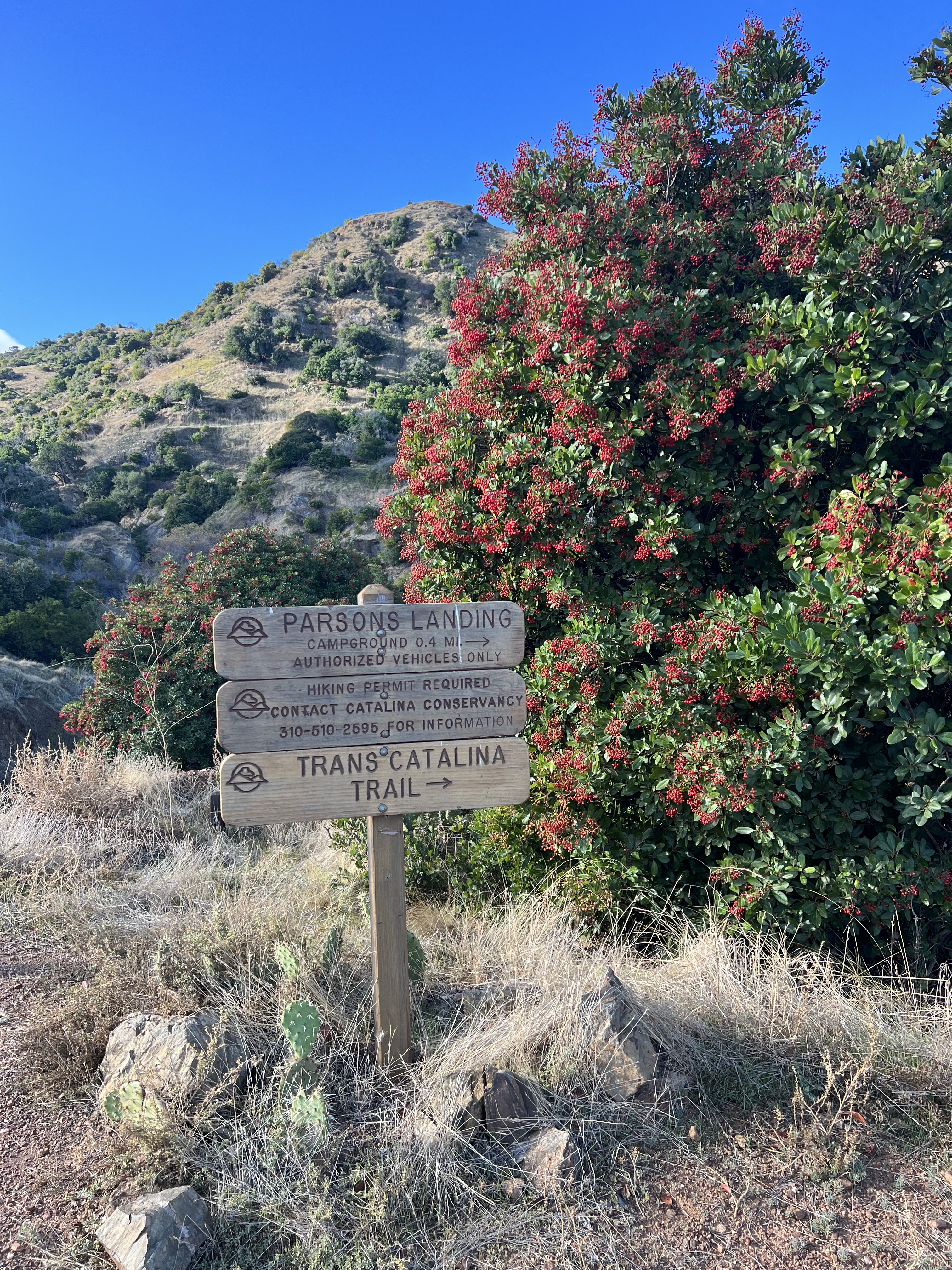
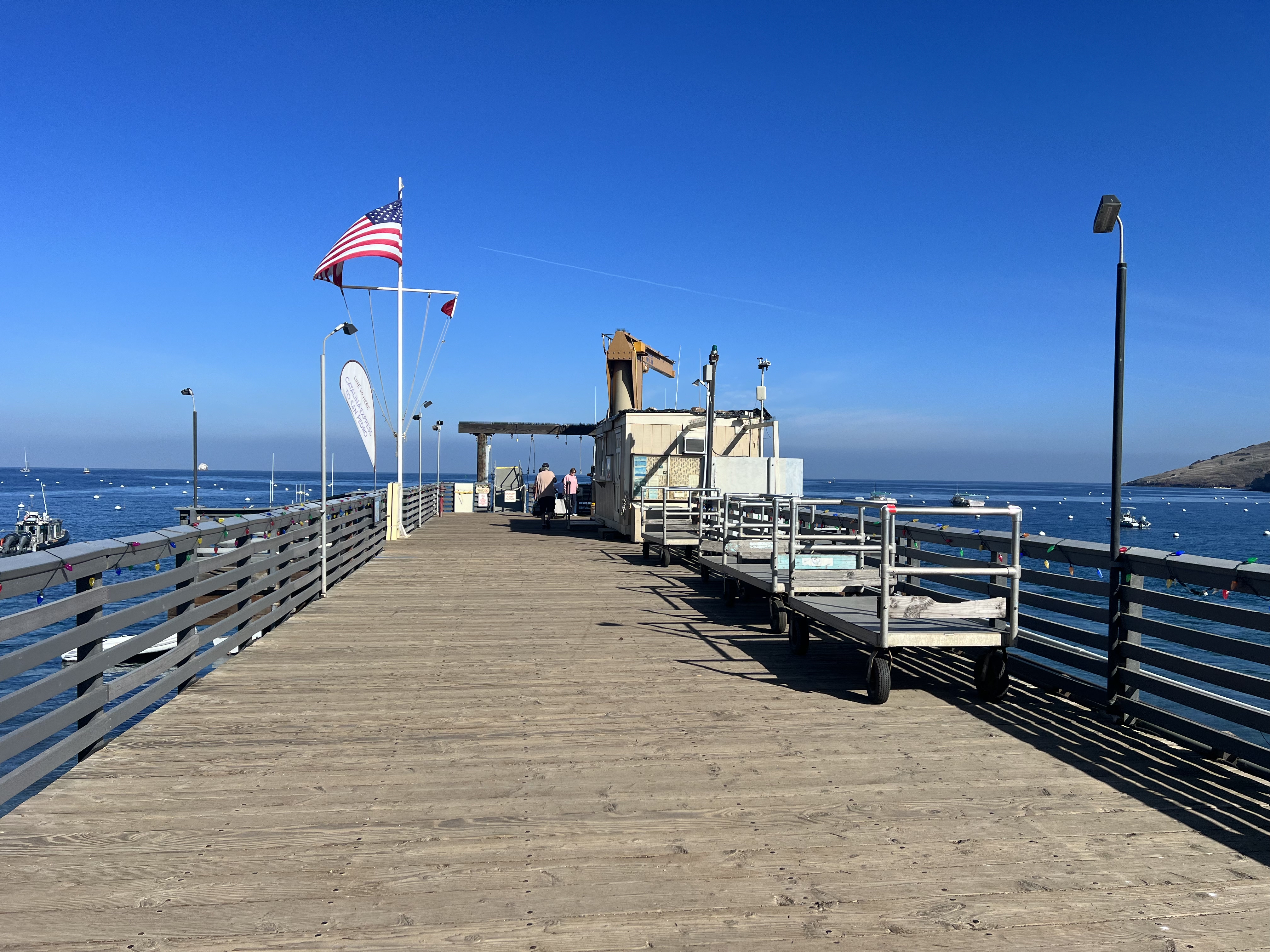
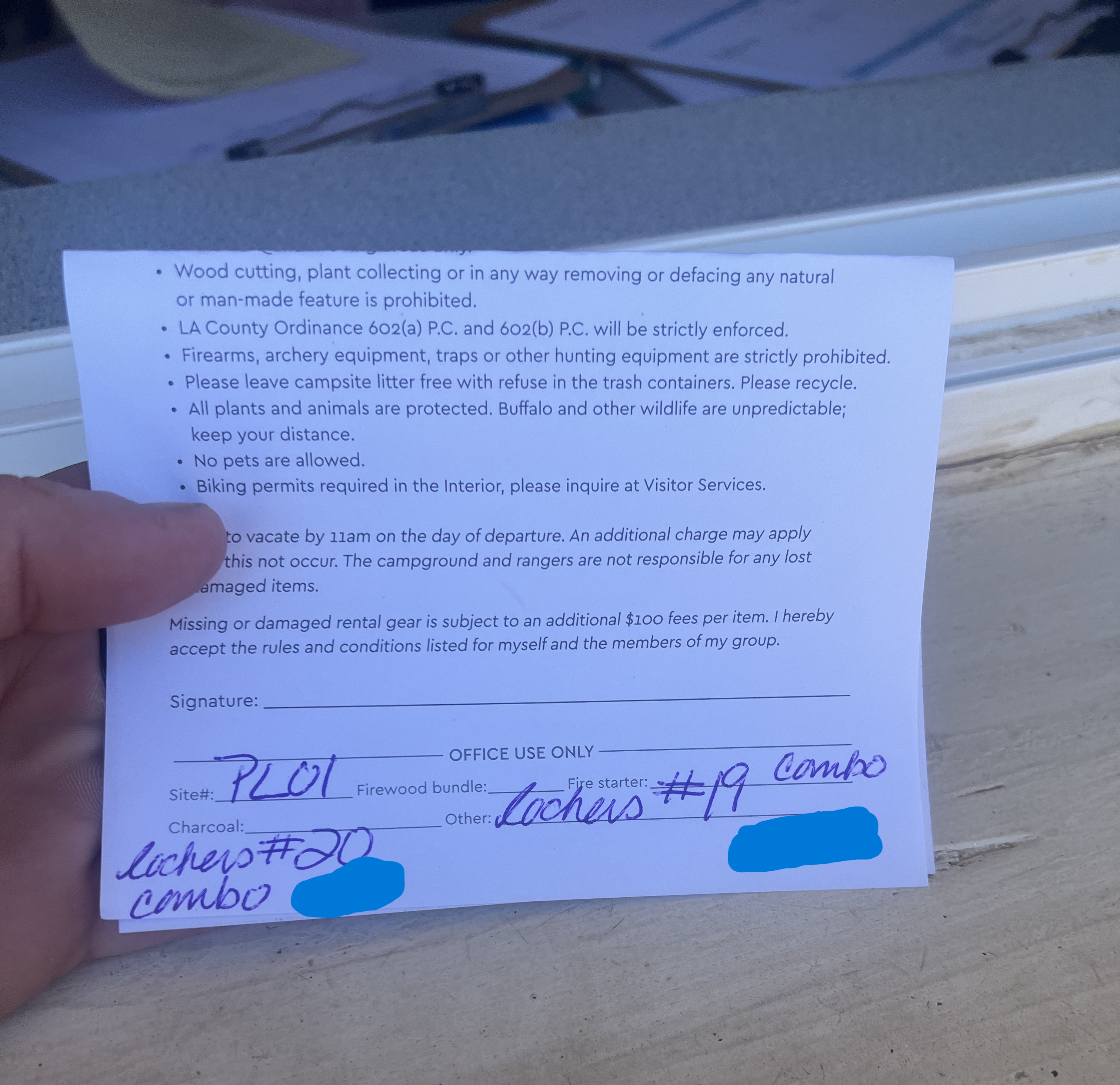
While waiting for our order, I walked over to the Visitor’s Services kiosk, a small building right on the pier where we would be catching the ferry home in a couple of days, and picked up our pre-arranged locker codes. The lockers at Parson’s would each contain a couple gallons of water, a bundle of firewood and firestarter. There is no water source at Parson’s or anywhere nearby, so it is imperative to pre-order these lockers.

We finished our meal and headed to the shower/laundry building, only a few steps away from the general store and Visitor’s Services and ditched some extra gear in the lockers. Today was going to be a long day and we would be returning to this quaint town the following afternoon. We jettisoned anything we didn’t need for the night and would pick it up upon our return.

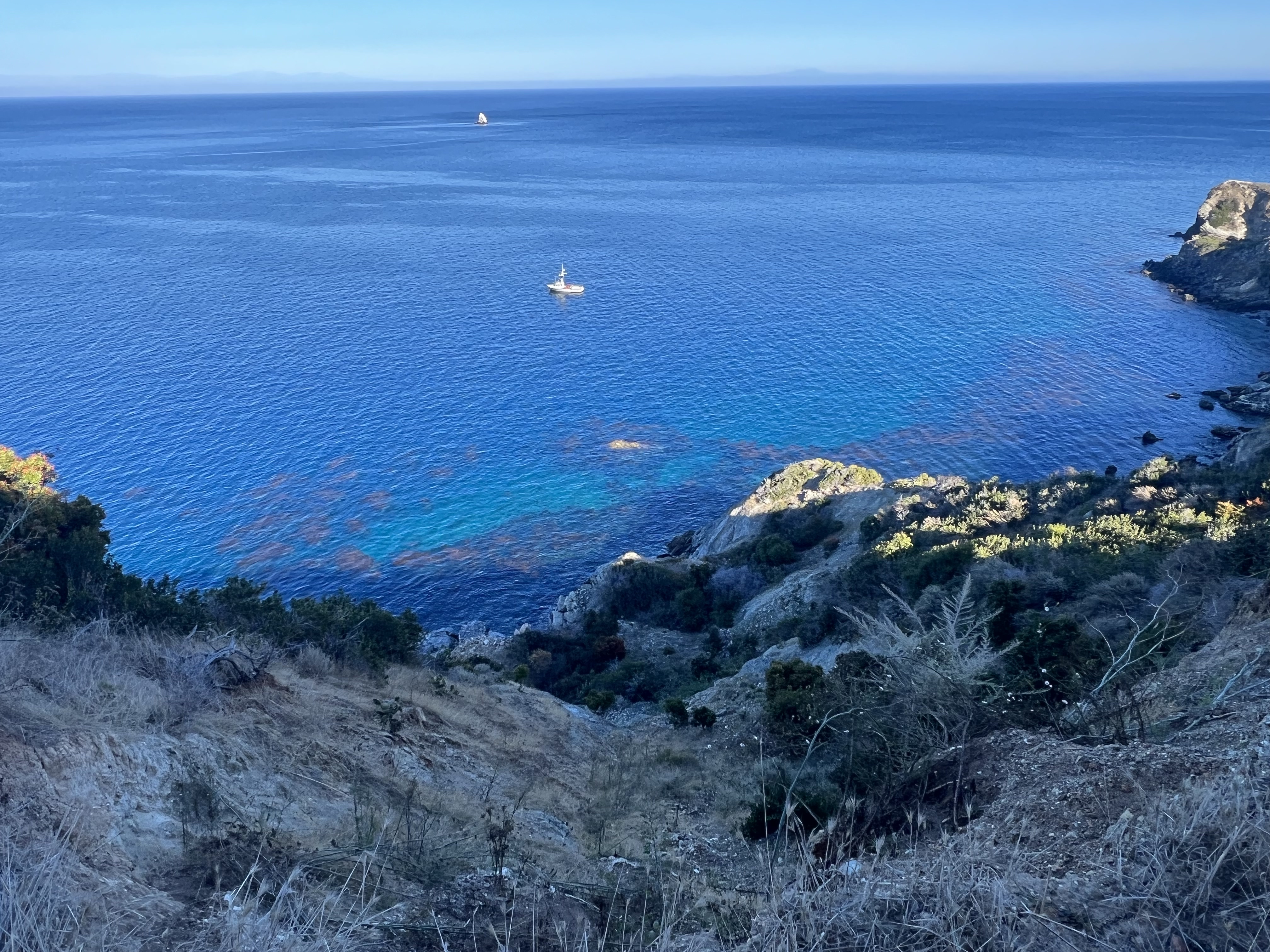
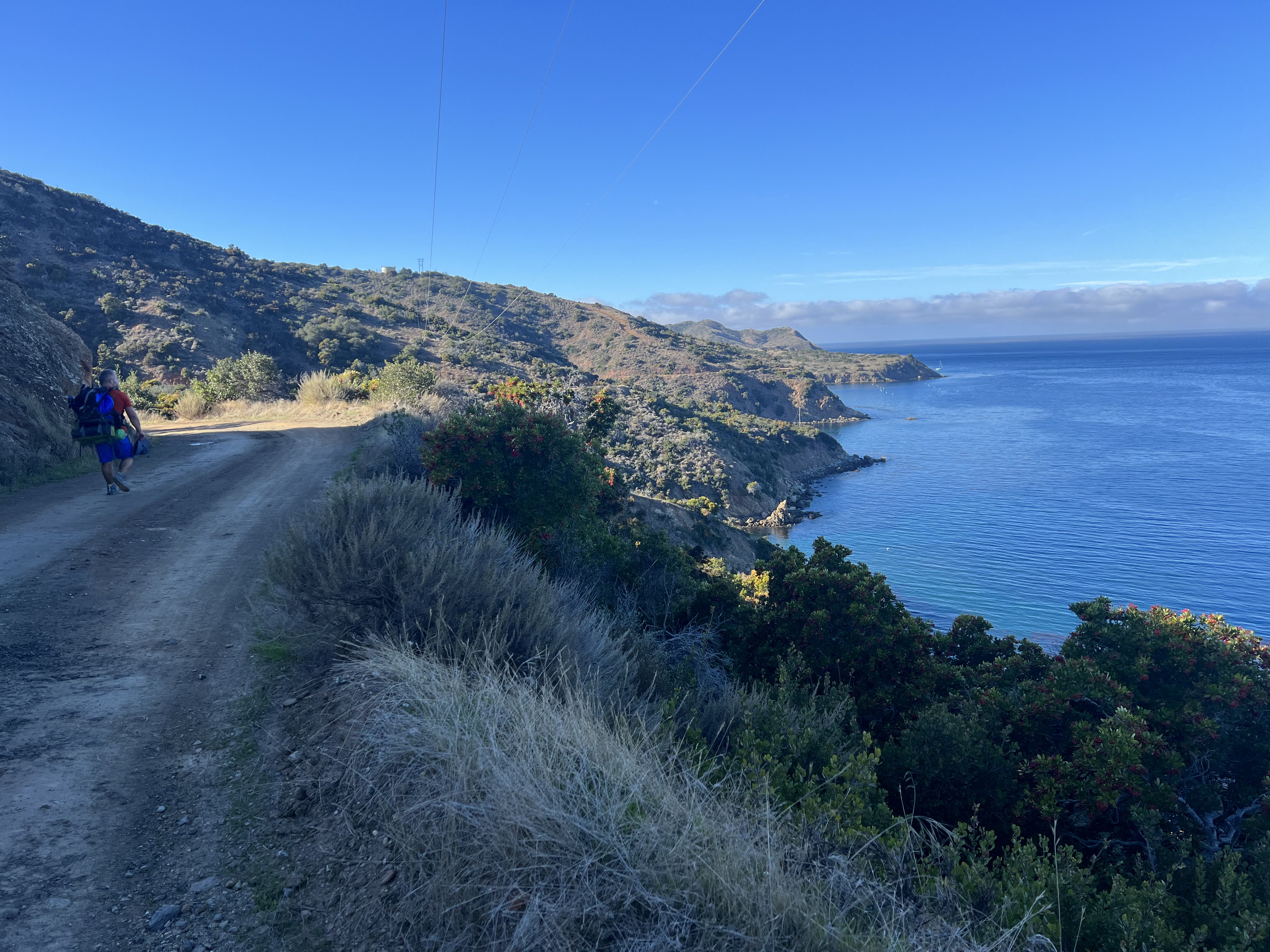
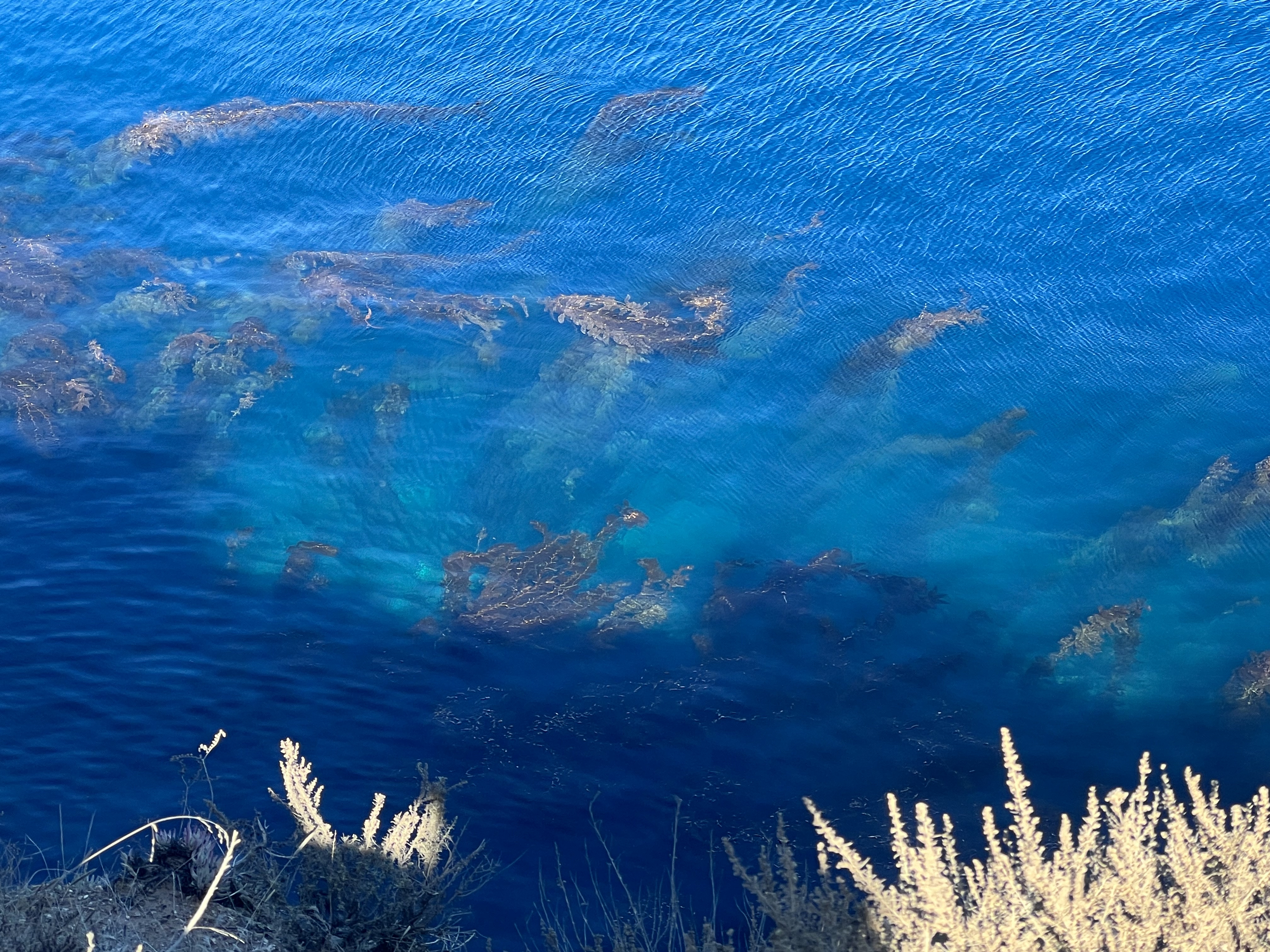
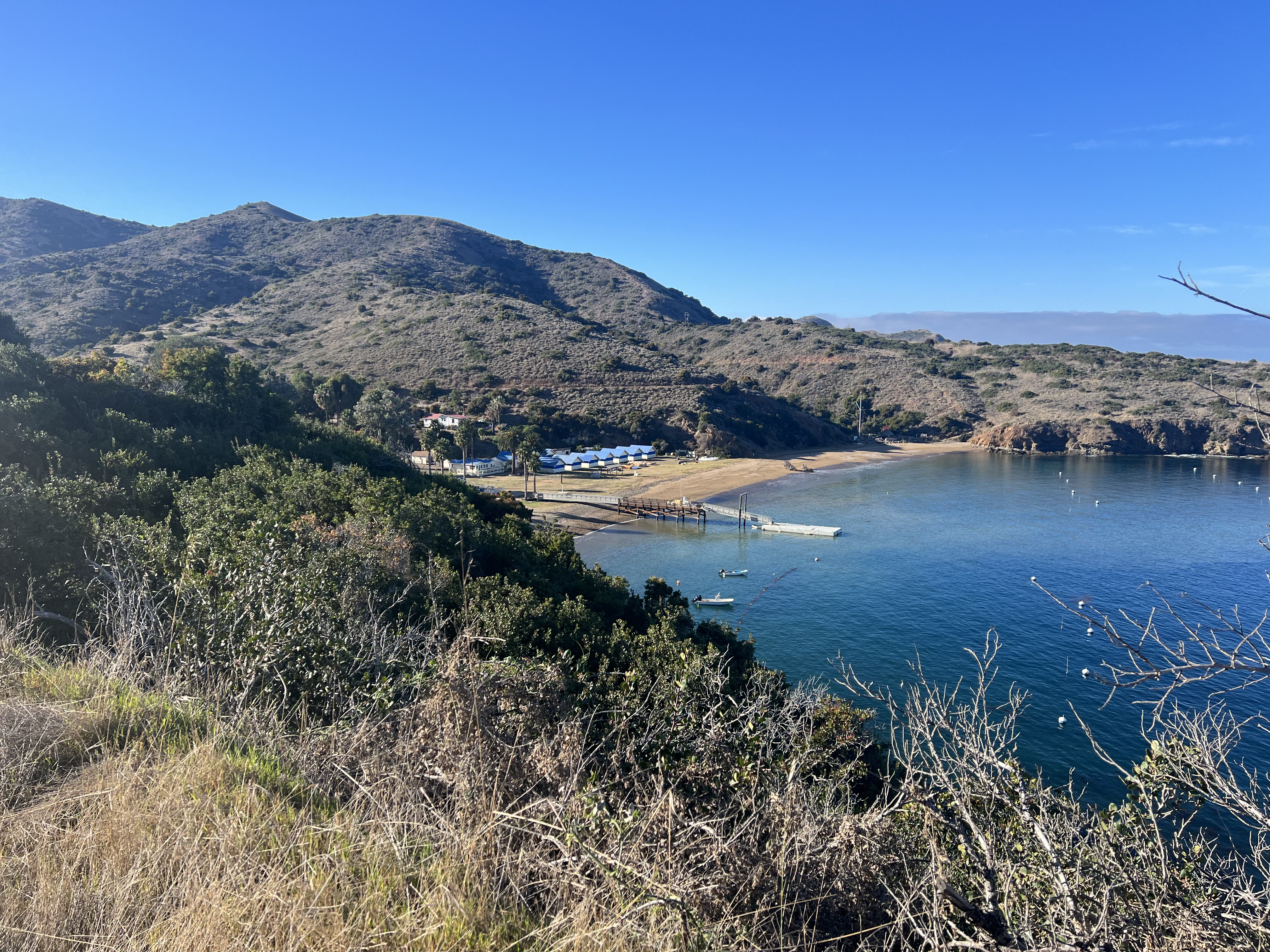
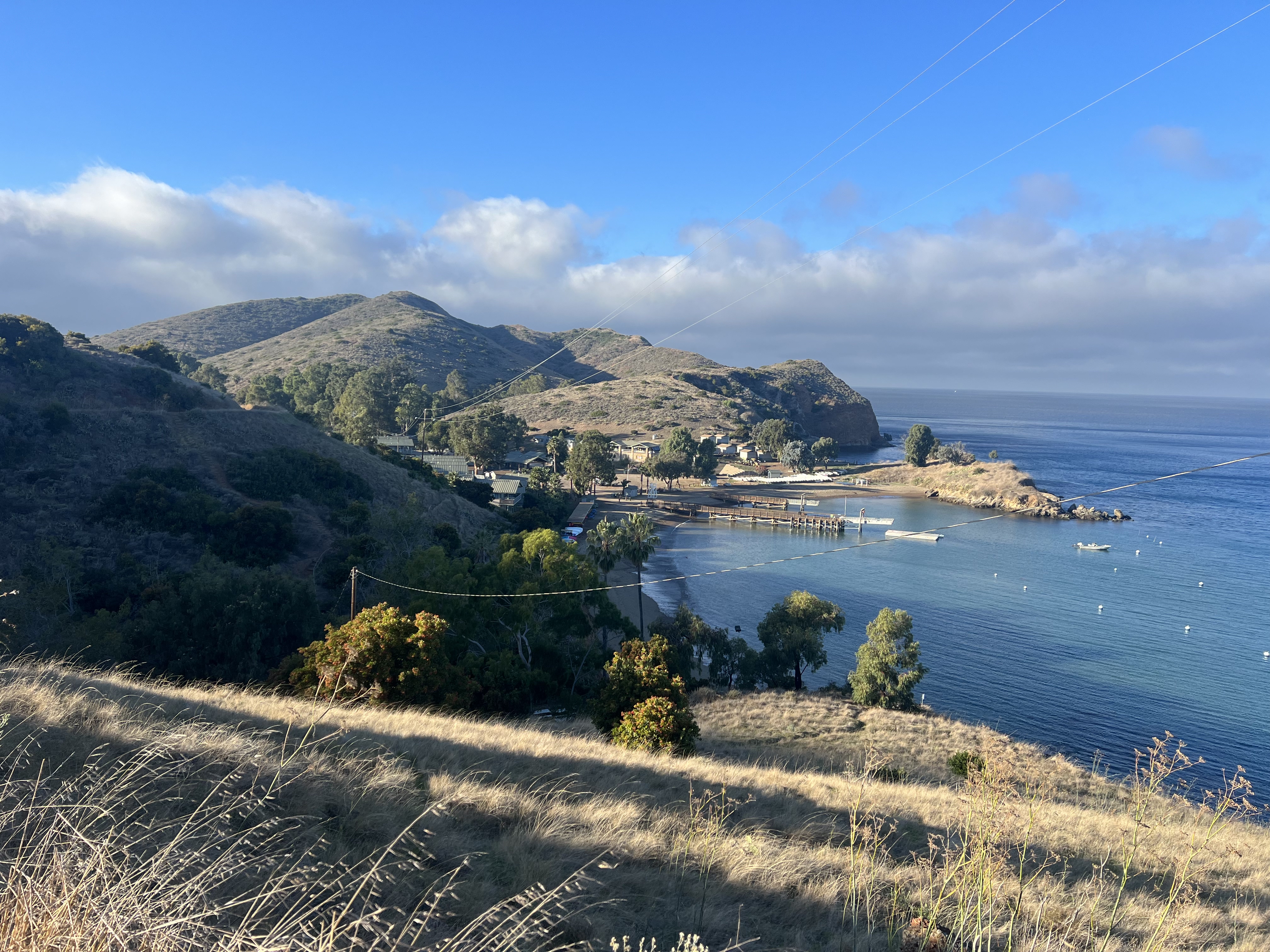
Fed and rested, we set off an hour and a half after arriving, deciding to travel out to Parson’s via the West End Road. We would return via the mountain route the following day. It felt good to be a few pounds lighter for our last nearly 8 miles of the day. We walked past the harbor, many of the moorings abandoned for the winter, past giant kelp rising out the depths of the brilliant blue and turquoise water, past camps for Girl and Boy Scouts, one of which had been my now 60 something year old aunt, until we turned inland and uphill at Johonson’s Landing.

We were both surprised that West End Road has quite a bit of up and down as it travels along the northeast coast of the northern section of island. Passing between two small hills on a gradual incline, we soon reached a gate. Taking a look at our map, we knew we only had one more hill to climb before descending to Parson’s Landing, a short mile away.

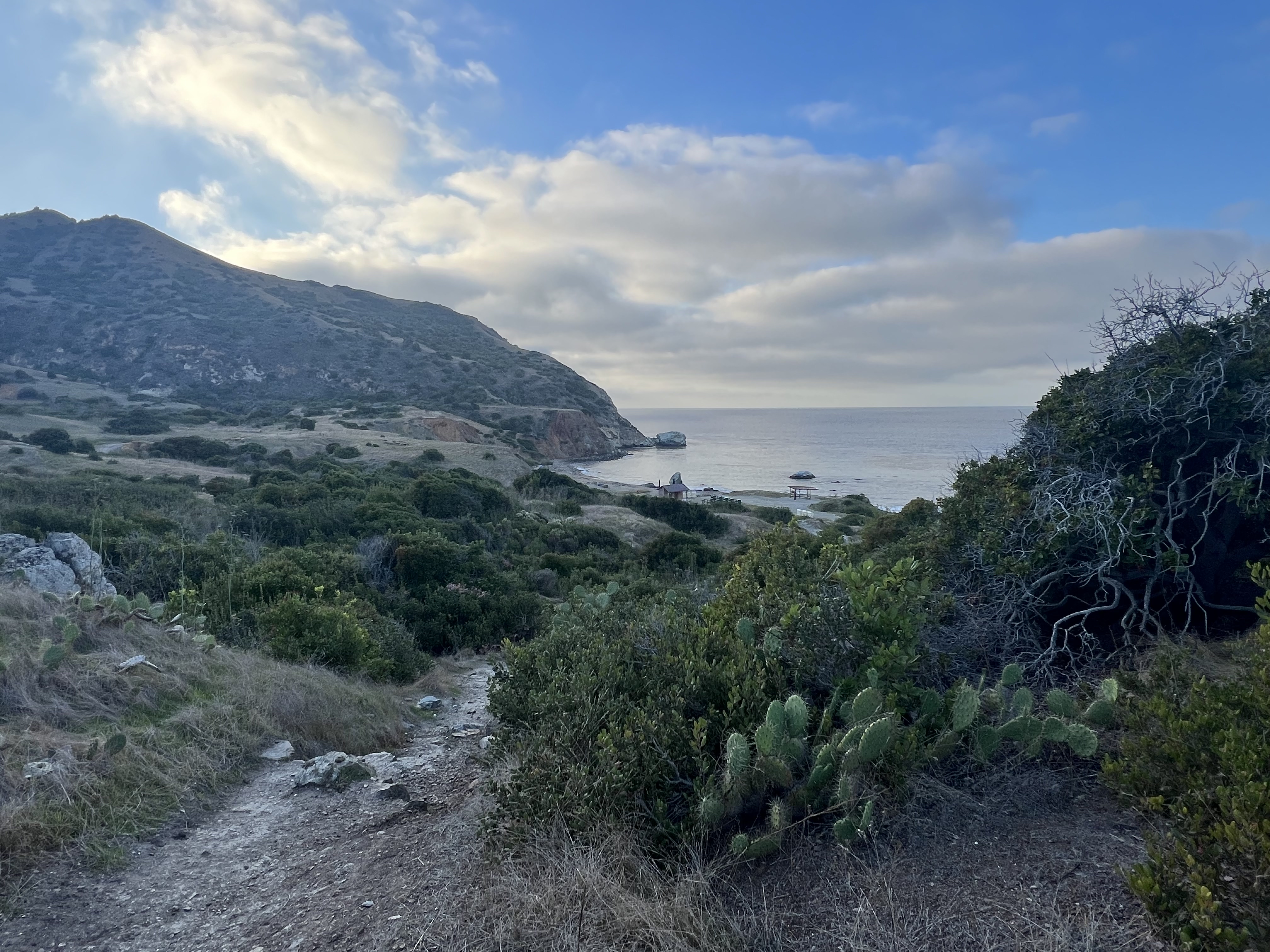
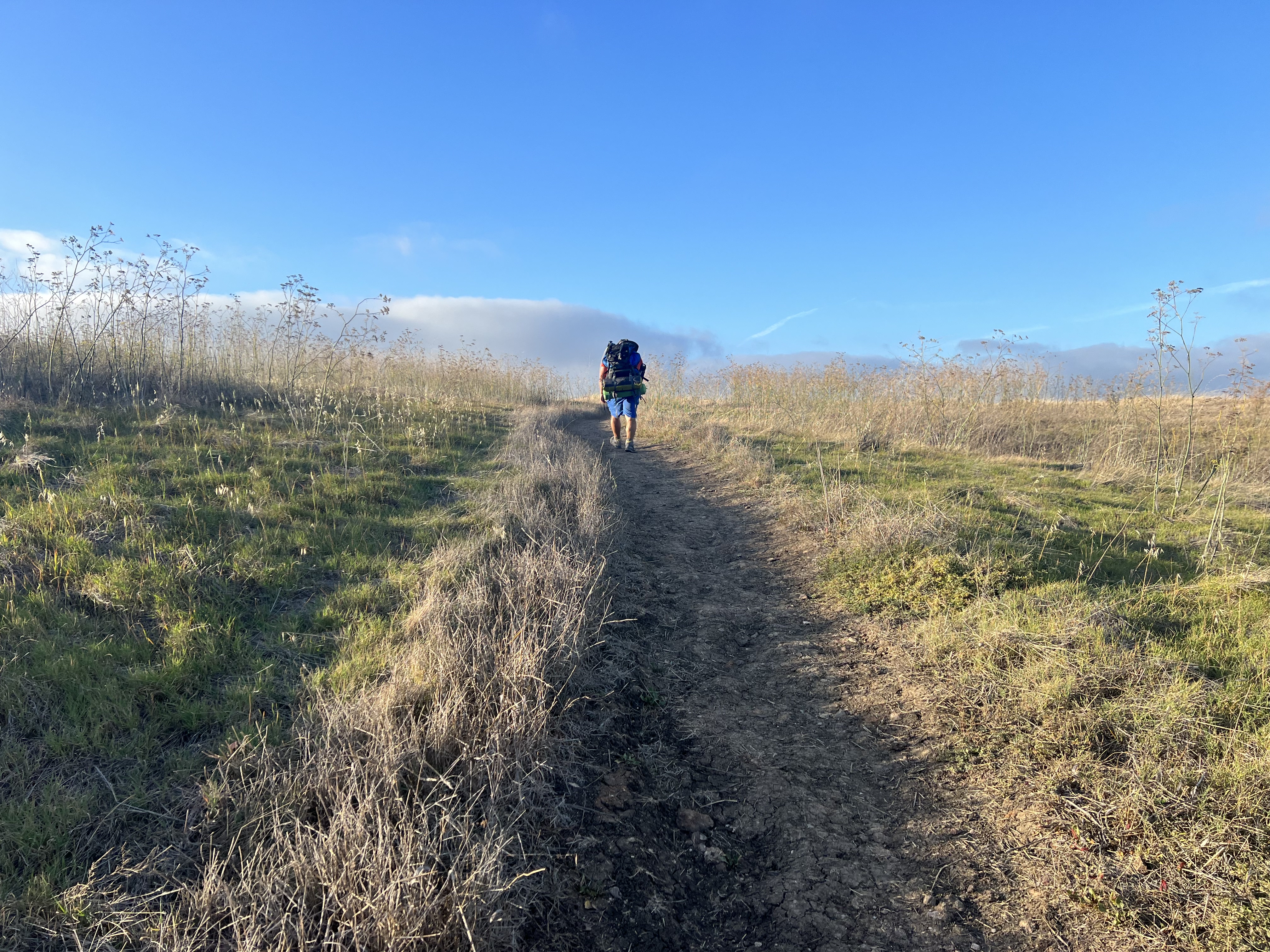
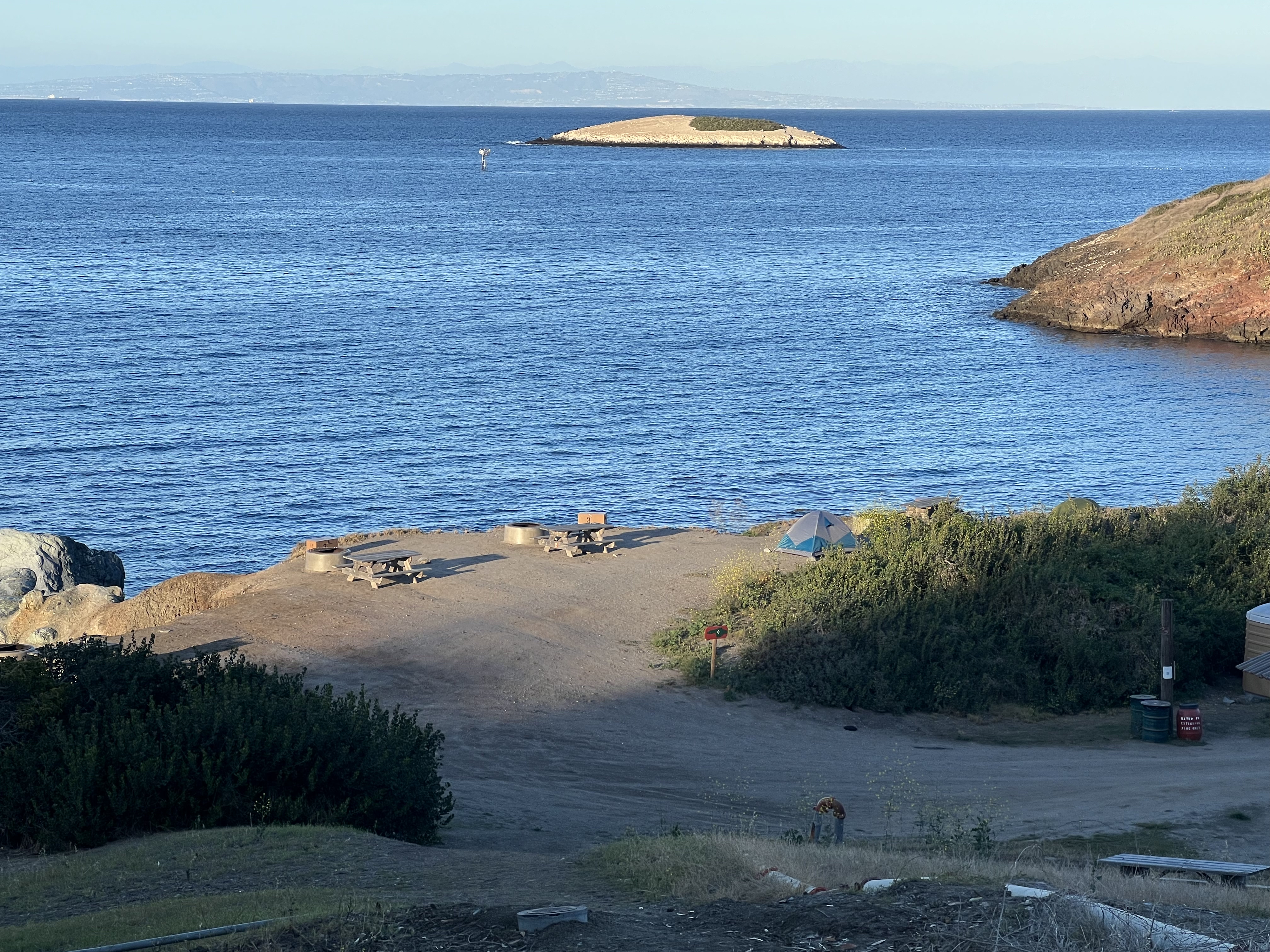
The first view of any campground after a nearly 14-mile day is always an extraordinary sight, but this view particular would have been spectacular after just a short walk. We were soon at sea level, only a few hours after departing Two Harbors, a pit toilet building and the lockers welcoming us to Parson’s. Jason grabbed his gear out of the locker, but I would come back for my water and wood after I dropped my pack at camp. I had to use the facilities anyway and a short, unweighted walk would be a nice change from humping a heavy pack all day.

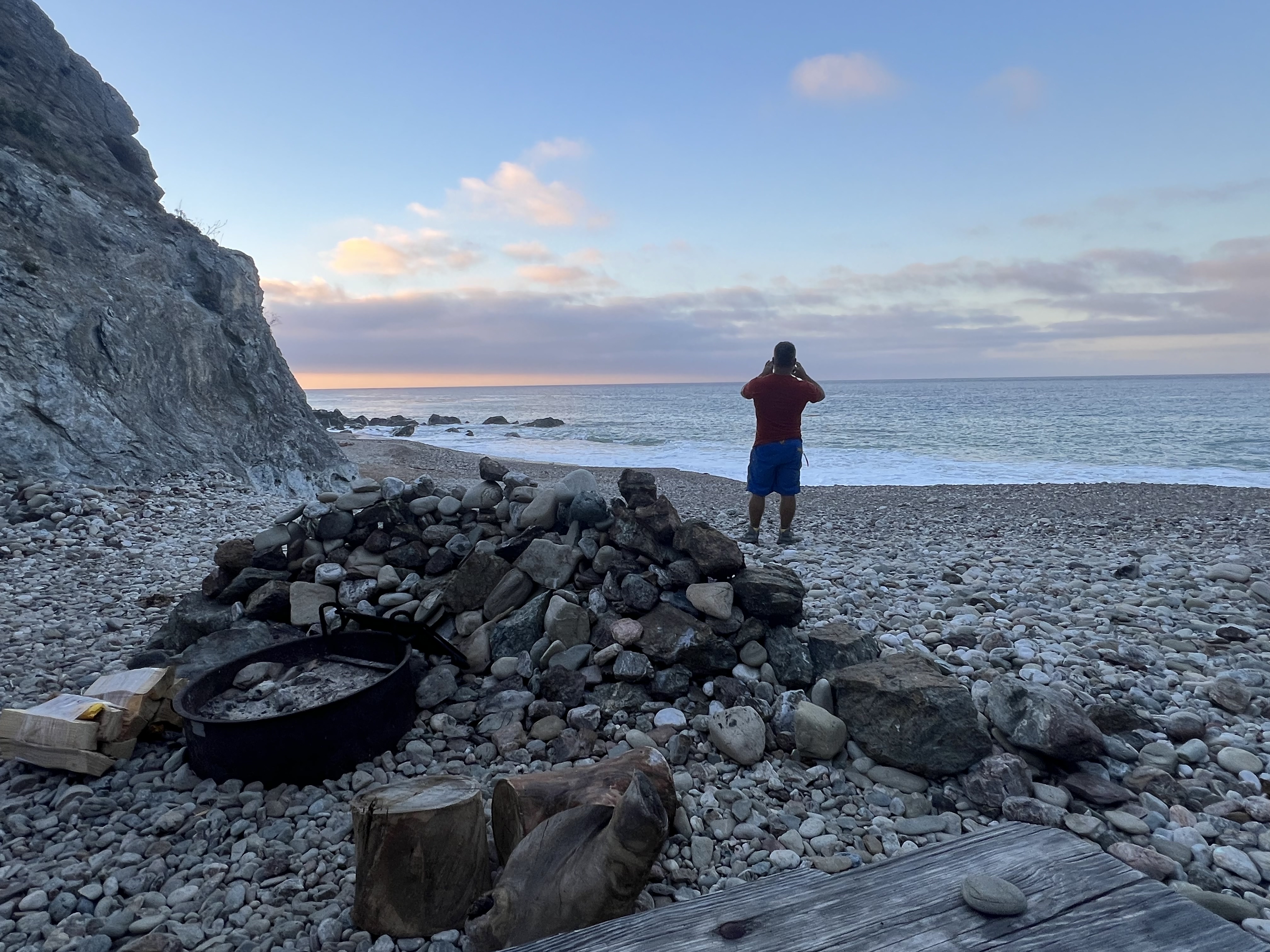
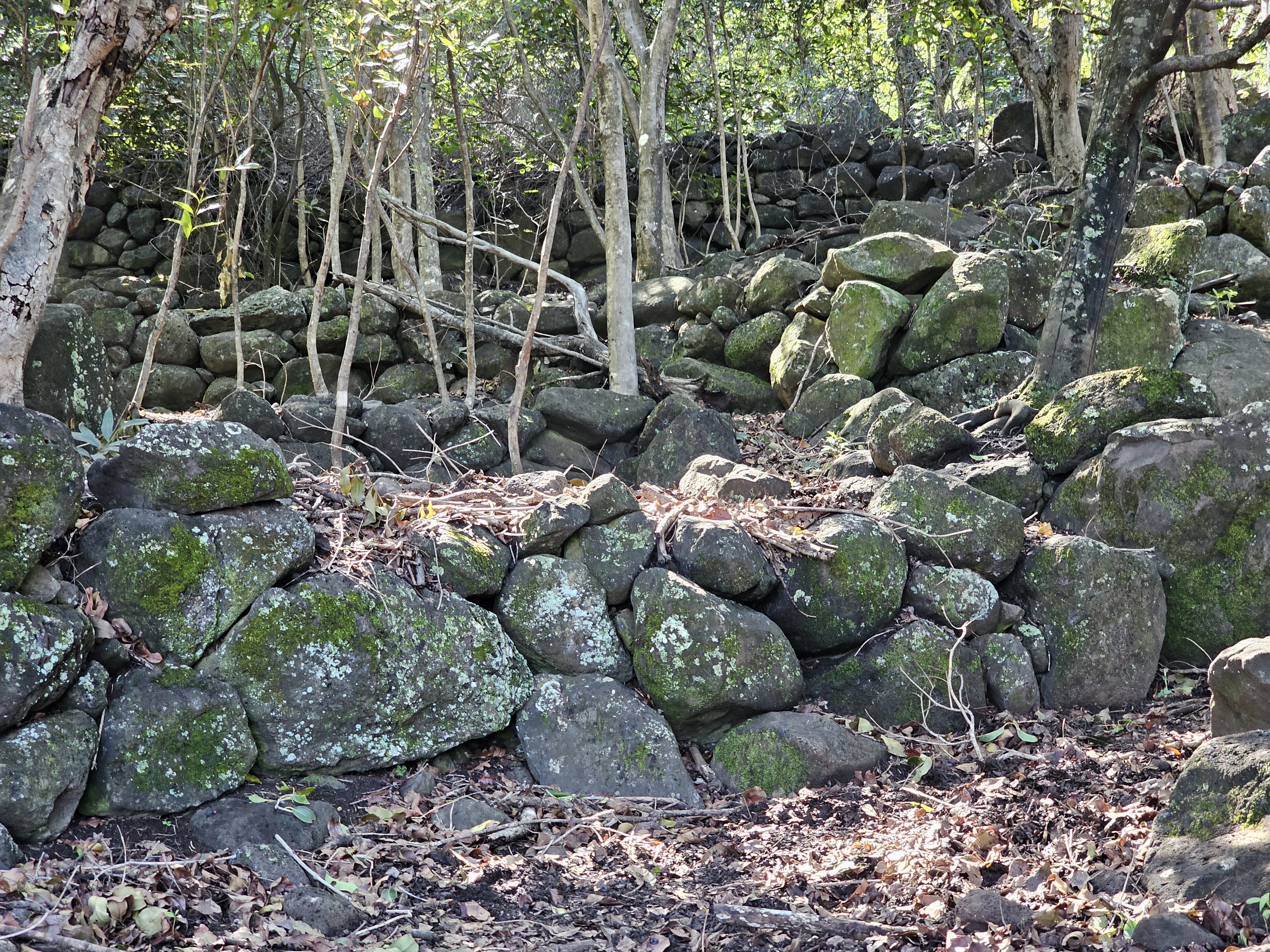
I had booked the campsite furthest to the east, a bit of a walk from the facilities, but with extra privacy, tucked into a small hamlet, rock walls rising up around us. Finishing off the day with a stunning sunset and a campfire, we talked about the trip so far, about how gorgeous this campsite is and about whether or not we would do the north loop to Starlight Beach the following day, or just head south, back to Two Harbors. We would see how we felt in the morning.

I once again slept comfortably, still wearing all of my clothes into my sleeping bag, a little sad that I hadn’t booked this campsite for two nights. I resolved to come back and stay here again.

Day 4

7.3 Miles, +2,183′

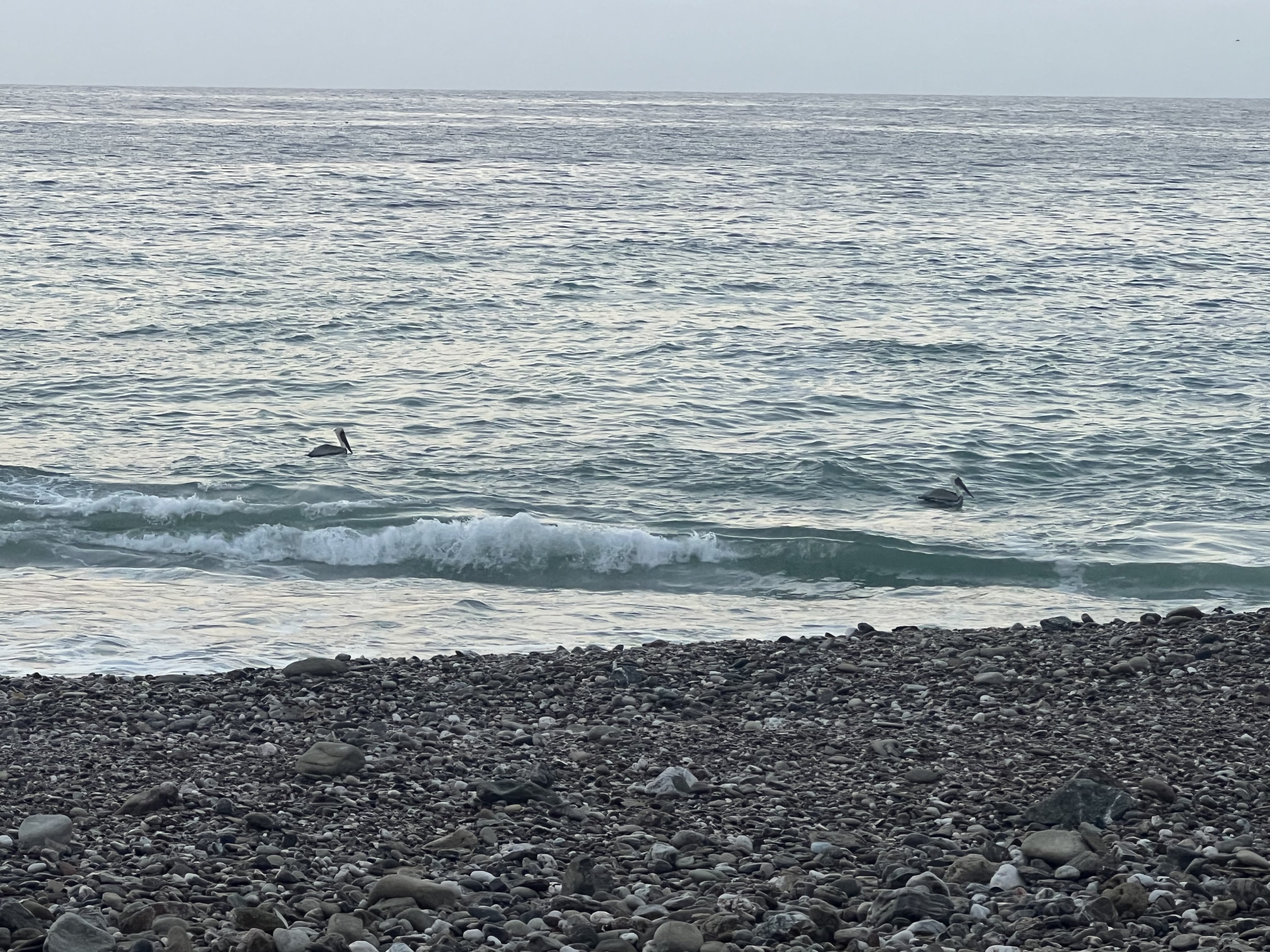
We were up early having coffee and breakfast with a flock of pelicans, ready to tackle the last leg of the trip. We were feeling good but were looking forward to a shower and restaurant meal after already traveling nearly 35 miles on foot. We decided to save the northern loop for next time. It would add almost 6 miles, not too bad of a distance, but we were not feeling the extra 2,000′ of elevation gain.

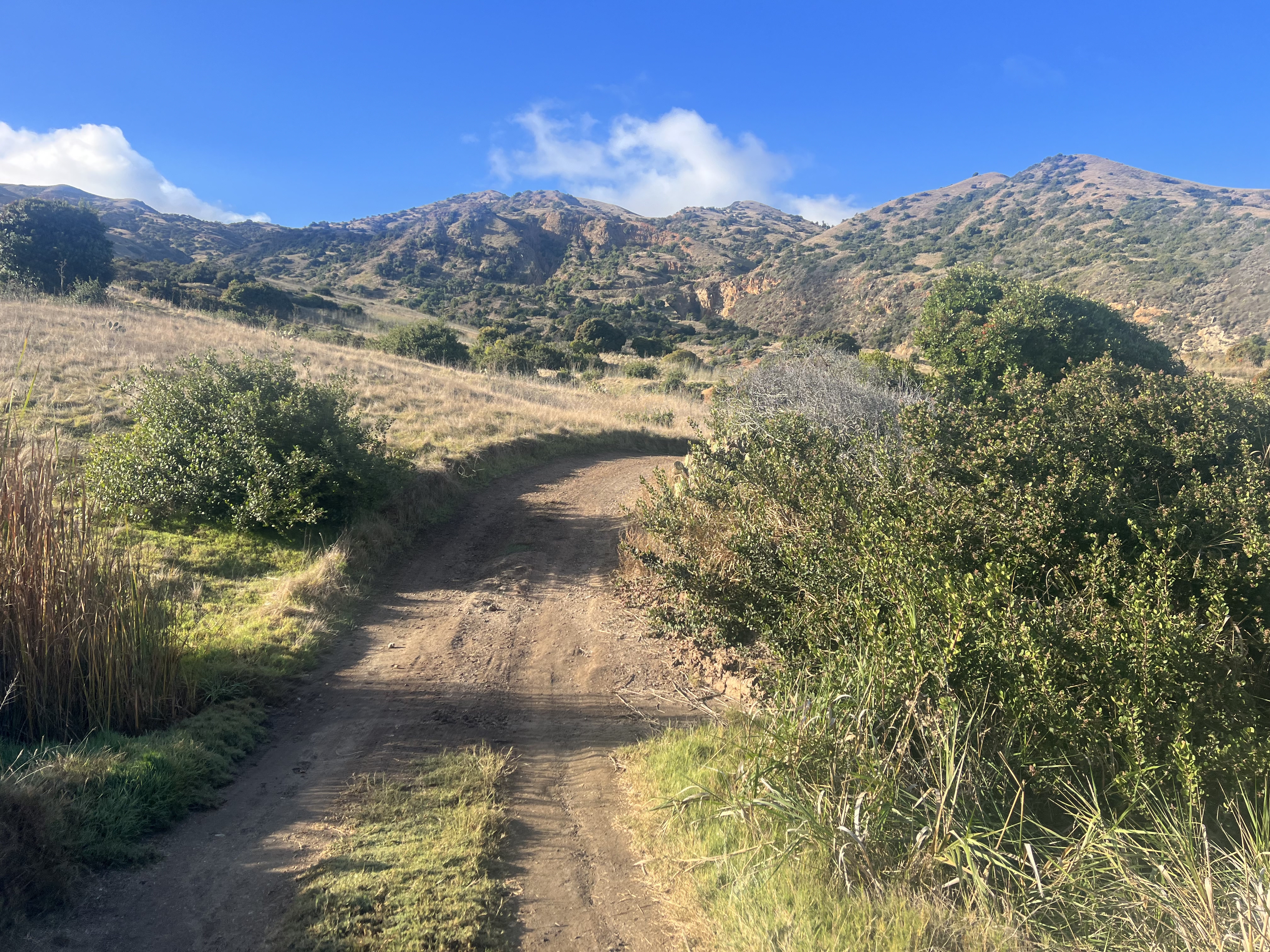
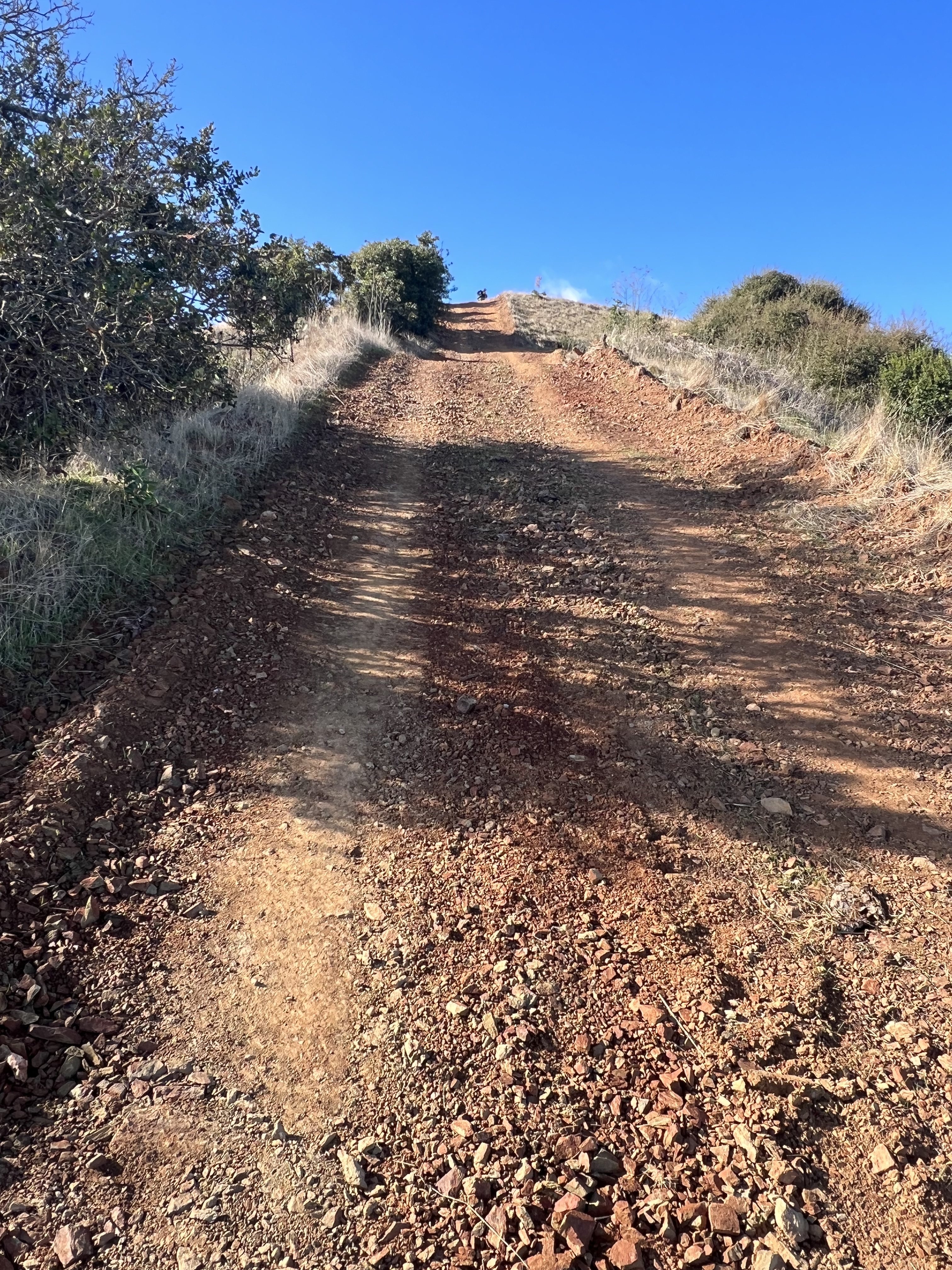
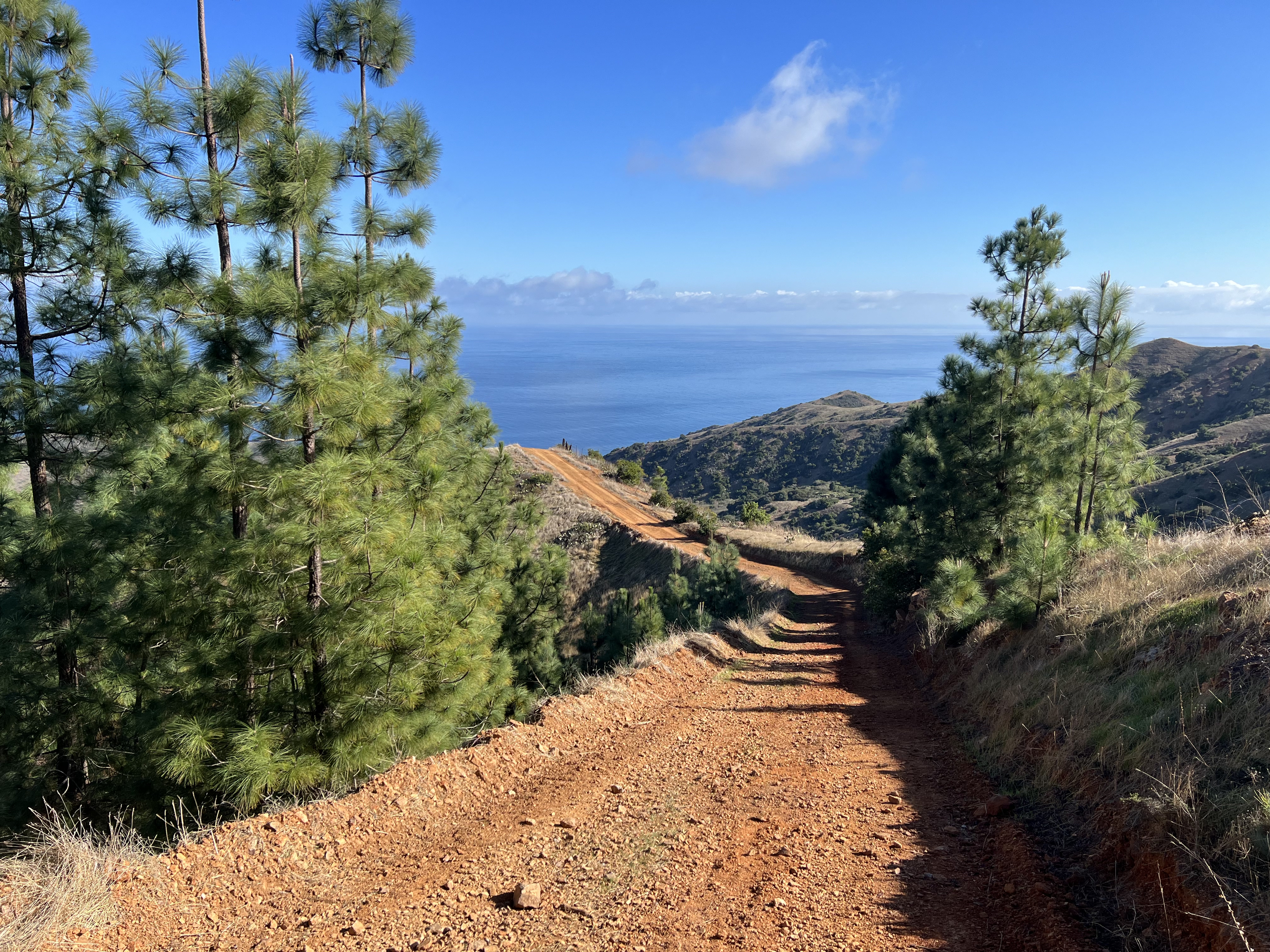
Not rushing to get moving, we packed and ate breakfast at a leisurely pace, finally donning our packs at 9am, a late start for us. The day, once again, was perfect, sunny and warm, though some clouds were hanging around high on the ridge up to which we were soon to ascend. Heading south on West End Road, we soon came to a sign for Fence Line Road, the intersection to our route across to the ridgeline trail that would take us back to Two Harbors and the northern loop to Starlight Beach. Immediately, we began to gain elevation at a steep grade, this “road” more of cat trail /fire line than an actually drivable road. Some of the hills were bordering on 45 degrees, a super steep grade for a “road”!

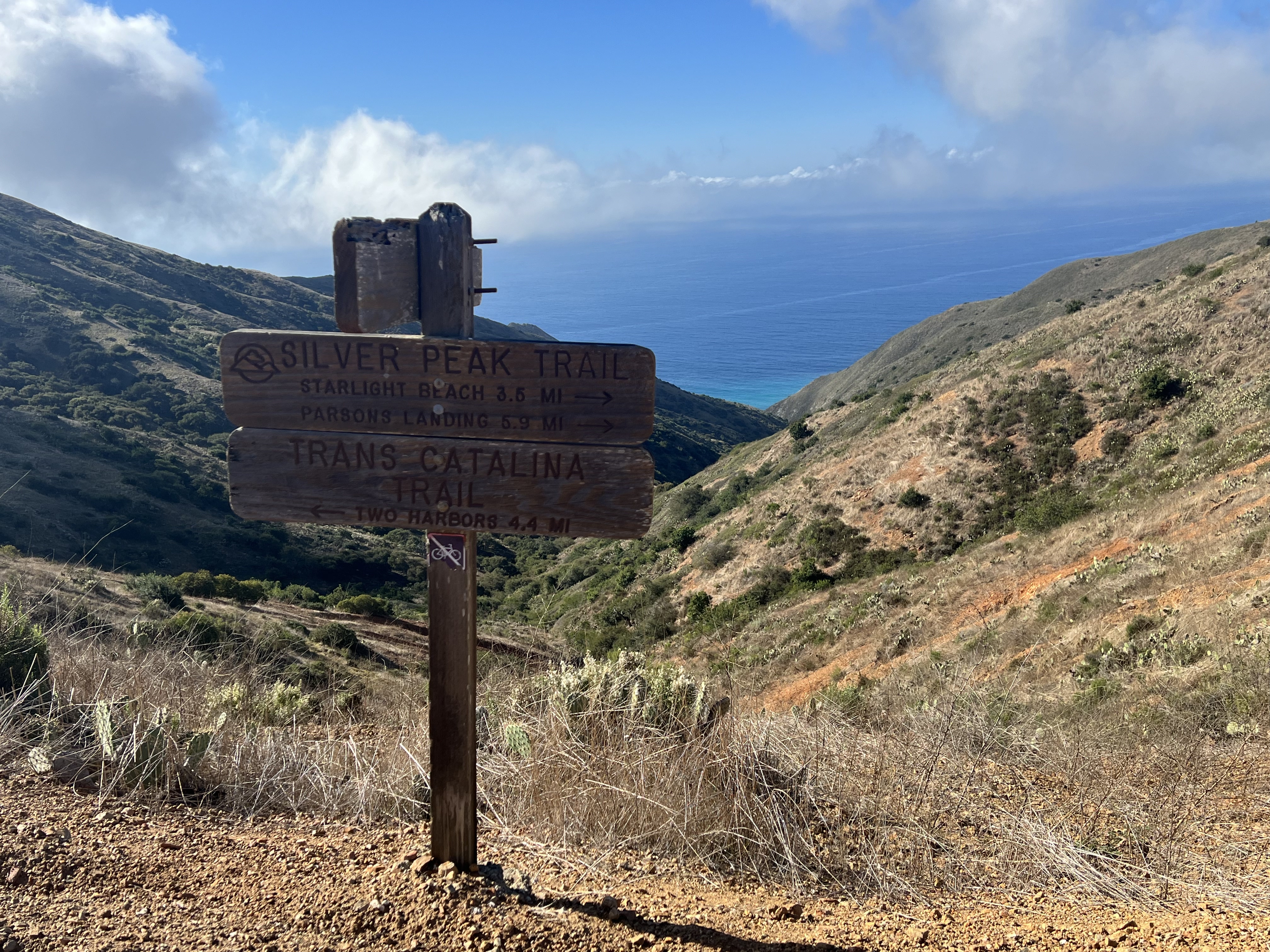
Relieved to have finally reached the Silver Peak ridgeline trail, we stopped at the covered picnic table for a short break. Silver Peak looked appealing for a quick side trip, but we decided to save the new views for when we came back to do the north loop. Reluctantly taking a left instead of a right, a sign indicated we were only 4.4 miles from Two Harbors.

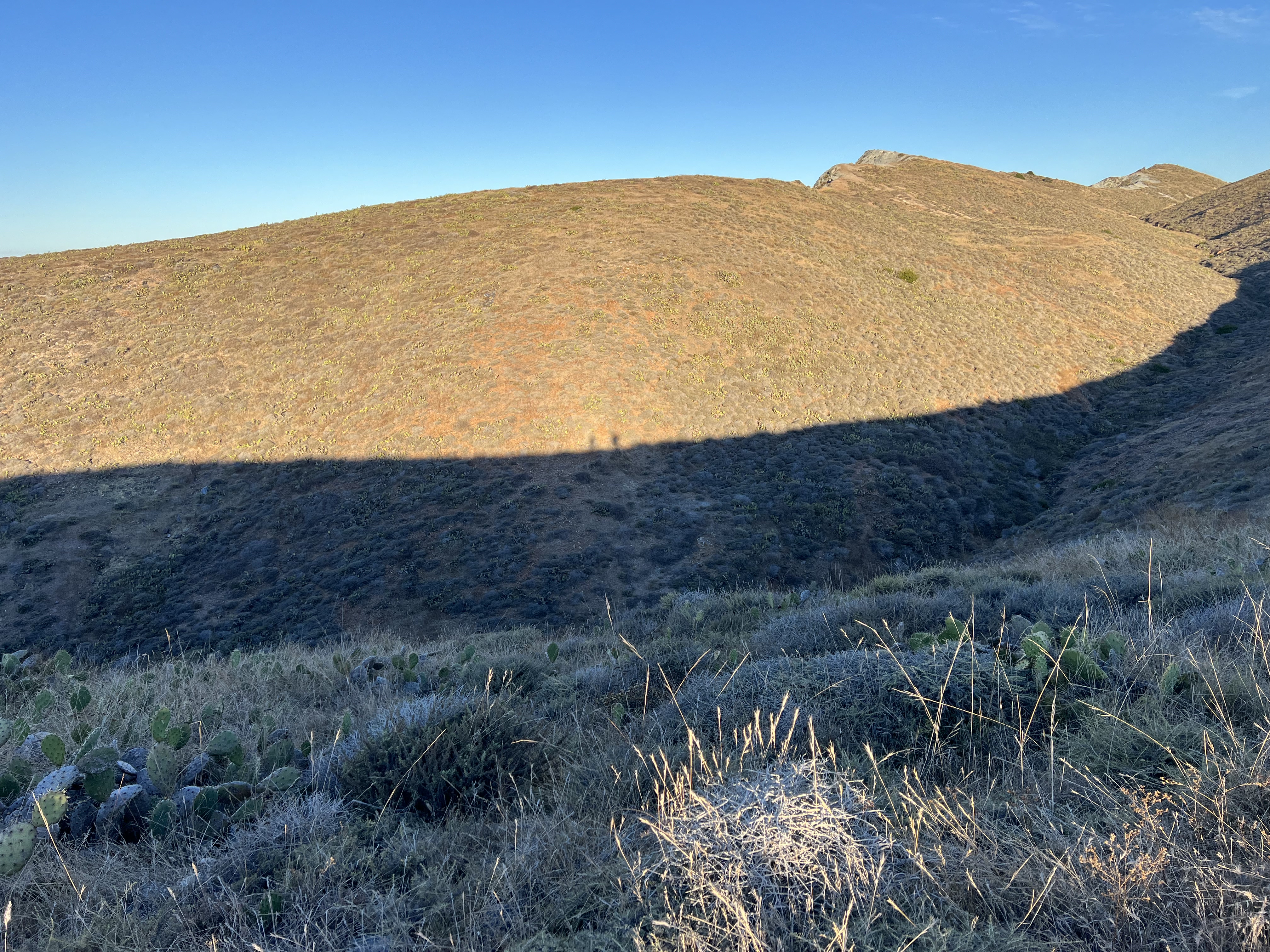
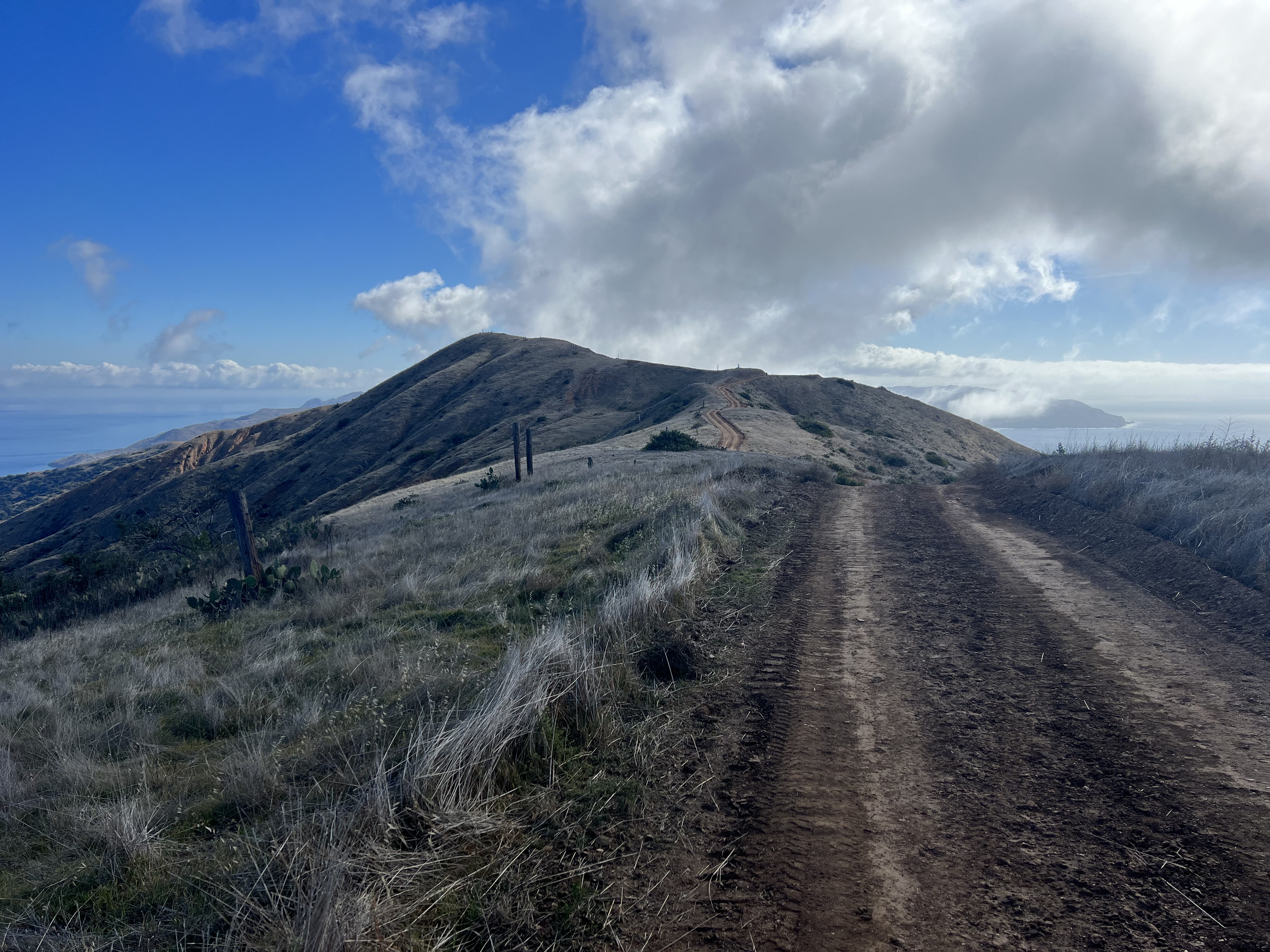
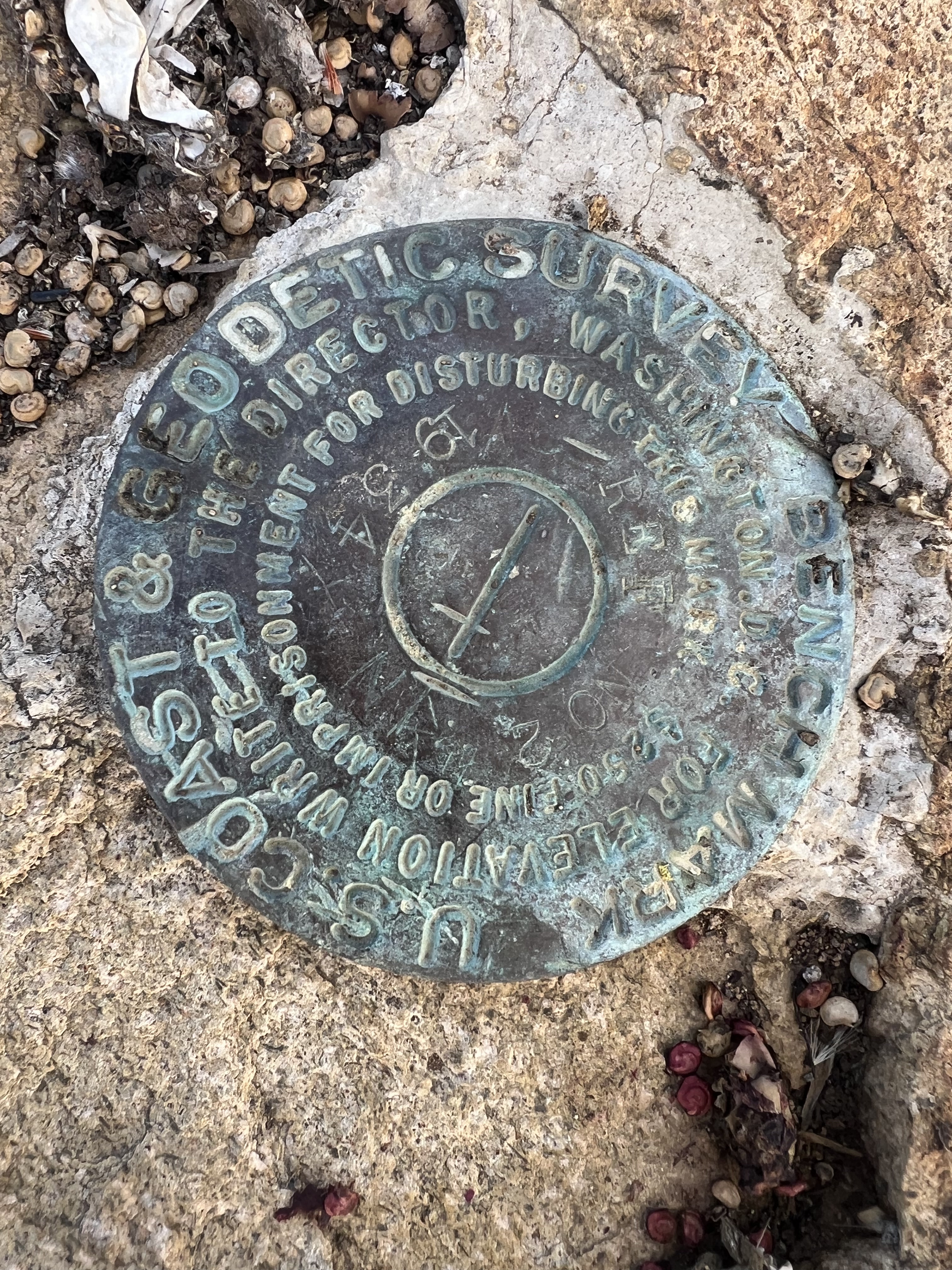
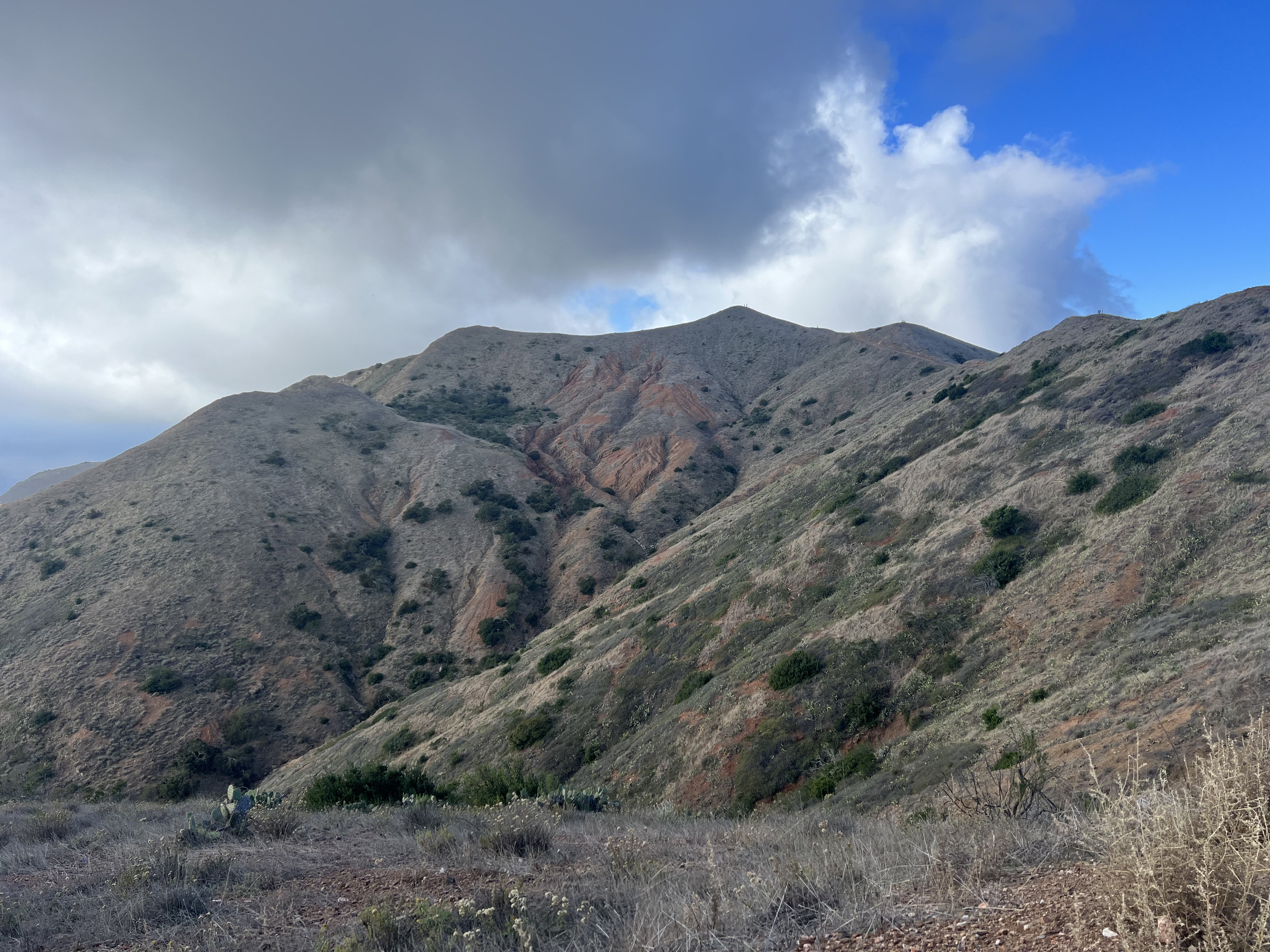
We had already gained most of our elevation in the two hours we had been traveling, with only about 600′ to go before dropping back down to the isthmus. Though the patches of clouds persisted over the ridge, no precipitation occurred, and it was nice to have some shade during the hottest part of the day. We made sure to stand on the highest points of Granite Peak (1795′) and Oak Benchmark (1488′), just tiny bumps on top of this ridge.

We could look down to the northeast and see parts and pieces of West End Road and some of the camps we had passed the day before. The south portion of the island coming into view, Mt Orizaba rising prominently from the rolling hills. After taking a quick break at the Lobster Bay Overlook Trail Intersection, another covered picnic table providing shade, we began our descent, Catalina Harbor coming into view.

Within an hour we were back down at sea level, walking the road from Catalina Harbor across the narrow strip of land to the town of Two Harbors and our campsite at Two Harbors Campground, which was pretty much deserted except for our two tents. Showers, laundry and a big dinner at the Harbor Reef Restaurant rounded out the day before we sat around the campfire, talking about our experiences on the TCT and about our plans for returning in the future.

Go Home Day

4.2 Miles, +1,342′

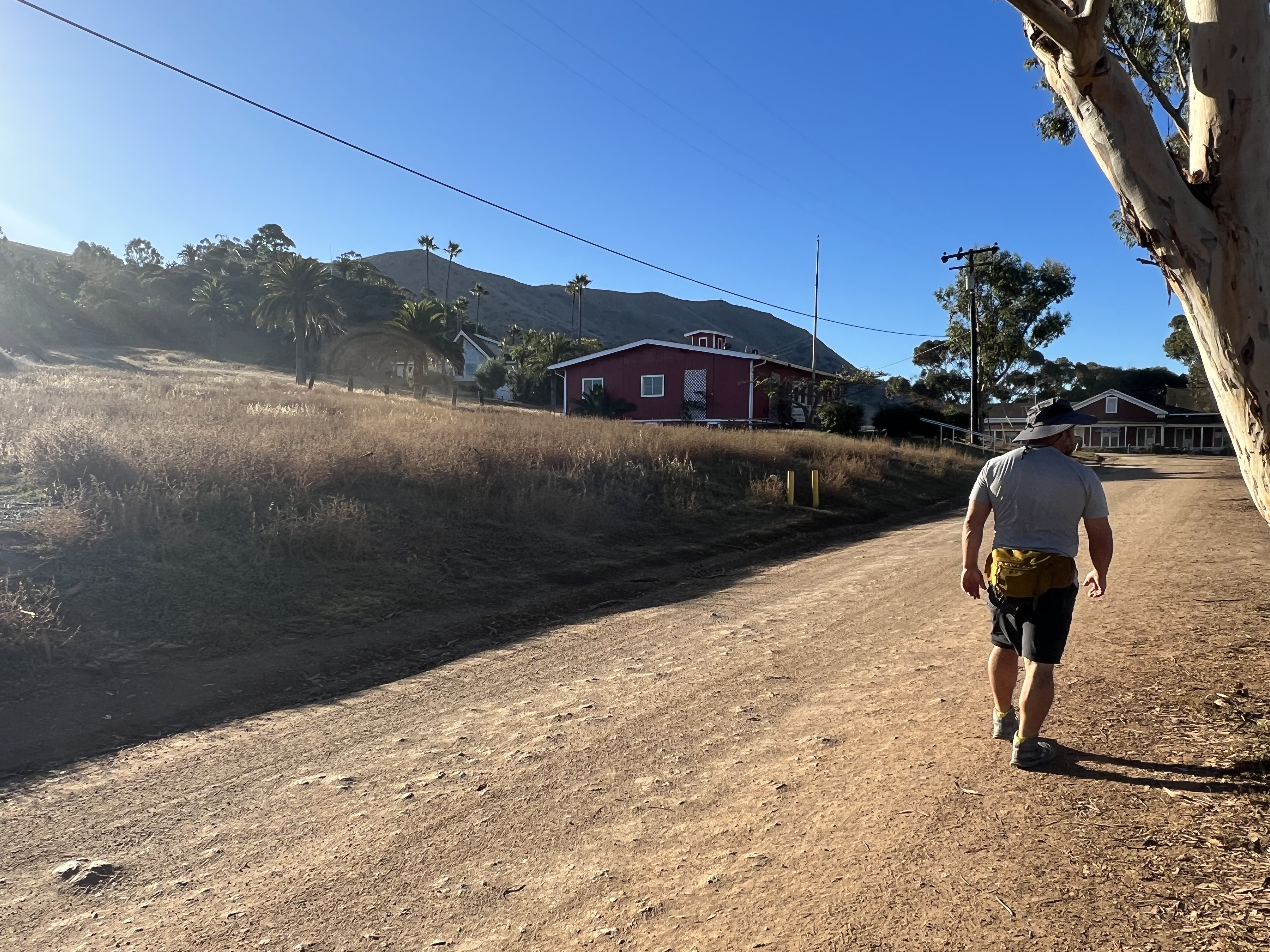
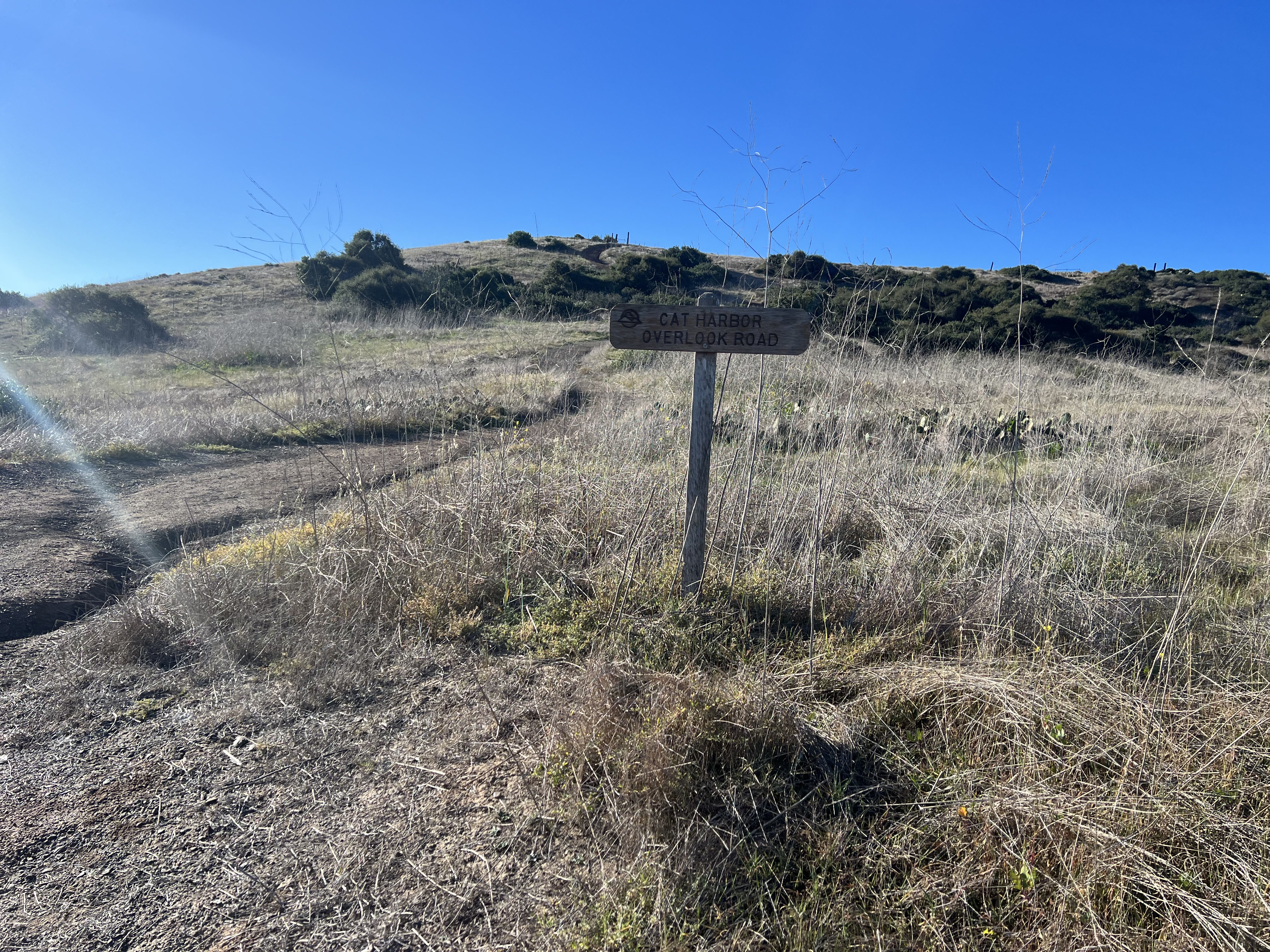
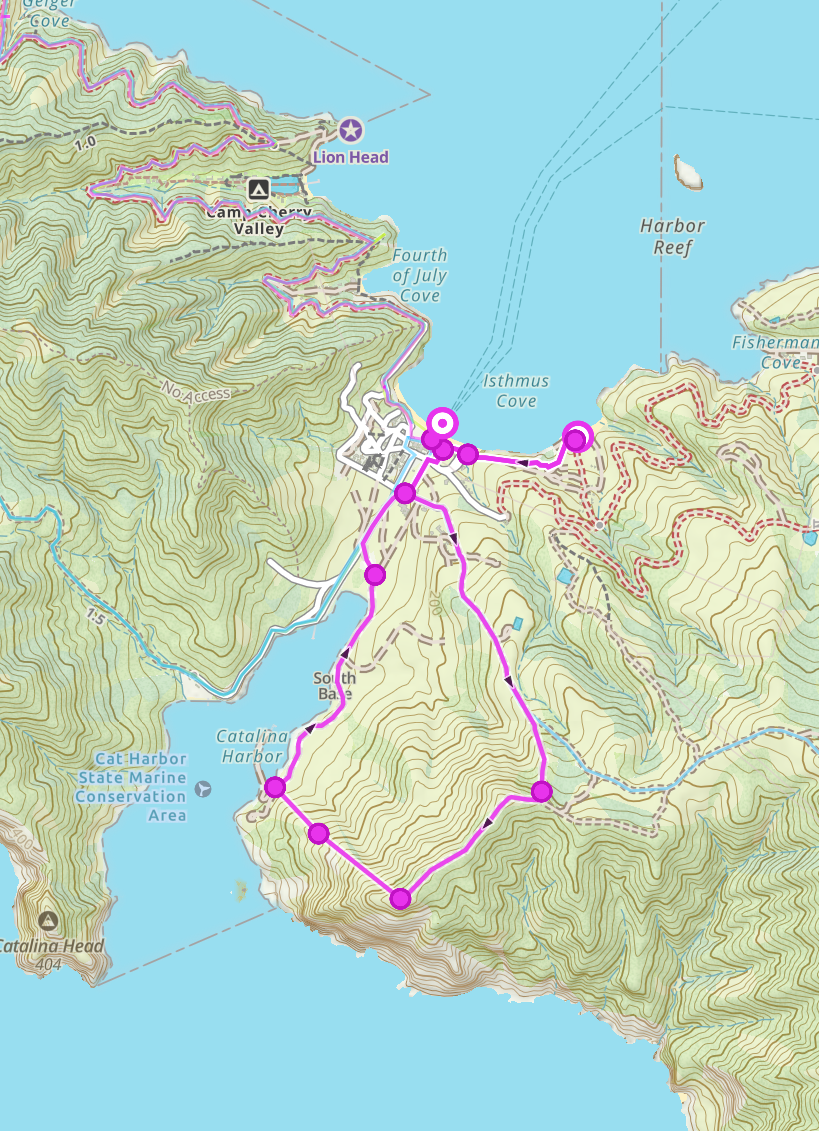
The sea lions had made a racket all night long. Apparently, we weren’t far from their chosen rock. It didn’t matter much, though, as it added to the Catalina ambiance, where wildlife had been abundant. Over breakfast and coffee, we decided we wanted to stretch our legs, so we planned a short hike back down Banning House Road and to the Cat Harbor Overlook, hoping to make a loop of it by descending a northwest ridge to Ballast Point Road at Catalina Harbor. We would need to catch the ferry at noon, but that shouldn’t be a problem. We could make good time without heavy packs.

Before leaving I found a prickly pear fruit and decided to try this again. Although I didn’t know the burn trick yet, I was able to open the fruit and spoon it out without including any thorns. It was sublime; soft, sweet and juicy. Jason had been traumatized by our first attempt with this spiky fruit, but after much cajoling he relented and took a spoonful, agreeing that it was delicious.

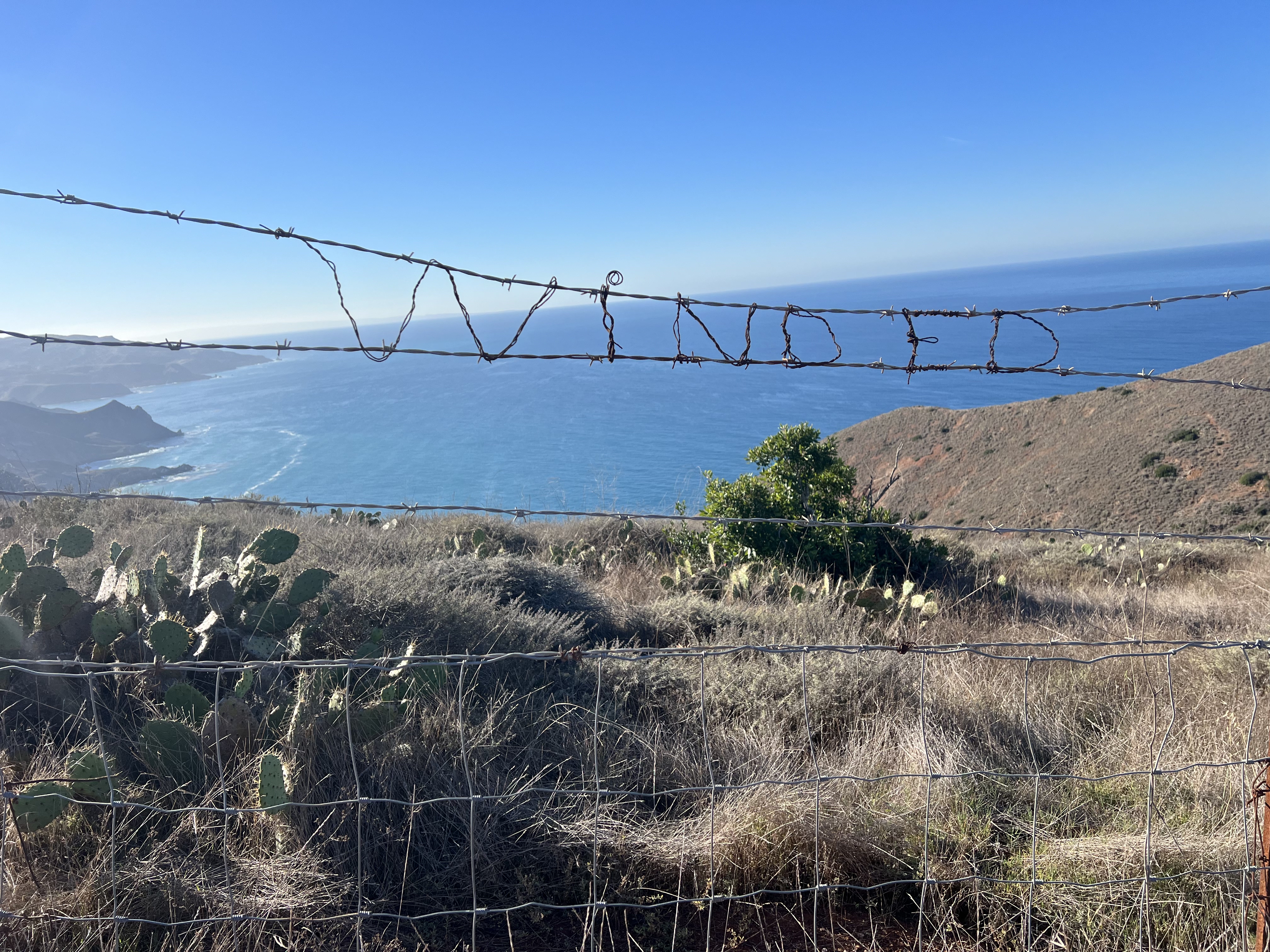
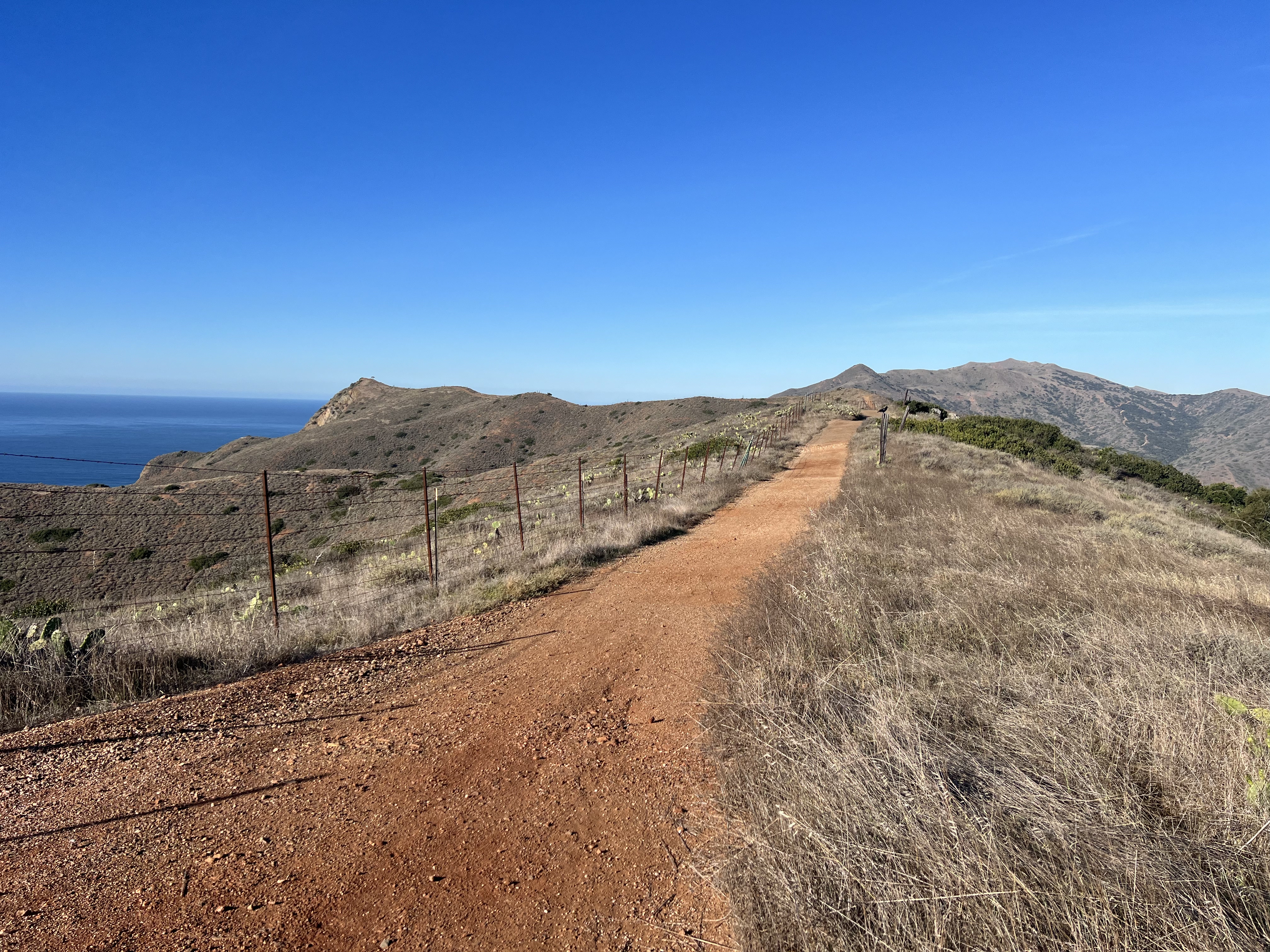
At 8am we walked out of camp, through town, and followed our intended route up Banning House Road. Soon reaching the Cat Overlook trail, we found the word “Winded” woven into the fencing with pieces of barbed wire. Not feeling at all winded, we continued to the Cat Overlook, another covered picnic bench welcoming us.

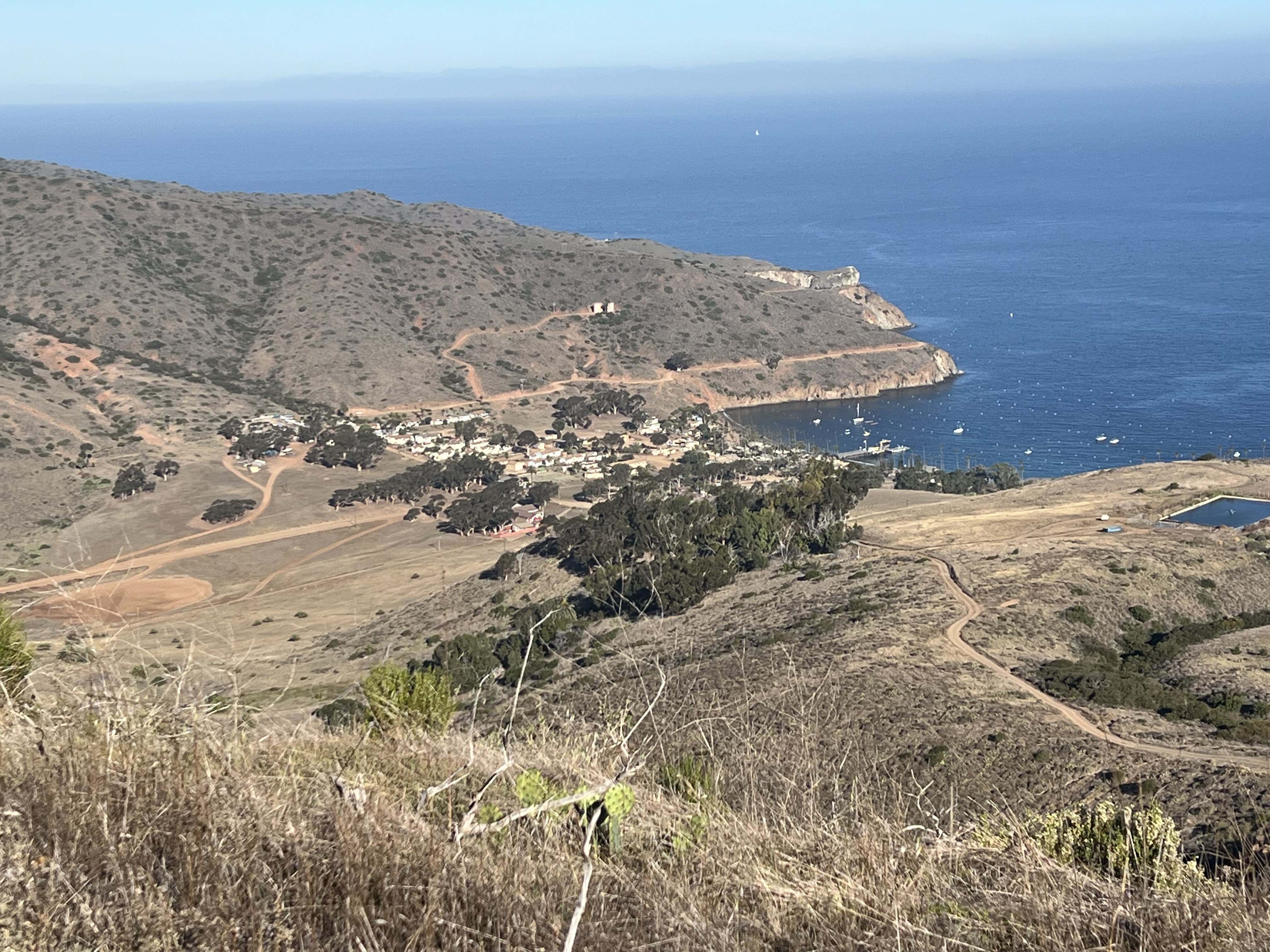
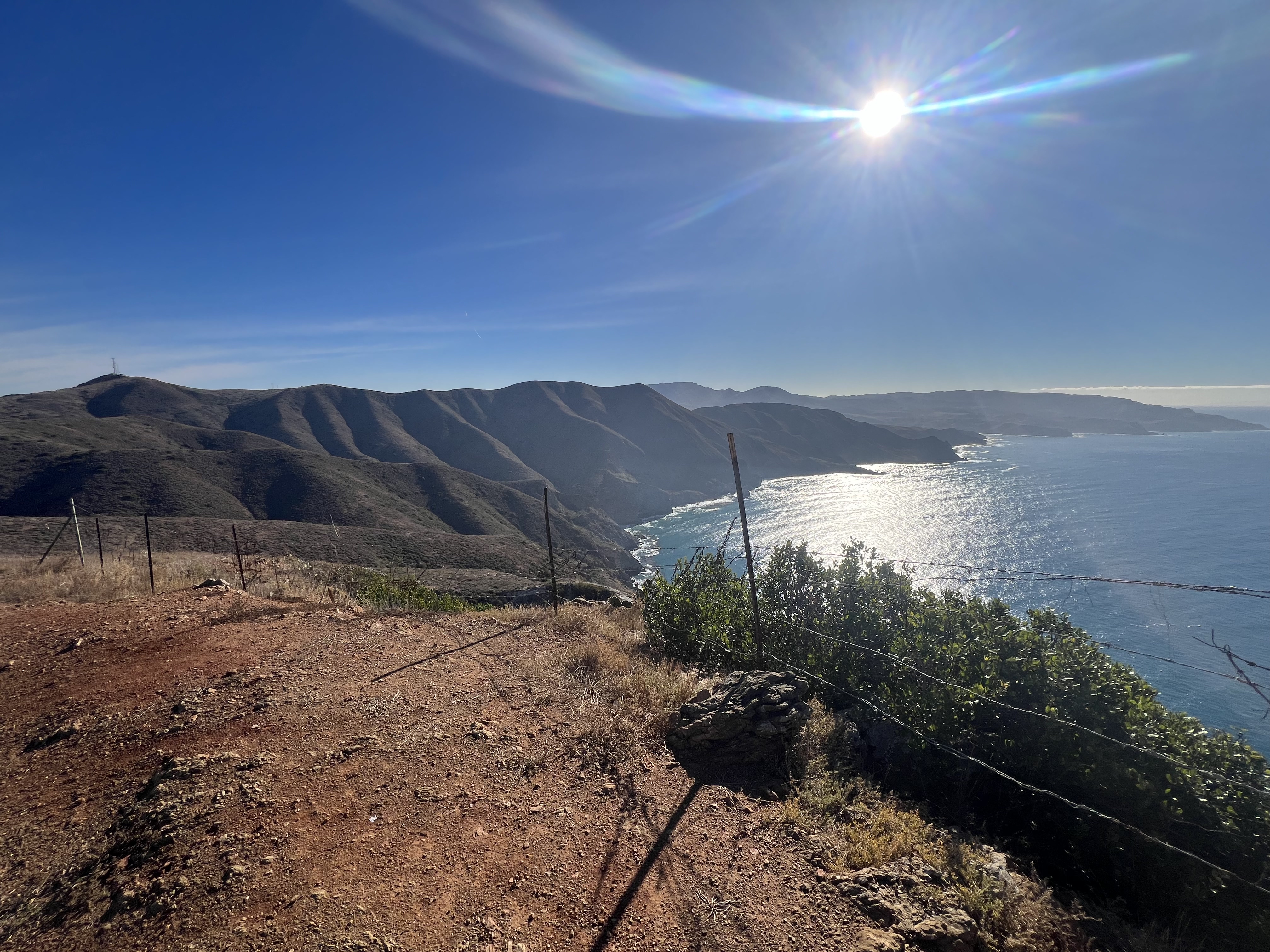
After snapping some photos of the north and south ends of the island, we followed a faint path down towards Catalina Harbor. The face of the hill was crumbling away, so we skirted around the eroded slope before dropping onto Ballast Point Road, back at sea level, where we watched pelicans diving for food. By 1045am we were back at camp, packing up and hauling our gear over to check in for our ferry ride back to the mainland.

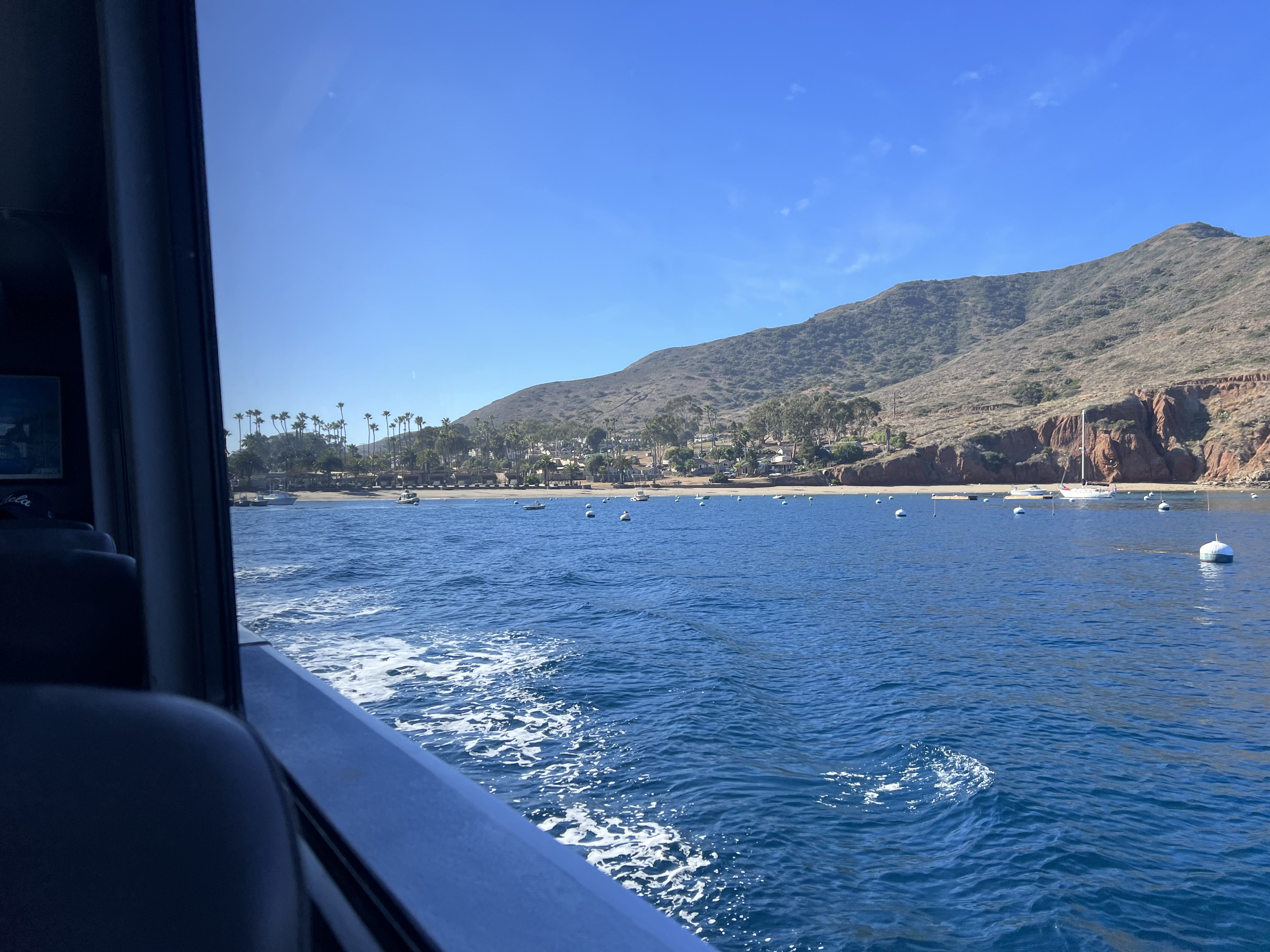
We boarded the catamaran and looked out towards West End Road, disbelieving that this trip was already over. It is always bittersweet to complete a journey, so much planning and effort involved, sights seen and experiences had, then one day it’s just over. I gazed out at the ocean, proud of our accomplishment and already thinking about what I would do when I returned.

Just The Tips:

  1. You cannot drive to Catalina Island. You must take the Catalina Express. They have multiple ports of call depending on which part of the island you are going to/coming from. Do not wait until the last minute to book ferry tickets.
  2. Between October 22 and March 31, note that the Catalina Express does not operate to or from Two Harbors on Tuesdays or Thursdays.
  3. Campground reservations open online every year on January 1st at 12:00 AM pacific time for the upcoming year. January reservations can be made over the phone with Two Harbors Visitor Services starting December 1st.
  4. Campsites are at the time of publishing, $42.25/night for the first person and $33 for each additional person up to the site limit.
  5. MSR stove fuel, propane, firewood bundles, firestarter and water are available for pre-purchase and delivery to your site or assigned locker. This was an INCREDIBLE service! Each Parson’s locker comes with two gallons of water, as there is no water source here. There is also bag delivery service to some of the campgrounds if you’d rather hike without all of your gear.
  6. It is very difficult to get reservations for Parson’s Landing from March thru November, but I recommend staying two nights, if you can! That will give you an opportunity for a day hike on the north loop to Starlight Beach (we didn’t get an opportunity to do this), as well as time to enjoy one of the most beautiful campgrounds I’ve ever been to.
  7. When booking campsites, only input the date you plan to stay at the once specific site. Each campsite will require a new entry. For example, if you want to stay at Little Harbor November 3-4 and then Parson’s Landing November 4-6, you will input the Little Harbor dates, choose the site you want at LH then input the dates for Parson’s and choose the site. If you put your full trip dates in, the campsite will show the price for staying at that one site for the entire date range. If you need help with permitting, we offer trip planning services and can help!
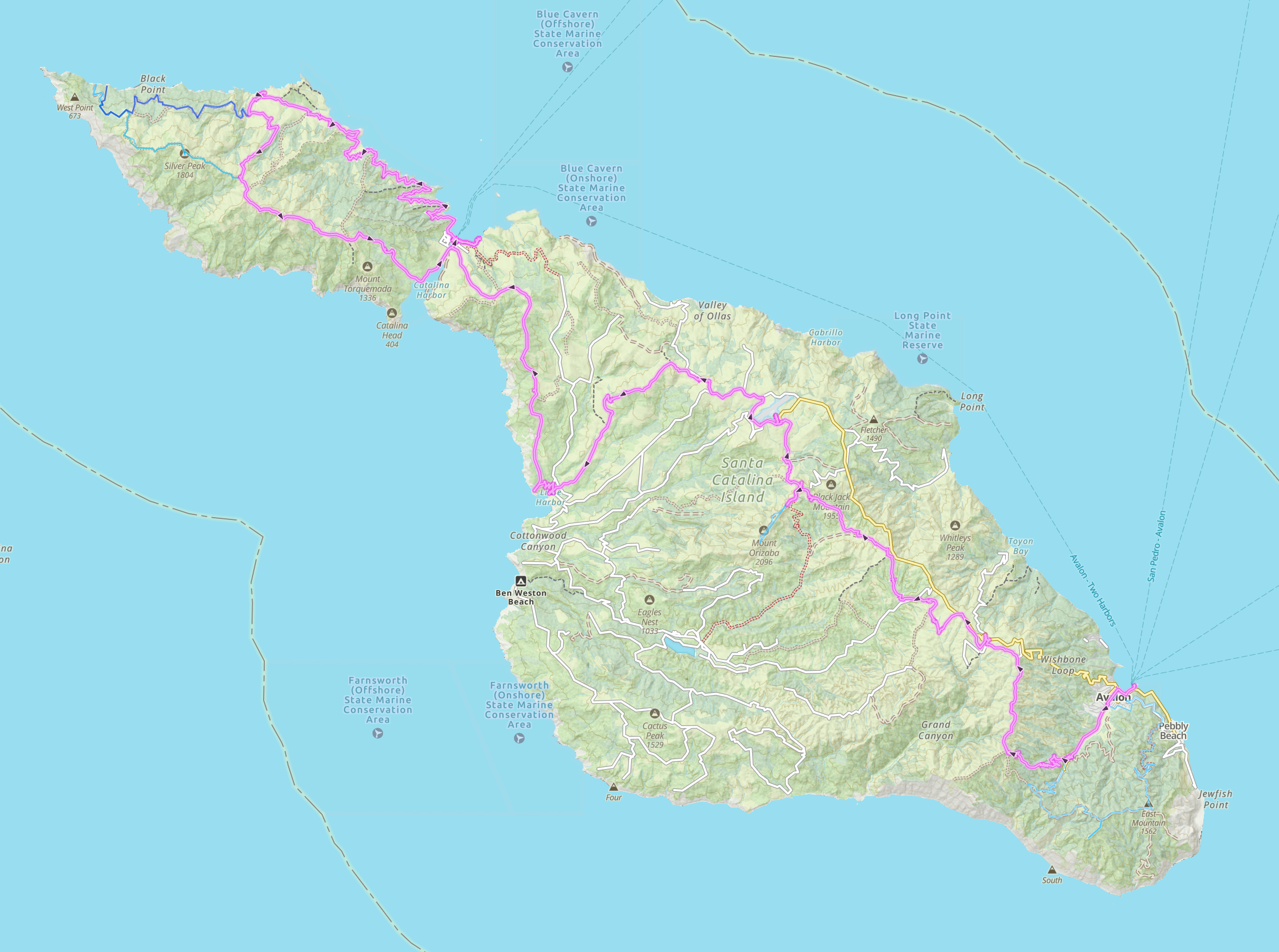
  8. I recommend hiking from Avalon → Black Jack → Little Harbor →Two Harbors (overnight here if you worry about making it 14 miles in one day) → Parson’s → Two Harbors. The views get better the further north you go, and Parson’s may only be rivaled in beauty by Little Harbor. You will end on a high note if you go South to North. (Take the ferry to Avalon from the mainland and back to the mainland from Two Harbors)
  9. KEEP YOUR FOOD AND ODIFEROUS ITEMS IN THE PROVIDED CRITTER BOXES! The foxes are extremely bold and will walk right up to you to take food. Don’t turn your back for one second on them.
  10. There are lockers available at Two Harbors if you want to ditch some gear before heading up to Parson’s. There is also a small general store (they have pizza!) and a shower/laundry facility. We utilized these amenities both on our way north, from Little Harbor to Parson’s, and upon our return from Parson’s to spend the night at Two Harbors before taking the ferry back to the mainland.
  11. Two Harbors and Hermit Gulch have tent cabins available for $122/night (+$30 for each additional person). I probably would rent one if staying at Hermit Gulch again. They looked cozy and reminded me of my summer sleep away camp days now nearly 40 years removed.
  12. Hermit Gulch does not show availability for camping mid-week (Wed-Thurs) during the winter months. If you would like to reserve a Hermit Gulch site midweek, November through March, call the office at 310-510-4205.

Trans-Catalina AllTrails Link:


Misty Miles and Mountain Birds: A Storm King Scramble to Mitty Peak

April 20, 2025 Olympic NAtional Park, WA Mitty Peak 2674′ Mileage: 4.4 Miles RT Elevation Gain: 2400′ After 25 years, I finally had the opportunity to fly down to Seattle from Alaska to see one of my favorite bands of all time, Phish. I can’t travel without checking out a new hike, so I also…
Beyond Bird Point and Into Technicolor Solitude: Bird Ridge Overlook

September 7, 2024 Mileage: 13.5 Miles Elevation Gain: ~6700′ BRO (4625′) Chugach 120 #98 Bird PT (3505′) CHugach 120 #120 Permits: CSP Parking Fee The 2024 Alaska State Fair had come and gone, a sure sign that the dark winter was going to be closing in soon. Even though it was another rainy summer and…
Kalalau Trail: A Hiker’s Redemption Journey

January 26-29, 2025

NaPali Coast, Kauai, HI

Mileage: 23 miles Out and Back
Elevation Gain: ~6500′
Permits: Wiki Permits

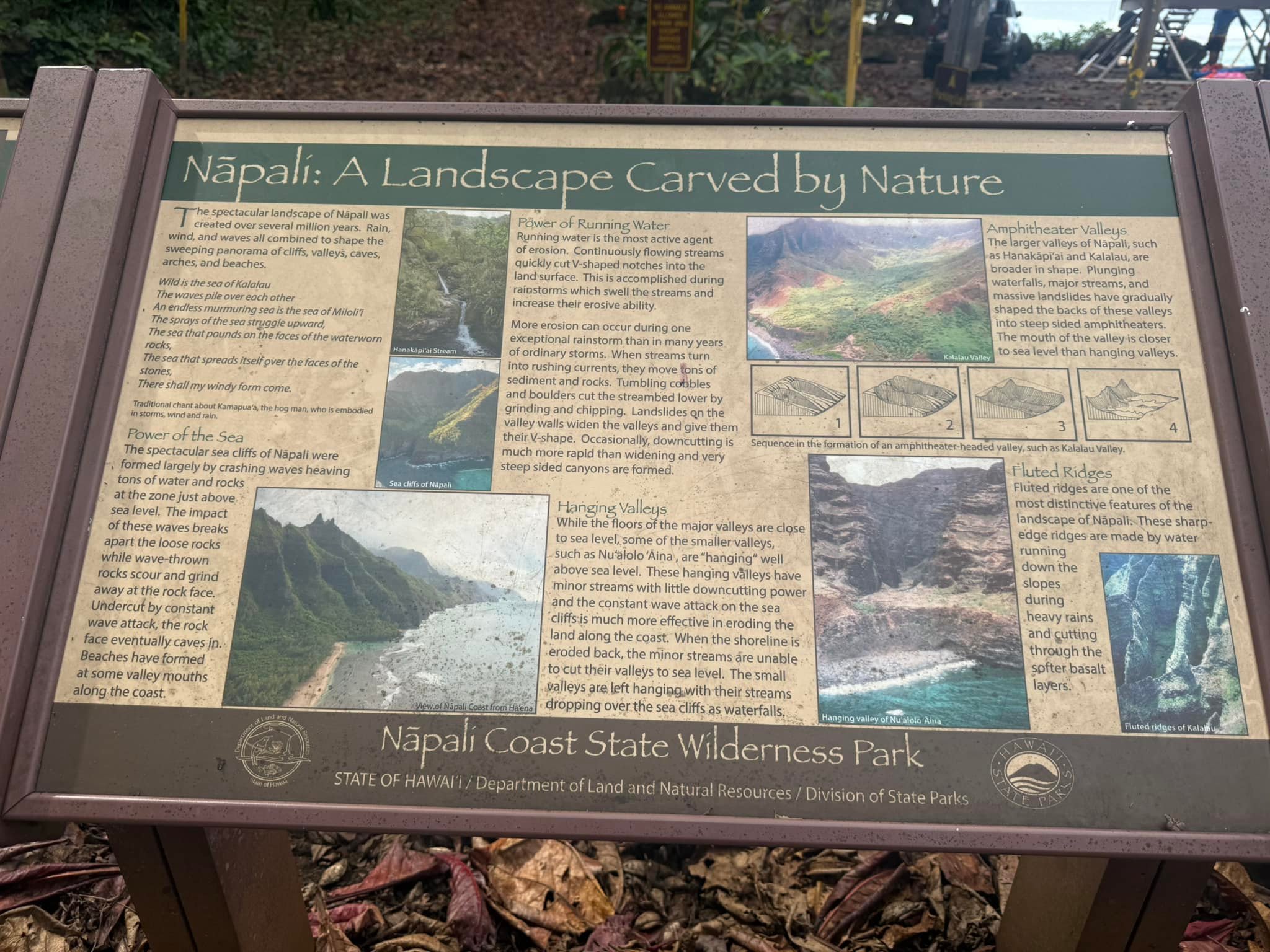
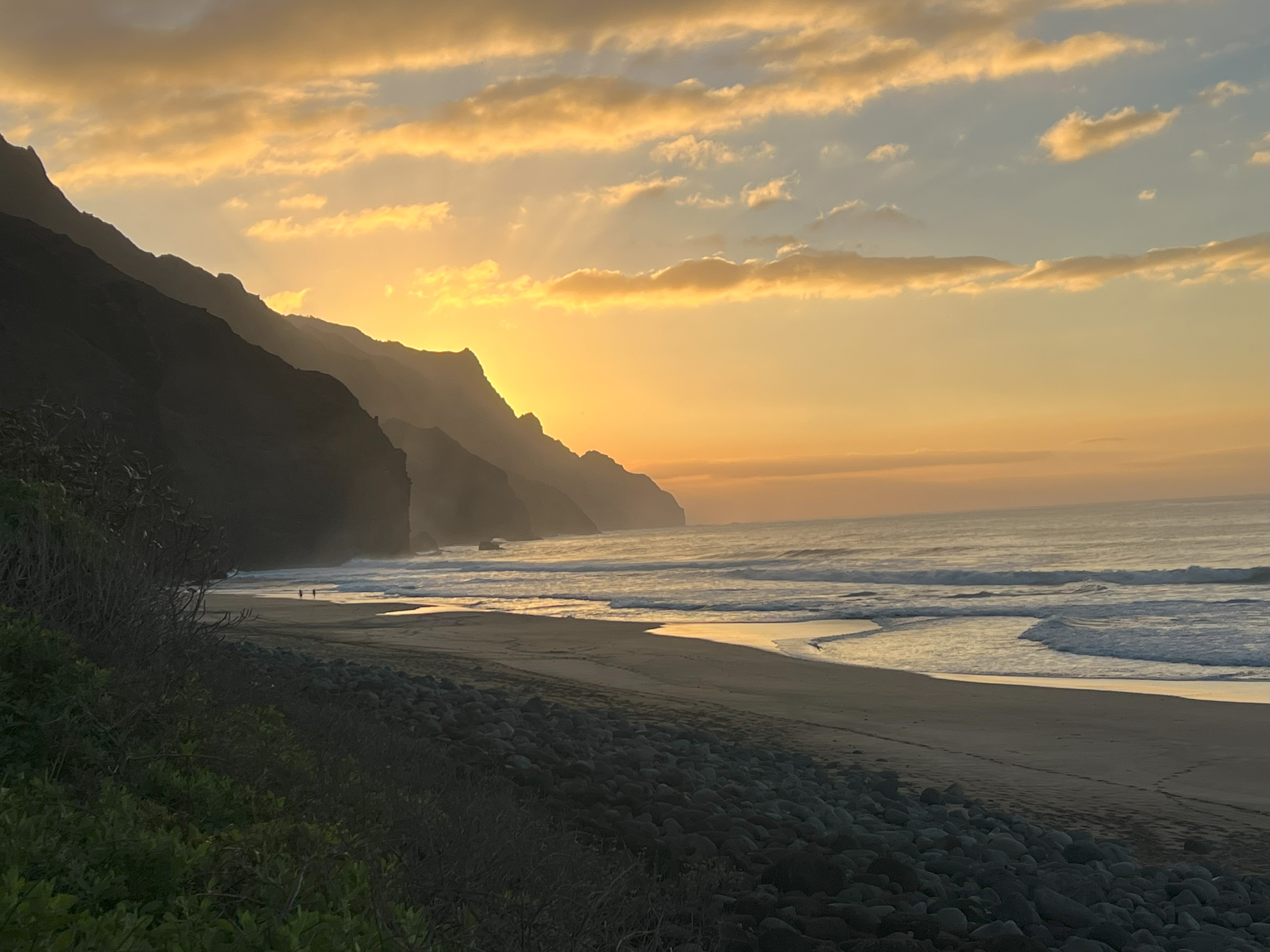
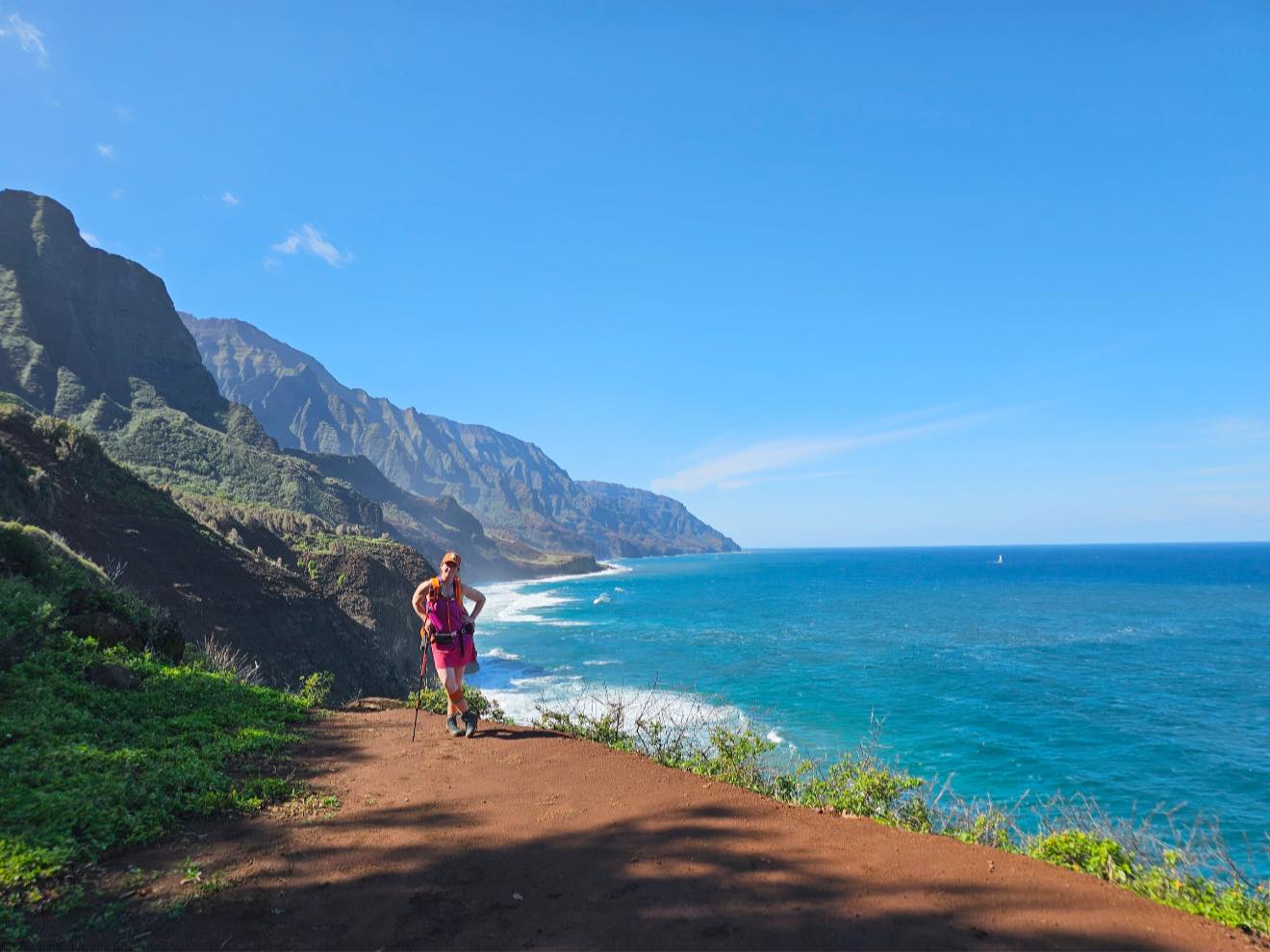
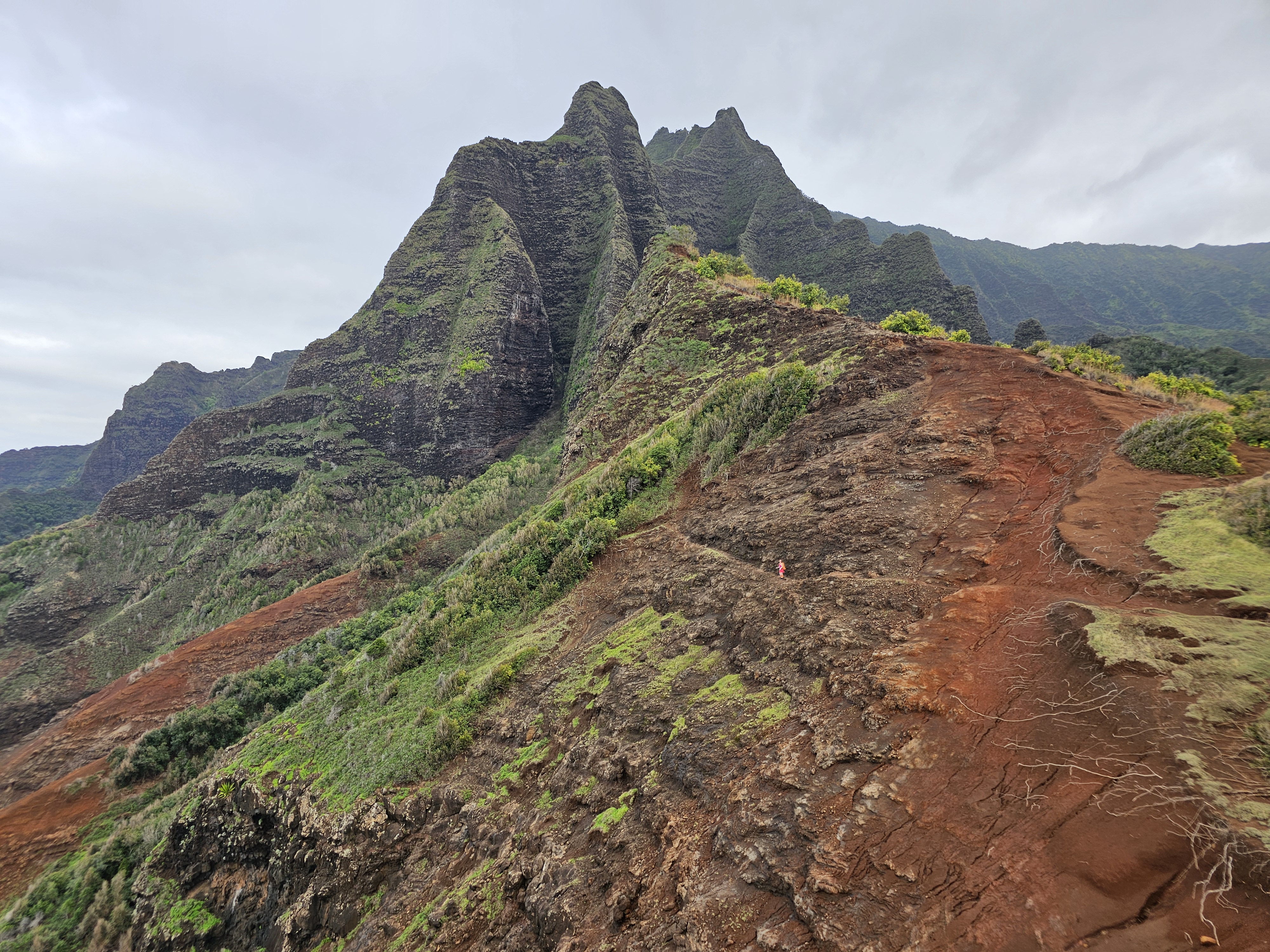
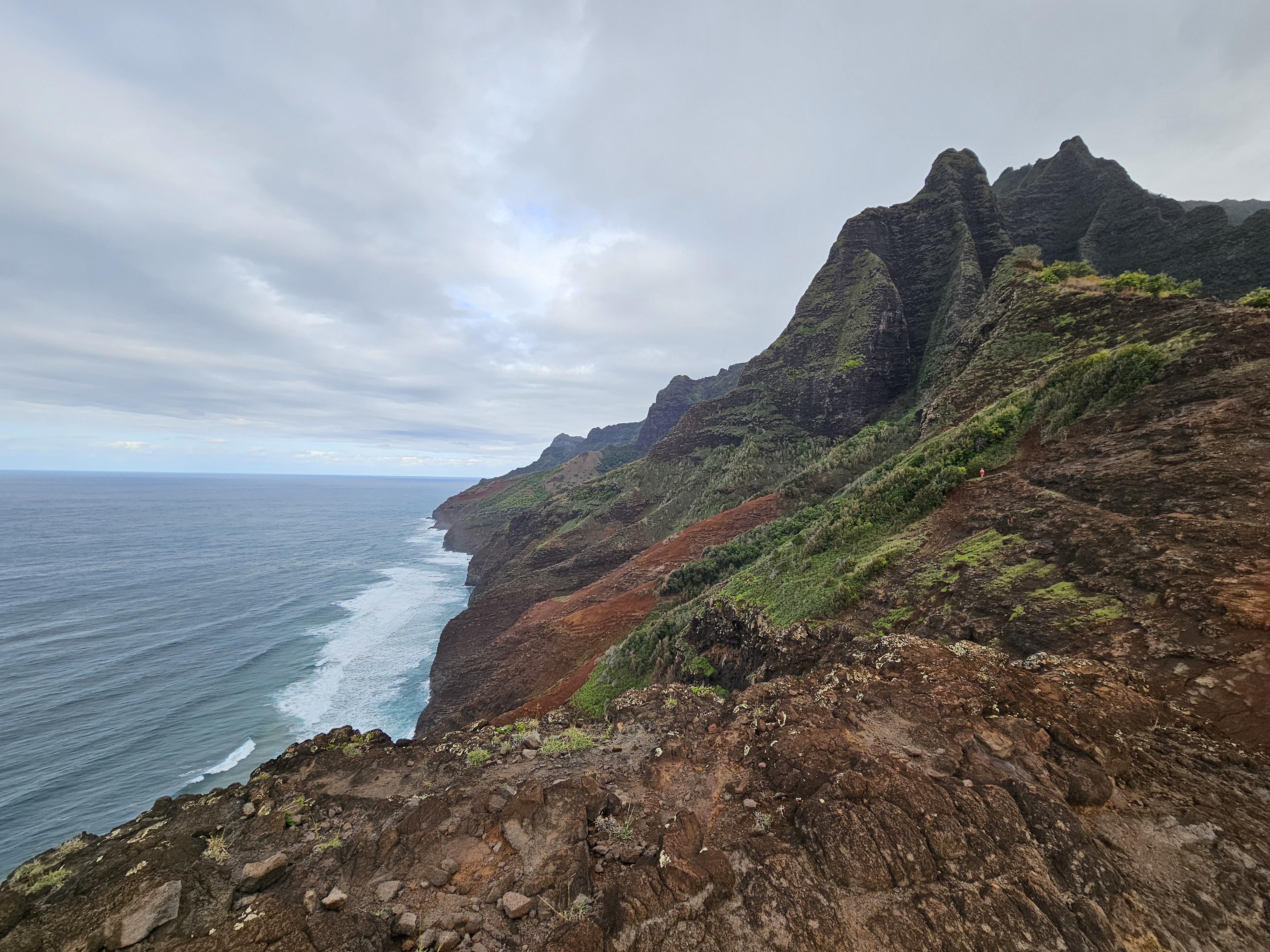
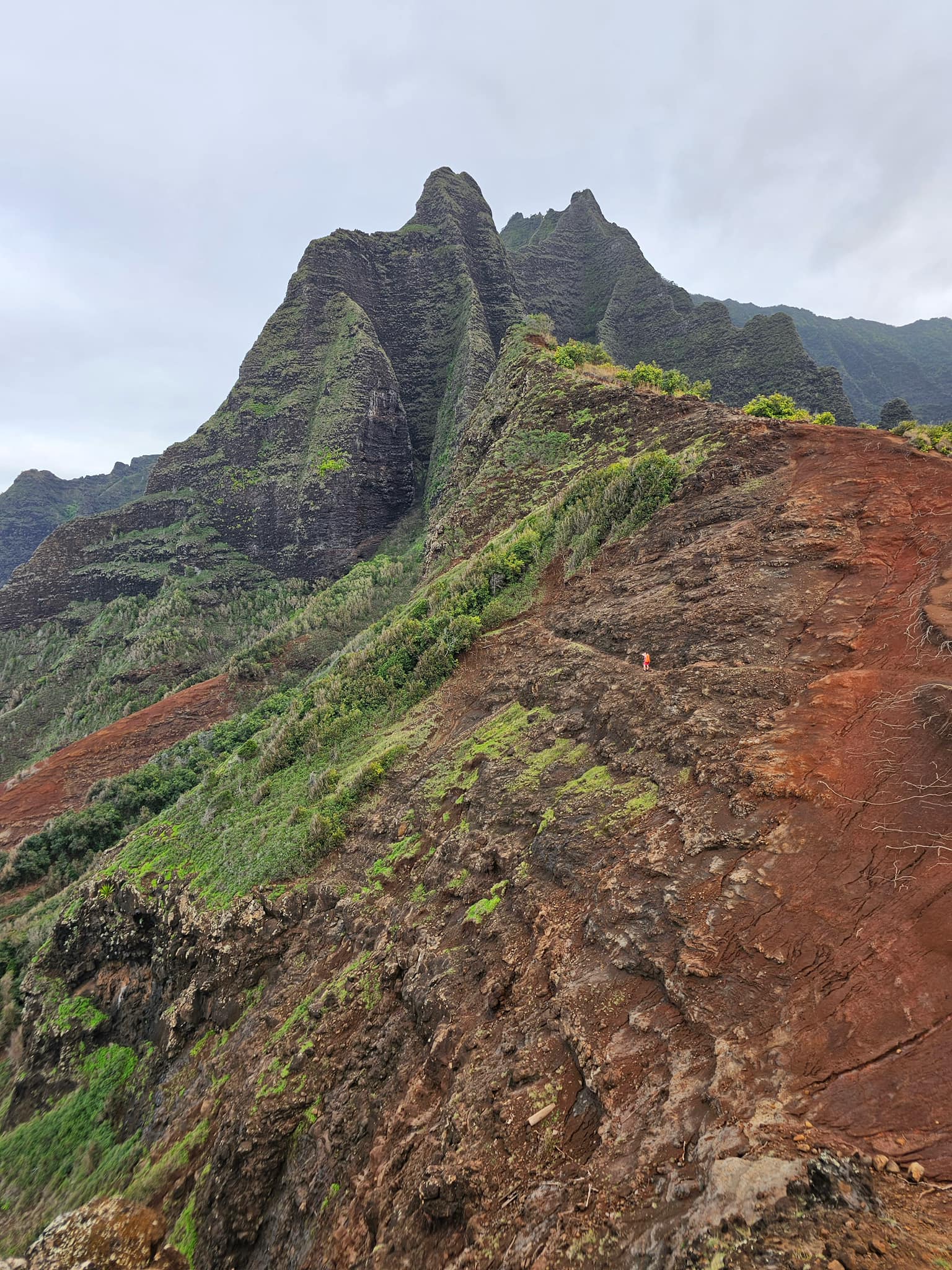
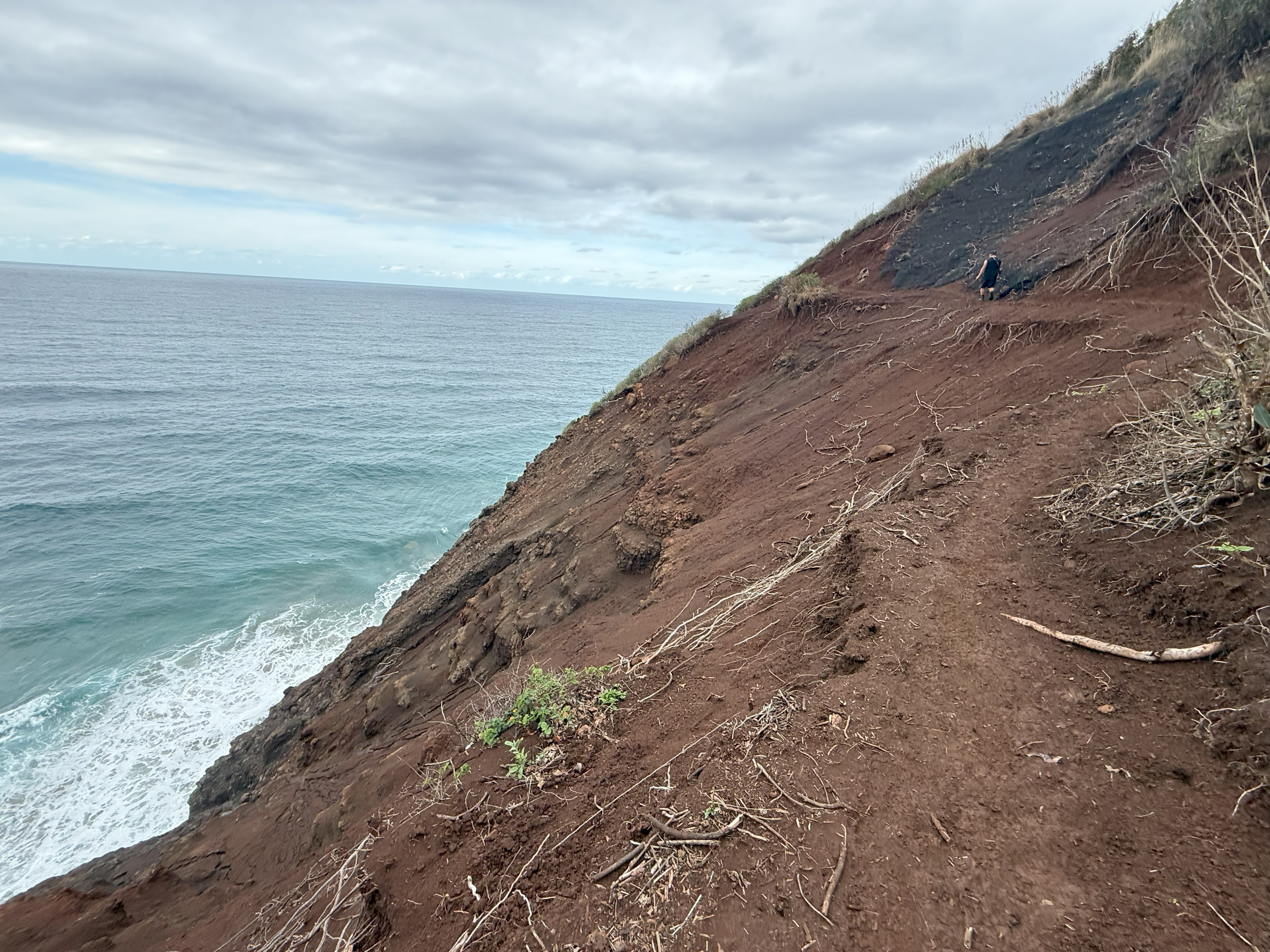
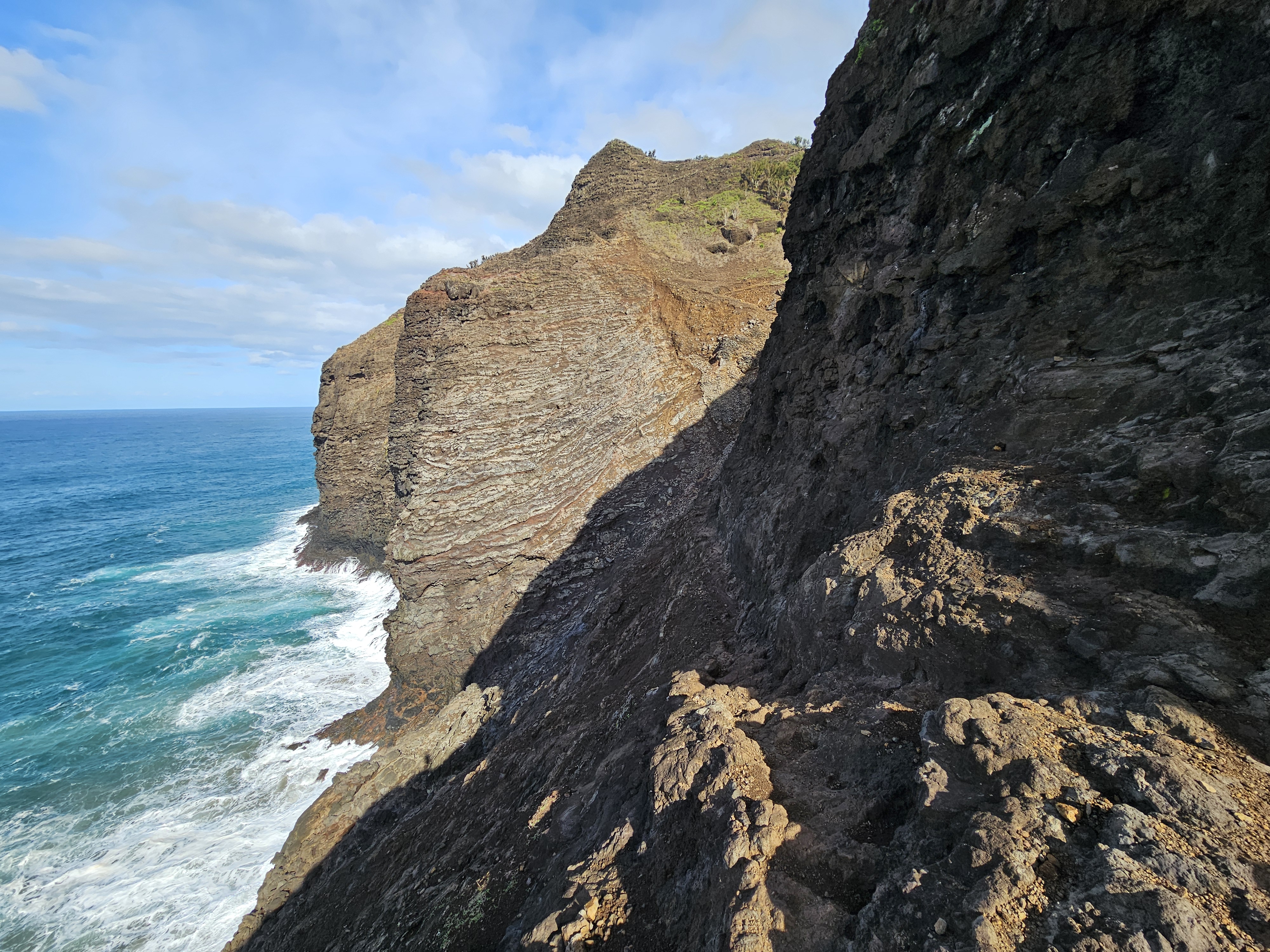
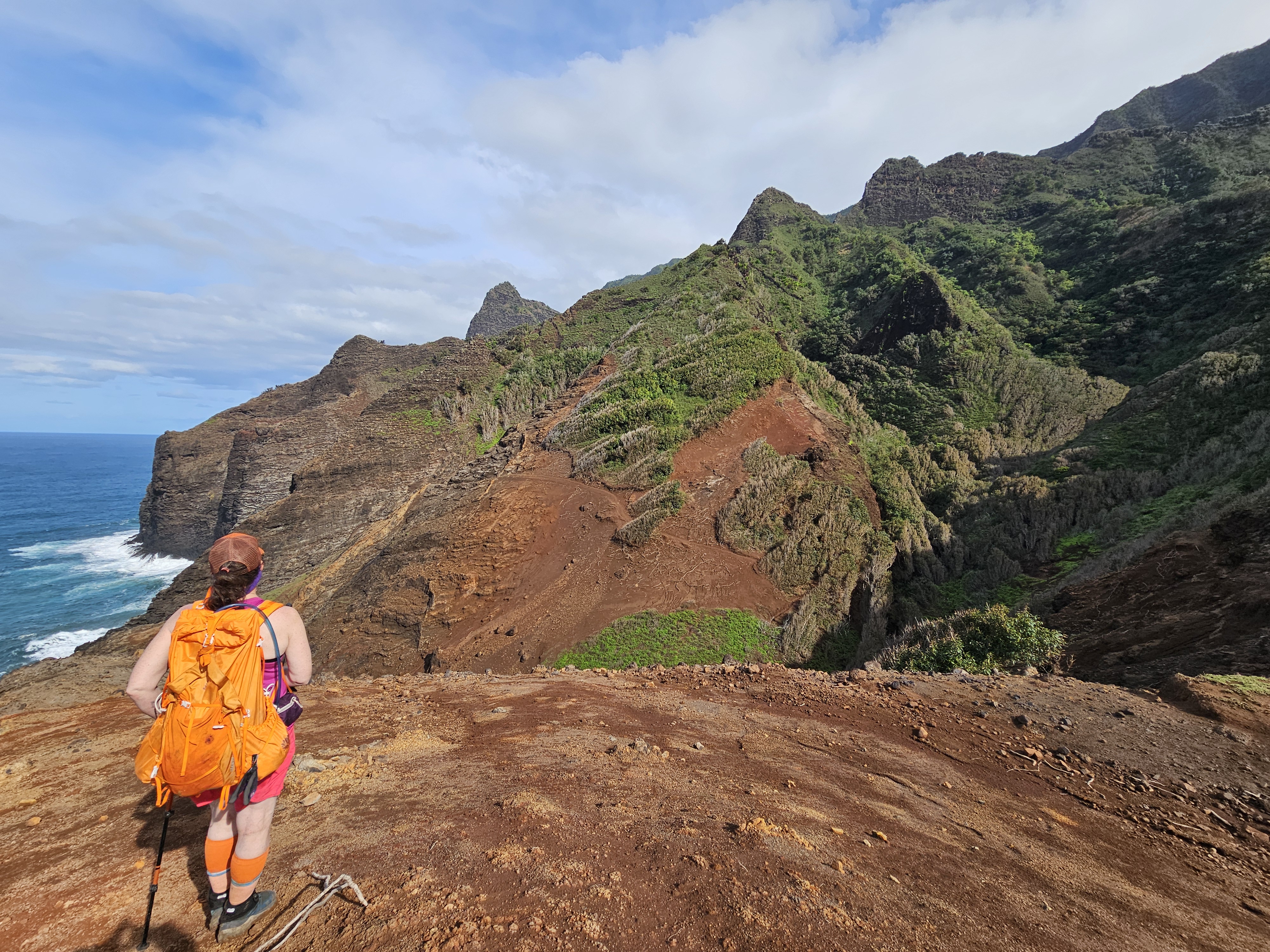
Rated by Backpacker Magazine as one the most dangerous hikes in the US and often considered one of the top 20 most dangerous hikes in the world, the Kalalau Trail is not for the faint of heart.

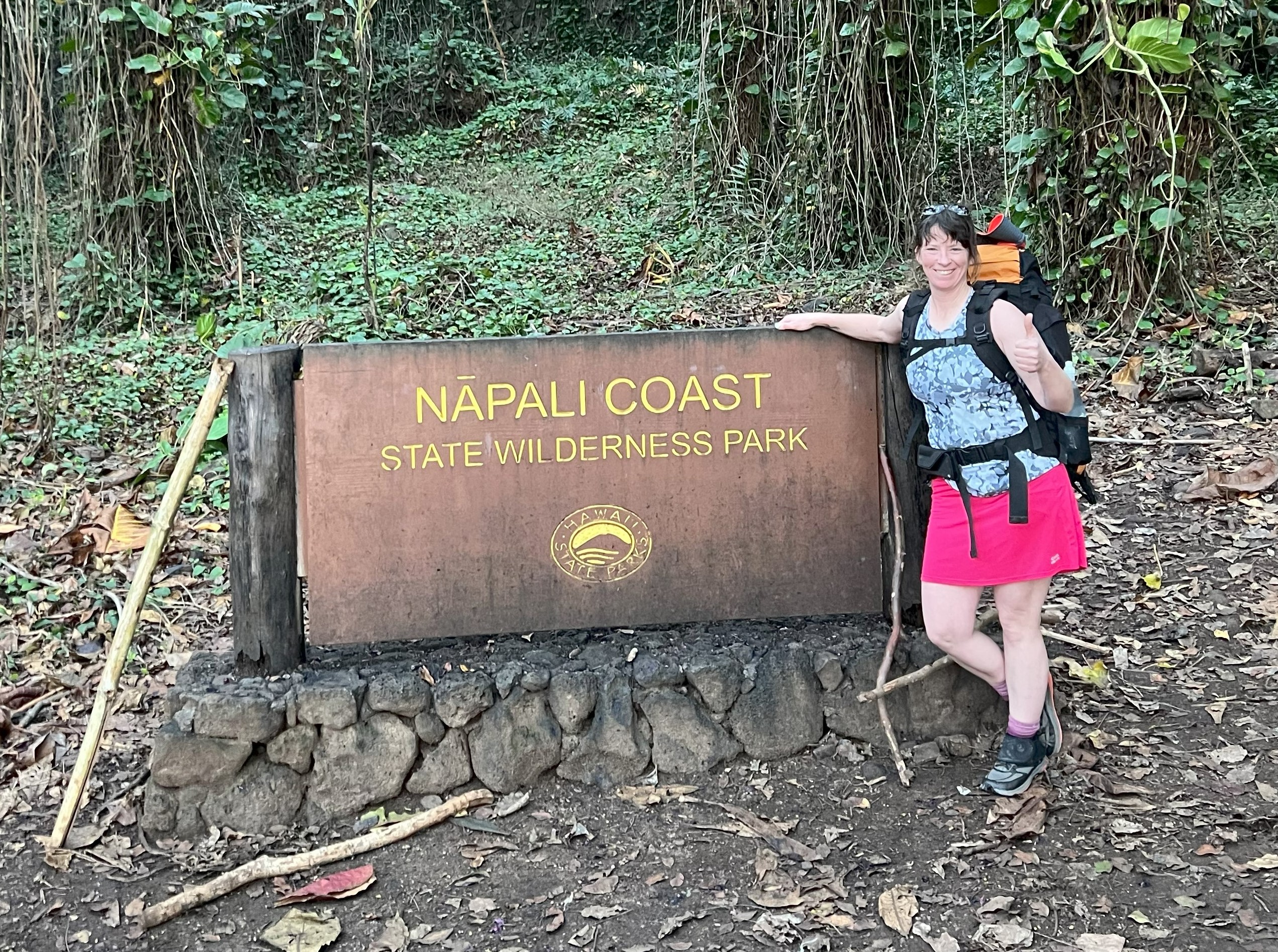
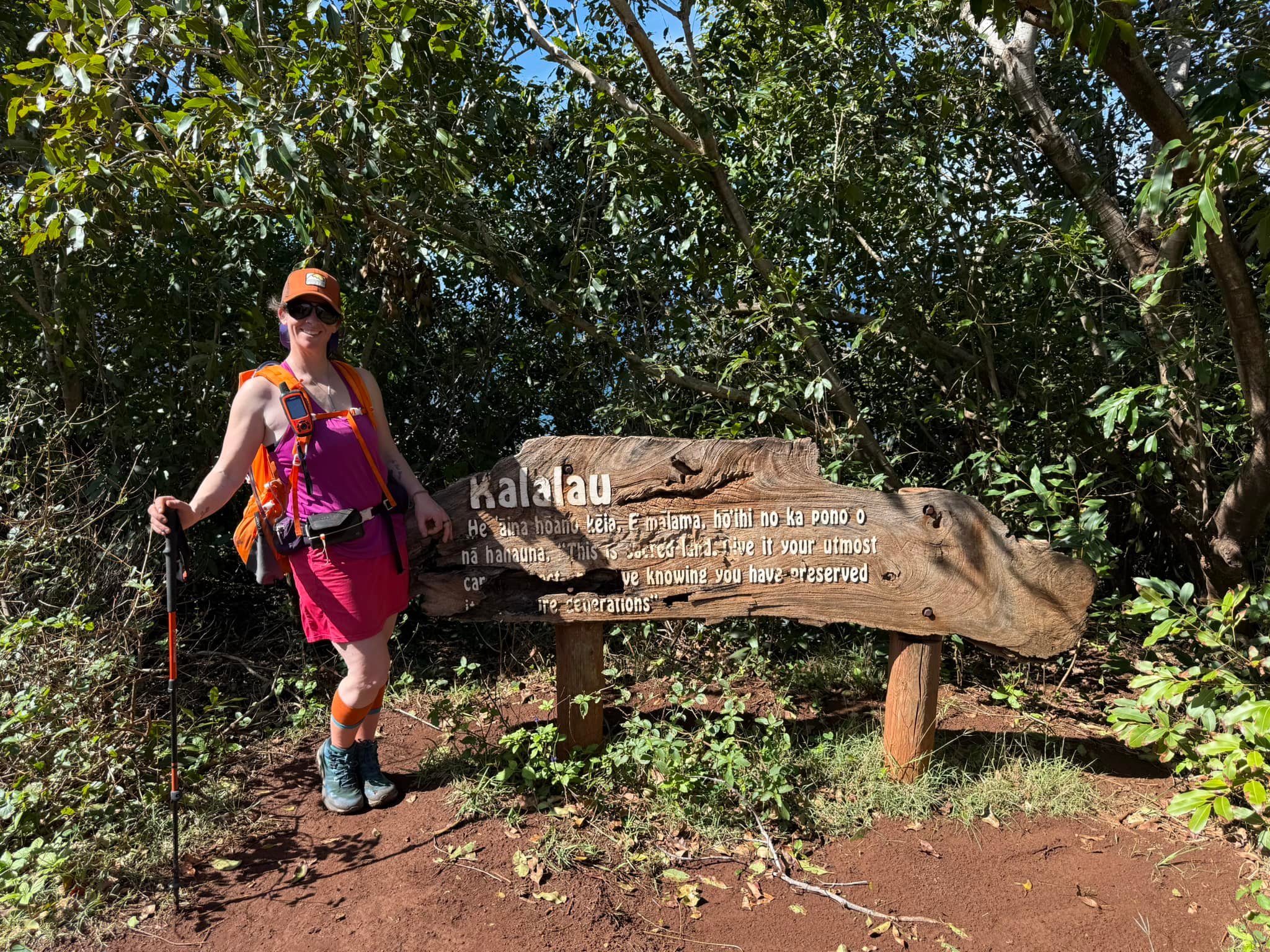
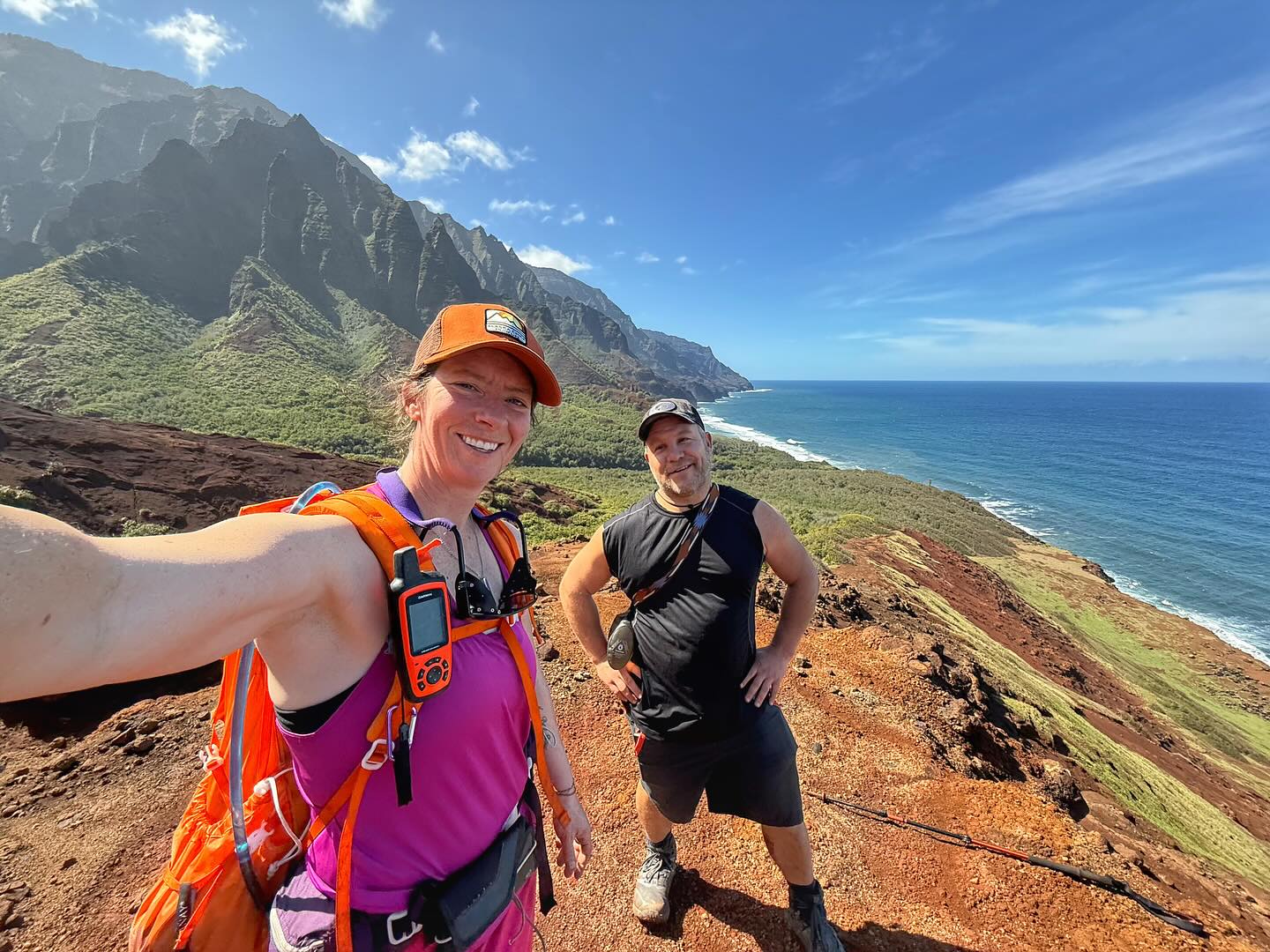
This January (2025) I went back for my second trip along the rugged NaPali Coast. It was an impulse decision after returning from my solo Grand Canyon Rim-Rim-Rim trip… I just couldn’t bear not having another trip to look forward to and felt confident enough to revisit a place that I had once feared.

January 2023

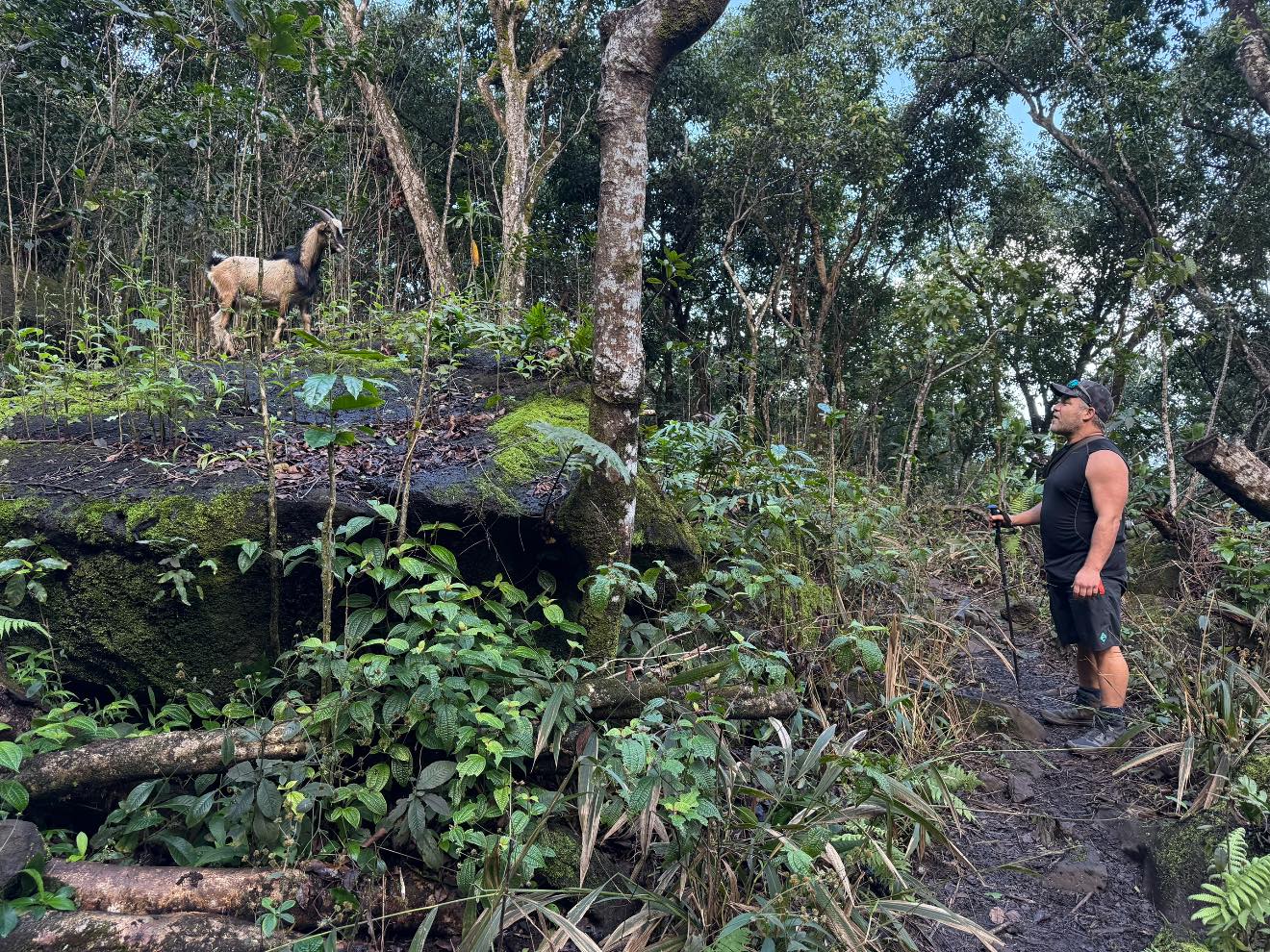
I first experienced this trail in January of 2023 when I was still suffering from vertigo and had an extreme discomfort with heights. I watched all of the videos and read all of the trip reports, most of which mention the notorious Crawler’s Ledge, a narrow rock path, bordered on one side by a rock wall and the other side by a precipitous 200′ drop to the ocean. I didn’t believe the hype. I had bagged some of the tallest peaks in my local mountain range. No way it could be any worse. But I was wrong.

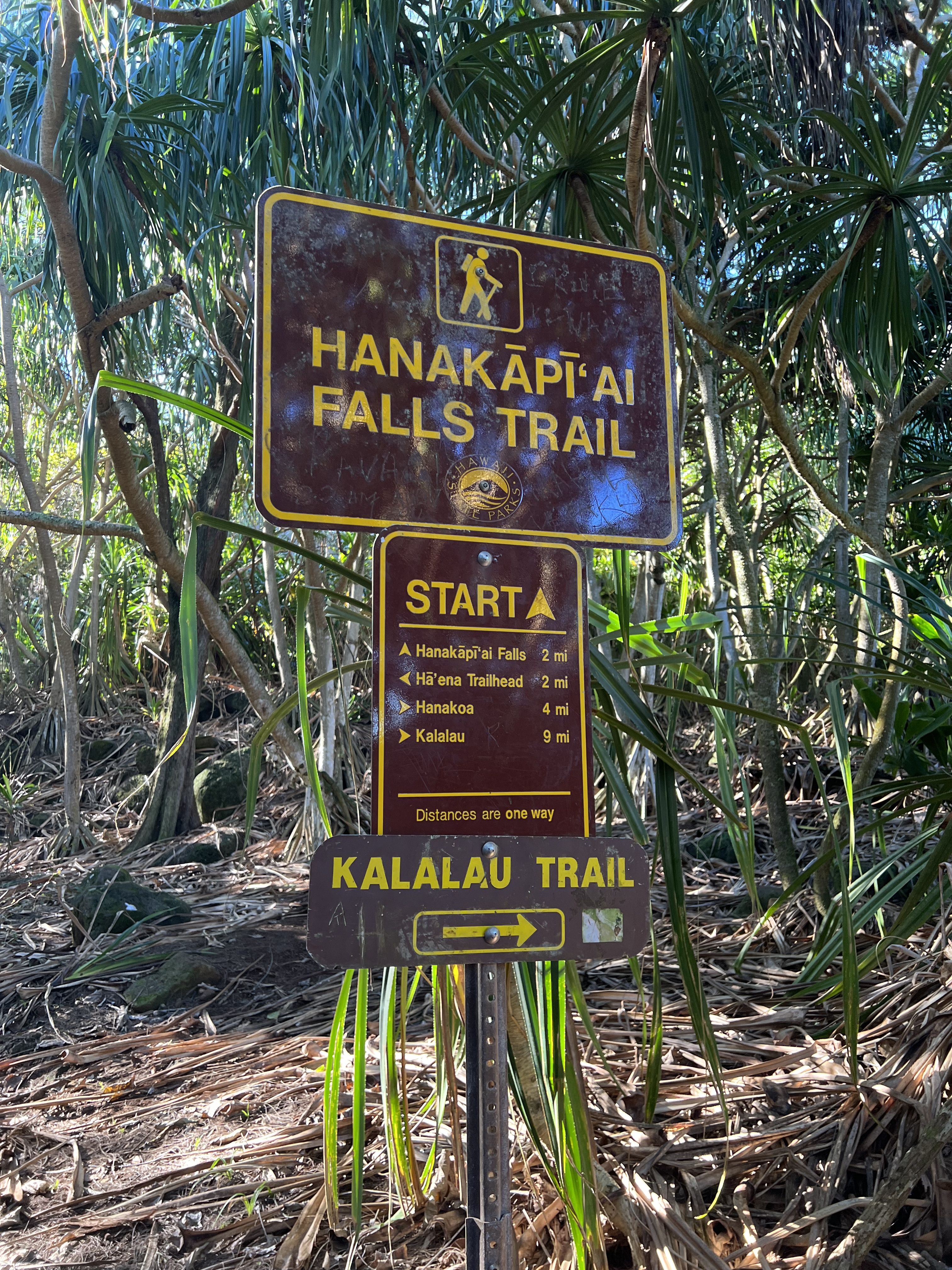
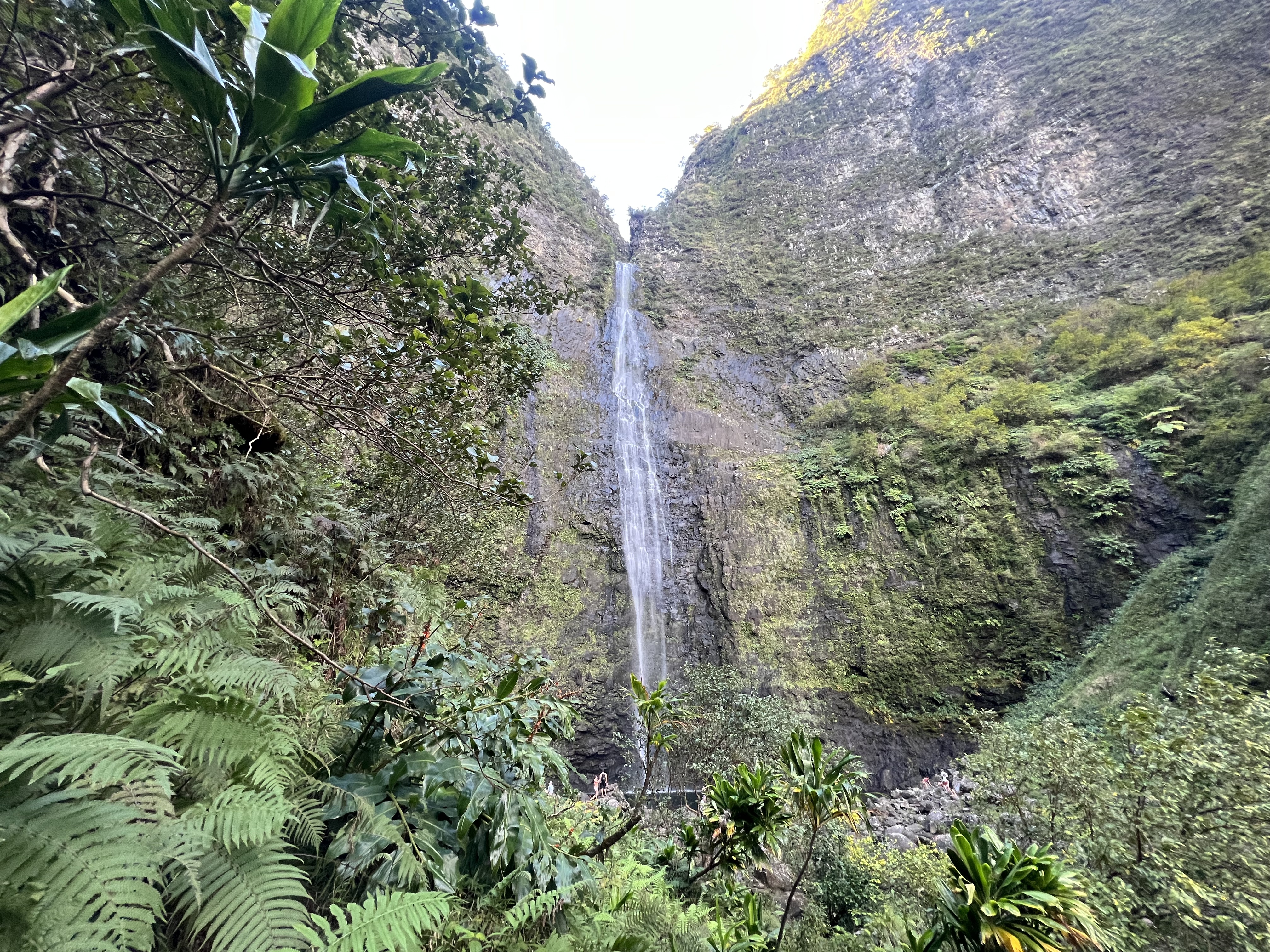
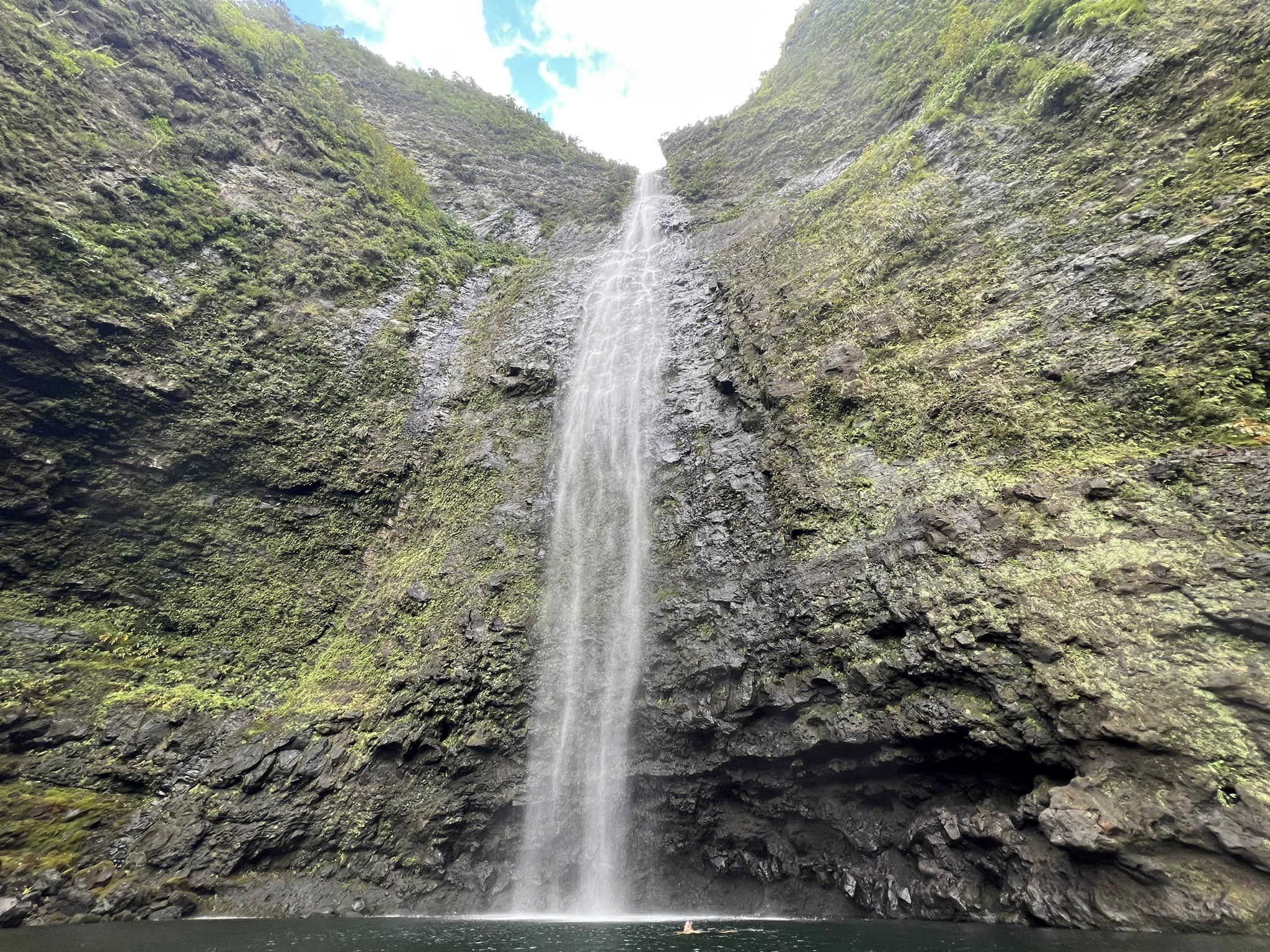
That trip was terrifying, and I didn’t have any idea that there were so many more possible dangers than the relentless, vertigo inducing cliffside trekking. I still felt excited for what was to come as I dropped my pack in the woods on the far side of Hanakapi’ai Stream and hiked the 4 miles round trip to the Falls. It was a gorgeous location, with a cold yet refreshing pool beneath the Falls. It didn’t take me long to get back to my pack and onward along the coast.

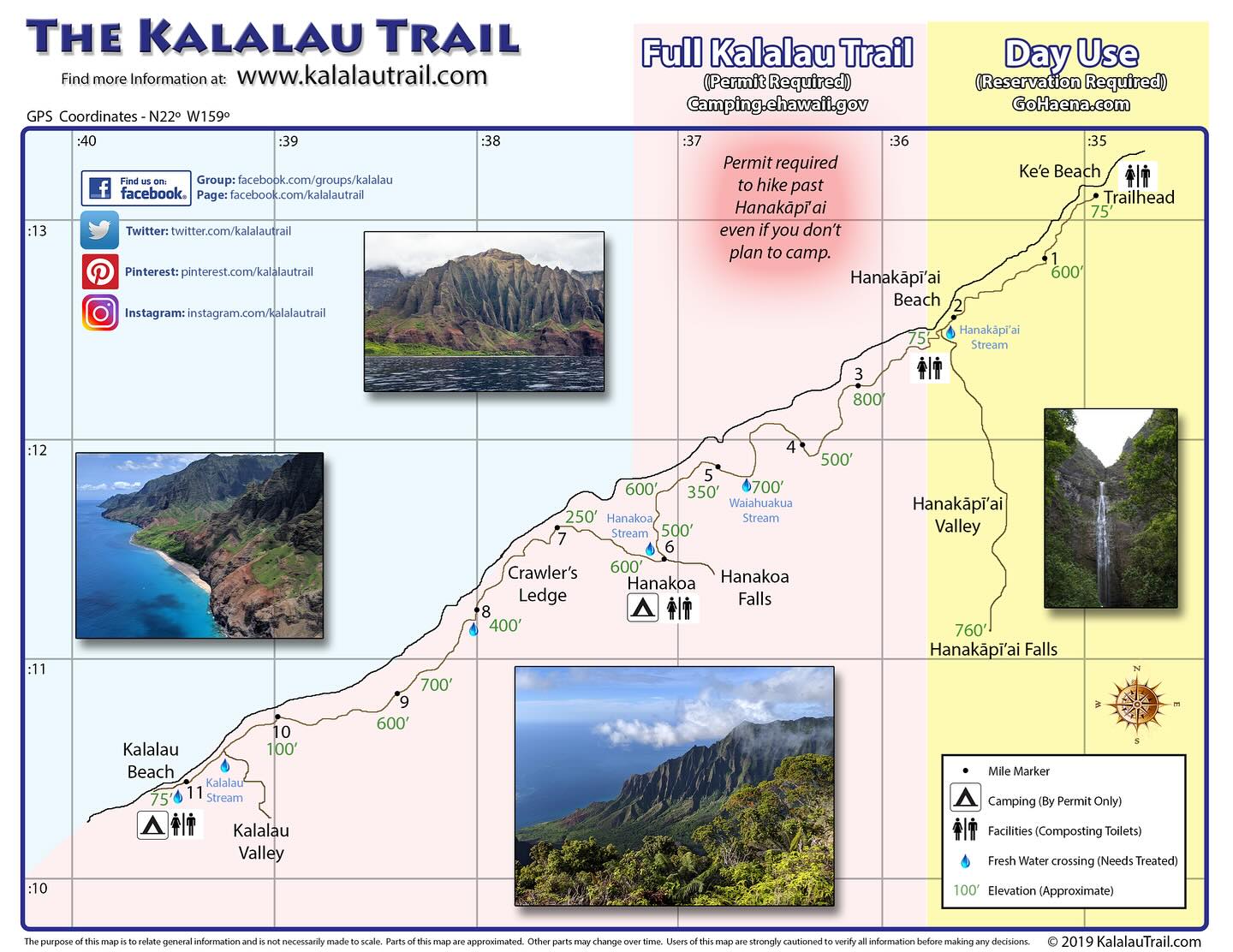
After crossing Hanakapi’ai Stream at mile 2.4 (the mile markers start at Ke’e Beach trailhead, ~.4 miles from where you are actually dropped off), the trail becomes more of a footpath, transitioning from the relatively wide, protected, and well-trekked trail, to a narrow and sometimes washed-out path with frequent sections of high exposure. I knew that if I fell it was possible that no one would ever know what happened to me, since I made the rookie mistake of taking on this trail as a solo traveler. I look back now and realize how unwise that choice was.

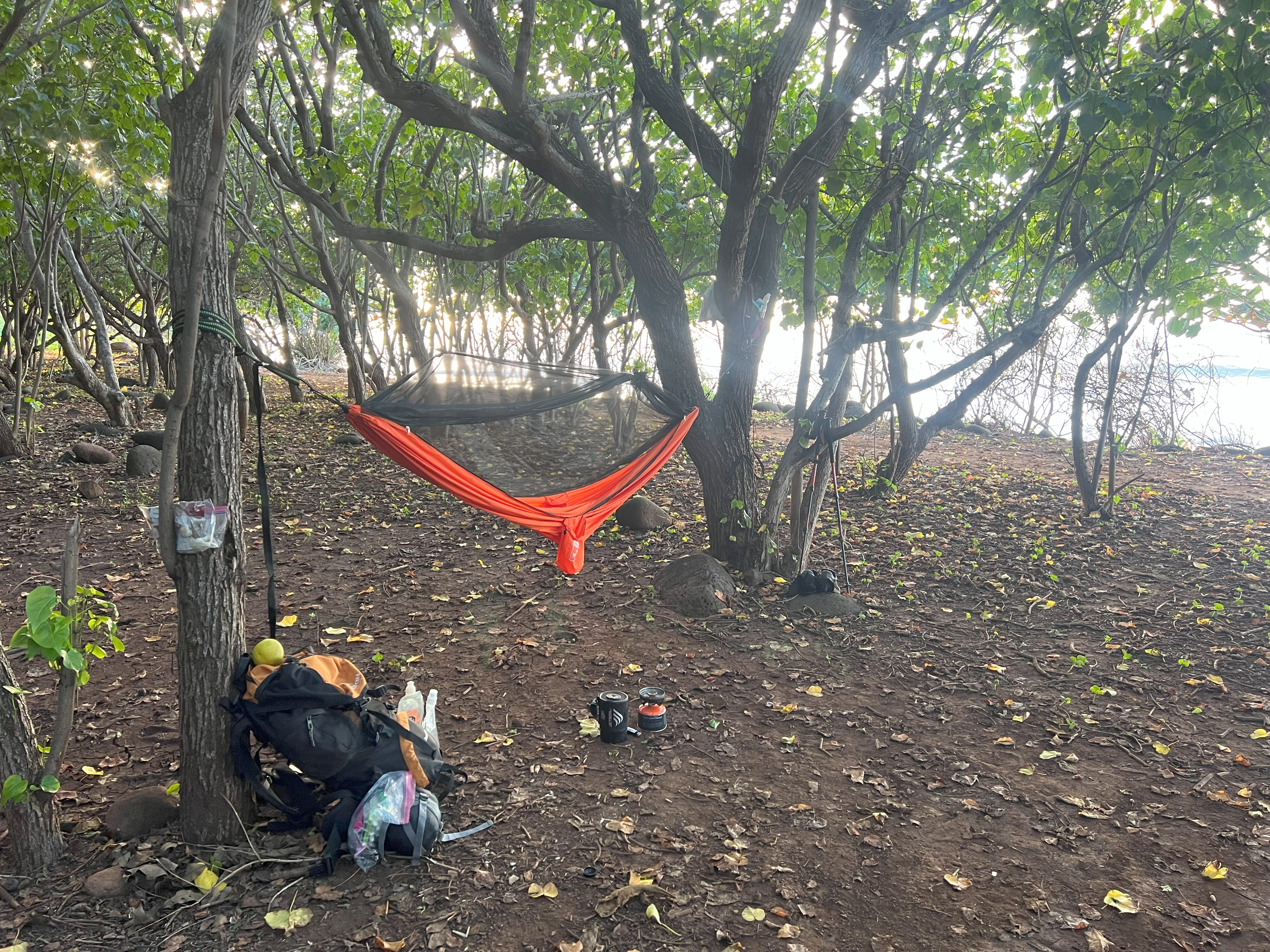
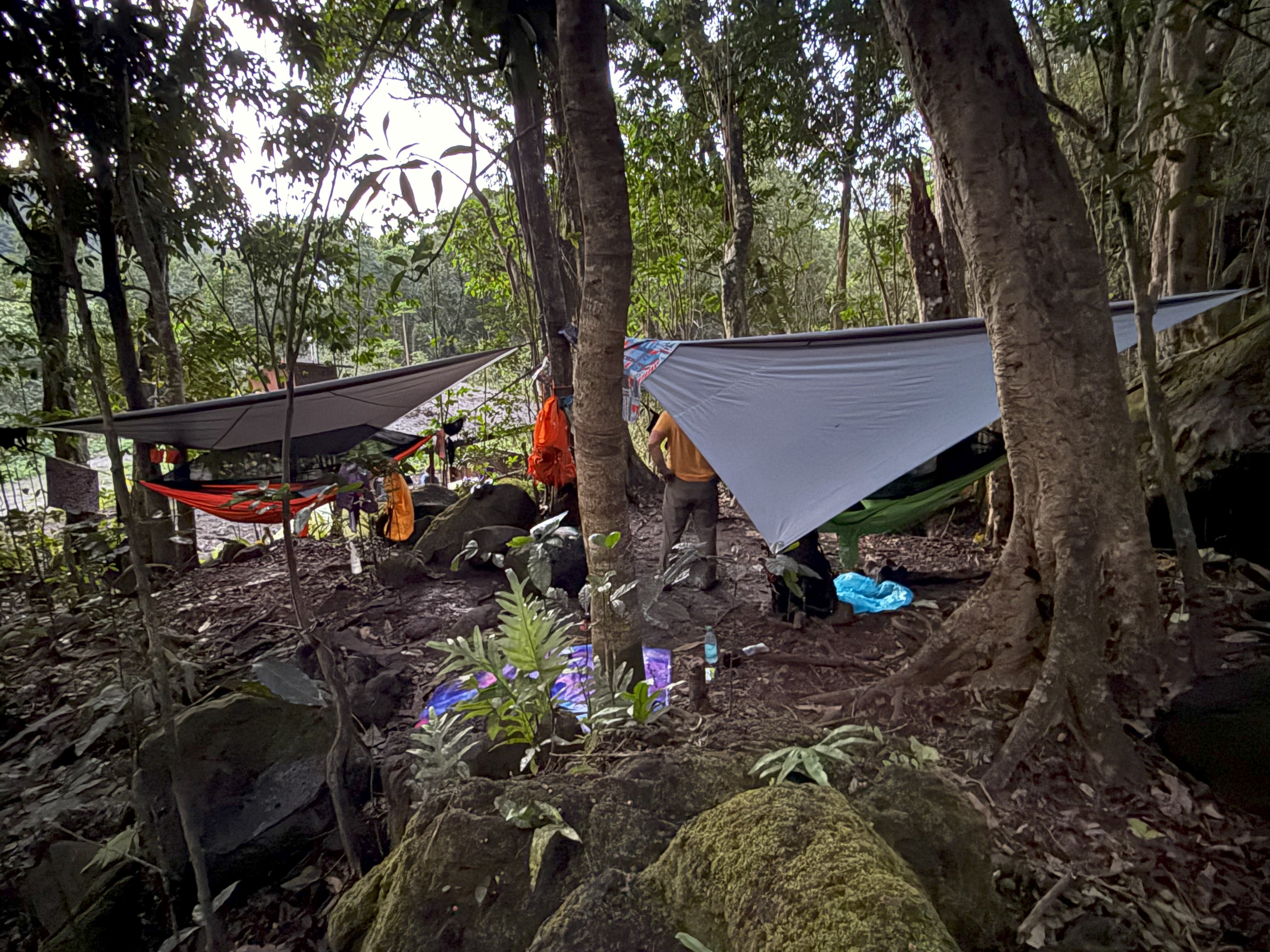
I camped at Hanakoa for a night at mile 6.4, having hiked more than 10 miles already, and hoping to shake off some of the stress from the vertigo and the building fear of the upcoming Crawler’s Ledge. I set up my Hammock and slept as much as I could, with the wild pigs squealing not far off, and my mind racing about what was to come.

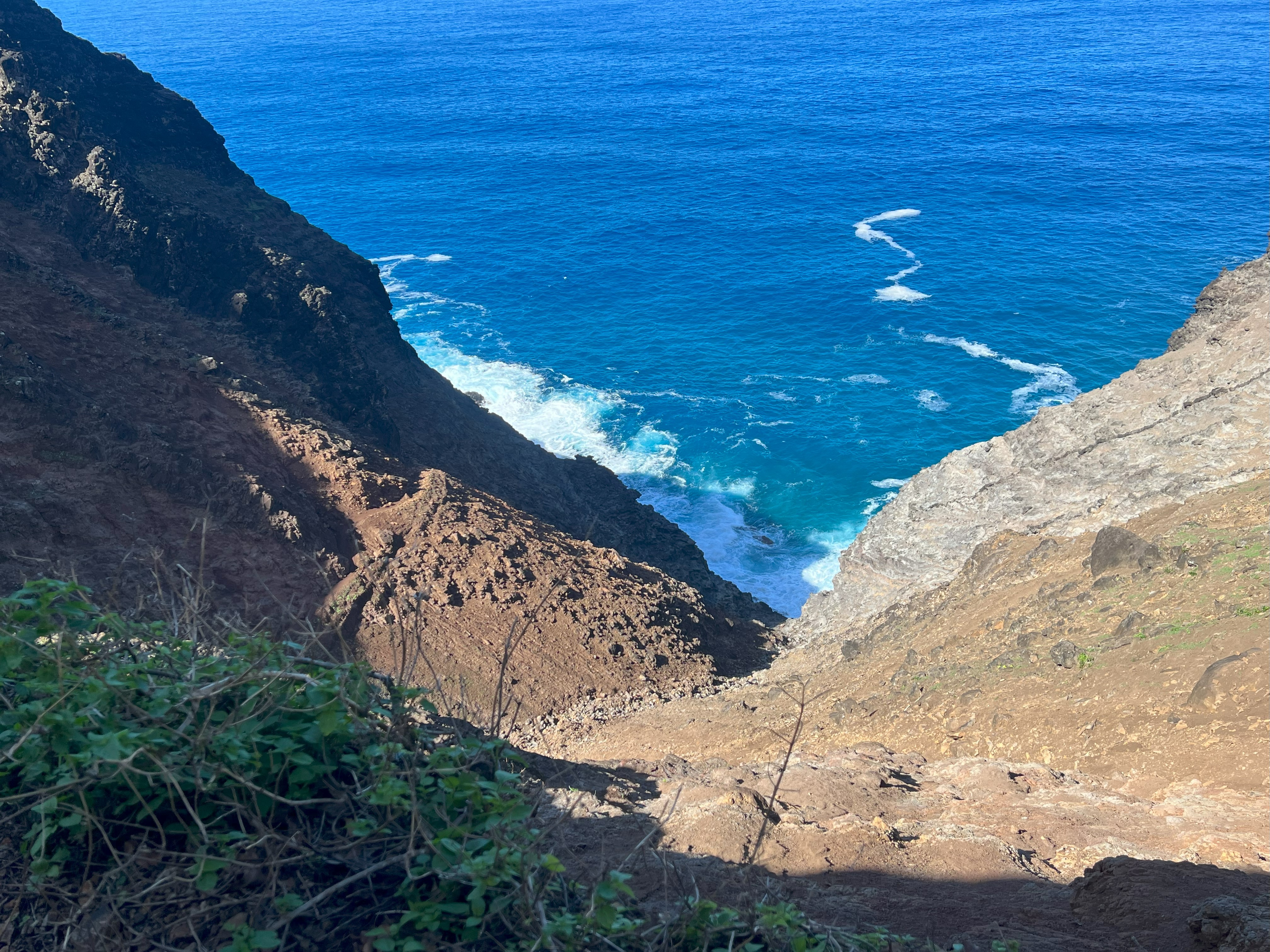
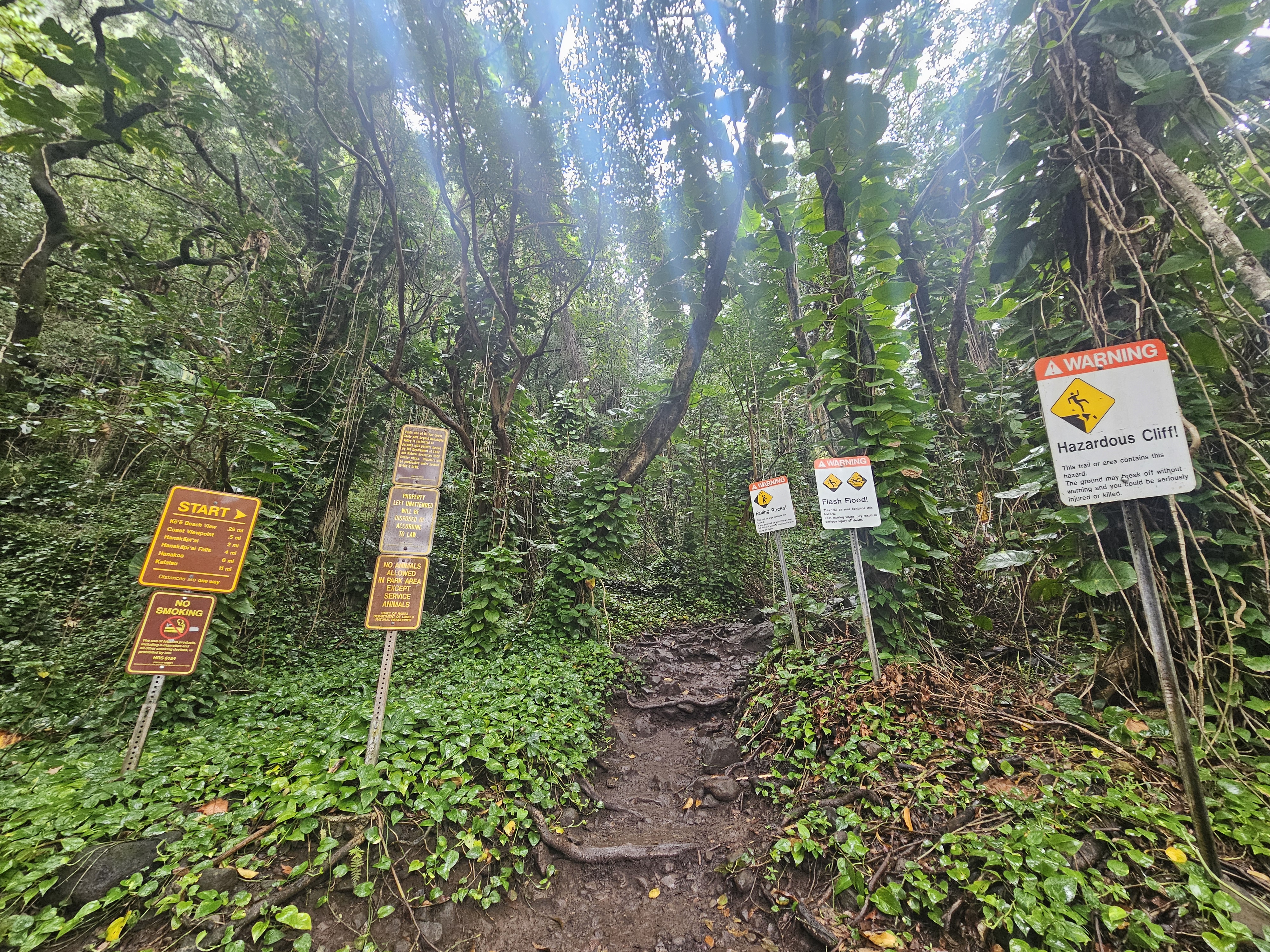
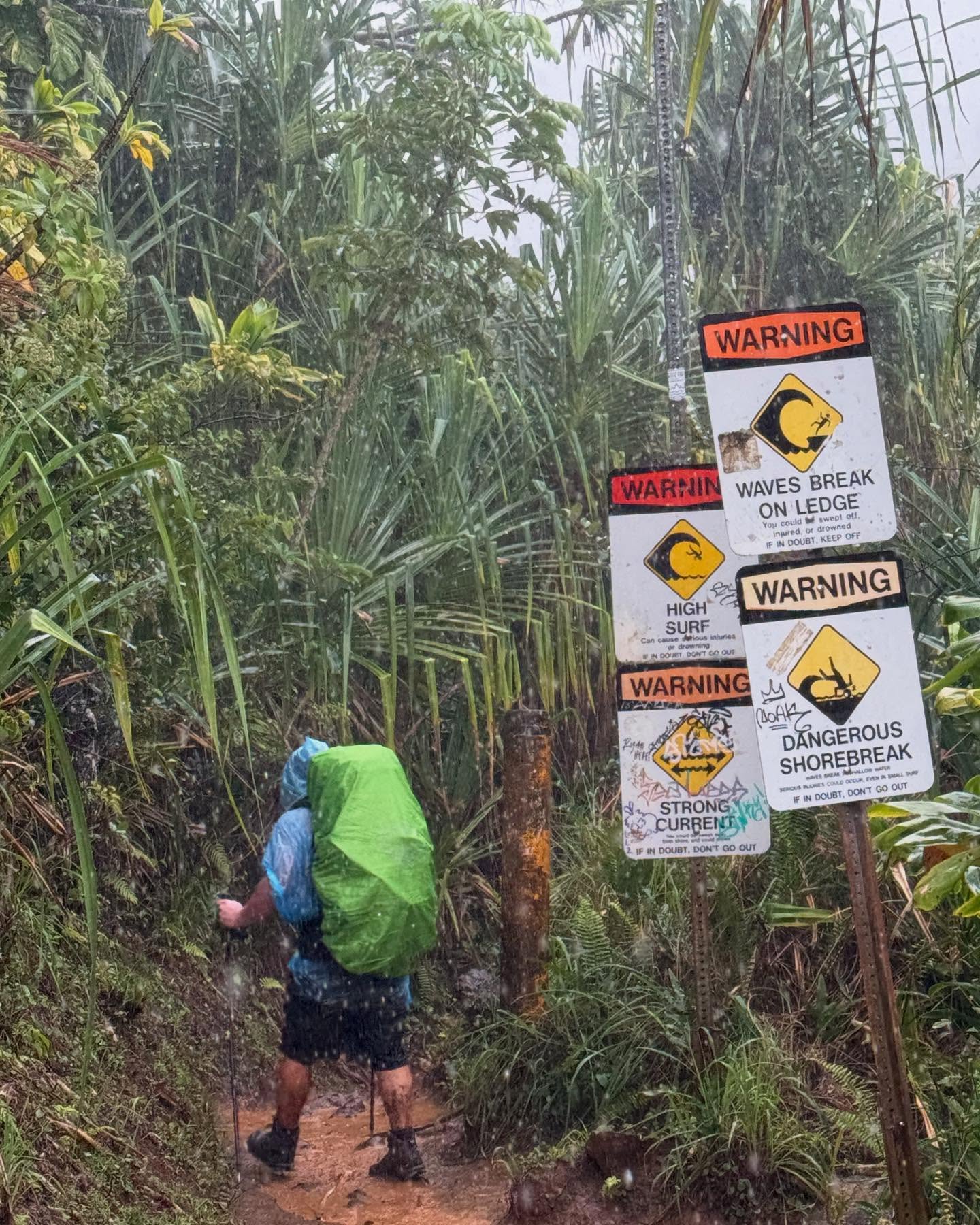
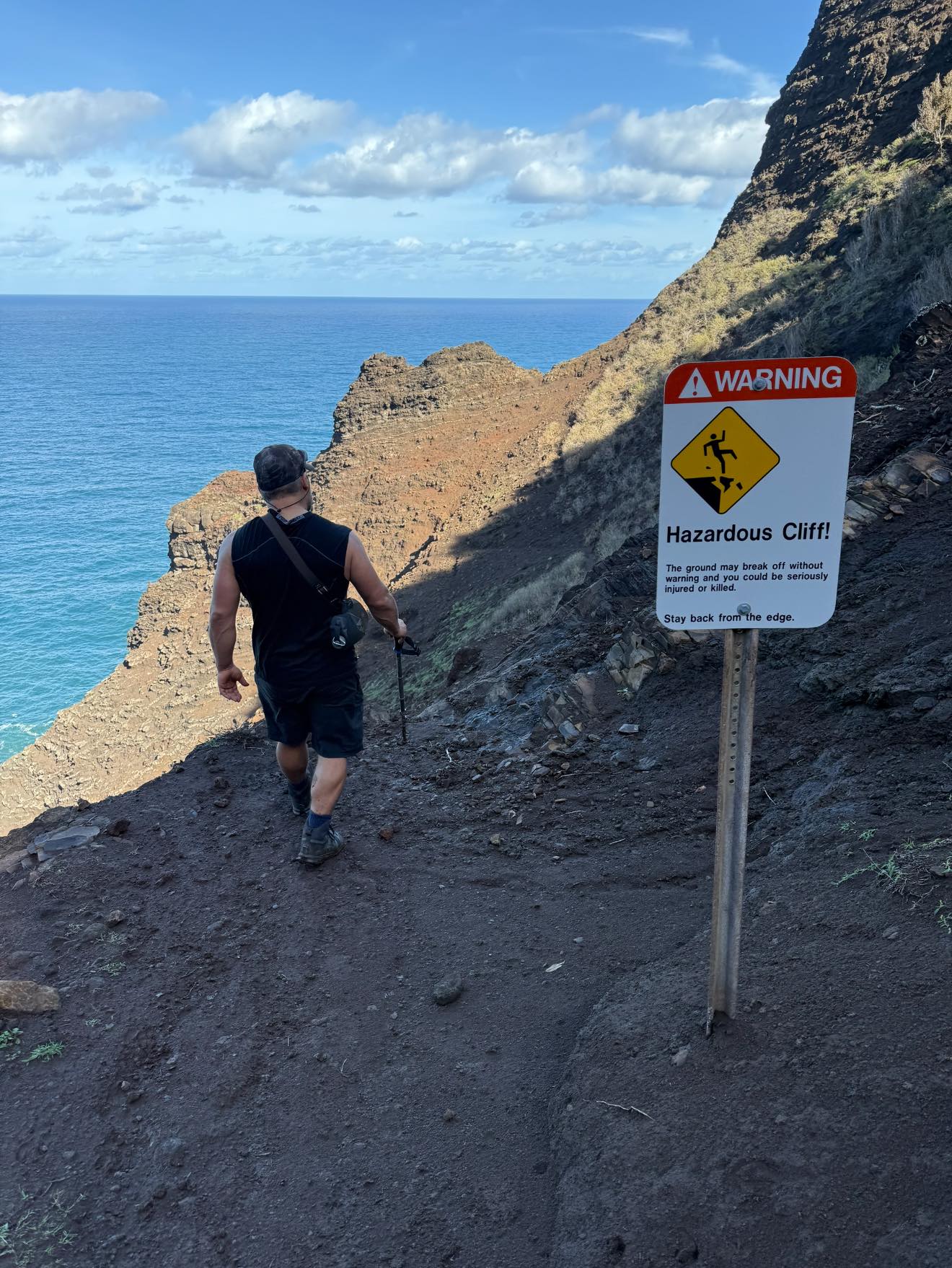
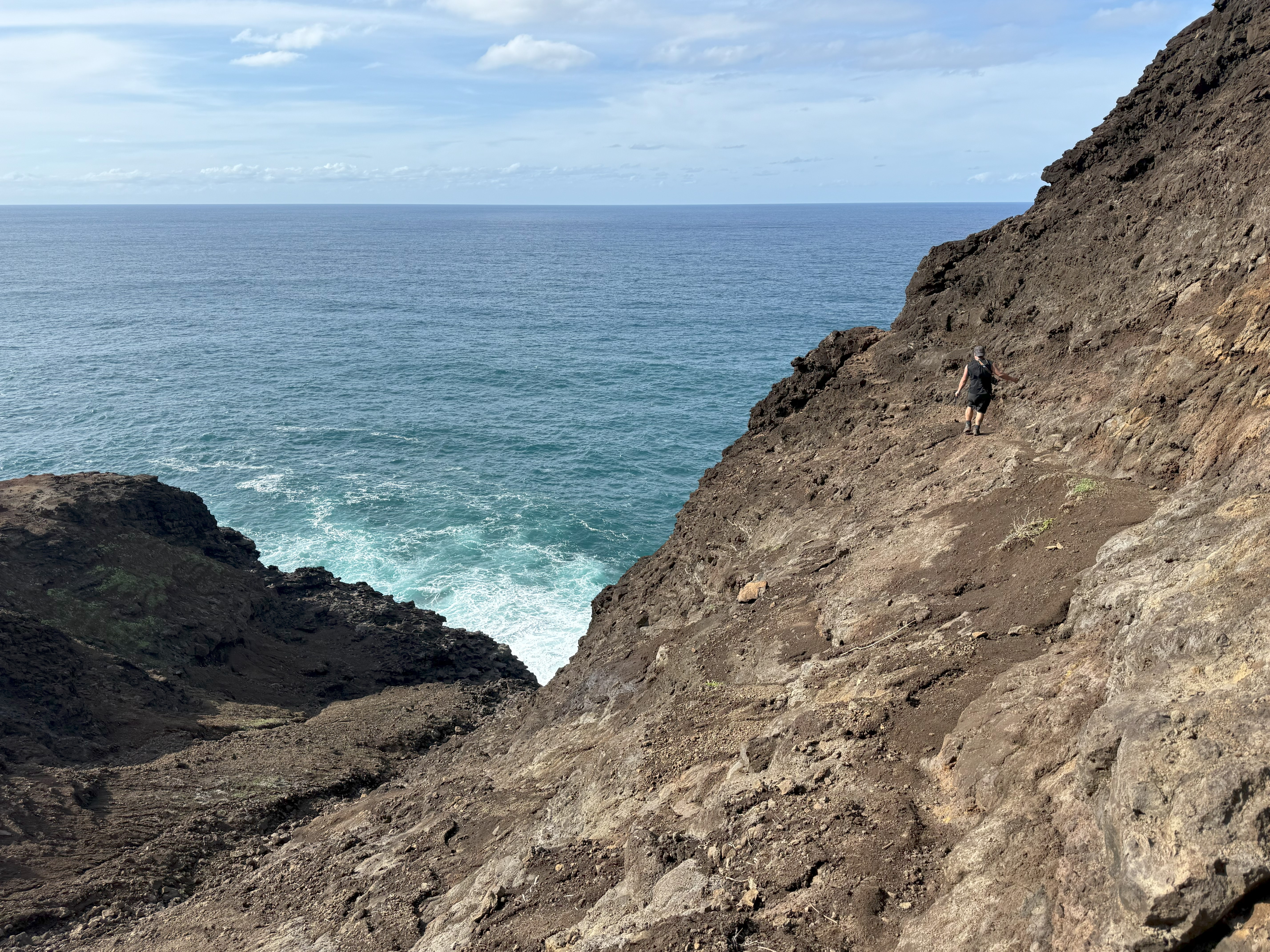
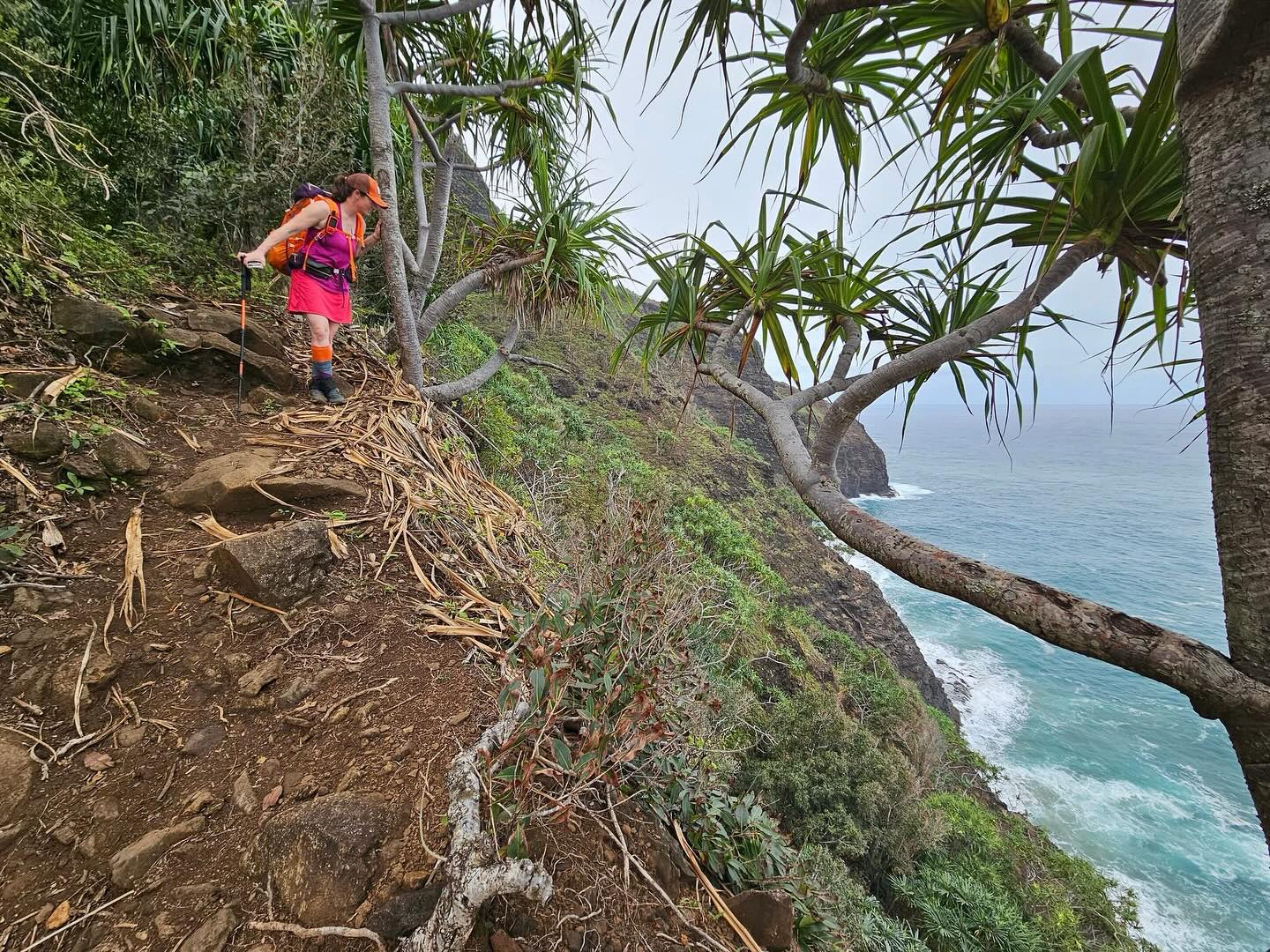
The following morning, I set out, not willing to turn back over fear. At this point I had met another solo hiker, and we traveled together. Not far beyond Hanakoa, I turned the corner and there it was. Crawler’s Ledge. I was so much worse than I had imagined, or, more likely, I had just driven myself irrational. A sign with a warning showing a person falling off a cliff did not help. I set off down the switchbacks and around the point where the exposure is the most severe. It was a breezy day, and I could feel the ocean spray on my back as I shuffled along, with my hands glued to the rock wall. I balked for only a moment before I moved quickly forward just to get to safer ground.

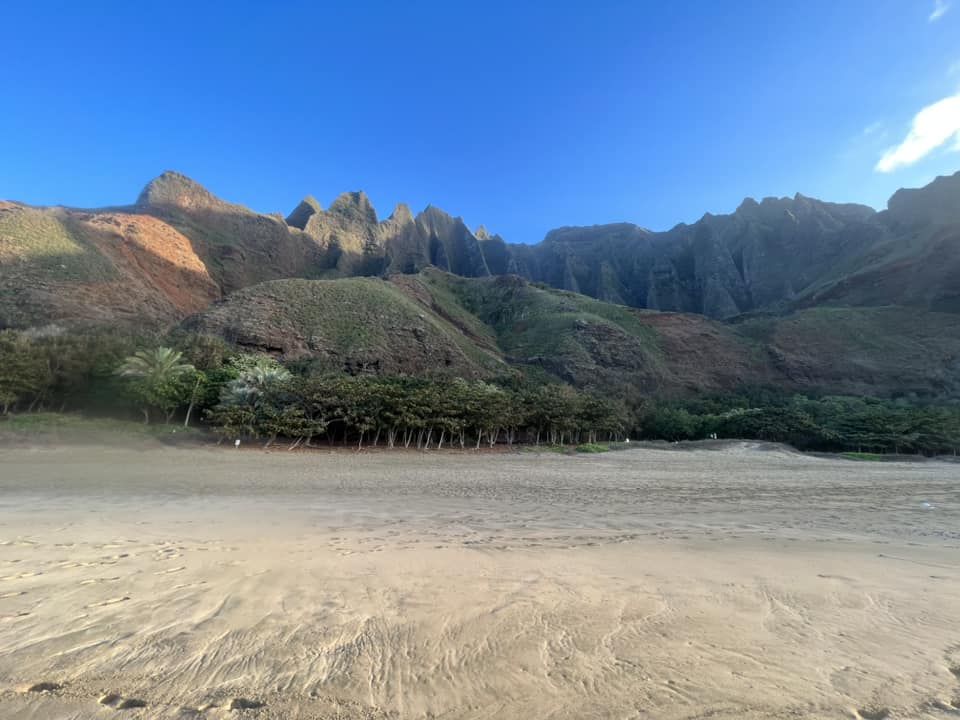
As soon as I reached the other side, I realized I eventually had to go back the same way. I wanted to cry, but moving forward, I was too busy trying to keep myself from losing it… the exposure and washouts became more than dizzying, they felt unbearable. I knew I had fucked up. I knew this was beyond my limits. Just when I thought to myself that I couldn’t take it anymore, I came to a crumbling “Kalalau Valley” sign, the “Red Dirt Hill” ramp leading down to Kalalau Stream and, a mile later, the beach. I was crying tears of relief and also of fear about the return.

I found a nice spot in the trees just past the camping area border and set up my hammock, got water from the waterfall, and made dinner. I checked the weather with my InReach, and it wasn’t great… the rain was supposed to move in the following evening. Like the exposure, trip reports and trail descriptions warn of the dangers of rain, and I wasn’t willing to brush this warning aside. Walking along those ledges in the rain was unthinkable.

The ocean was so loud, and my stress level was so high that I knew I had to get out of there the following day. Although I was disappointed that I wasn’t going to be able to explore Kalalau Valley, I knew it was the right choice. I would make my way back to Hanakoa, salvage one of the nights I sacrificed, and hike out the next day.

The next morning, I woke, packed and headed out with a couple from Montana who had also made the hard decision to leave early because of the forecast. I felt a little better knowing that if I fell off a cliff, these folks would at least be able to share my fate with my family. From Kalalau to Crawler’s was a blur; I don’t remember much and must have been in state of survival mode, but I do remember the husband taking my pack and bringing it across Crawler’s so I could travel the narrow precipice unimpeded.

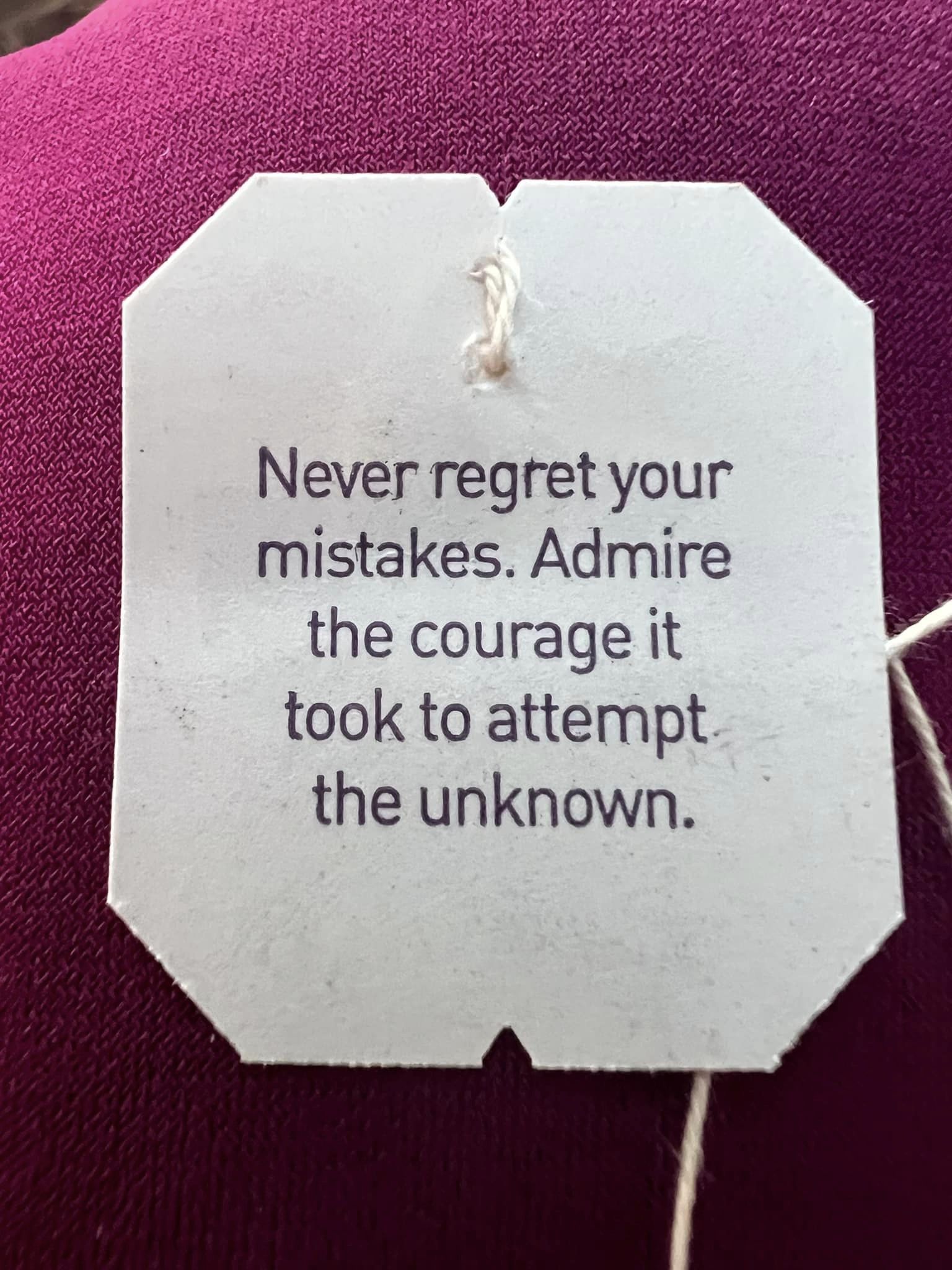
We made it safely to Hanakoa and the couple continued on to the trailhead. I later found out that both of their headlamps had failed, and they had to walk the last couple of miles in the dark. I camped alone in the jungle, but I had no fear. My evening tea had a message that struck a chord, and I had made it back beyond the worst of the trail. I slept like the dead, even as a steady, light rain developed and continued into the morning.

Walking back from Hanakoa to the trailhead was uneventful, although it was lightly raining for the first couple of miles. I felt accomplished having made it out and back but also ruminated on the embarrassment of having my pack carried for me and for showing weakness. I held onto these regrets for years, always saying I would never, ever go back there.

January 2025

…Until December of 2024. After an extremely successful and fulfilling trip to solo trek the Grand Canyon Rim-Rim-Rim, knew I was ready to redeem myself. Although the trail was much more well maintained, the high exposure of the north rim trail in GCNP was a test of my vertigo and fear of heights. I had quit drinking in February of 2023 and was pushing myself on my local peakbagging outings to explore more challenging and exposed terrain. It all paid off. The vertigo wasn’t rearing its ugly head anymore and I found the GC North Kaibab Trail to be thrilling in a way that brought me extreme joy.

It was time to go back to Kalalau. But this time I was going with a healthy respect for the trail… and a hiking buddy. No more solo Kalalau for me, thank you very much! Less than a week after my return from Arizona, I texted Jason and asked him if he would like to join me for a return trip to Kalalau. He said something about wanting to spend money on new skis, but I cut him off and reminded him how much he regretted turning me down to join me in GCNP. He relented and we spent the next hour making plans and booking flights.

I went to the permitting website and opted for 3 nights, which would give us some flexibility if we had any delays, as January is the rainy season. I’ve seen many a trip report of people who regret not having booked extra time and took risks of crossing swollen streams to catch flights. Some never even get on the trail because there is an emergency closure for the one or two nights they have a permit. January tends to still have permits available as little as a month out because of the likelihood of heavy rains and flash flooding. Most people opt for spring thru fall trekking along the NaPali Coast to ensure more stable weather patterns, so permits for these peak months will often be gone within minutes after they open.

I came up with a basic itinerary to fly in mid-day on the 26th, hike the 6.4 miles to Hanakoa, on the 27th we would hike the 5 miles to Kalalau Beach, camp two nights and hike the 11.4 miles back out on the 29th before flying out at 11pm. This would give us the opportunity to explore the Kalalau Valley for a day, an experience that I missed out on in 2023 because of my rush to beat the weather.

I brainstormed all of the contingency plans, knowing that Hanakoa is available for camping “1-night camping (each way),” which offers a safety net in case of bad weather or other issues that may arise.

As the weather forecast began to include the dates of our trip, it wasn’t looking great. I was obsessed. Refreshing the weather app every hour to see it change from sun to rain to sun to rain, although the trend was showing that the rain may win out over the sun. I poured over recent trip reports of people risking their lives to get across streams that were running dangerously high due to the relentless rain. The trail had even been closed for few days by Hawaii State Parks, who deemed it too dangerous for travel due to severe flash flooding and landslides.

Day 1

We boarded our plane early morning on January 26, not quite sure if we would even be able to start the trail, let alone finish it. I was feeling nervous about the weather and the possibility we could be thwarted to get to the beach, but completely comfortable about being on the trail and the exposure that had terrified me only two years earlier.

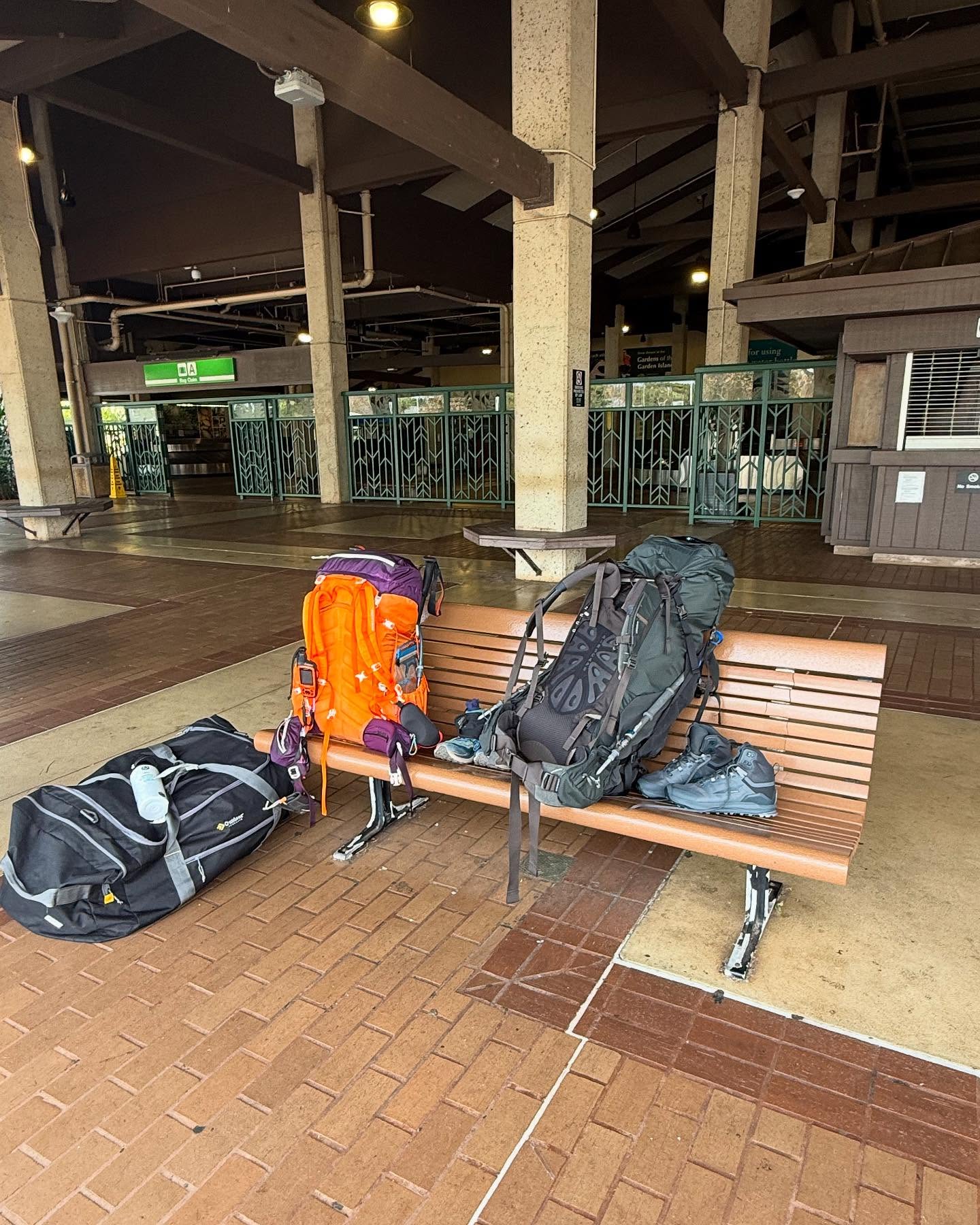
When we arrived in Kauai early afternoon that day, we immediately changed into our hiking clothes and packed our backpacks, as we were getting a ride directly to the trailhead to start our trek out the NaPali Coast. I had booked a ride service with Kevin Schwoebel, who also provides stove fuel, luggage storage, and other services for hikers. He picked us up from the airport, where it was gorgeous and sunny, but that didn’t last long.

We traveled for an hour along the east coast, wrapping up to the north shore of Kauai. It became darker, more ominous, the closer we got, and rain began to fall, but we were optimistic that it would clear up or at least rain only lightly. We couldn’t have been more wrong.

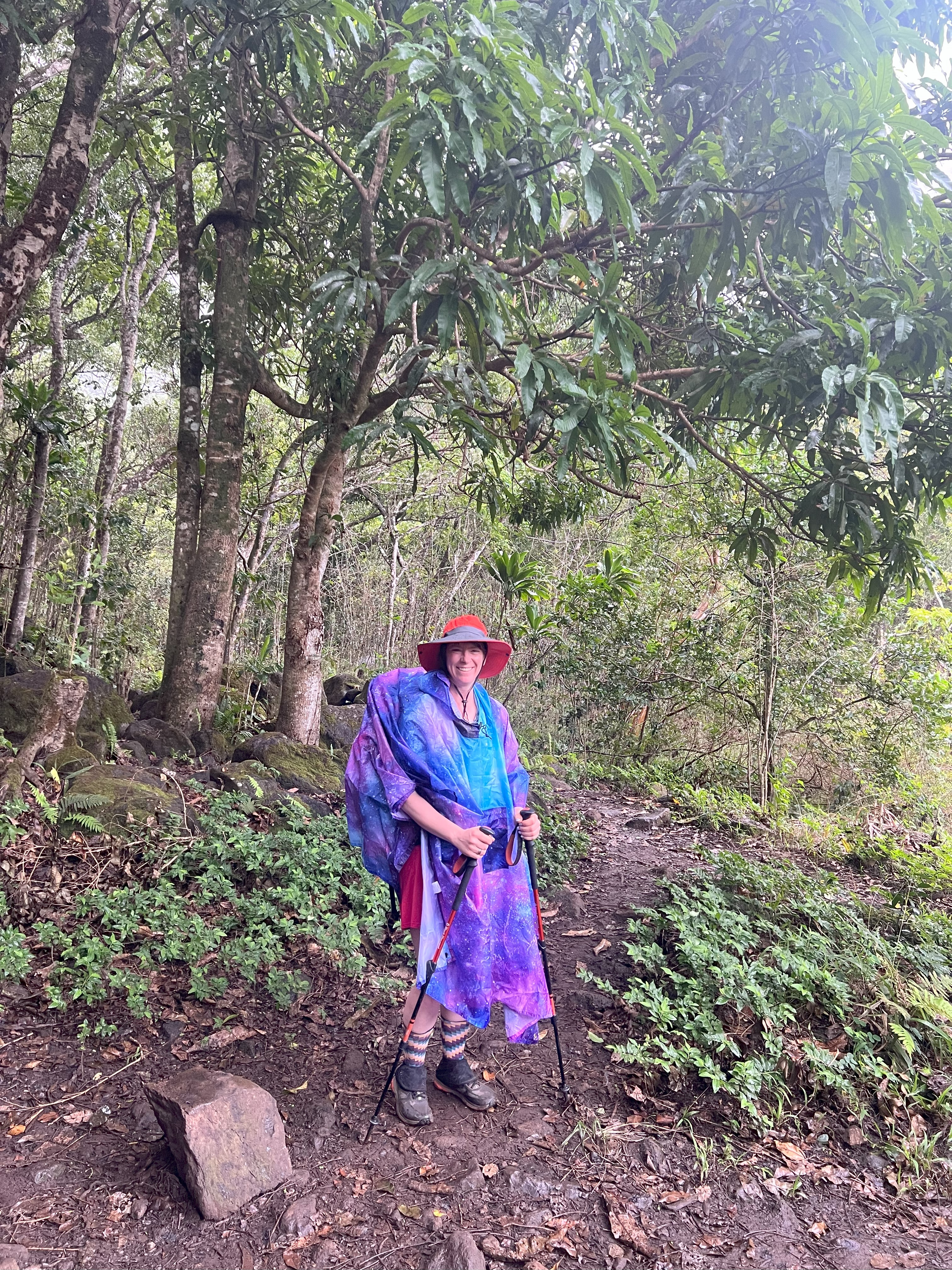
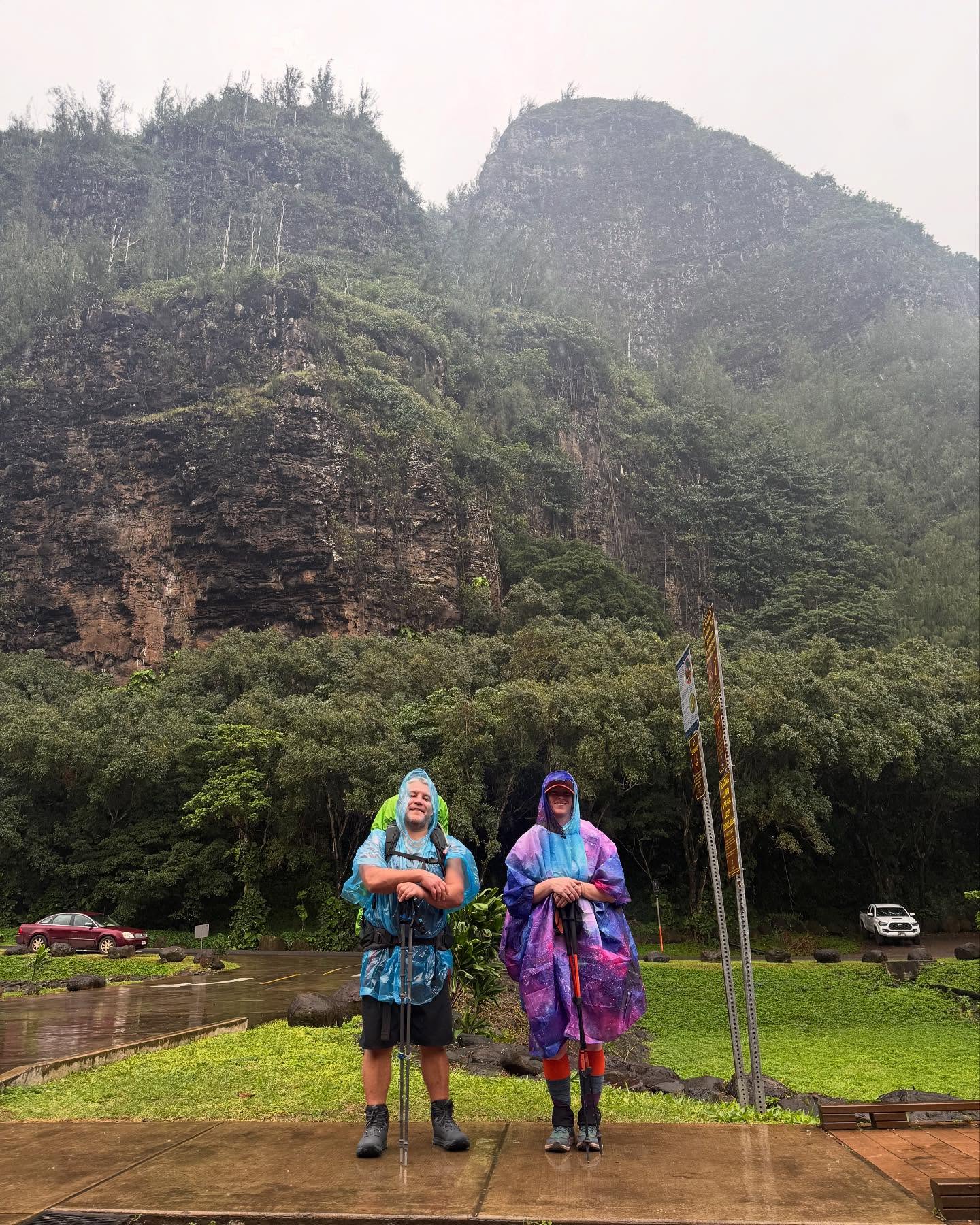
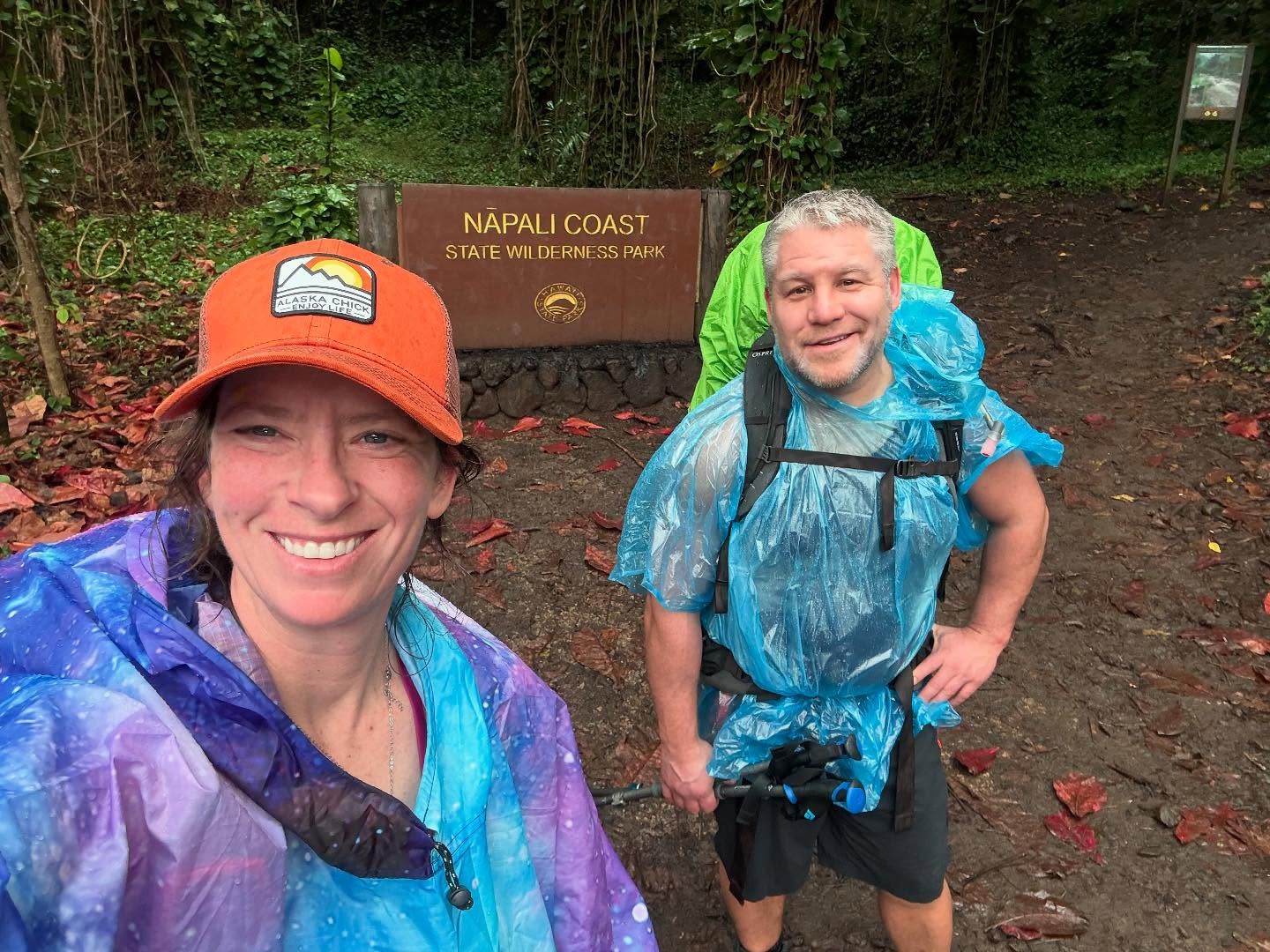
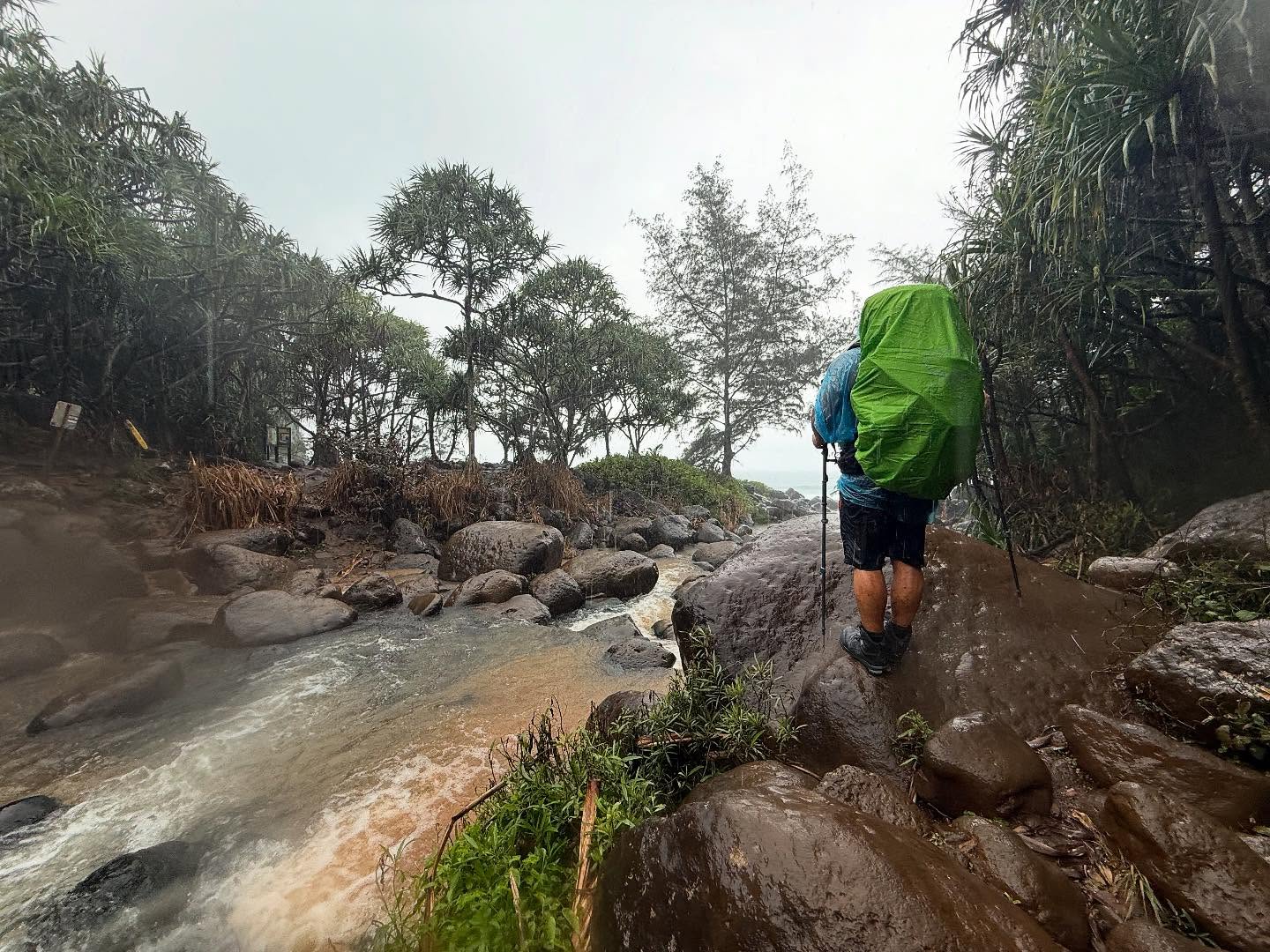
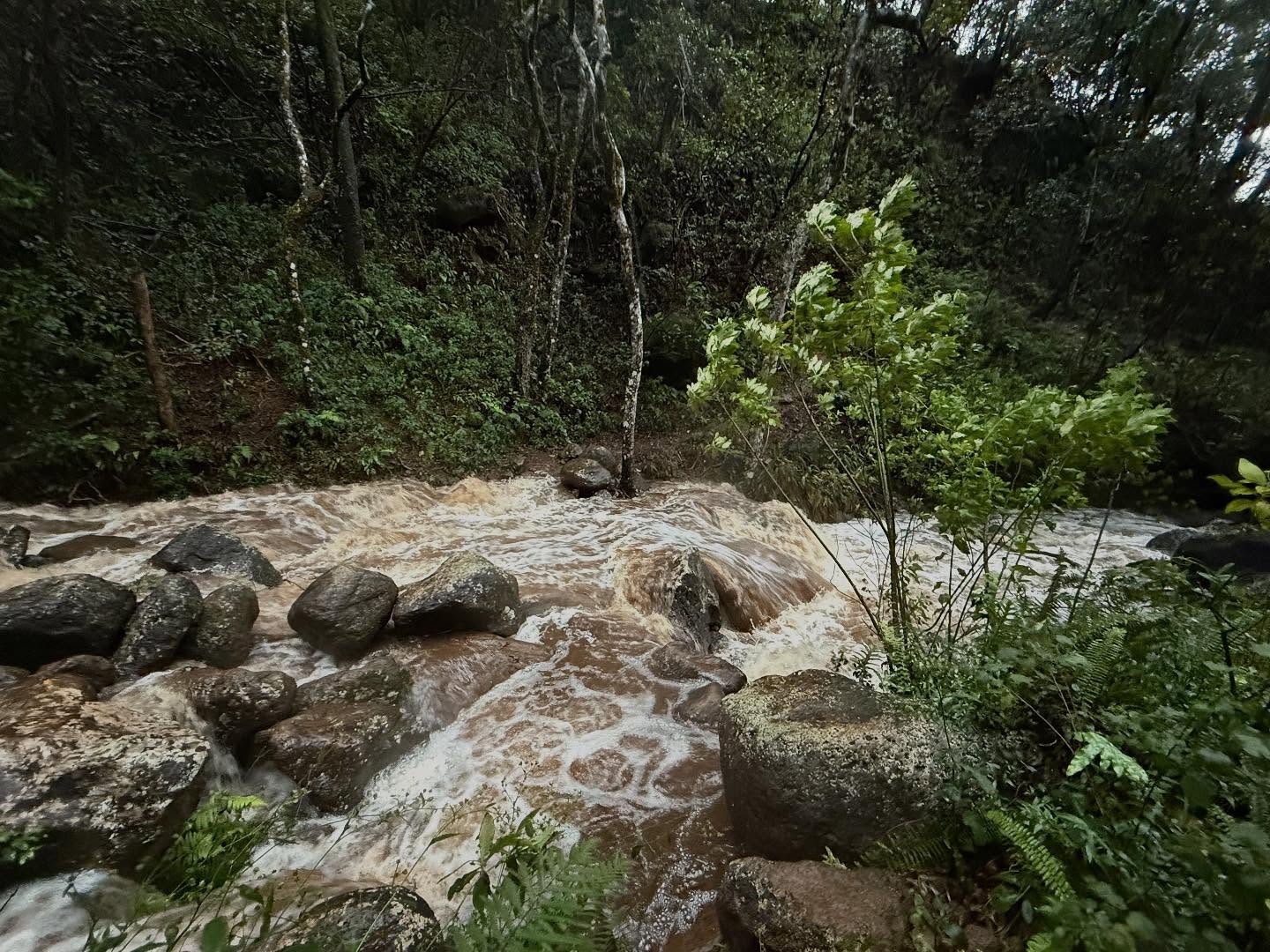
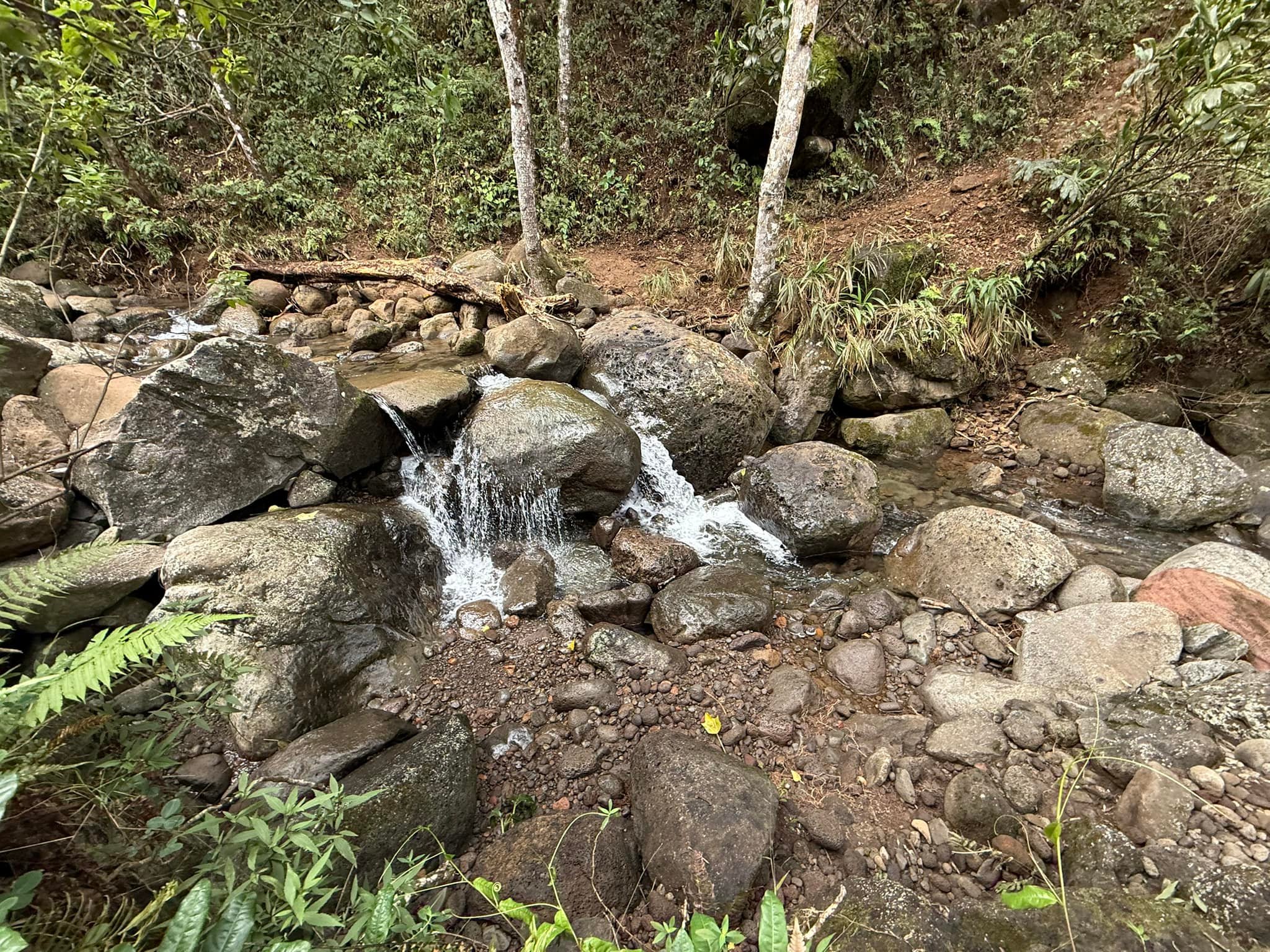
We donned our ponchos and as we started out towards Hanakapi’ai, it began to rain steadily, the wind starting to pick up. A normally busy section of trail, typically packed with day hikers, the first two miles were eerily quiet. We were relieved to see that Hanakapi’ai Stream was passable, although it was starting to have a tinge of muddy water from flash flooding above us. We crossed without getting our feet wet (not that it would matter soon) and turned around to see that the stream level had already risen and what was mostly clear just a few minutes before was now chocolate milk brown.

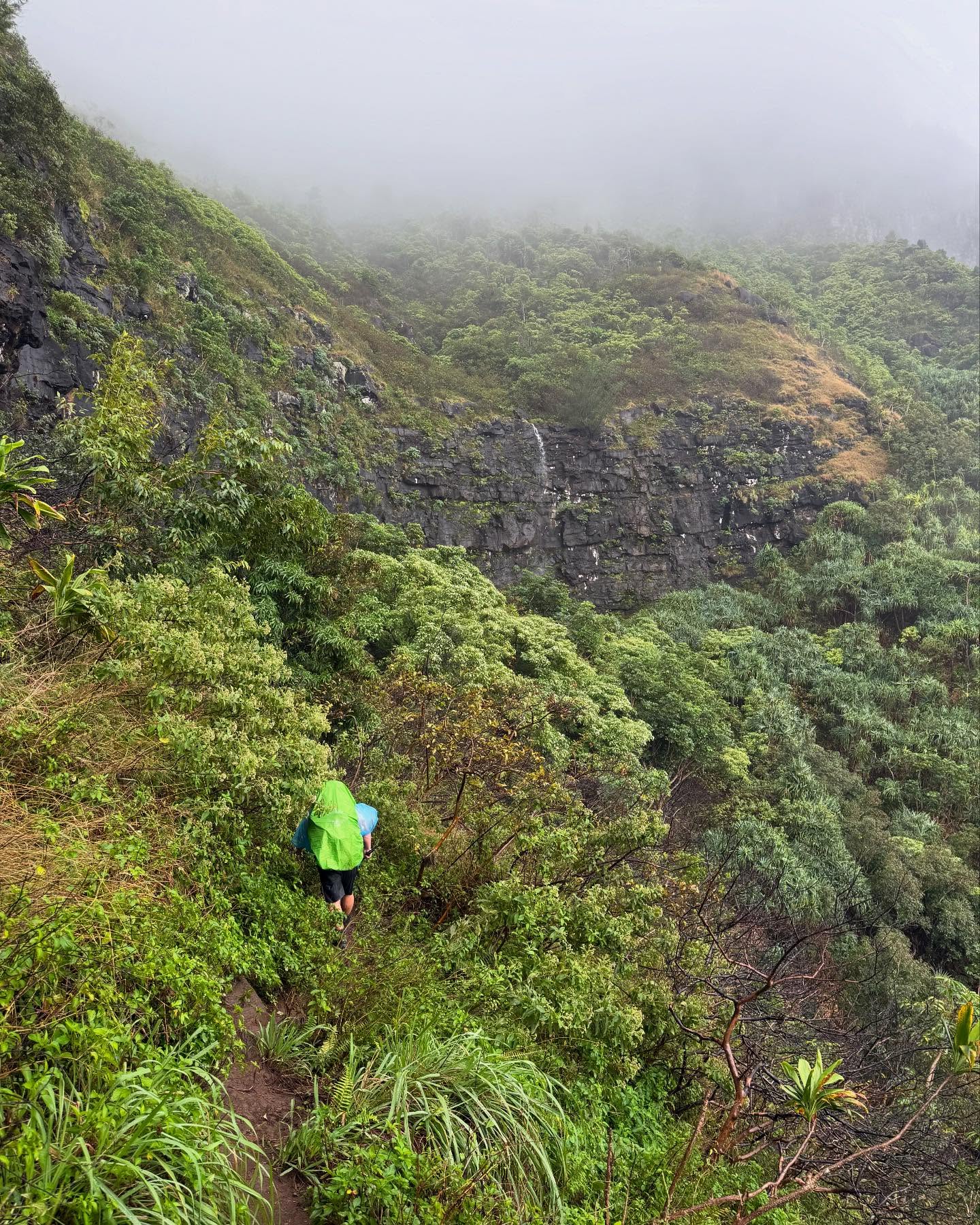
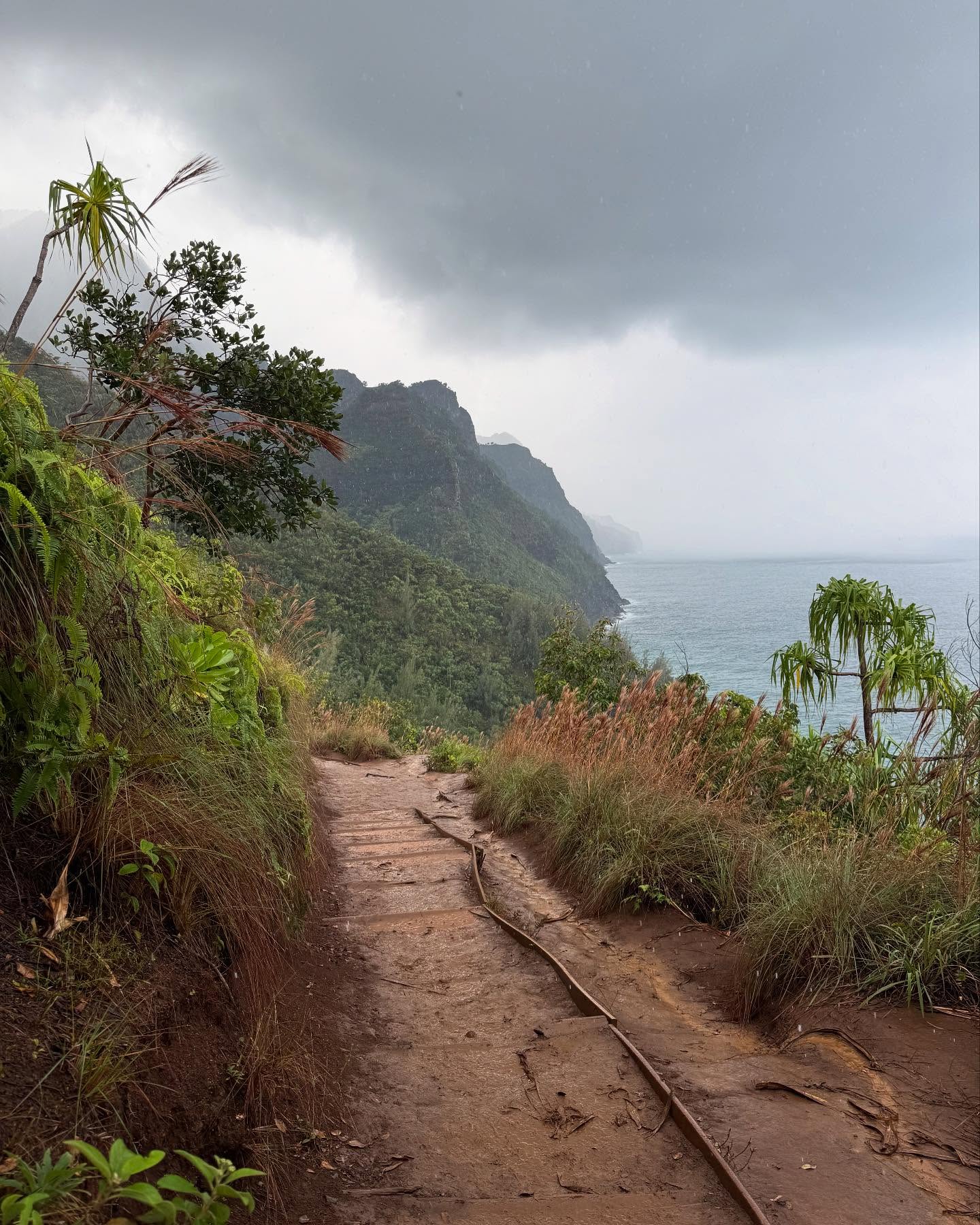
We forged on and were relieved when the rain became a bit lighter, although that didn’t last. Before long we were in a full-on monsoon; it was raining sideways and blowing somewhat fierce, as we picked our way along the Palis. I gave up trying to keep my feet dry and just kept moving forward along exposed sections of trail with greasy mud threatening to steal your footing. Amazingly, I felt great! This time I felt ready and was not at all uncomfortable with the dizzying heights.

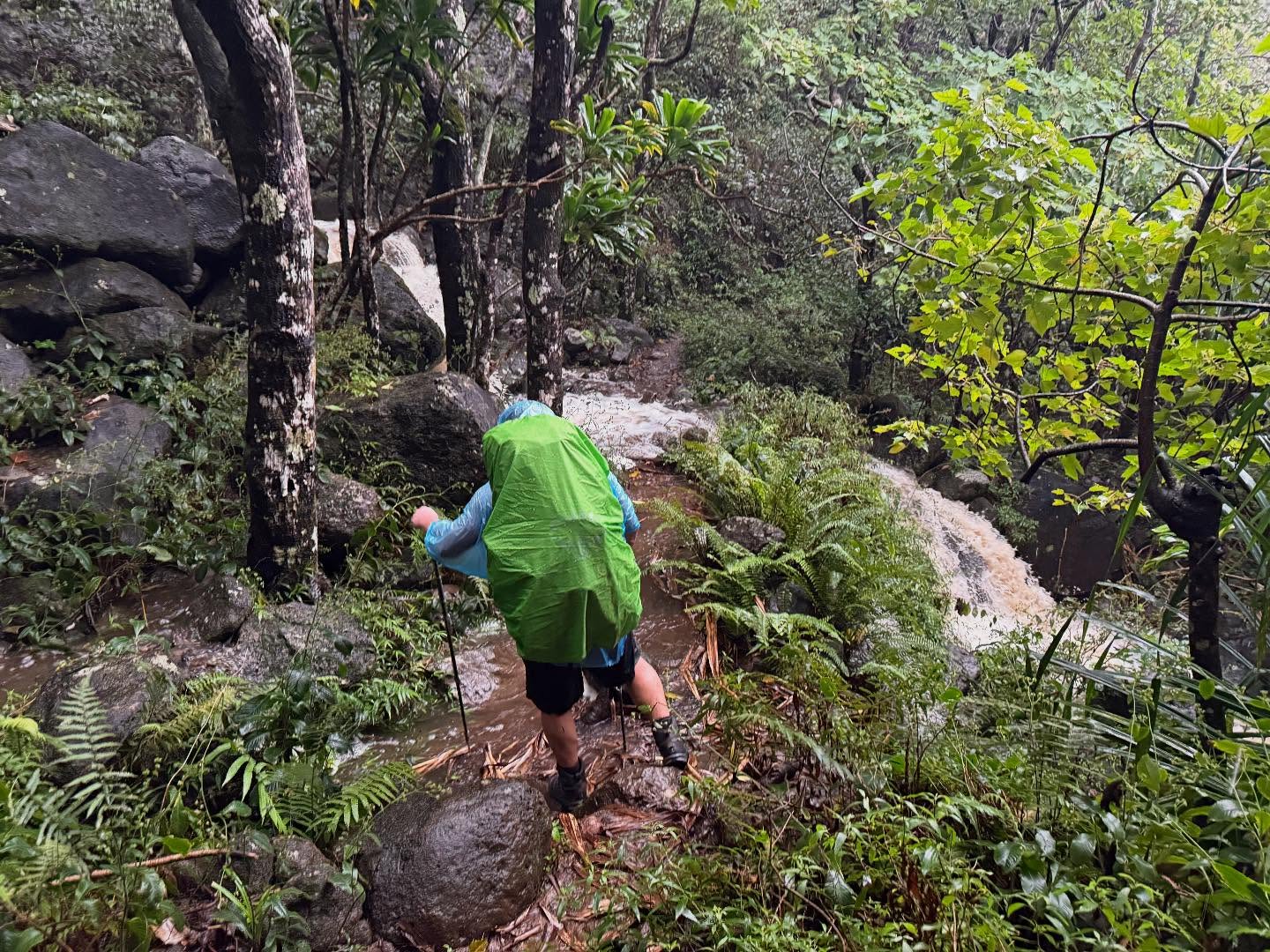
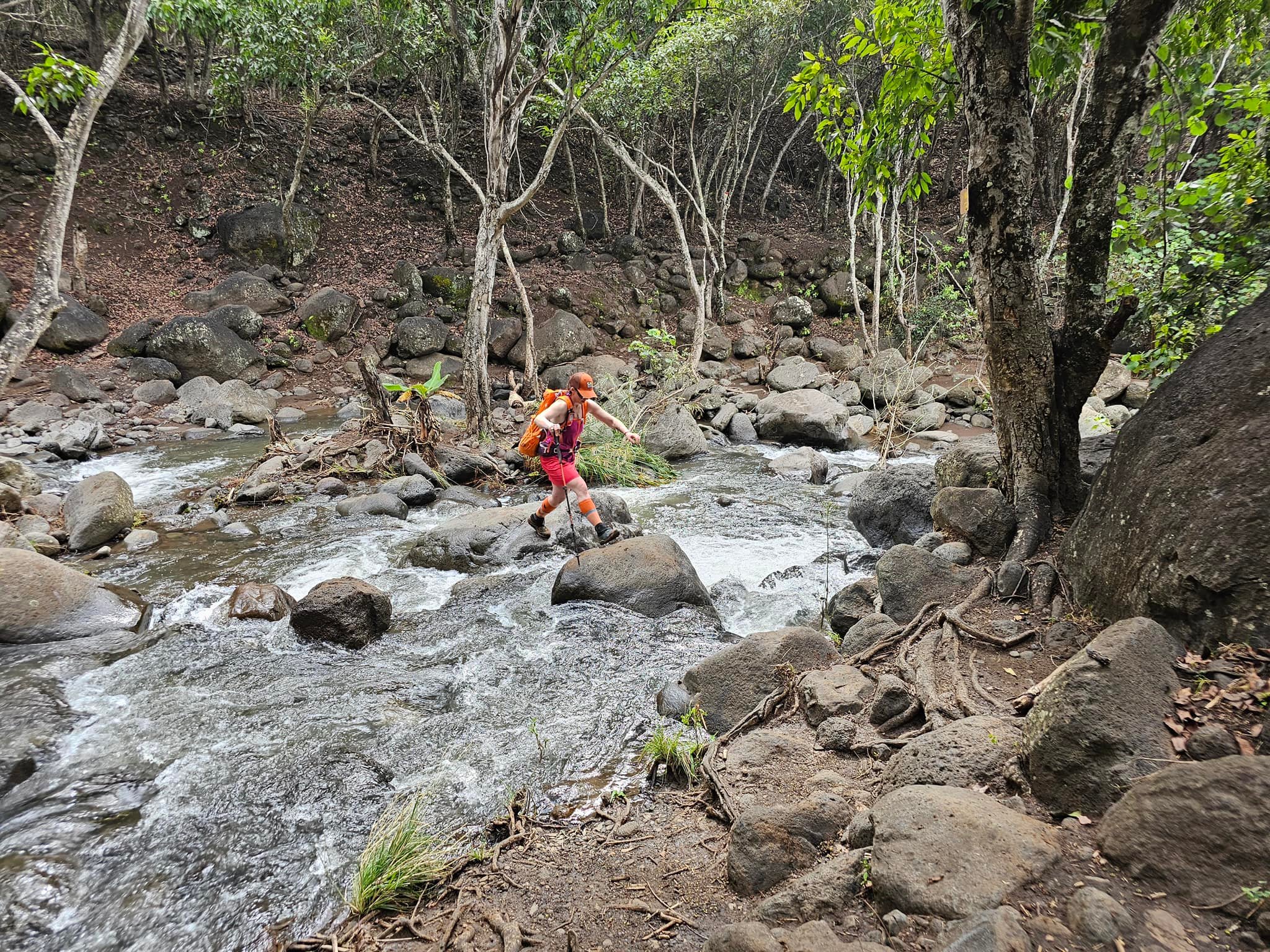
Although it was flowing at a rate that was far more than its typical trickle, we were able to find a way across Ho’olulu stream by rock jumping. It was becoming incredibly obvious that if we had started any later, Hanakapi’ai Stream would have been impassable. At this point we only had one more valley to traverse before reaching our campsite at Hanakoa. A few times we were startled by wild pigs, but they wanted nothing to do with us and ran off into the jungle.

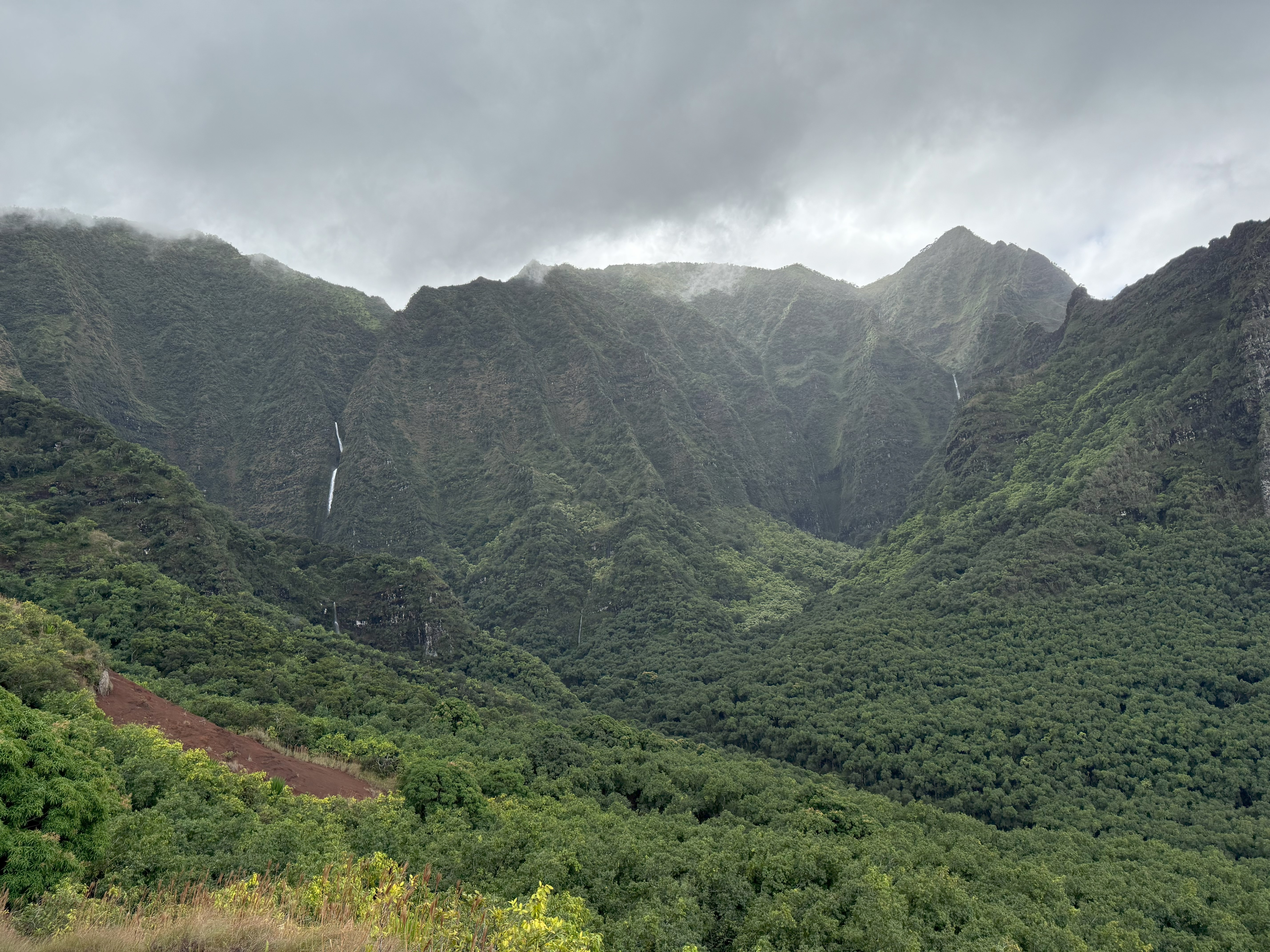
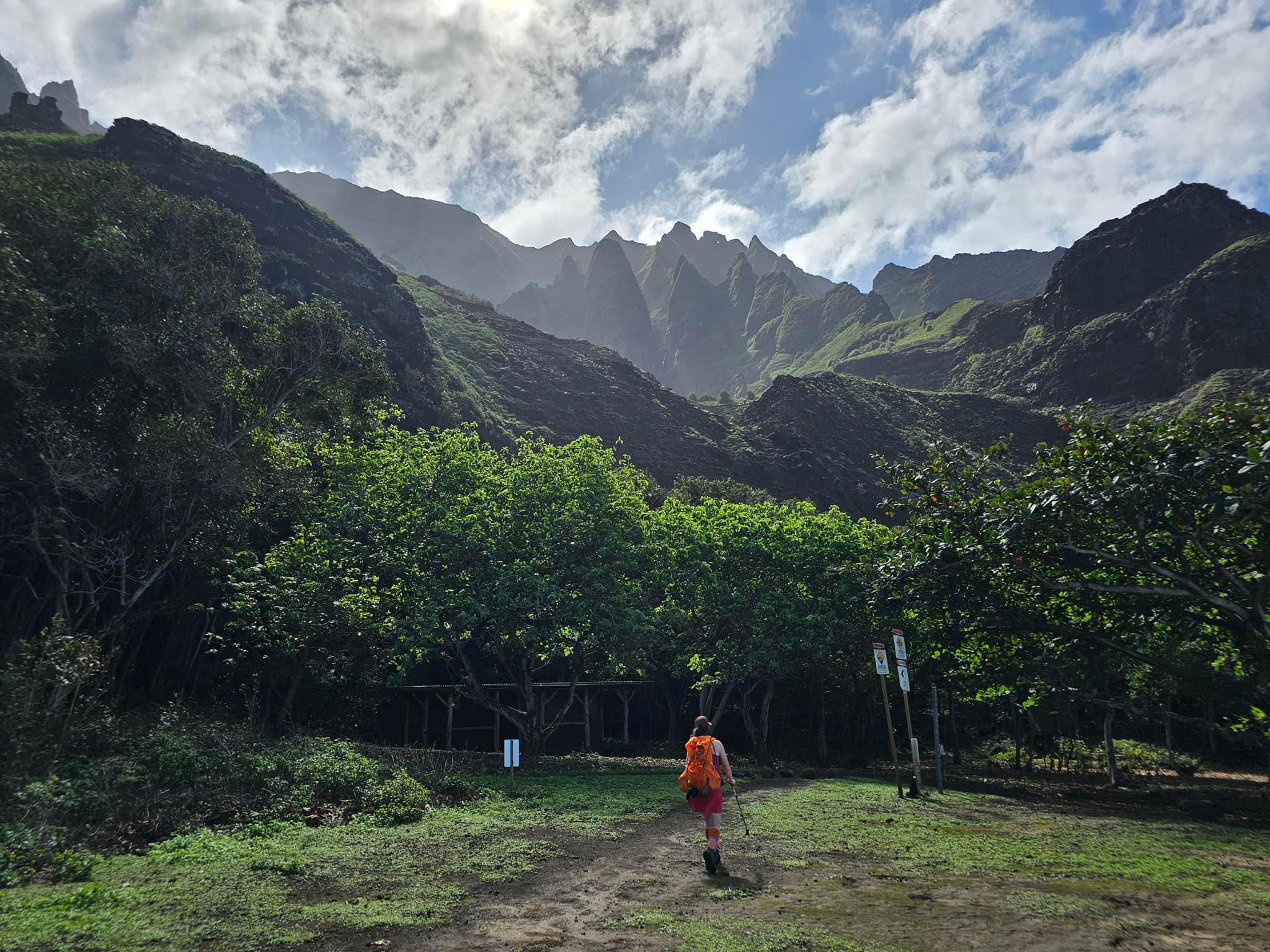
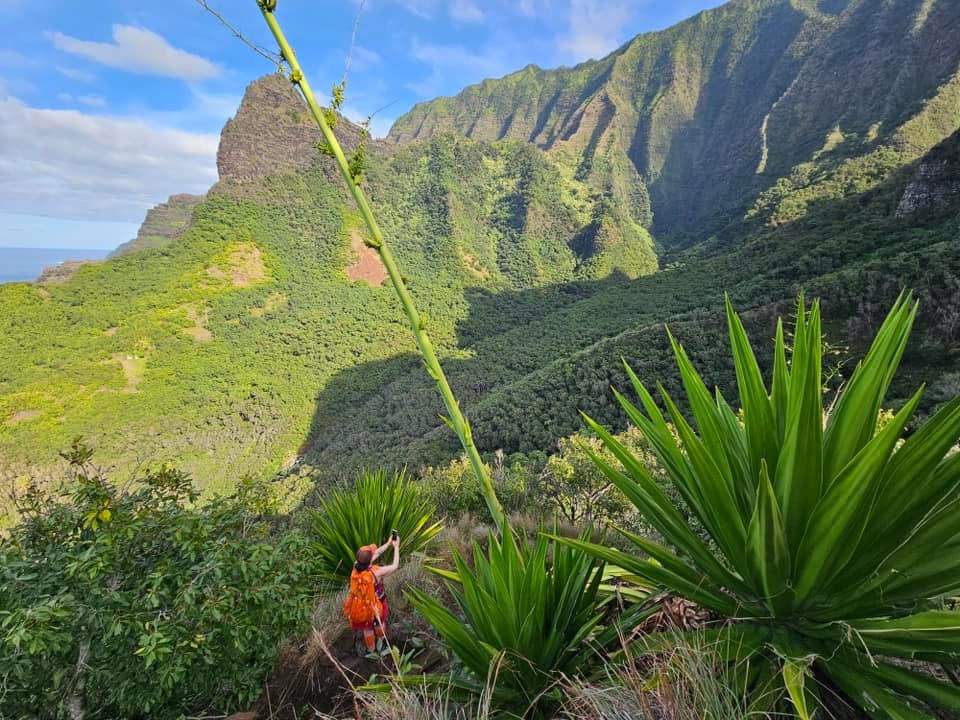
As we rounded the corner from the coastline and into Waihukua Valley, I realized I had never noticed how beautiful this spot was, even in a downpour. Needle-like palis rise vertically along the rim of the valley and the lush greenery was welcome change from the bland colors of a snowless Alaskan winter. We relaxed a little knowing we were close. But Kalalau has way of reminding you to stay on guard…

Monsoon on the Kalalau Trail
Flash Flood at Waihuakua Stream

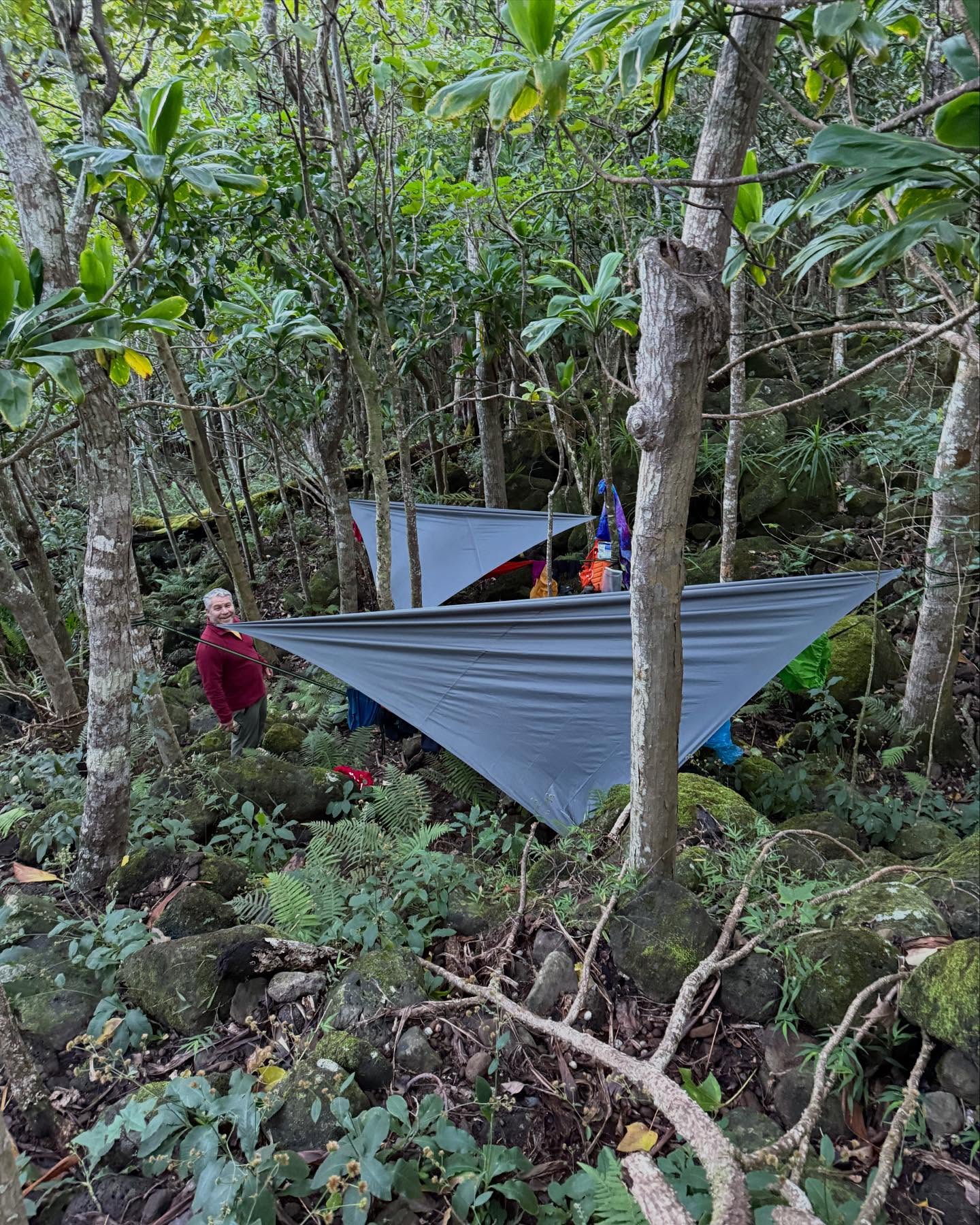
We approached Waiahuakua Stream and realized that we would be risking our lives if we attempted to cross. We were less than a mile and half from Hanakoa, but we weren’t getting any further tonight. And we sure weren’t getting back across Hanakapi’ai. Although permits are only good for camping at Hanakoa or Kalalau, I knew it was wiser to stop and wait as opposed to losing our lives, and I was sure that HI State Parks would agree. As darkness began to fall, we hustled to find a good spot to set up our hammocks, and after a half hour of stumbling frustrated and wet around in the jungle, we were finally set up and climbing into our cocoons.

Not long after we settled in, a couple came by in trail running gear. They had managed to cross the Waiahuakua, but said it was waist deep and still rising. We exchanged some pleasantries, as much as we could in a torrential downpour and howling wind, and they moved on, focused on getting back to shelter. We later heard that they were unable to cross the Hanakapi’ai and spent the night in the composting toilet **(the second time in two treks that I had experience with discovering folks had slept in a composting toilet)**.

Amazingly my gear stayed dry on the hike out with just a rain fly and my poncho draped over my pack, although I should have used a contractor trash bag to line it because I think I just got lucky. I struggled to make dinner under my rainfly but stayed true to my routine and even had a cup of coffee as Jason and I attempted to communicate by screaming over the wind and rain.

I felt bad bringing him out here. I didn’t think he was impressed. But surprisingly, I was having a blast. Nothing like being tested by Mother Nature to know what you are capable of. Honestly, I was very pleased with our progress in some awful conditions. I slept soundly through the monsoon.

Day 2

The next morning, we woke to a completely different atmosphere, windless with sun poking through the trees. I hustled down to the stream to see if we could cross and continue on. Surprisingly, it well below its previous night’s levels and easily crossable!

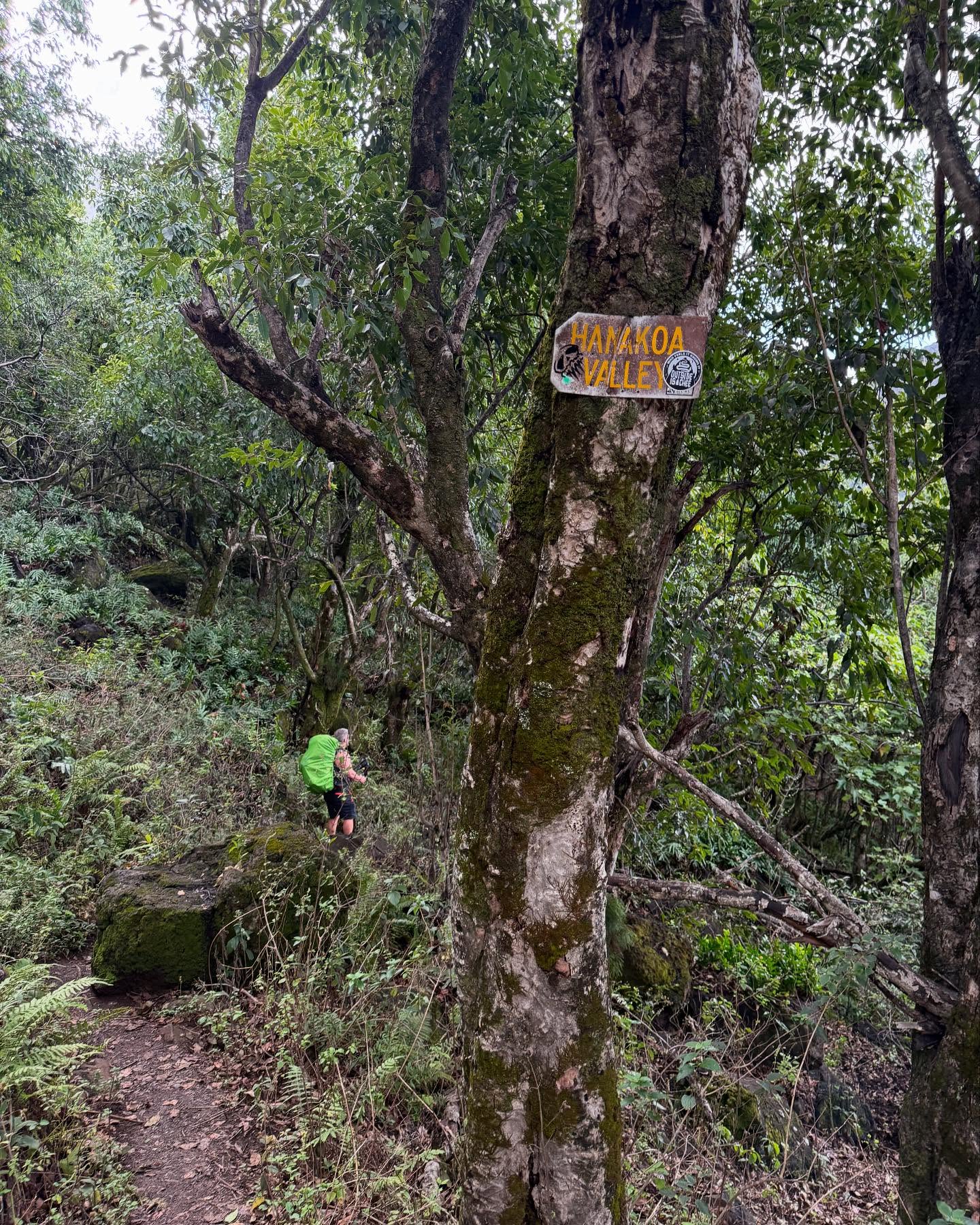
I ran back up and reported to Jason. We packed up and continued on, a quick hike around one last Pali and into Hanakoa Valley, where we came upon the camping area, just beyond the mile 6 marker, complete with a composing toilet and sheltered picnic table.

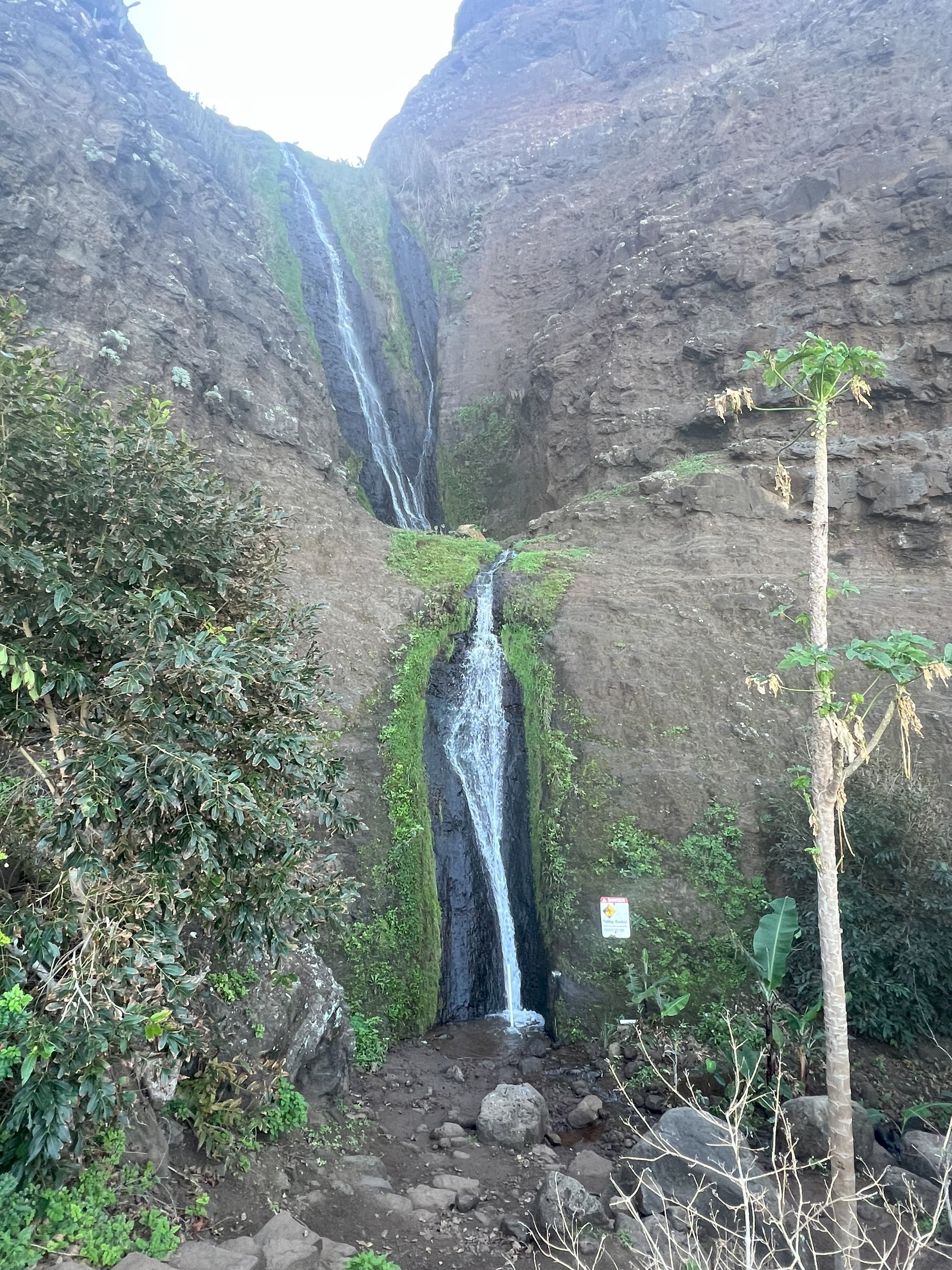
We stopped to regroup, dry out and have something to eat before heading out to Kalalau Beach, but first we reconned Hanakoa Stream, which was found could be easily crossed. As we ate and had coffee, laying our wet clothes and shoes out to dry, we noticed that it had been raining up in the mountains and the waterfalls were very pronounced.

We walked back down to Hanakoa Stream to check on the water levels and were shocked to find that the stream had risen by more than 3′ in less than two hours! Once again, we were halted because of a flash flood, and once again we knew we weren’t willing to risk our lives for a trail. We set up camp and enjoyed the day, playing cards and coming to terms with the fact that it was very likely we weren’t going to make it to Kalalau, especially as the forecast was not looking much better for our last permitted day.

As we wrapped up dinner and got into our hammocks, it started to once again downpour and we lost any hope we had of continuing on.

Day 3

We again woke to beautiful weather, and incredibly, the stream levels were back down to baseline. As we ate breakfast, we talked about our hike back out to the trailhead and about sitting by a pool for our last night and day in Kauai. Not what we had planned, but it would do. Honestly, I was a little relieved but also bummed out. I didn’t feel like I got my redemption.

Then Jason proposed we out and back day hike to Kalalau. The weather was fantastic, we hadn’t heard back from our ride about picking us up a day early, and technically we could stay at Hanakoa for another night since our nights were bookending our hike out to Kalalau Beach. Although the intention of the 1 night each way Hanakoa rule probably wasn’t meant to be interpreted this way, we felt like it was legitimate enough of a situation to justify the decision.

We transitioned from our leisurely pace to loading a day pack for the 10 mile out and back. A stove, a water filter system, some food, and a couple of sleeping bags were stuffed into Jason’s pack. Enough for an overnight on the far side of Hanakoa Stream just in case we were stuck on the other side upon our return. We were now well aware of how quickly things can change out here and made sure we considered all of the contingency plans and just in cases.

After easily crossing Hanakoa and stashing Jason’s pack in the jungle, we struck out towards Kalalau Beach. We climbed up out of the valley, towards the coast and in no time we were at the sign with the guy falling off a cliff. I had butterflies but was excited to revisit this place with a clear mind. It didn’t look nearly as bad as I remembered it.

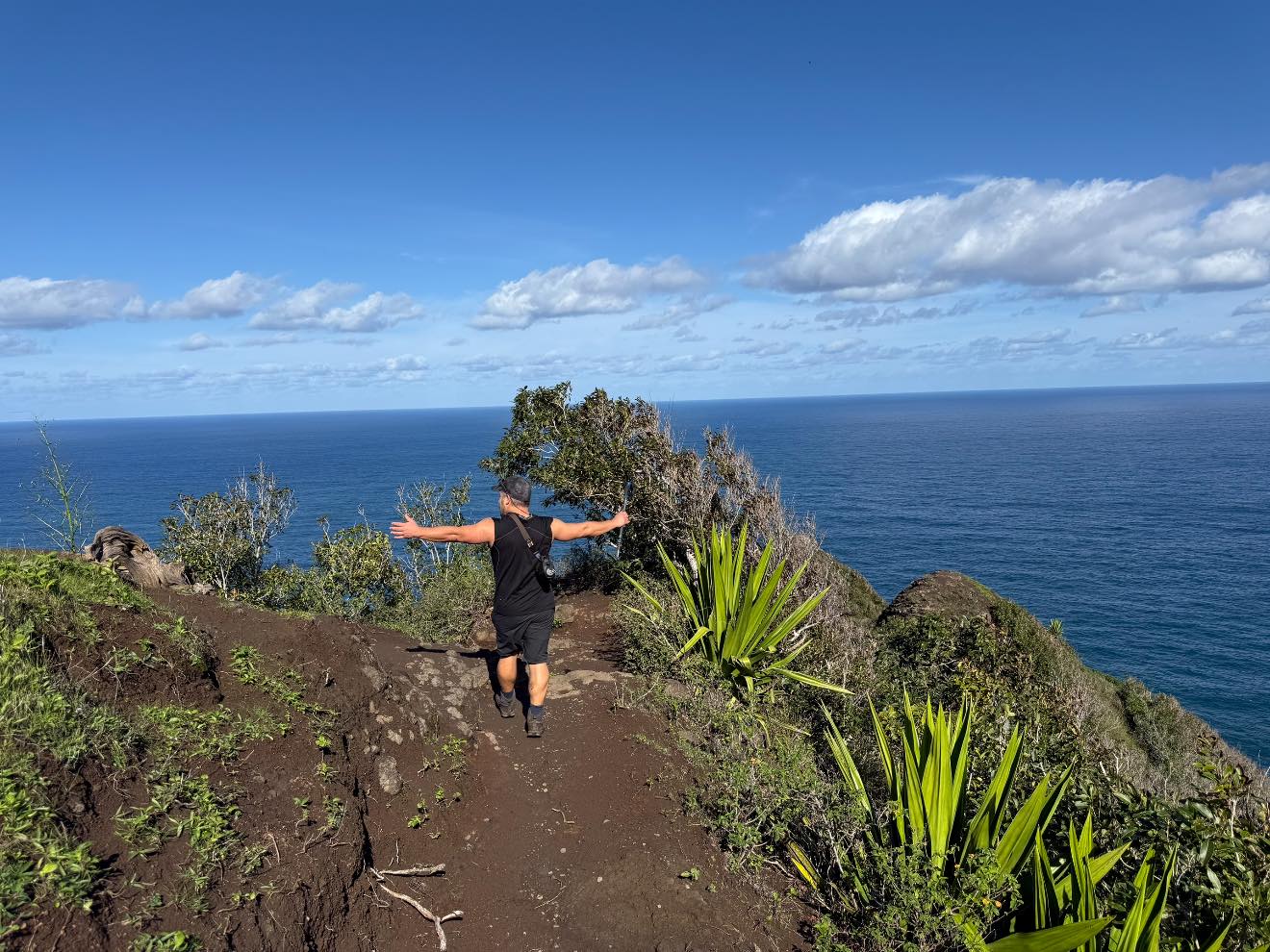
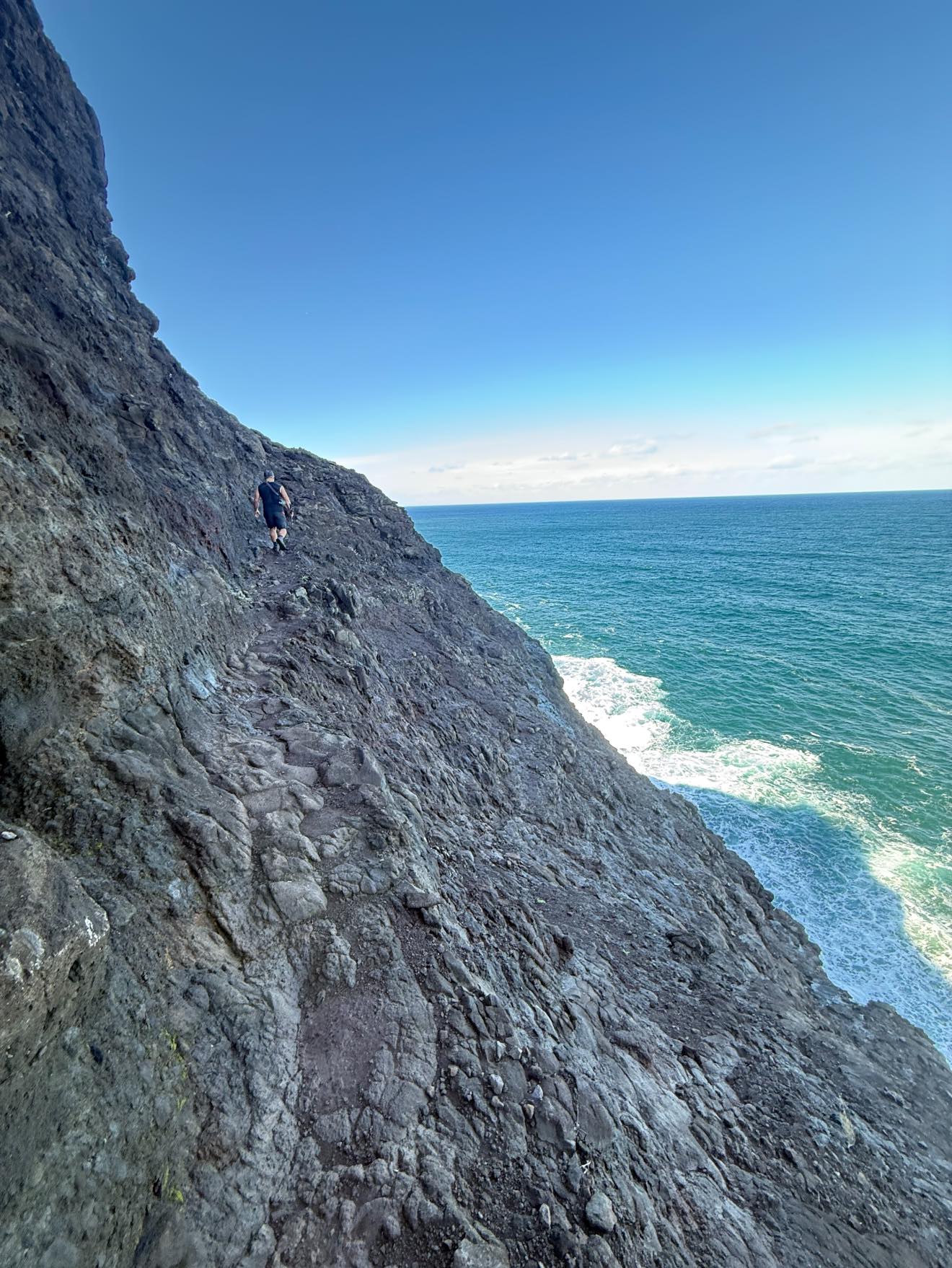
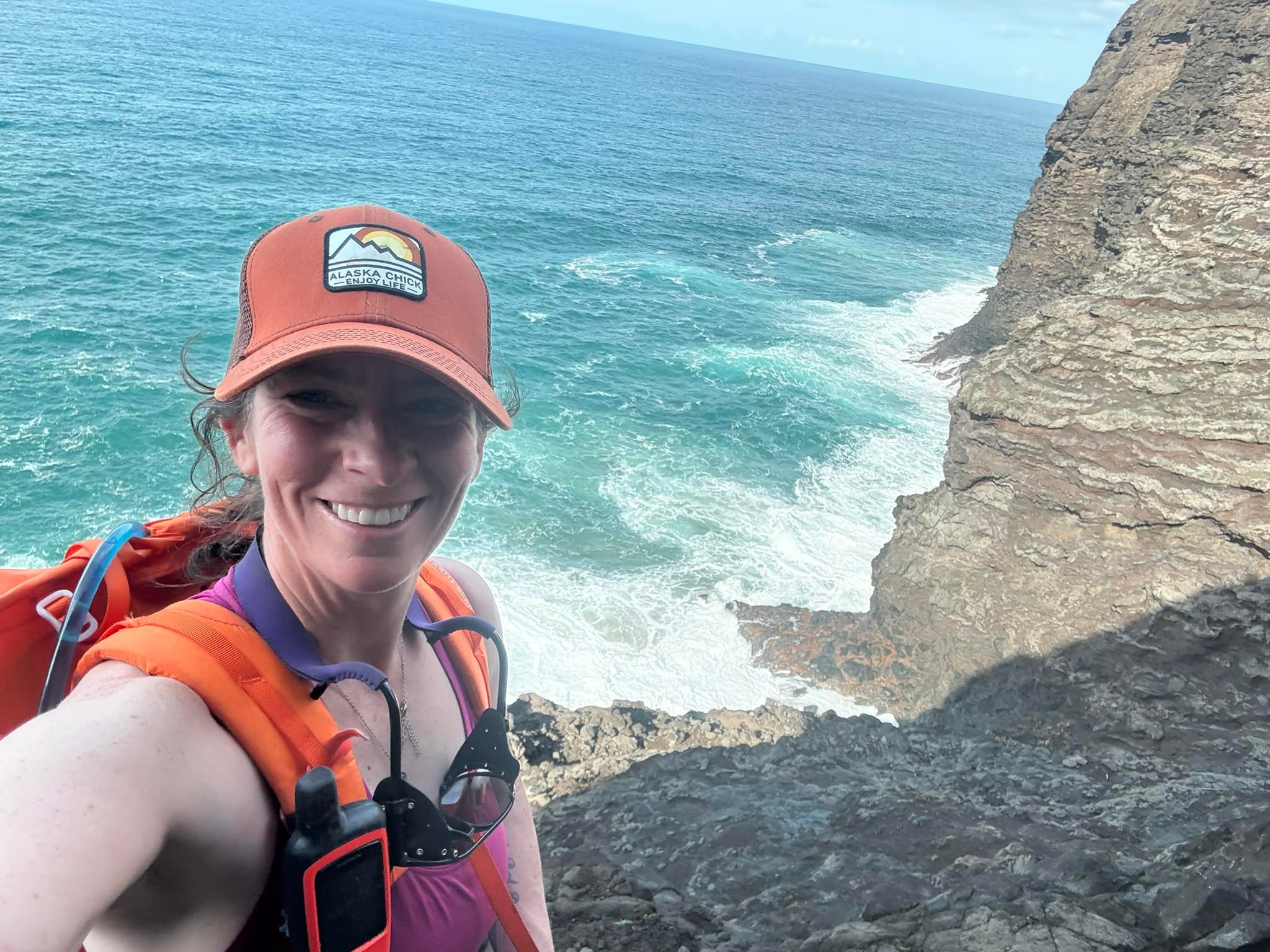
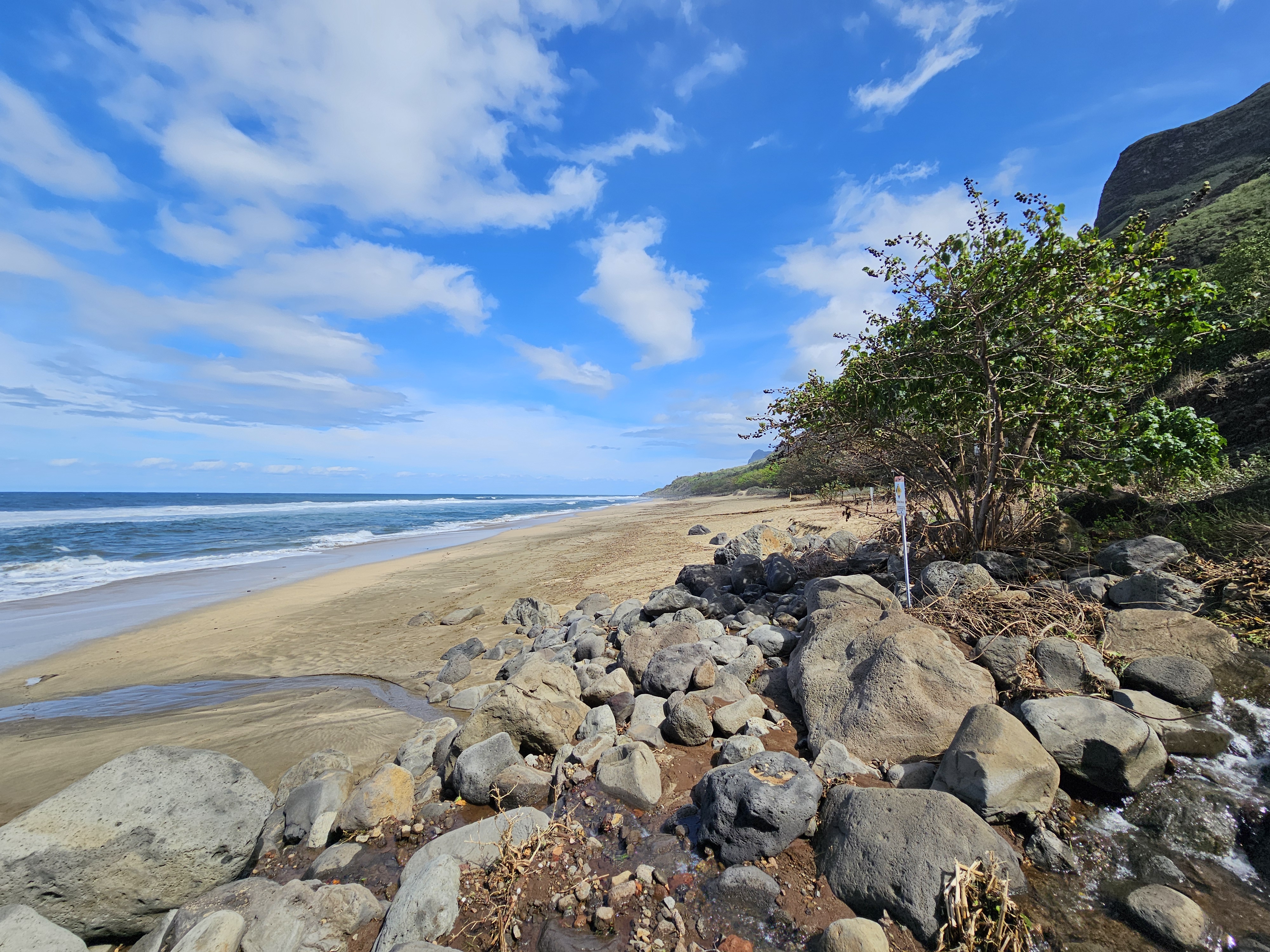
We descended the switchbacks to the ledge and followed the narrow rock path out and around the point. No problem! It felt so much less exposed than I previously recalled, and the rock offered excellent footing. I even filmed most of the way with my phone in one hand, although I put it away before the narrowest section. I stopped mid-way and took in the view and snapped a selfie. I had earned this. I wanted to spend more time on the ledge, to really absorb the gravity of overcoming my fear, but we had a beach to get to, so we moved on.

Crossing Crawler’s Ledge

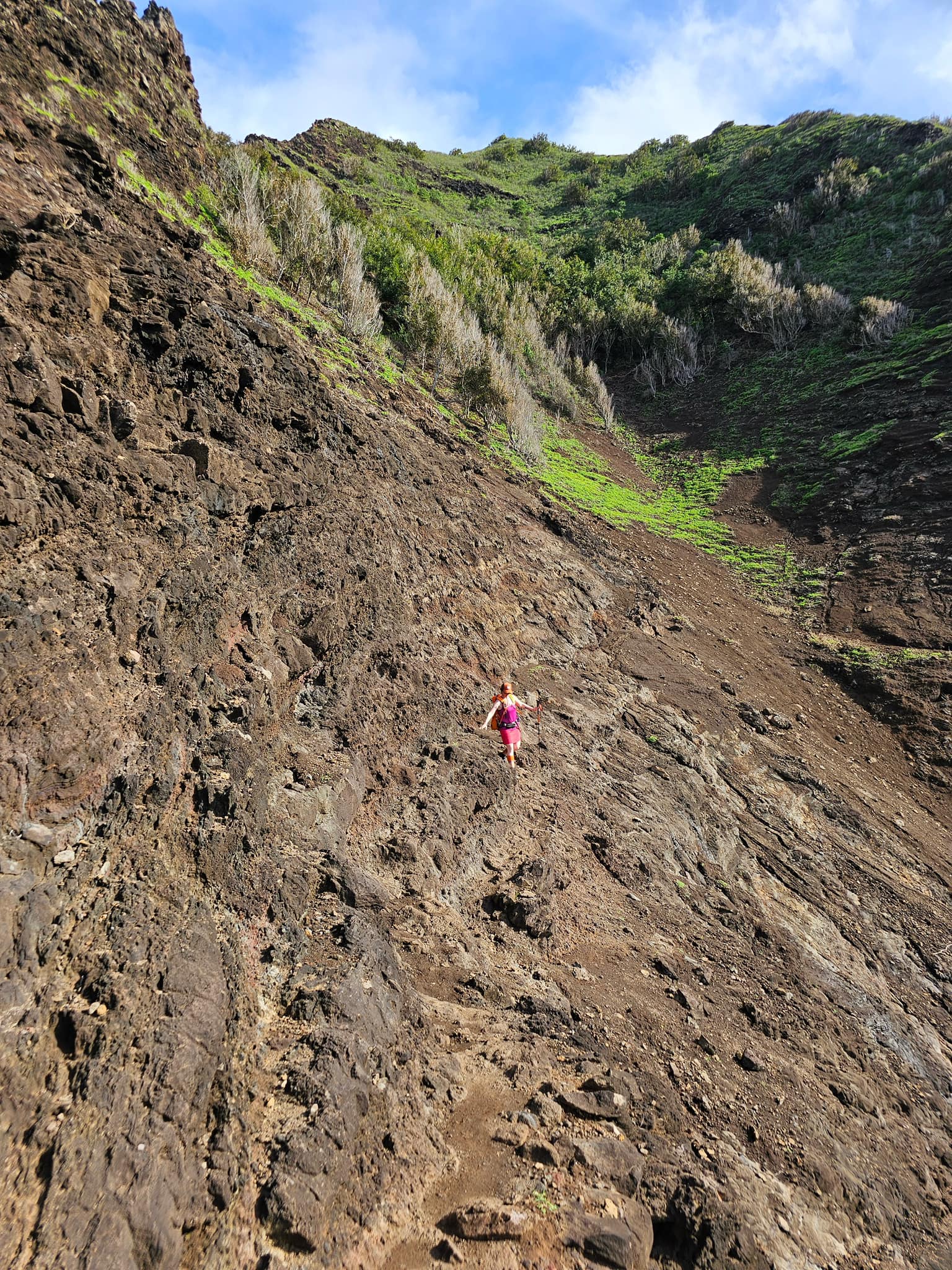
Not far after Crawler’s Ledge, we came to a small nook along the Palis that shows evidence of frequent landslides, loose material and rock strewn down to the ocean. It didn’t have the same angle as it did in 2023 and appeared to be an easy traverse. Jason moved forward as I put away my phone and suddenly a roar from the mountainside snapped us to attention.

I screamed “LANDSLIDE!” as Jason ran back towards me, narrowly missing being hit by enormous boulders and landslide debris. If he had been hit by the landslide, he would have been swept down towards the ocean, likely not a survivable event. I thought back to my solo hike along this section in 2023 when I was oblivious to this danger. I may have even had airpods in. I again realized how stupid I was.

We took a moment to catch our breath, and I was sure we were going to turn back. That was too close… but Jason, was insistent we had avoided the worst of it, so we listened for a while for any additional debris coming down. When we were sure the saturated land had all let go, we ran across the slide debris to the safety of the far side. Looking back and up, we could see where the slide had originated, about 150′ above us, a wide swath of vegetation and hillside just gone. We forged ahead.

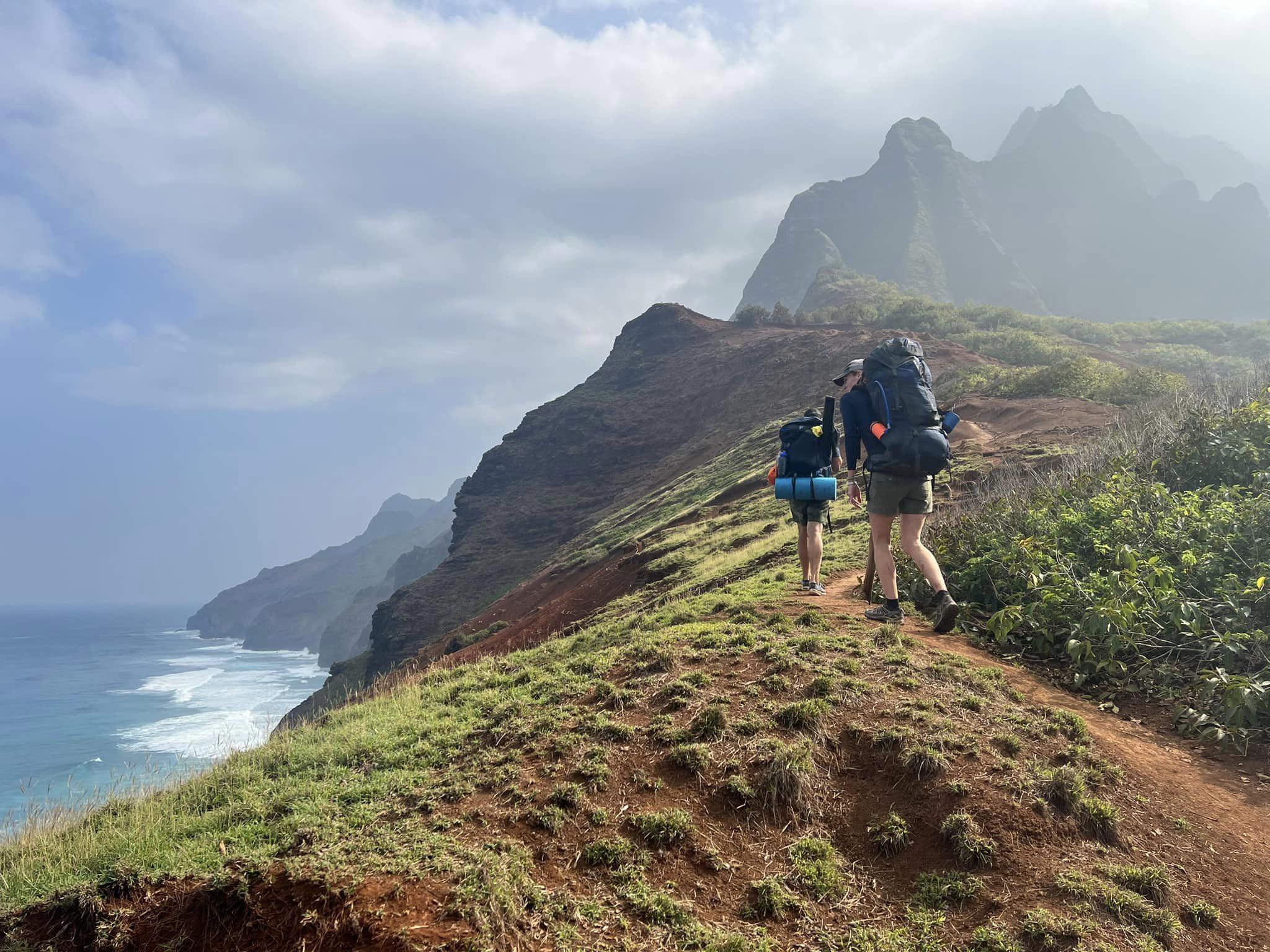
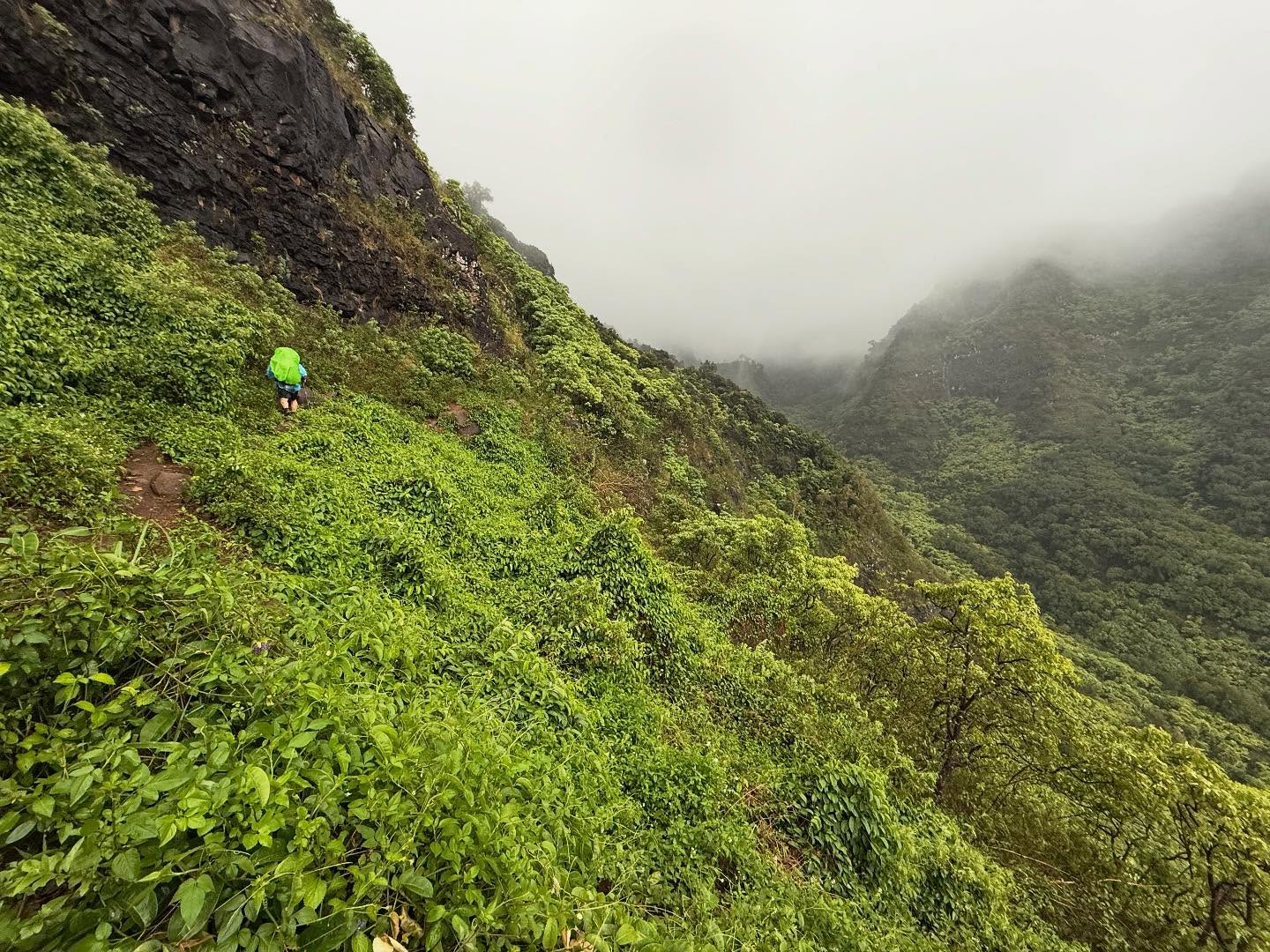
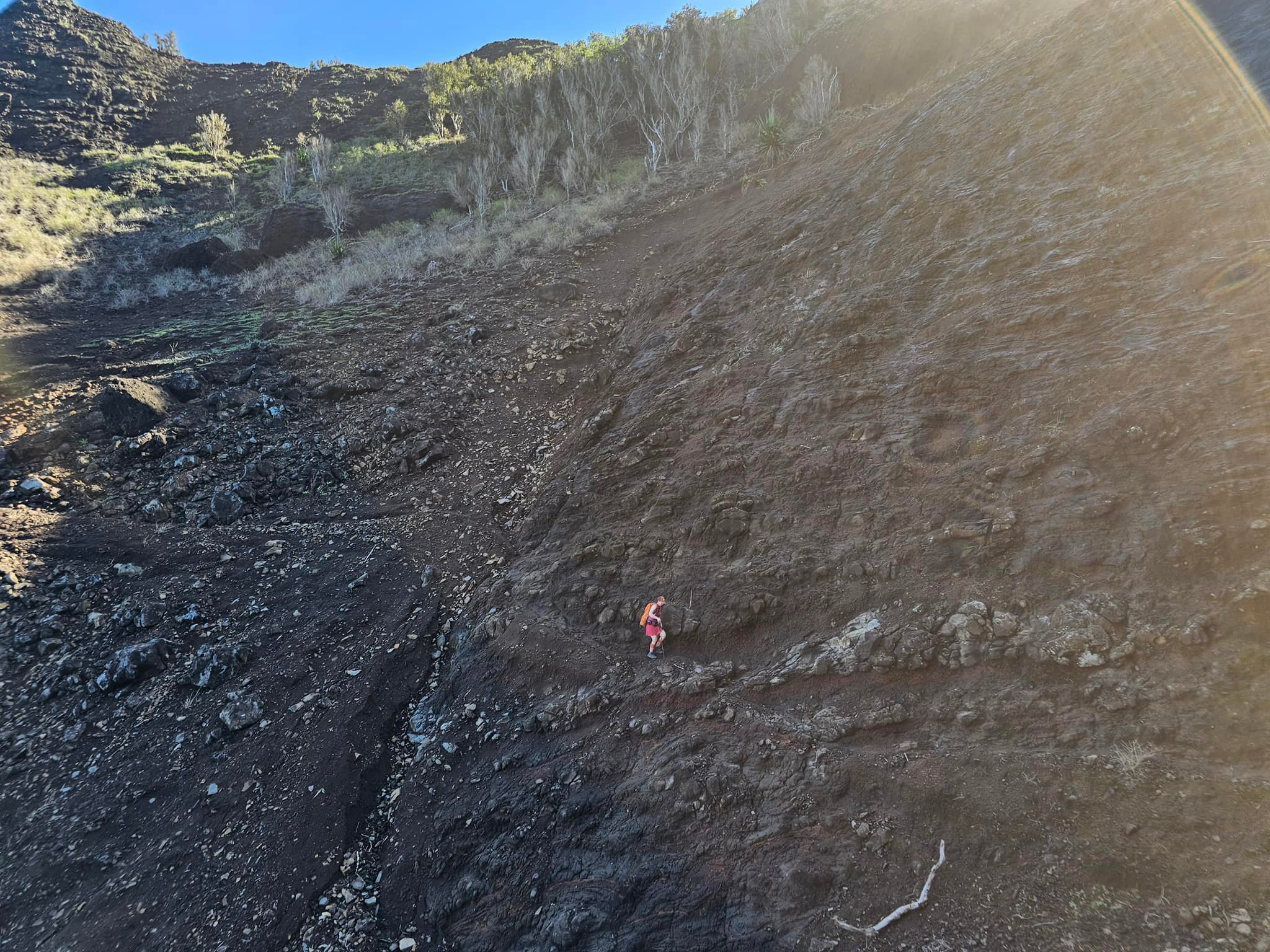
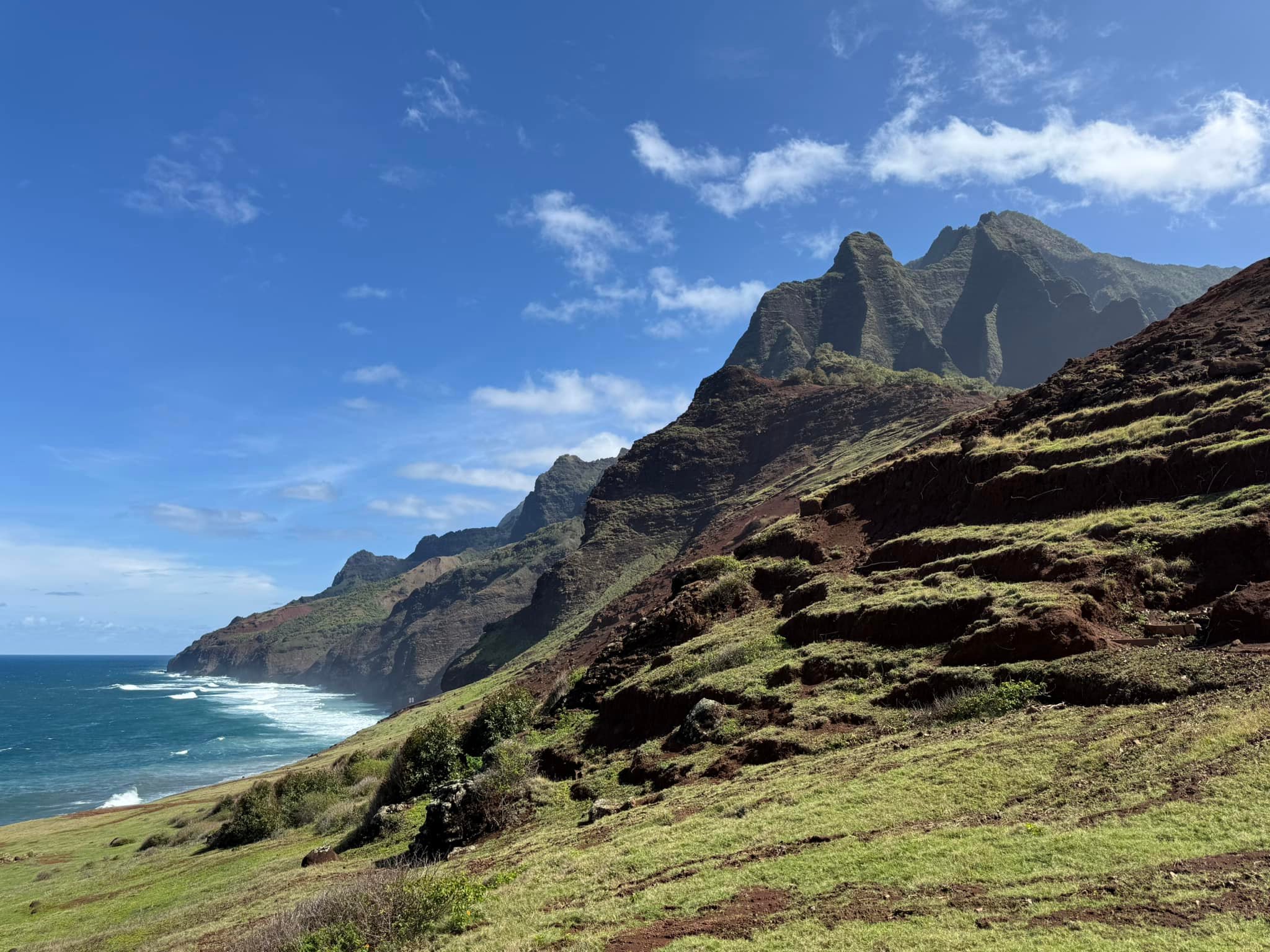
The next couple of miles skirted along the coast, many areas washed away from the recent heavy rains, leaving whole sides of the trail just wide enough to walk on, with a dropoff of hundreds of feet to the ocean. We continued to keep an eye and an ear above us for any more dreaded landslides and we made our way quickly across these obvious danger zones. I realized then that Crawler’s Ledge was probably one of the safest parts of the trail.

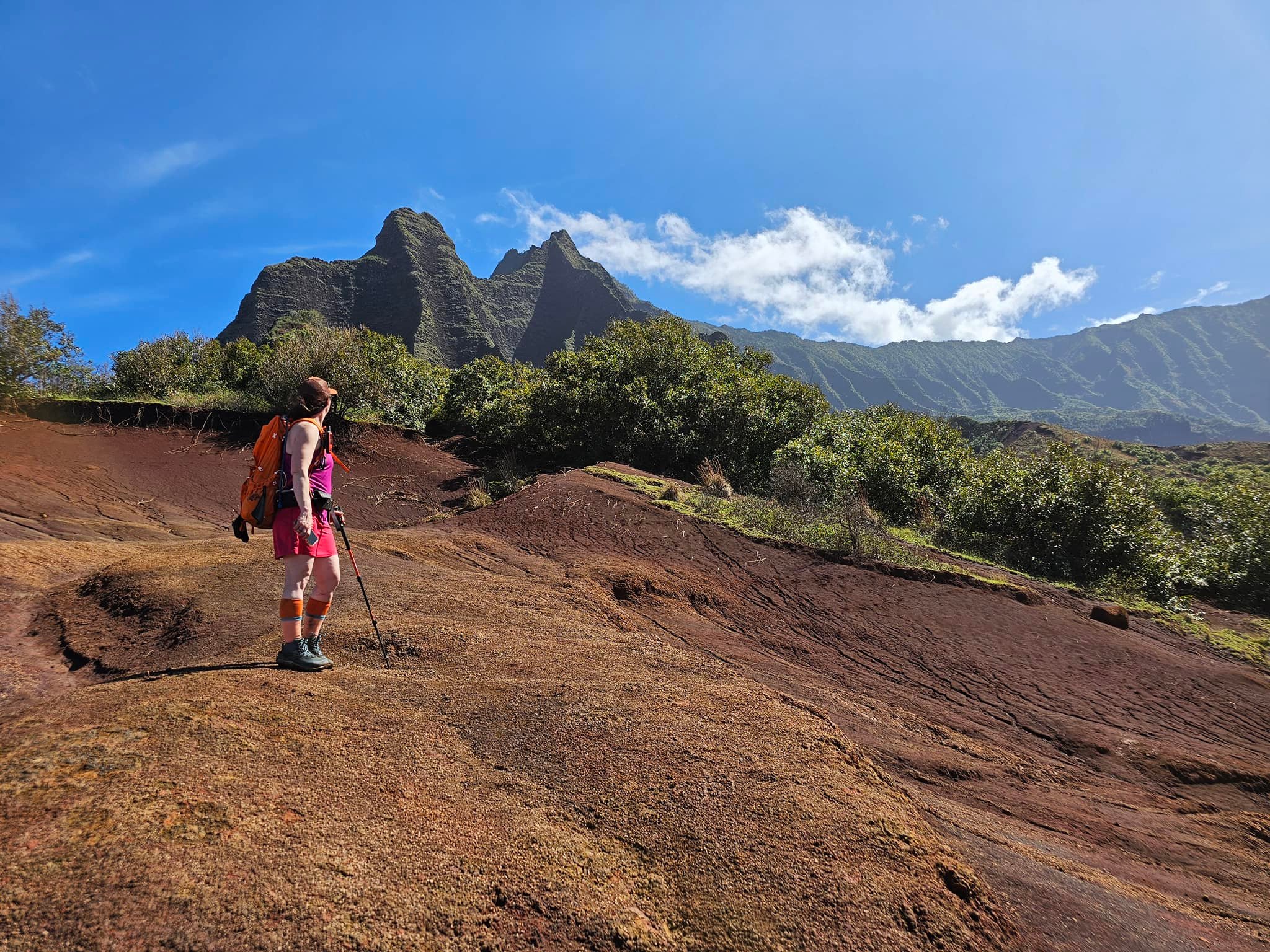
I still felt confident, with no bouts of vertigo, as we approached the old wooden Kalalau Valley sign. We had made it to the Red Dirt Hill and beyond most of the dangers. Descending the gradual 400′ to Kalalau Stream, we both breathed a sigh of relief and chuckled. We had made it.

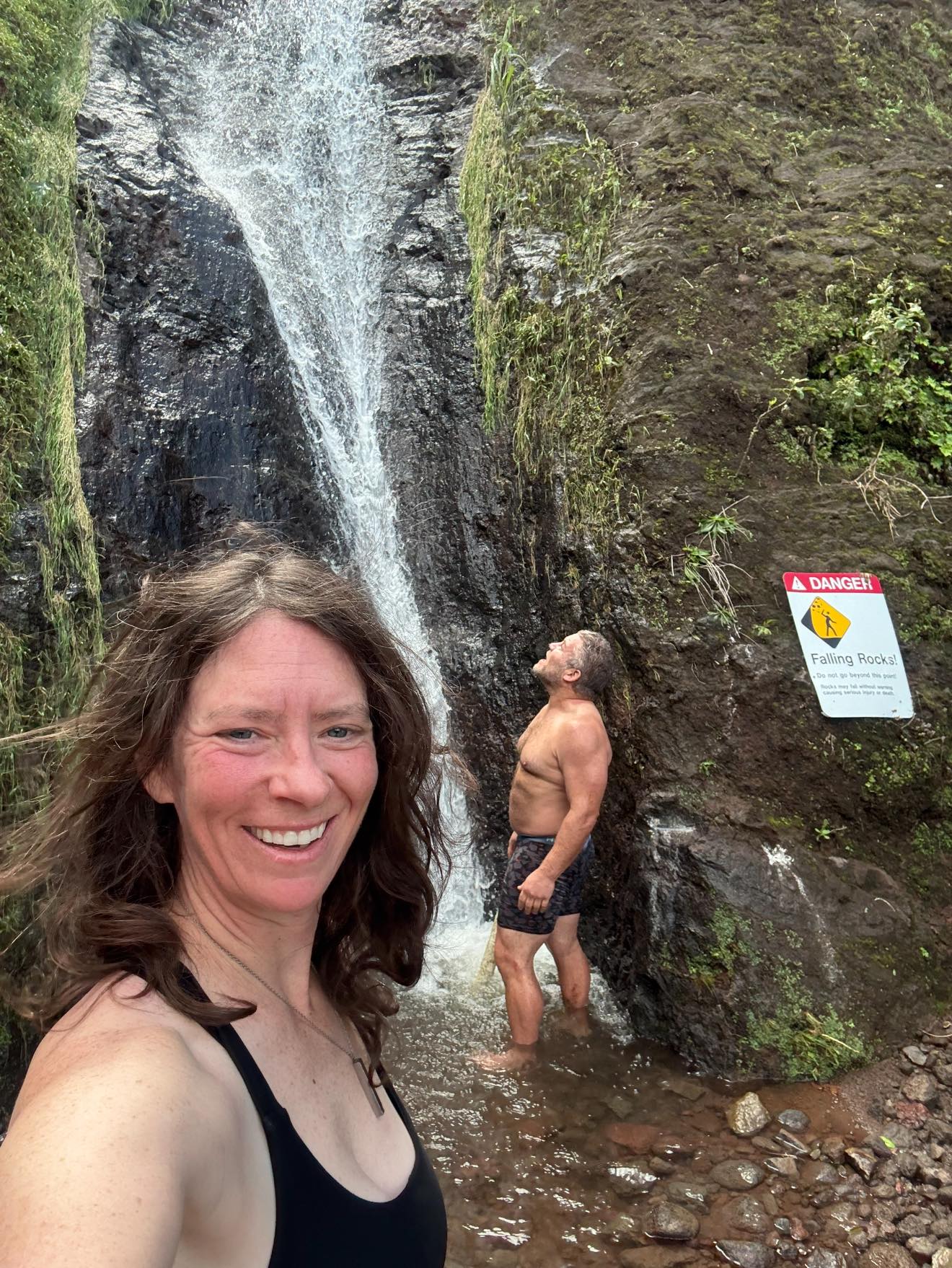
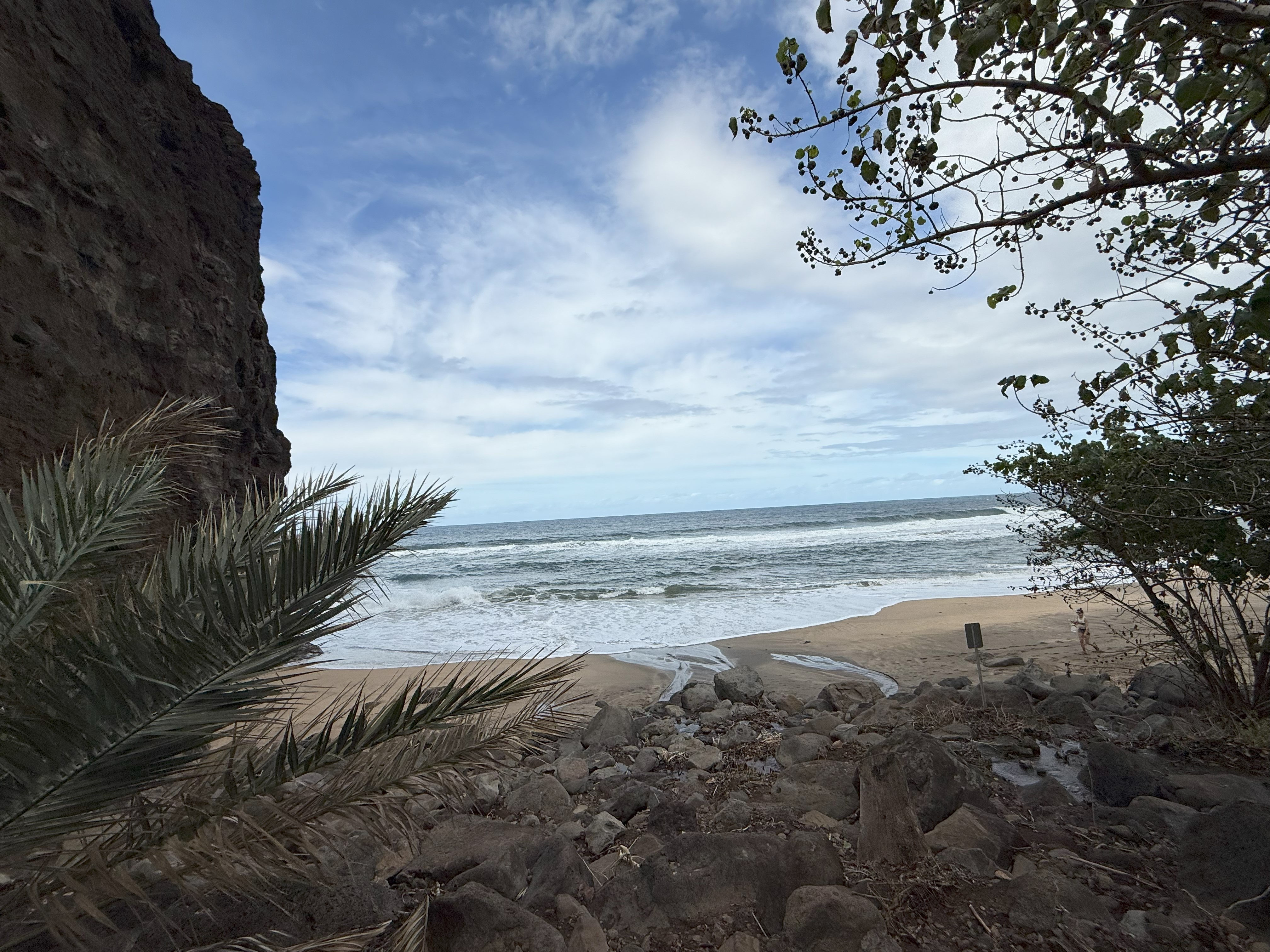
Jason found a great rock hop route across the stream and we were soon at the boundary of the Kalalau camping area. I found the campsite from my 2023 trip and then caught up to Jason at the waterfall, where we showered with the help of a pvc tube that had been cut to direct the water away from the vertical rock wall into a stream of water that would beat any shower’s water pressure.

Rejuvenated, we made our way down to the beach, walking along in the sand, but not taking any chances with the large winter swells to risk swimming in the ocean. I spent some time reflecting on the past couple of years and on how thrilled I was to be back, although disappointed to not have the opportunity to trek out Kalalau Valley.

I didn’t have time to fret about that missed opportunity for too long though; after taking plenty of pictures and videos, I could tell Jason was antsy to get moving on the 5 mile hike back to Hanakoa, so we donned our sneakers and headed back the way we had come.

The return was uneventful. A hot, sunny day had allowed the land to dry out and firm up, leaving great footing and plenty of opportunities for taking in the incredible views. It was one of those days where the greens of the vegetation are blindingly brilliant, and the color of the ocean from high above was a vibrant teal.

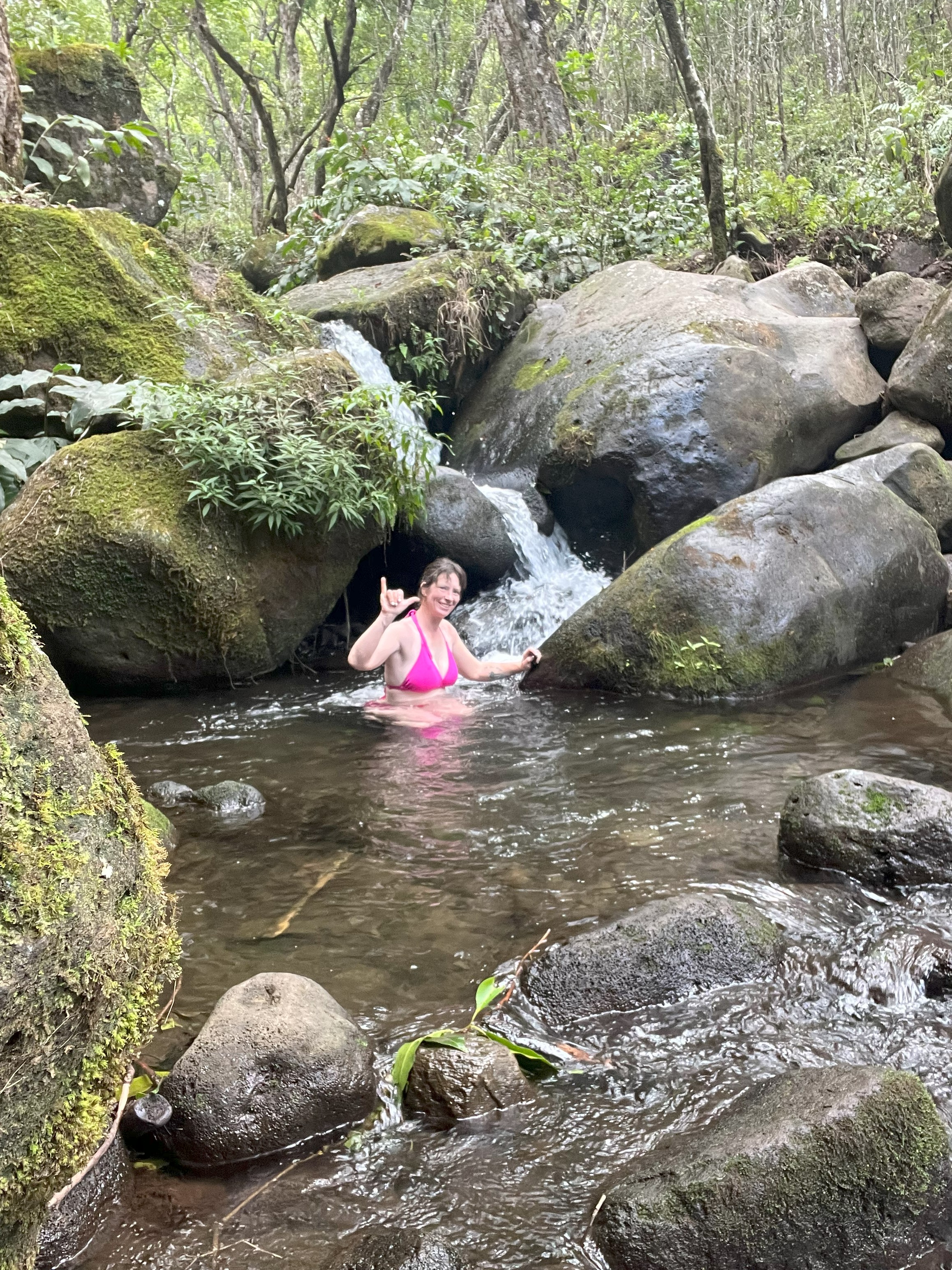
Arriving back in Hanakoa with plenty of time to make dinner and relax, we crossed the still low stream, stripped off our hiking gear and went for a swim. It was ice cold and refreshing. It felt good to be clean and safe, but even better, I slept that night knowing I had attained redemption that I didn’t know I would ever get.

Day 4

The morning of the 29th we took our time breaking camp, knowing we had until late afternoon to hike the 6.5 miles back to the trailhead to meet our ride. Thankfully the forecast was wrong, and it was another day with pleasant weather. We marveled over how nice the dry trail was, reminiscing about the monsoon and marveling at our unhinged stubbornness for navigating these Palis in such conditions.

We waved to boats whose occupants watched us, hundreds of feet above them walking on a sheer cliff, and I wondered what it would be like to see it from that perspective. I spent quite a bit of that time thinking about a summer kayak trip to Kalalau to finally get the opportunity to explore the Valley that had stayed just out of reach.

Besides some minor rockfall that we were able to sprint past, the walk back to Hanakapi’ai was enjoyable, although we did have some concerns for those heading out toward Kalalau, since the forecast hinted that the weather would be much worse than what we experienced. (The trail was, in fact, closed the night we came out due to flash flooding and landslide dangers).

Crossing Hanakapi’ai, I was too excited to worry about not getting my feet wet, wading through the water to the “day hiker” side of the stream. We came across a man who had slipped and fallen on the rocks and after a doctor evaluated him, I used my InReach SOS button for the first time in 5 years.

The trail completely disintegrated for the last two miles, a muddy mess from the masses of hikers that obtain day permits to walk the 2.4 miles out to the stream. We struggled with the sudden transition to busy sidewalk from the desolate and sparsely populated trails beyond the day hiker turn around point. Frustration grew as we weaved our way through the throngs of people while simultaneously trying to keep our footing.

We made it back to the trailhead with a mixture of relief, pride and longing to still be walking along those cliffs that two years earlier had broken me down to nothing but now felt like an old friend.

We heated up water for instant coffee and ate the last of our food, excited for a hot shower and a meal from a restaurant. Our ride showed up not long after our agreed meeting time of 4pm and brought us to shower at Lydgate Beach Park. Don’t do this. An unhoused person was blocking the entry to the men’s bathroom, and no other people were around, so Jason and I both showered in the pressure washer stream of ice water in the open-air showers of the women’s side. It was a rude awakening after longing for a hot shower, but I can say that I was completely exfoliated by the firehose jet of the shower head, even if it was hypothermia inducing.

We found our way to dinner at Monico’s, a Mexican restaurant in Kapa’a. Five stars, 100% recommend. By 9pm we were back at the airport, repacking our bags and navigating in a somewhat dreamlike state through agricultural inspection, bag check and security. Our plane took off on time, barely missing the incoming storm, and I settled in for a long flight, satisfied that I had accomplished something that would finally allow me to remember this place with excitement, joy and peace.

Just The Tips:

  1. Permits open 90 days out and often sell out quickly. There is no lottery, it is first come, first serve.
  2. Hammocks are preferred for this trail. There are ample places to set one up at both Hanakoa and Kalalau. Hanakoa does not offer many tent camping options, but there are a few spots clear enough to pitch one.
  3. Nights at Hanakoa can get chilly. I used a 40-degree bag in 2023 and was cold. My 30-degree bag was perfect. Remember that if you are hammock camping, you may get more chilled because of the airflow beneath you.
  4. Be prepared for a change of plans, especially in the winter. Consider booking 3-4 nights in case of inclement weather or emergency.
  5. As someone who made this mistake, Do Not attempt this trail alone. There are too many opportunities to completely disappear, whether it be due to landslides, a fall, a flash flood or a number of other possible demises.
  6. Keep your eyes and ears open along the trail! Don’t wear earbud or headphones. Listen for landslides and rockfall.
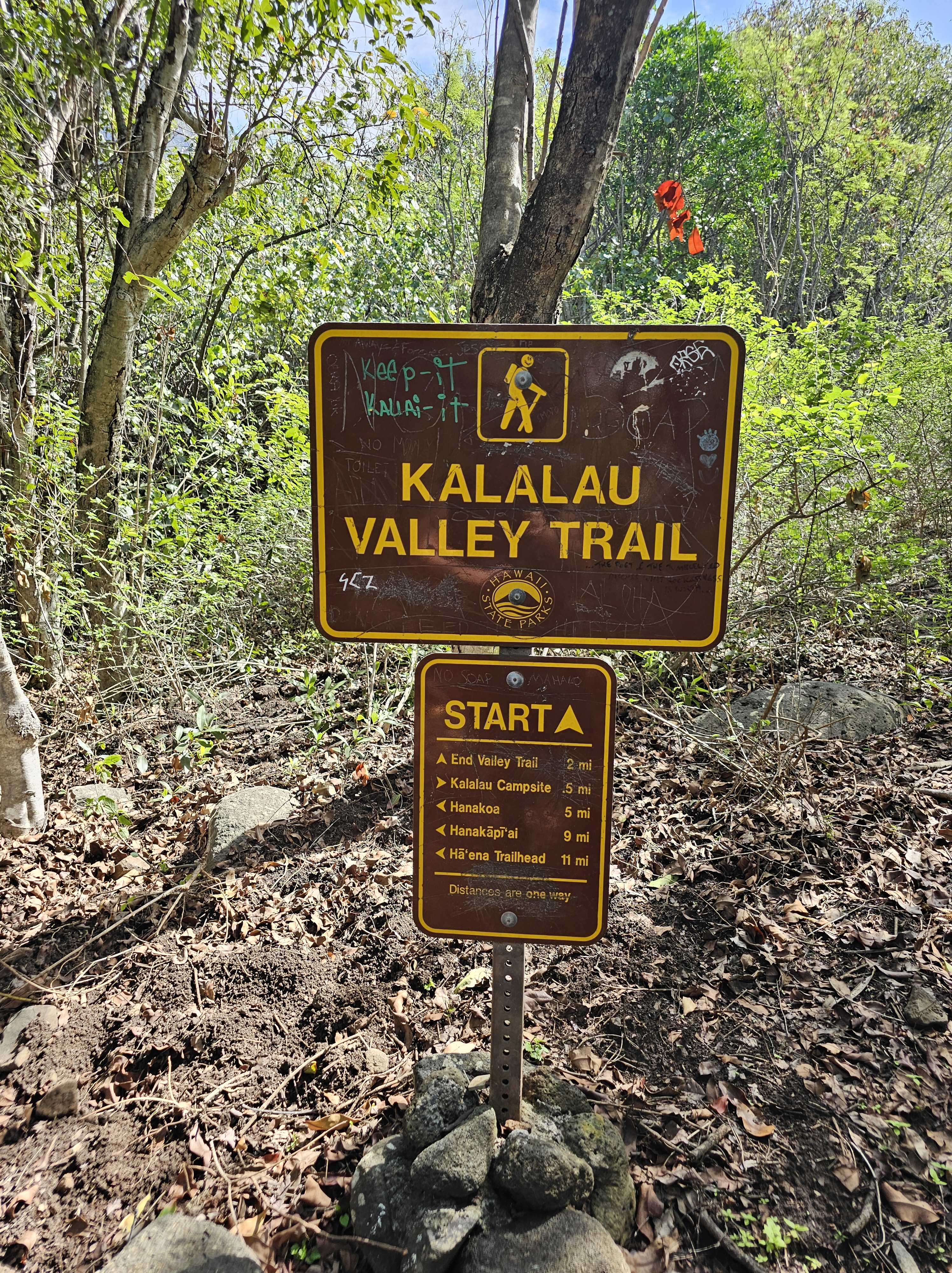
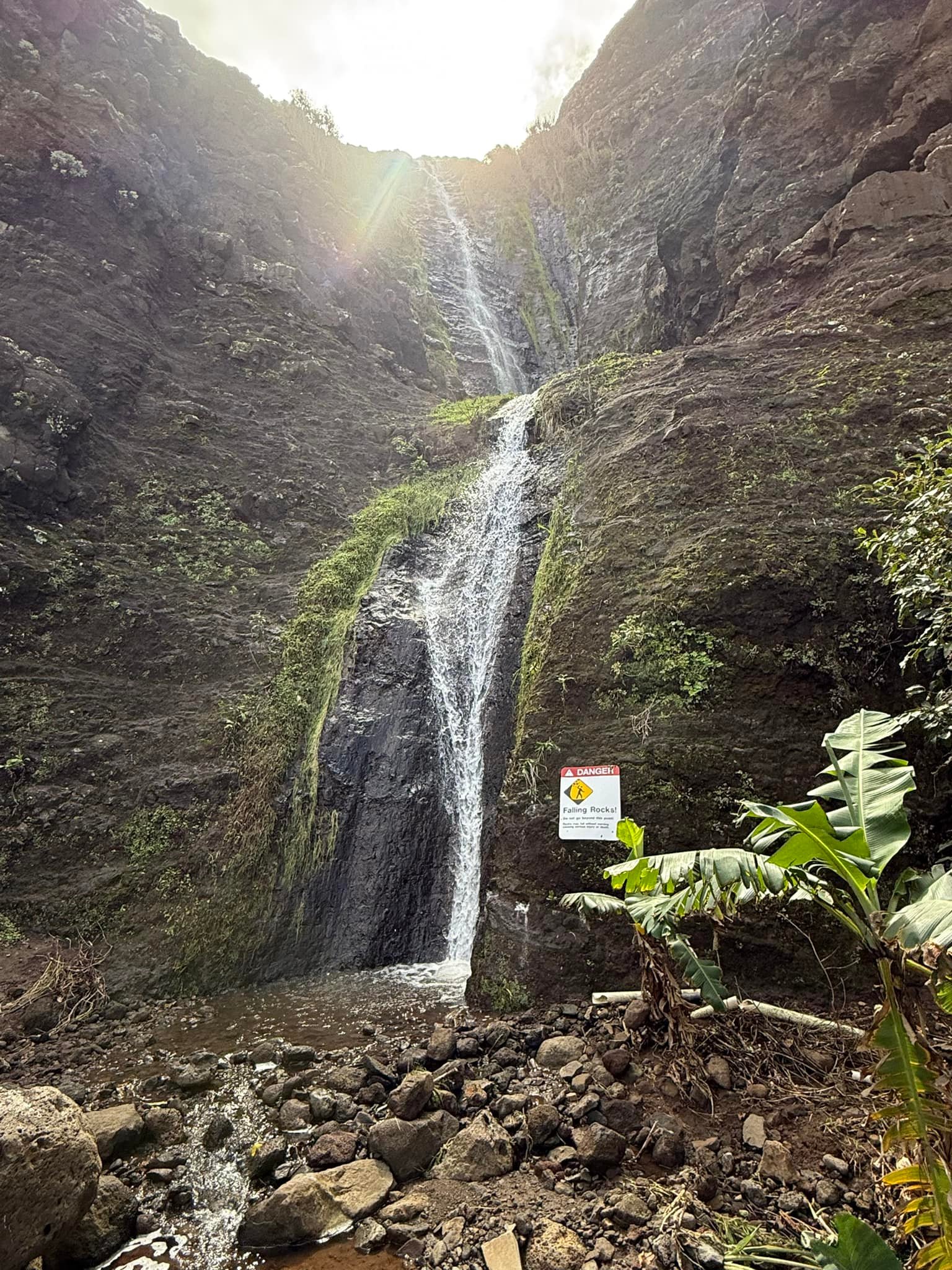
  7. Use Hanakoa on the way out and/or on the return. This is much underutilized site, but it offers a relaxing location and the amenities of a composting toilet, and the opportunity for a side trip up a spur to Hankoa Falls. There are sites on both sides of the stream.
  8. Use good judgment crossing swollen streams. Stop and wait if it appears that the streams are flooded. The conditions can change quickly, and you may not have to wait long. It is not worth risking your life. Most people who perish on this trail don’t fall off cliffs, they drown in flash floods or while swimming at the beaches in the winter when the surf is rough.
  9. If you are afraid of heights, consider a day trip up to Hanakapi’ai Falls instead of going out to Kalalau. This trail will not be enjoyable if you are terrified the entire time. The exposure is relentless and some areas are only narrow enough to put one foot in front of the other
  10. Pack out what you pack in! This area is sacred to the Hawaiian people, so please show respect.
  11. Enjoy!

Kalalau AllTrails Link:

Lost and Found on Rainbow Peak

March 31, 2025 Mileage: 6.2 Miles (Including Northeast Ridge to Unnamed Point) Elevation Gain: 3700′ Chugach 120 #118 Chugach Front Range #25 Summit Elevation: 3543′ Rainbow Peak is a fun, scrambly hike that starts at sea level and tops out at 3543.’ This one is big bang for your buck if you’re looking for an…

Brocken Spectres and Nike Missiles: Rendezvous Ridge → Muktuk Marston Loop

September 21, 2024 Mileage: 8 Miles Elevation Gain: 2592′ Peak 1112 (3648′) Little Teton (4006′) Peak 3891 (3891′) Permits: Arctic Valley PArking PAss or Membership Pass It’s now the end of March 2025, and as I start planning for this summer’s adventures, one of my top mellow day hikes is definitely the Rendezvous Ridge/Muktuk Marston…

Racing the Termination Dust: A Fall Ridge Walk from Lazy Mtn to Peak 4199

September 29, 2024 Mileage: 8.6 Miles Elevation Gain: 4815′ Lazy Mountain (3740′) Peak 4199 (4199′) Permits: Mat-SU Borough Parking Pass REquired at Lazy Trailhead It was the second to last day of September, and the weather was holding out for one more low ridge traverse, though the termination dust had crept down close to the…